Why the paint on an F-22 weighs more than an adult man

The F-22 Raptor’s stealth coating weighs over 113 kilogrammes because it is infused with heavy metallic particles engineered to trap enemy radar signals and convert them into heat.
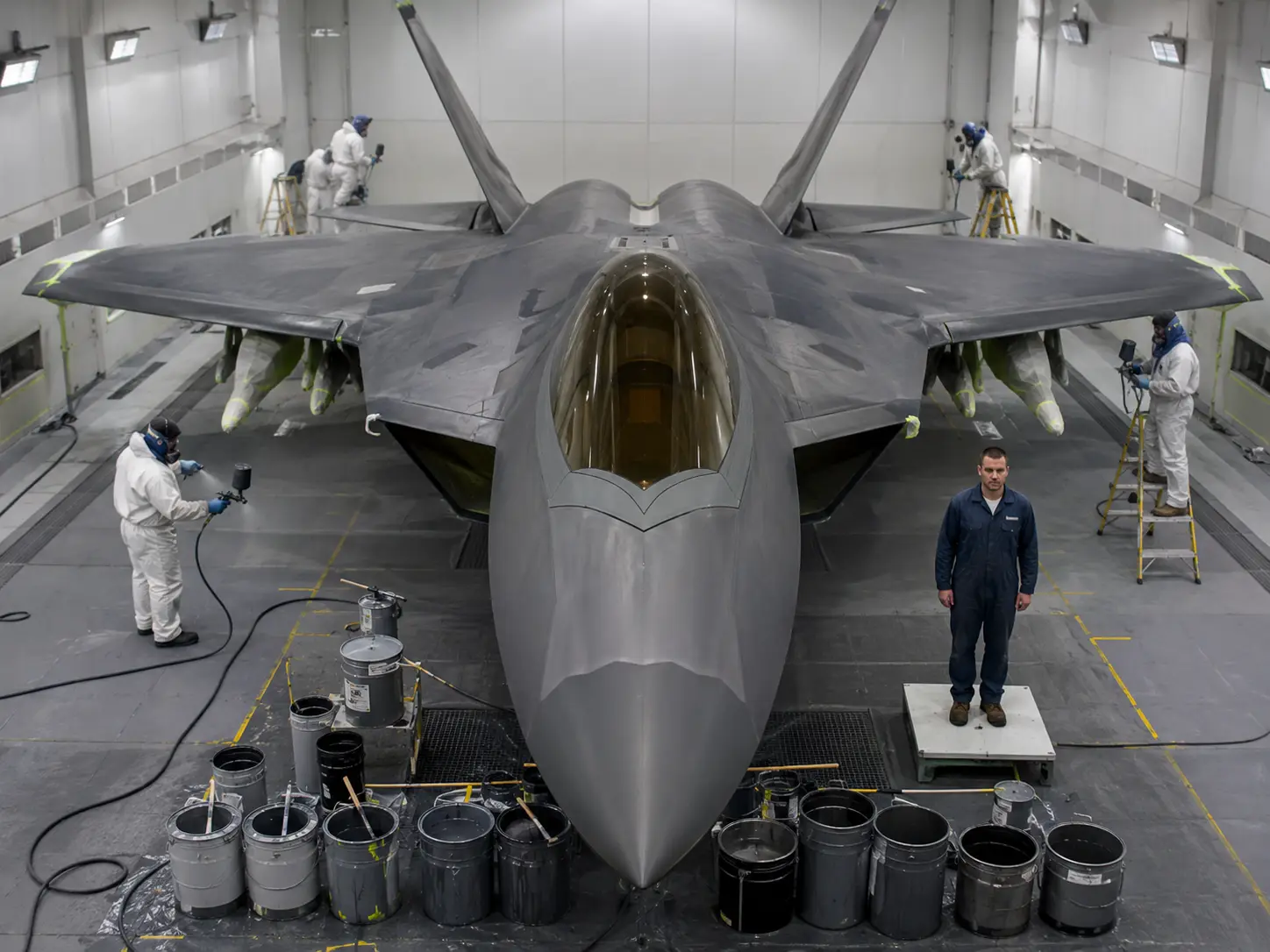
Weighs Over 113 Kilogrammes
The specialised exterior coating applied to the F-22 Raptor adds approximately 113 kilogrammes to the jet's total flying mass. While standard aviation paint is exceptionally light, this thick tactical topcoat easily surpasses the 80-kilogramme average weight of an adult human male.
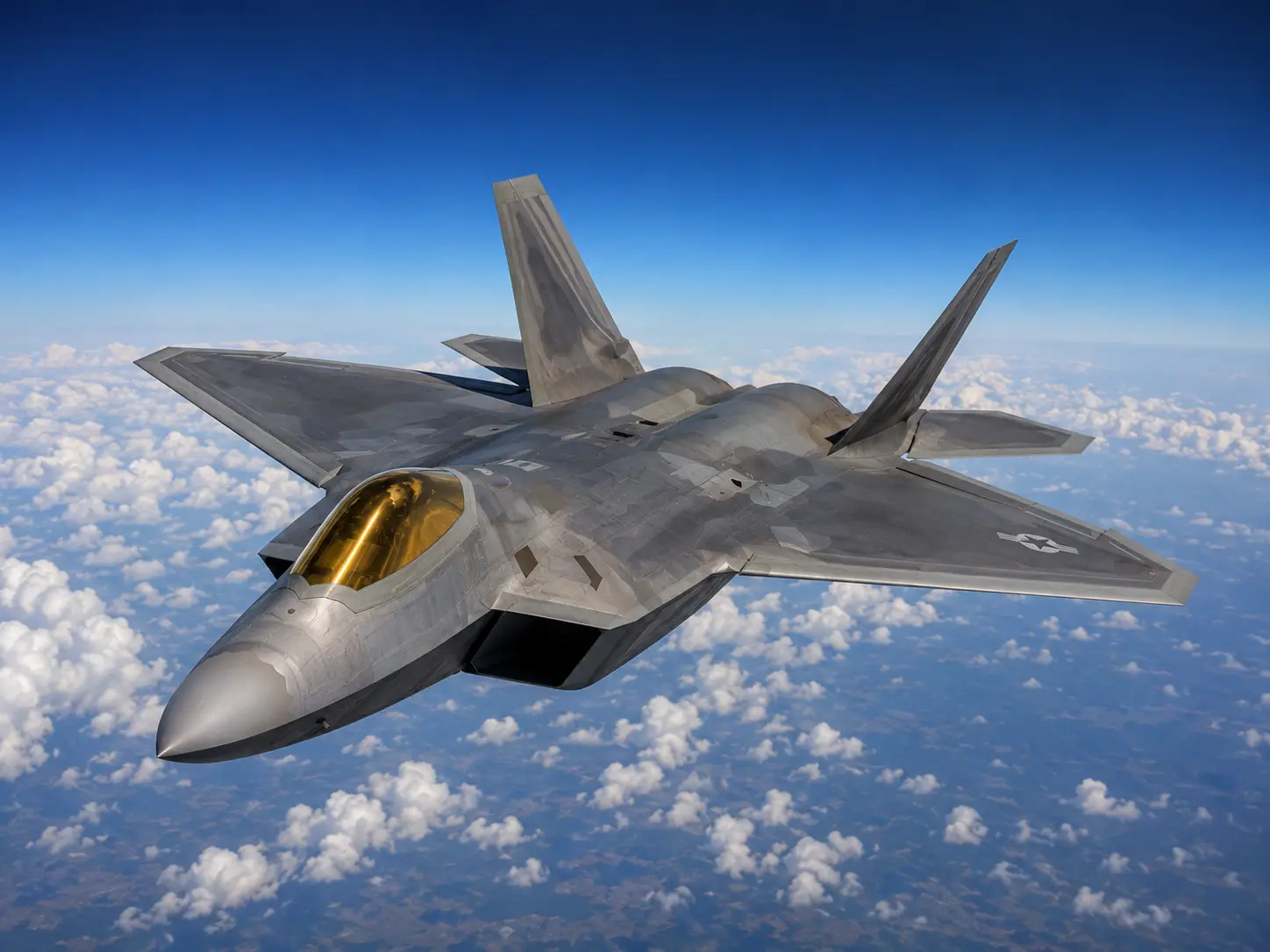
Covers 78 Square Metres
To achieve total stealth across its broad 78-square-metre wing area and fuselage, the jet is covered in a proprietary polymer. This radar-absorbing material is heavily loaded with microscopic carbonyl iron spheres and carbon particles, which inherently possess a massive physical density.
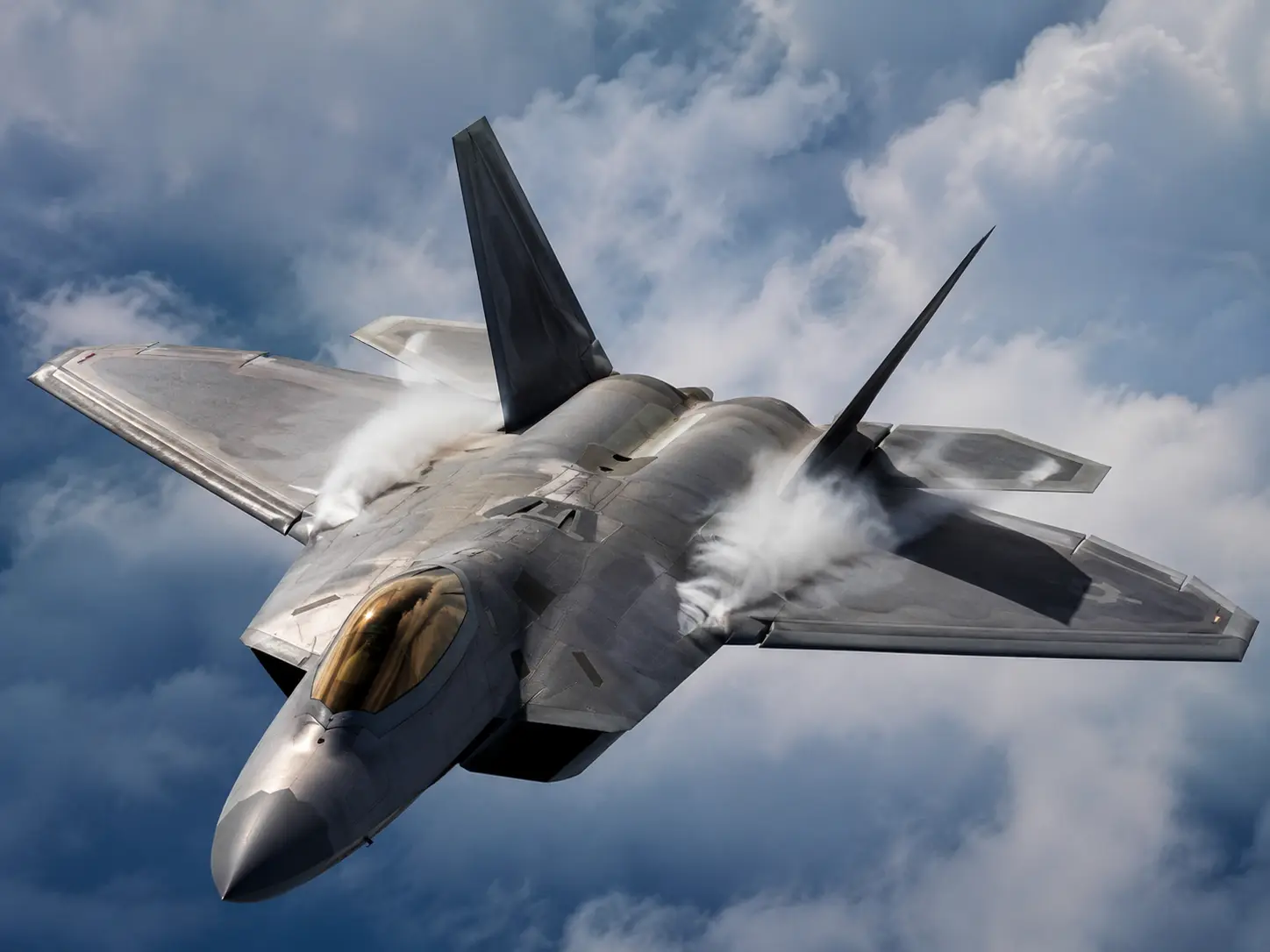
Absorbs 10 Gigahertz Signals
Rather than allowing incoming radar to bounce back, the iron spheres inside the paint trap 10-gigahertz electromagnetic waves. The dense composite forces the incoming energy to oscillate within the heavy coating, instantly converting the enemy signal into harmless thermal heat.
Demands 0.1 Millimetre Precision
Because any surface unevenness creates a radar reflection point, human hands do not paint the operational fleet. Computerised robotic arms apply the heavy topcoat to a strict tolerance of 0.1 millimetres, ensuring the metallic density remains perfectly uniform.
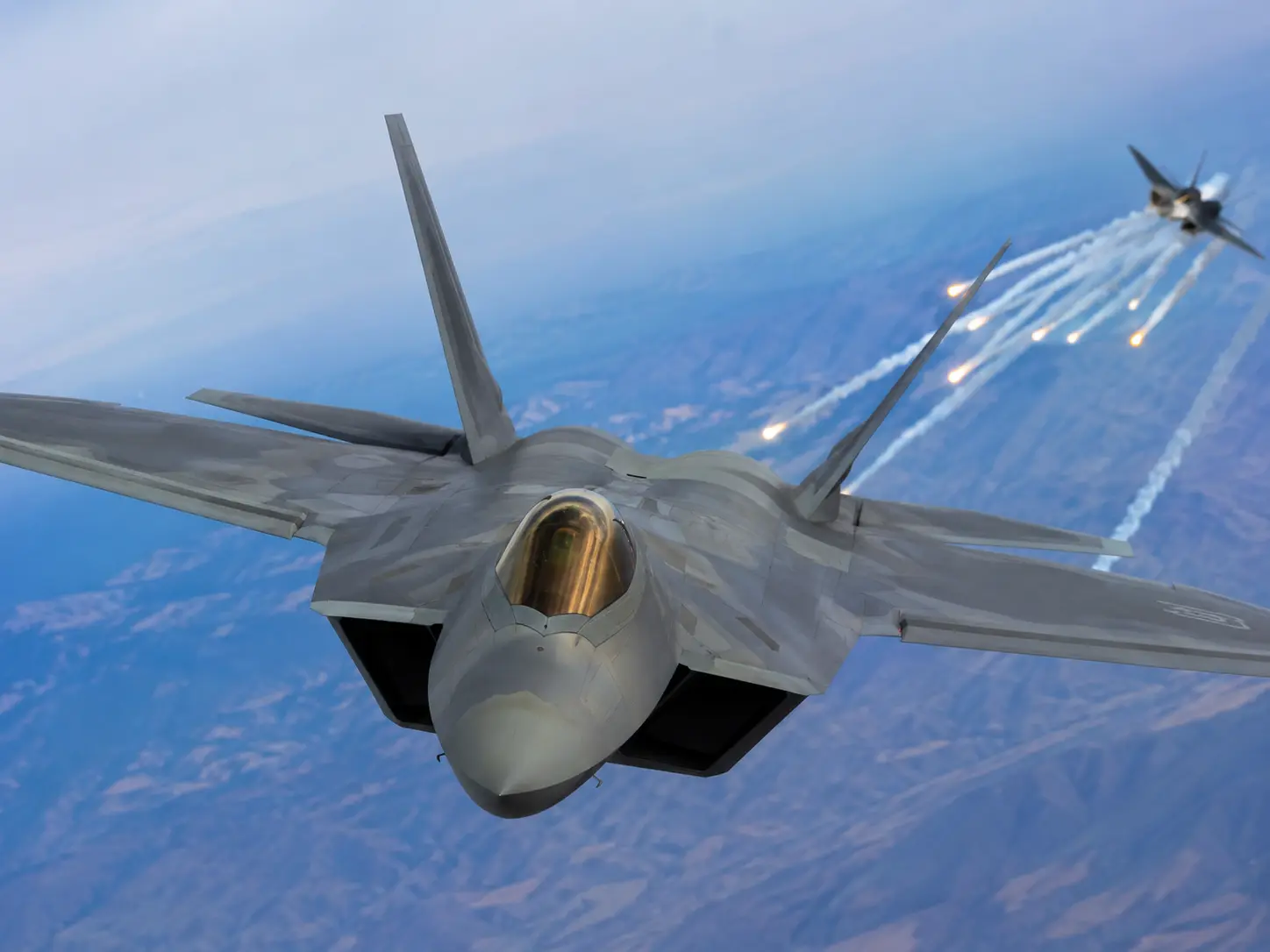
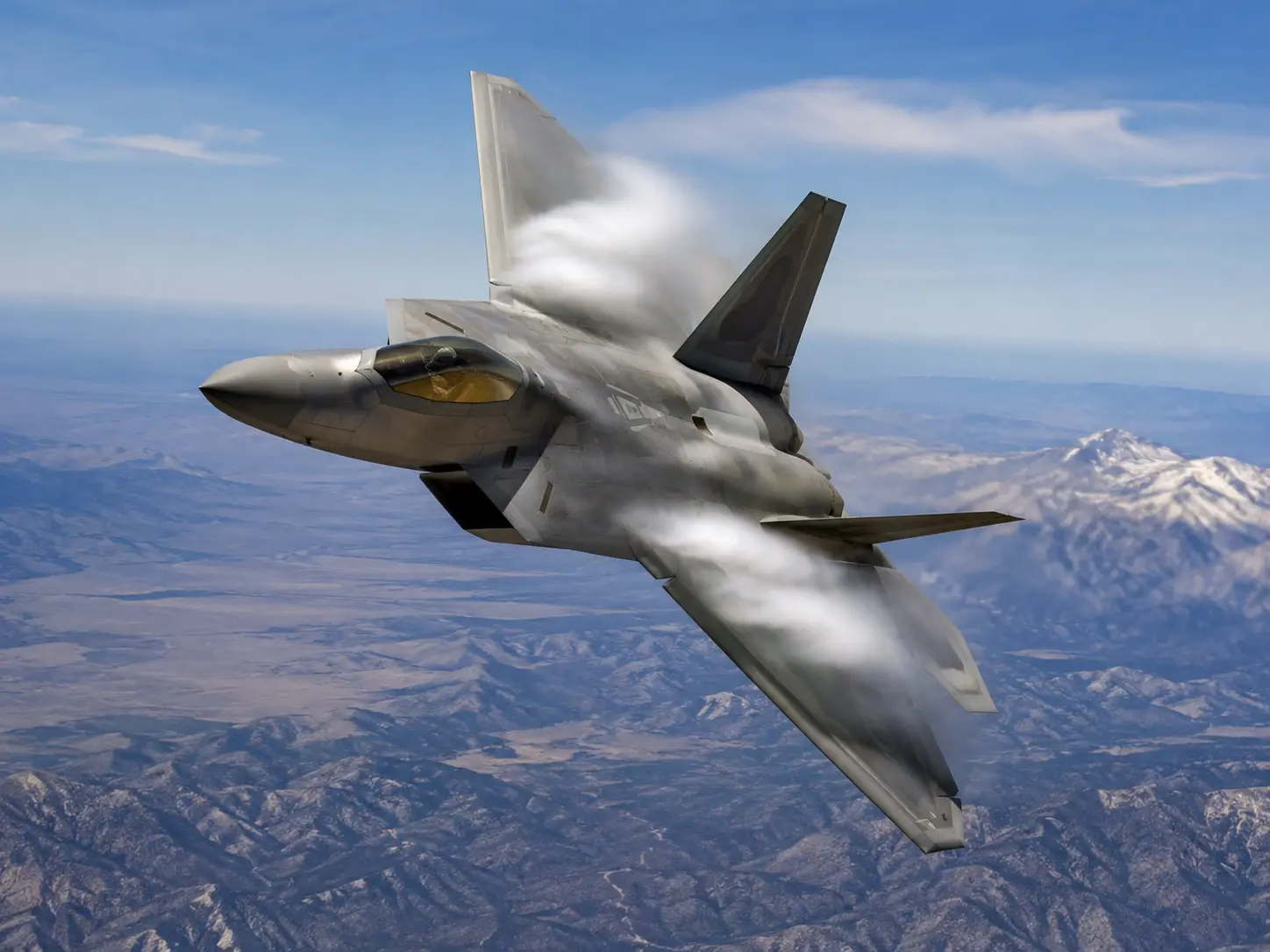
Sustains 9G Combat Manoeuvres
This heavy metallic topcoat is formulated to maintain its structural bond even when the fighter pulls extreme 9G combat turns. If the heavy paint flakes, peels, or cracks under high aerodynamic friction, the aircraft instantly loses its radar-evading capability.
)
)
)
)
)