Why the MQ-9 'Reaper' is considered one of the world’s most dangerous military drones

Its ability to operate over land and sea, often above deserts, coastlines and maritime corridors, underpins its global relevance.
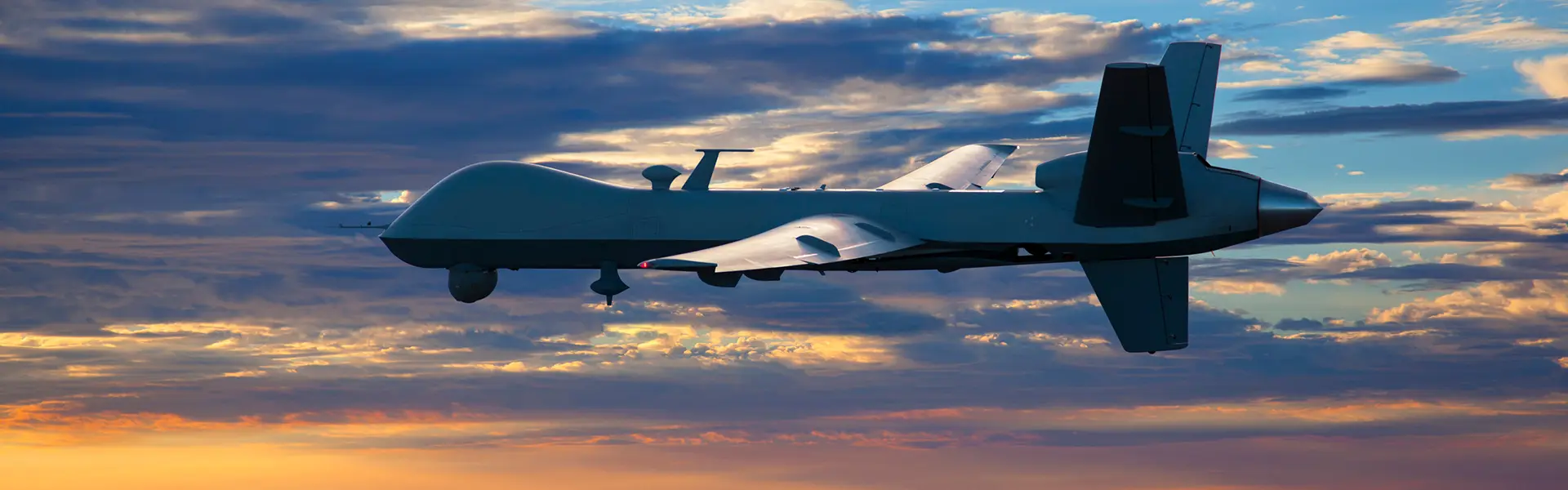
A benchmark in modern air power
The MQ-9A Reaper is the United States’ premier long-endurance, multi-mission remotely piloted aircraft, designed to perform multi-mission intelligence, surveillance and reconnaissance(ISR) missions alongside precision strike over land and sea. Developed by General Atomics Aeronautical Systems and first flown in 2001, the Reaper represents a decisive evolution from the earlier MQ-1 Predator, combining endurance, payload and reliability in a single platform that has also reshaped modern military operations.
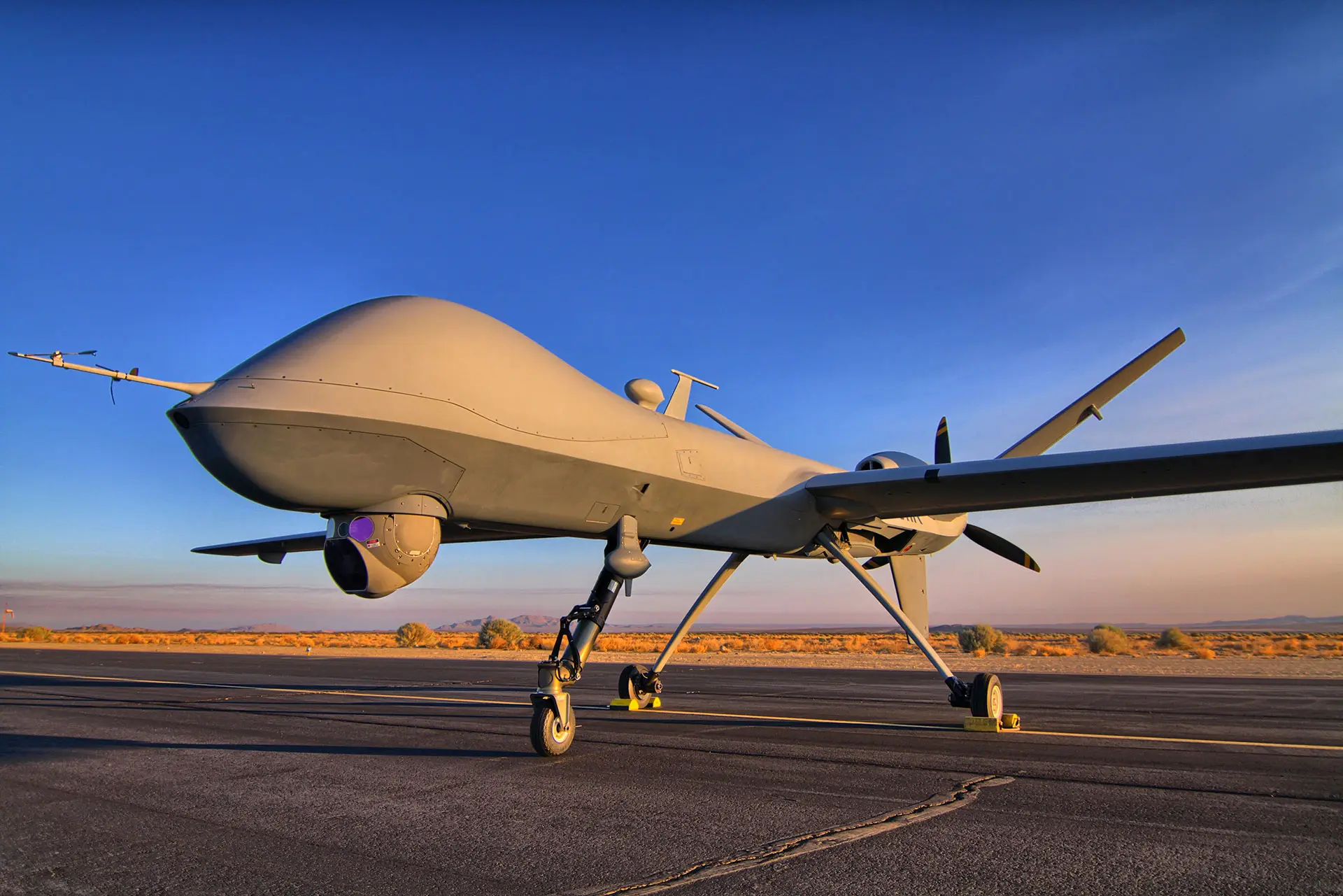
Design origins and operational philosophy
Funded initially by General Atomics, the MQ-9A was conceived to meet the growing demand for persistent aerial presence over vast and often remote theatres. Designated 'Reaper' by both the US Air Force and the Royal Air Force, it has since become the common name for armed Predator B variants. Its ability to operate over land and sea, often above deserts, coastlines and maritime corridors, underpins its global relevance.
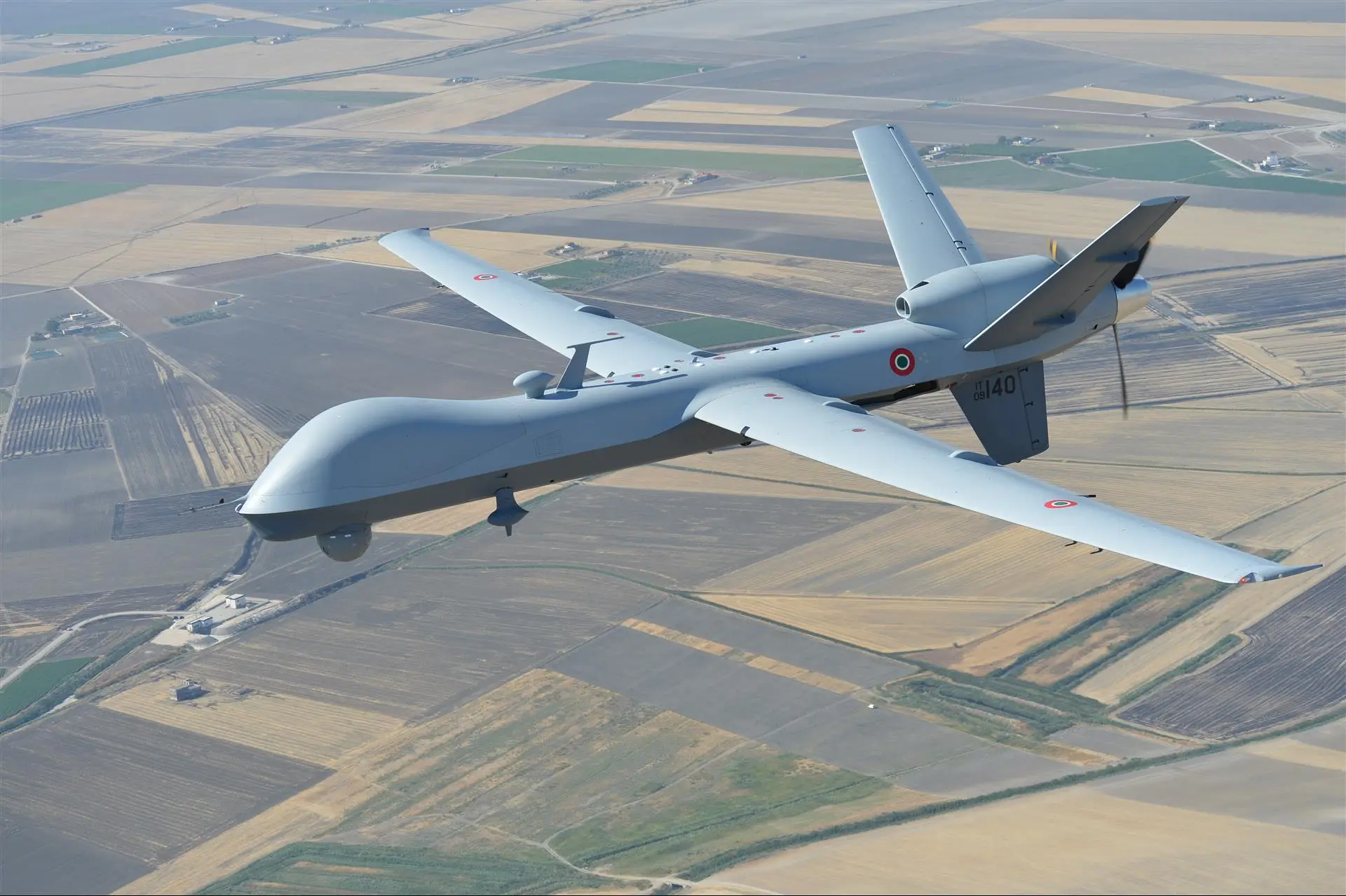
Performance that sets it apart
Powered by a Honeywell TPE331-10 turboprop engine producing 900 shaft horsepower, the Reaper can fly for over 27 hours, reach speeds of 240 knots and operate at altitudes up to 50,000 feet. With a maximum take-off weight of 10,500 pounds and an external payload capacity of 3,000 pounds, it carries significantly more payload than its predecessor.
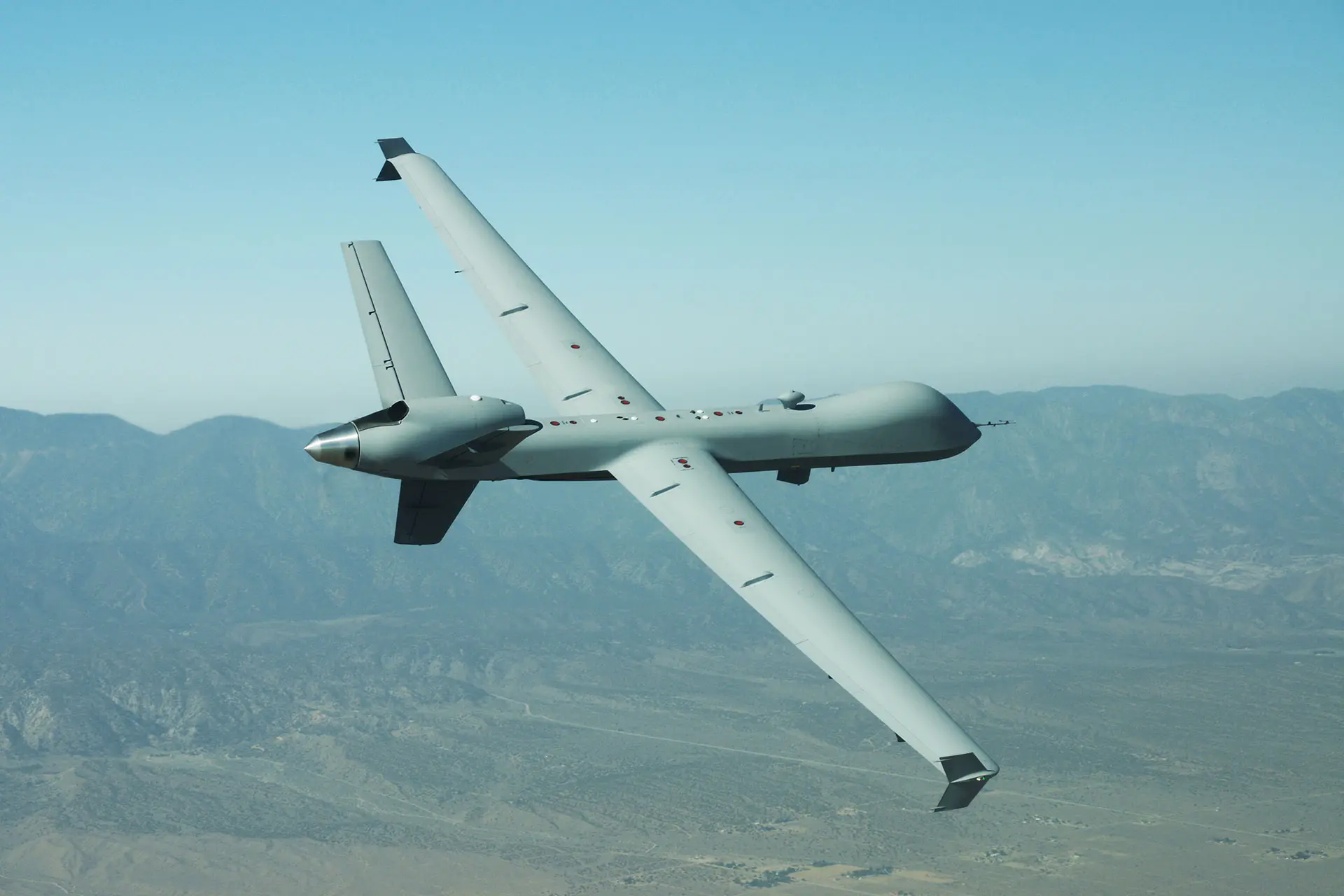
Sensors, payloads and precision strike
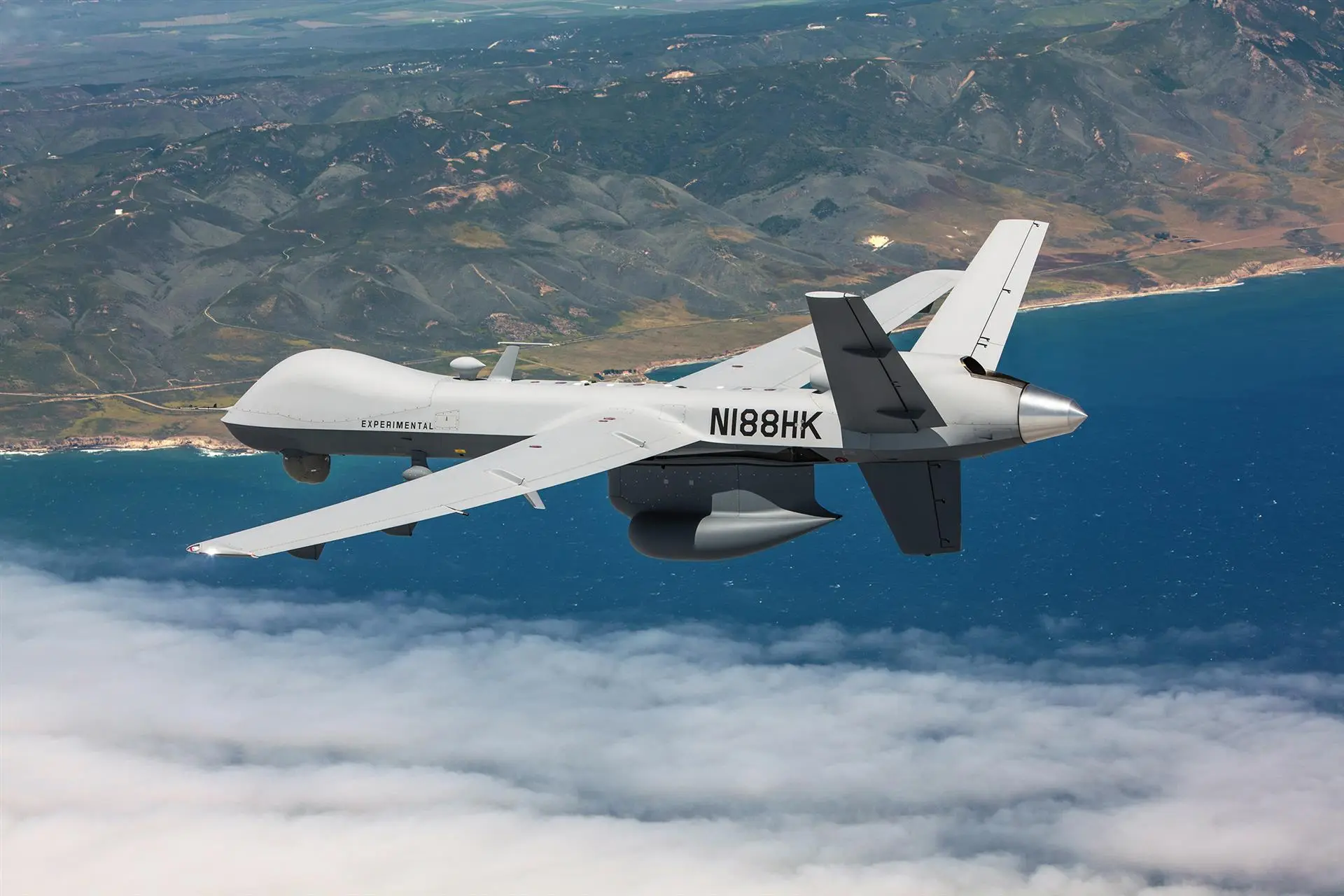
The MQ-9A’s modular design allows it to carry a wide range of payloads, including the MTS-B electro-optical and infrared system, Lynx multi-mode radar, maritime surveillance radar, SIGINT/electronic support measures system. It can employ AGM-114 Hellfire missiles and a variety of laser-guided and GPS-guided bombs, enabling precise engagement with minimal collateral damage.
Reliability and systems architecture
A key strength of the Reaper lies in its fault-tolerant design. Triple-redundant avionics, redundant flight control surfaces allow it to meet manned-aircraft reliability standards. Operational availability consistently exceeds 90 per cent, which is a notable achievement for an unmanned platform.

Extended range and global deployability
The MQ-9A Extended Range variant increases endurance to around 34 hours through wing-mounted fuel pods and reinforced landing gear. The aircraft can be disassembled and transported in a C-130 Hercules, or self-deploy across continents, supporting rapid global operations.
Why the Reaper endures
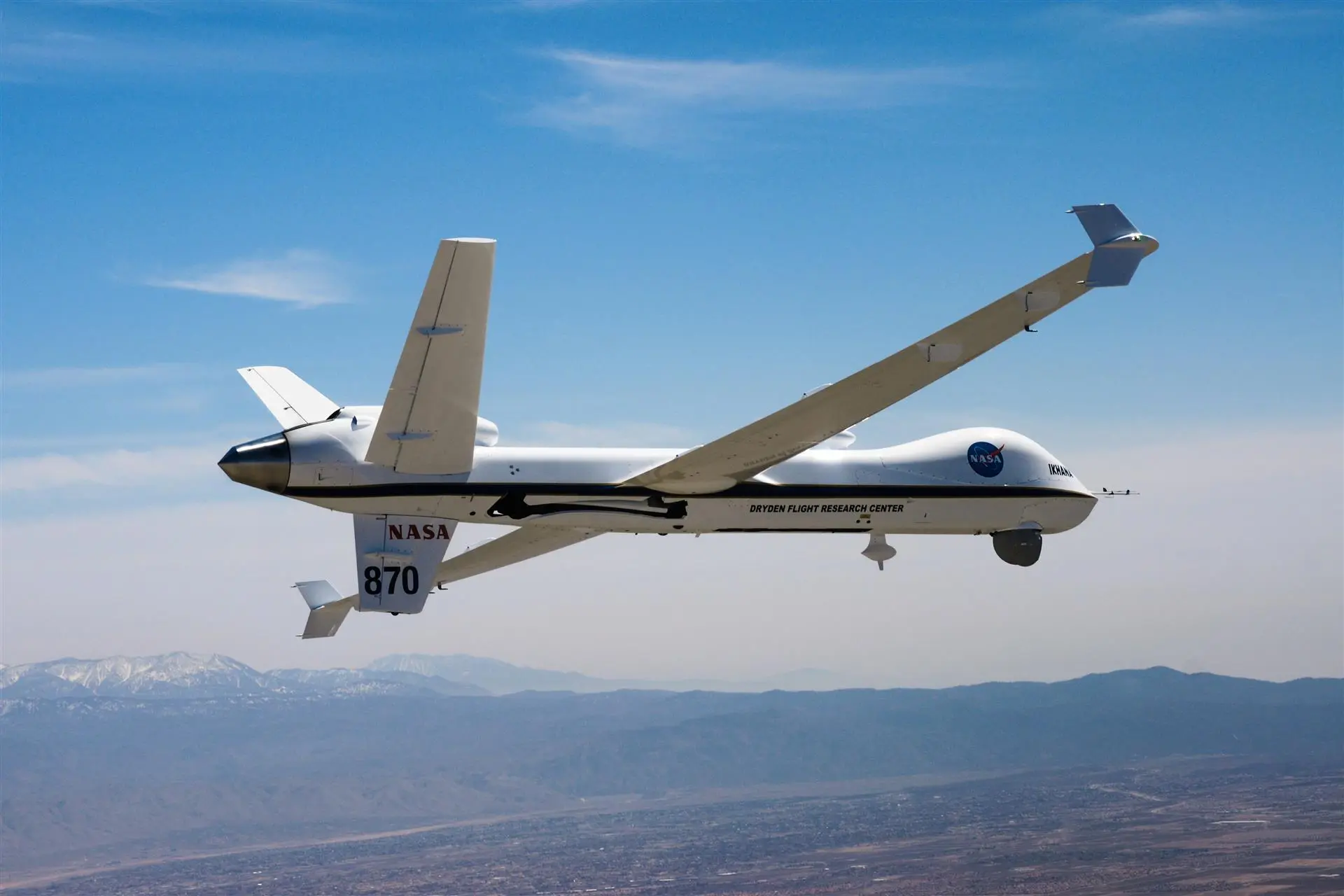
Operated by the US Air Force, allied air forces and civilian agencies such as NASA, the MQ-9A remains sought-after because it combines persistence, flexibility and precision. Its ability to loiter quietly over distant landscapes, relay real-time intelligence and strike when required ensures its continued relevance in an evolving security environment. Currently, Indian Navy is operating two leased MQ-9A drones for reconnaissance and surveillance.
Key challenges
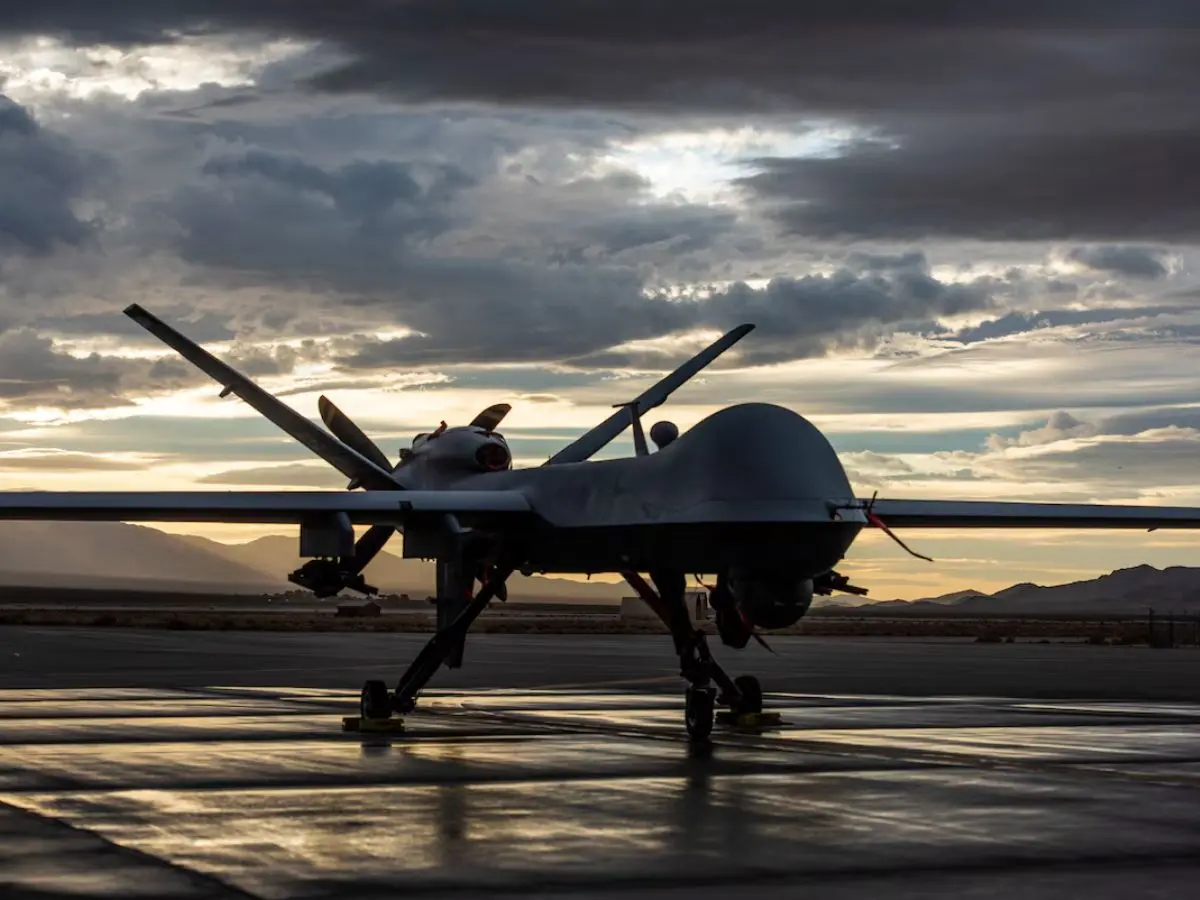
Although it is dubbed by many as the most destructive drone ever, the MQ-9A Reaper faces critical challenges in highly contested, modern combat environments due to its lack of stealth, vulnerability to surface-to-air missiles (SAMs), and reliance on permissive airspace. The key issues are related to the technical limitations with the Synthetic Aperture Radar (SAR), maintenance of the drones. According to several media reports, the Reaper is heavily impacted by adverse weather conditions including rain, wind and extreme temperatures which this affect its navigation and sensor stability.
)
)
)
)
)