Why the Gulf states want US to ‘finish the job’ against Iran before it’s too late?

While the Gulf states had not called on the US to go to war with Iran, sources told Reuters that many now want Washington to ensure Tehran can no longer threaten the Gulf’s vital oil lifeline and the economies that depend on it.
A widening war reaches Gulf shores
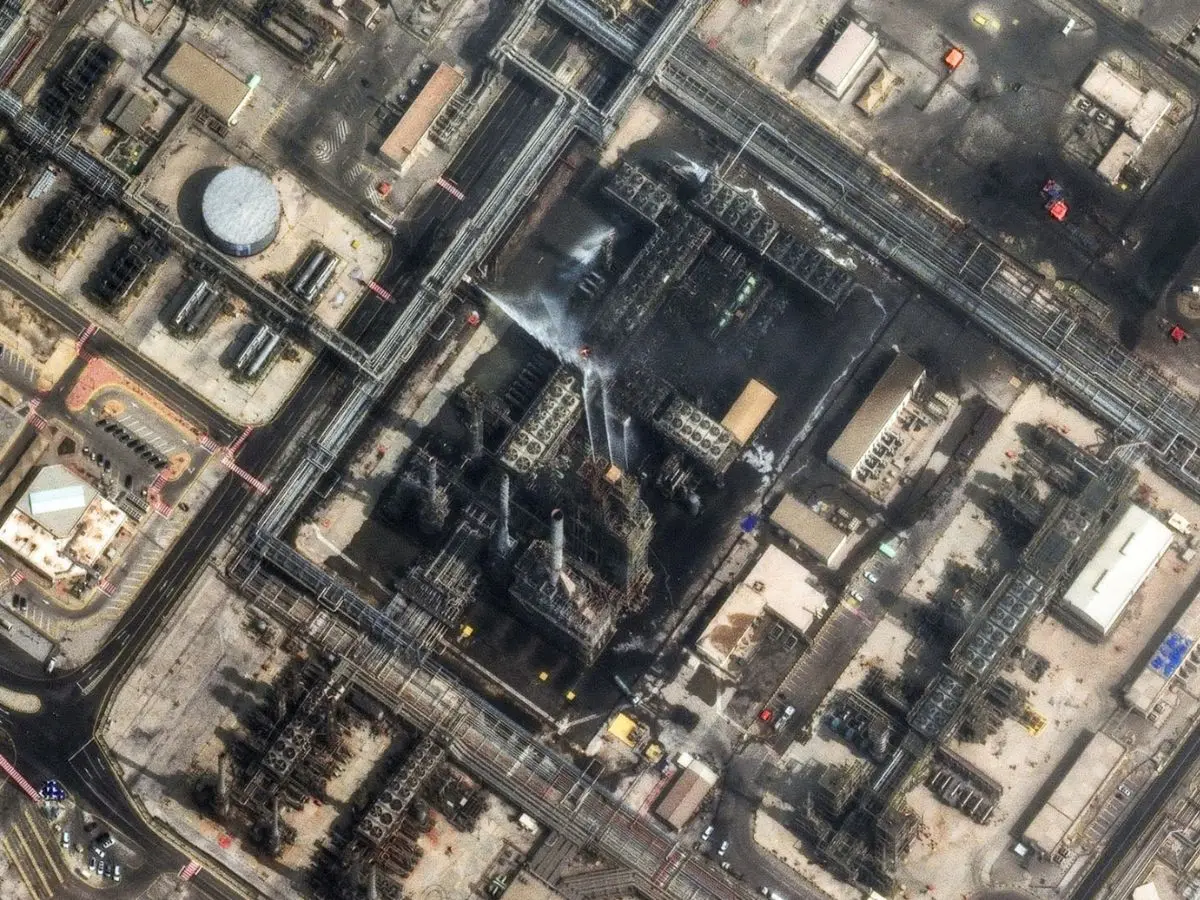
The conflict between Iran and the United States–Israel alliance has entered a more volatile phase, with the Gulf now directly exposed. On Tuesday, Iran launched fresh strikes on the United Arab Emirates, signalling a broadening theatre of war that now threatens key US-aligned states in the region.
Strikes and earlier warnings
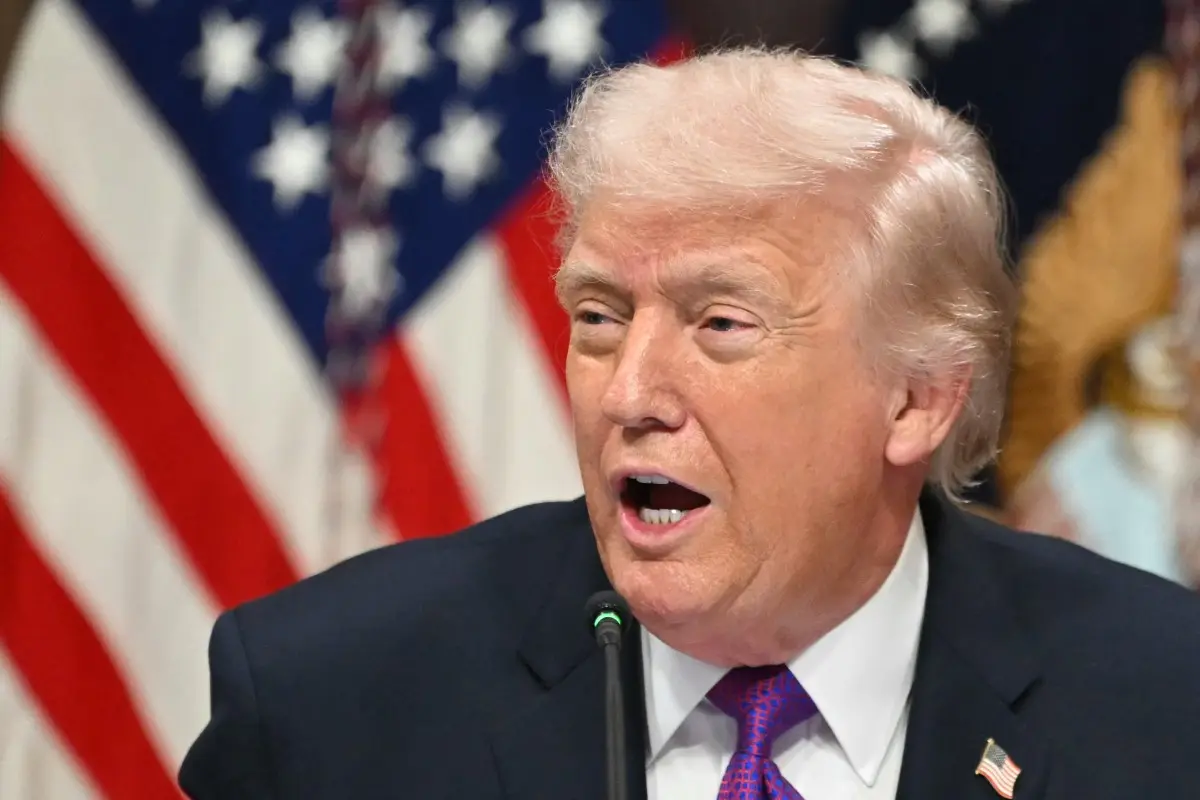
The latest attacks, which also raised concerns for Qatar, Saudi Arabia, Bahrain and Kuwait, were described by US President Donald Trump as unexpected. Yet, diplomats told Reuters earlier that such retaliation had long been anticipated if Iran were attacked, with regional and Western governments sharing that assessment before the conflict escalated.
A decisive shift in Gulf stance
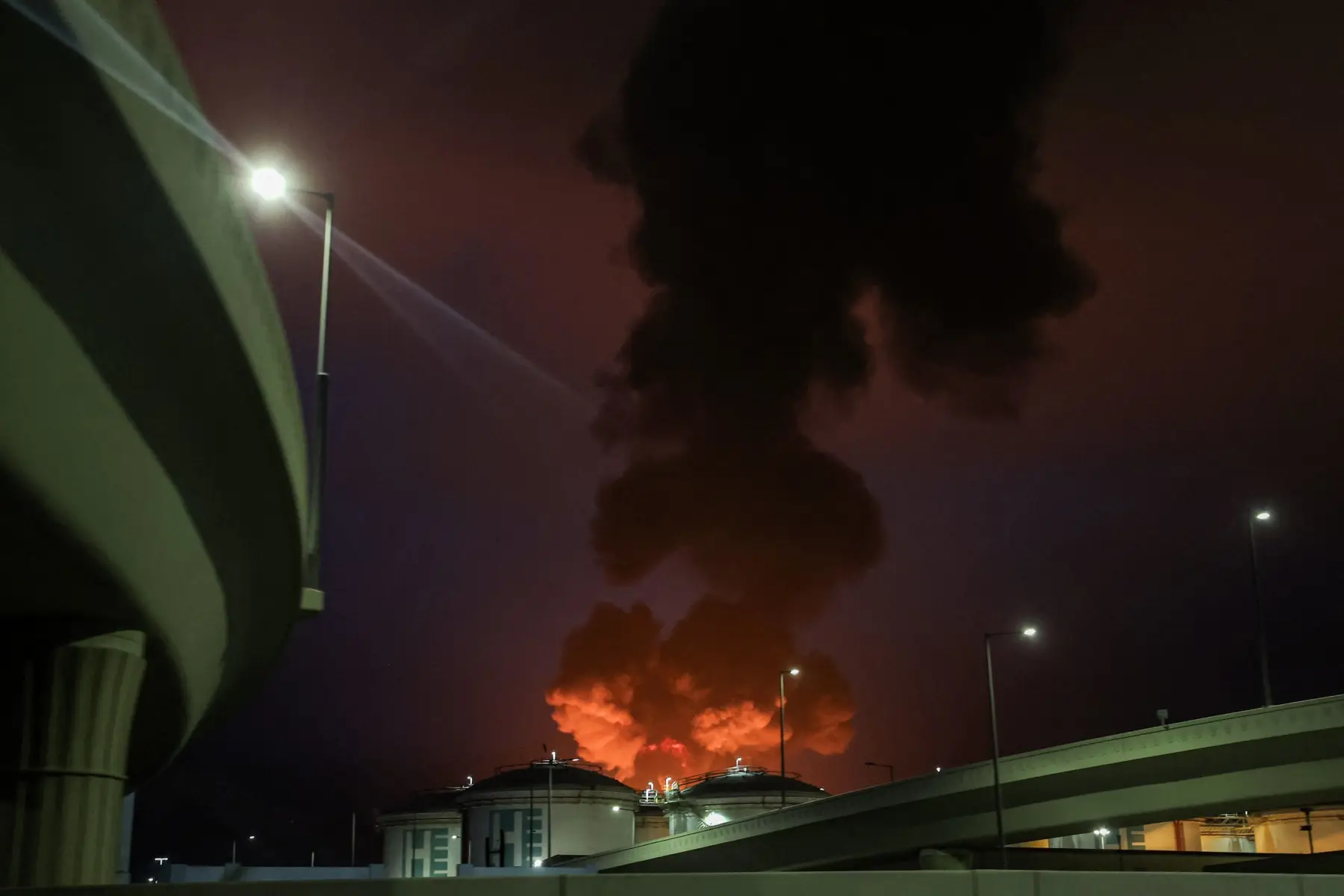
By Monday, a notable shift had emerged among Gulf Arab states. While they had not called on the US to go to war with Iran, sources told Reuters that many now want Washington to ensure Tehran can no longer threaten the Gulf’s vital oil lifeline and the economies that depend on it. Regional officials said the objective should be to “neutralise Iran for good” by significantly weakening its military capabilities. This marks a clear departure from earlier caution, with Gulf governments, long wary of escalation, now signalling decisive action amid a rapidly deteriorating security environment.

Iran’s allegations of covert backing
Iran’s foreign minister Abbas Araghchi had also accused neighbouring states of enabling US strikes. “Reports claim that some neighbouring states… are also actively encouraging this slaughter. Stances should be promptly clarified,” he said, referring to countries hosting US military bases.
Gulf’s Strategic Dilemma: Restraint Amid Rising Risk
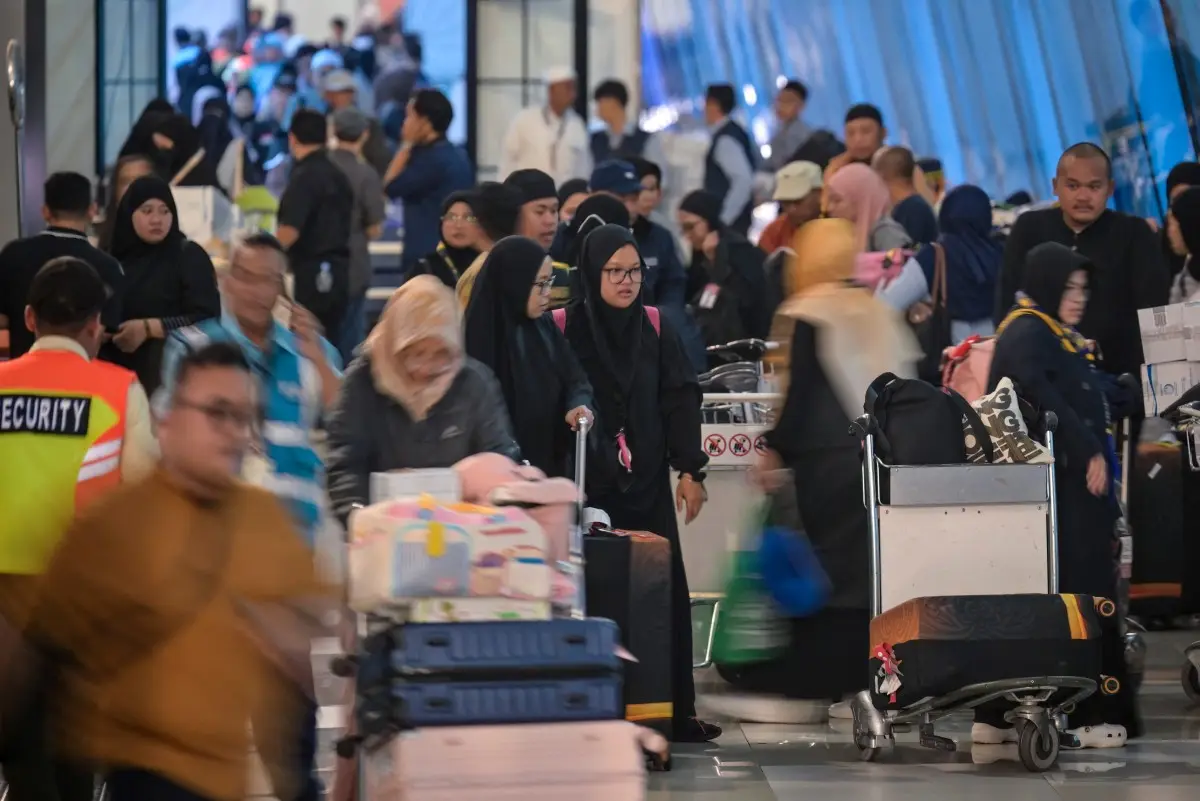
Among Gulf states,the United Arab Emirates has openly said that it does not seek escalation but will “take all necessary measures” to protect its security. Regional sources, quoted by Reuters stressed unilateral action is unlikely, with collective intervention seen as the only viable option to avoid retaliation. The Gulf Cooperation Council remains divided, having held just one virtual meeting with no broader summit. Analysts say Gulf states face a dilemma, balancing Iranian threats with the risks of joining a US-led war, while Tehran continues to exert leverage over the Strait of Hormuz.
Hormuz crisis and strategic calculations
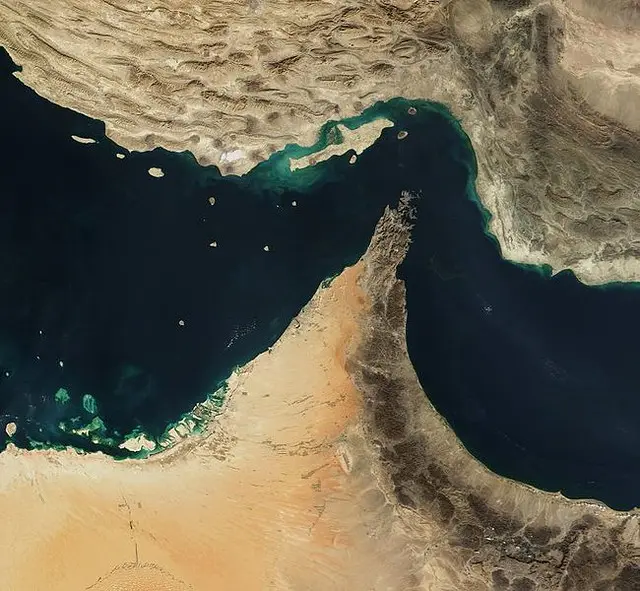
The shift is closely tied to the deepening crisis in the Strait of Hormuz, a critical route for roughly a fifth of global oil supplies. Since the war began in late February, Iran has effectively disrupted shipping through the corridor, triggering economic shockwaves and rerouting of cargo across the region. Gulf economies, heavily reliant on stable energy exports and imports, are increasingly vulnerable, pushing them towards supporting stronger US action to restore security.

Inaction Now the Greater Risk
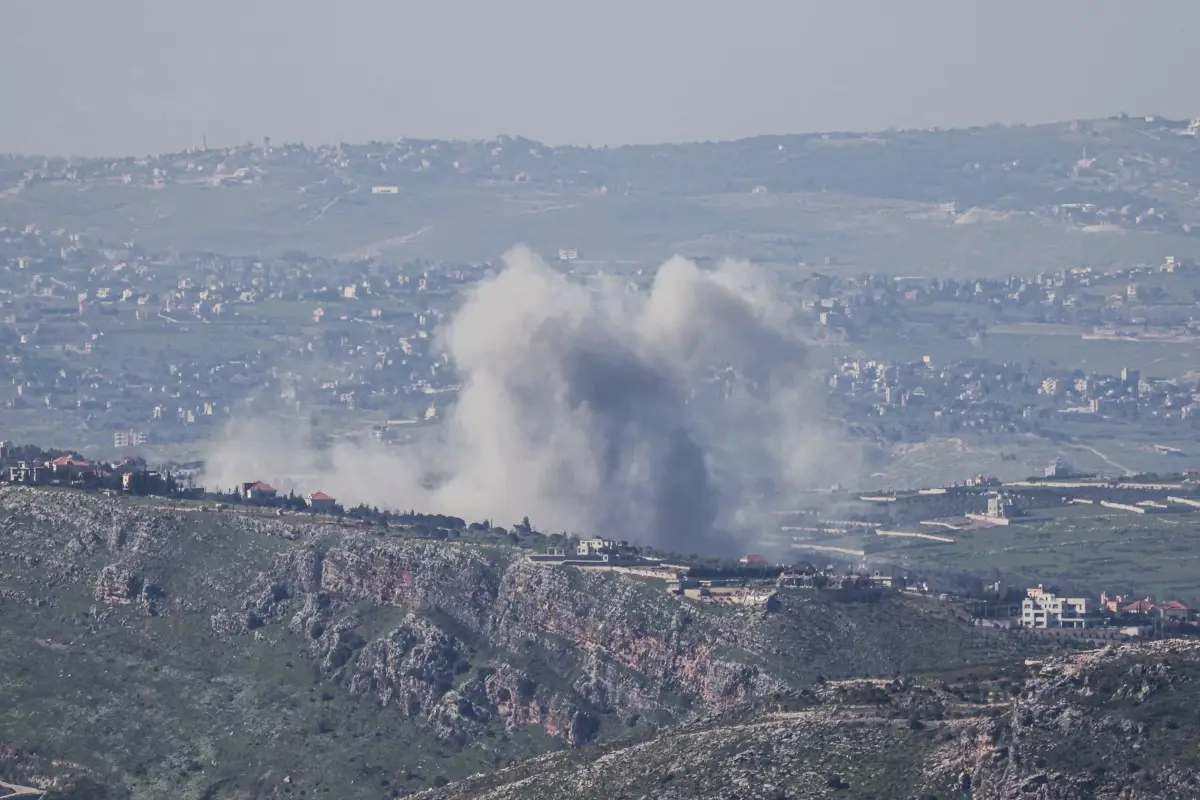
For Gulf leaders, inaction is increasingly seen as the greater danger. Iran’s attacks this month have gone beyond immediate physical damage, disrupting oil flows and exposing vulnerabilities across the region’s economic model. Energy infrastructure strikes and shipping disruptions have shaken confidence in stability, a cornerstone of Gulf economies. Beyond oil, the impact is reputational. Gulf states have spent years positioning themselves as secure hubs for global trade, investment and tourism. That image is now under strain, with conflict threatening sectors far beyond energy and raising concerns over long-term economic diversification efforts.
Fear of a Permanently Armed Iran
The attacks have also deepened Gulf fears that leaving Iran with significant offensive capabilities could allow it to threaten the region’s energy lifeline during future crises. As the war entered its third week, with US–Israeli strikes intensifying and Iran targeting bases and civilian sites, a regional source said the message among leaders was clear: Donald Trump should “comprehensively degrade” Iran’s military capacity. The alternative, the source warned, is living under constant threat.
(Disclaimer: WION takes utmost care to accurately and responsibly report ongoing conflicts in West Asia involving Israel, Iran, US, Gulf nations and non-state actors like Hezbollah, Hamas, Houthis, Islamic State, and others. Claims and counterclaims, disinformation and misinformation are being made online and offline. Given this context, WION cannot independently verify the authenticity of all statements, social media posts, photos and videos.)
)
)
)
)
)