Why the F-35 internal weapons bays open so quickly

The F-35 stealth fighter opens its internal weapons bays for under two seconds during combat. Rapid pneumatic ejectors and fast-acting doors prevent enemy radar from detecting the aircraft.
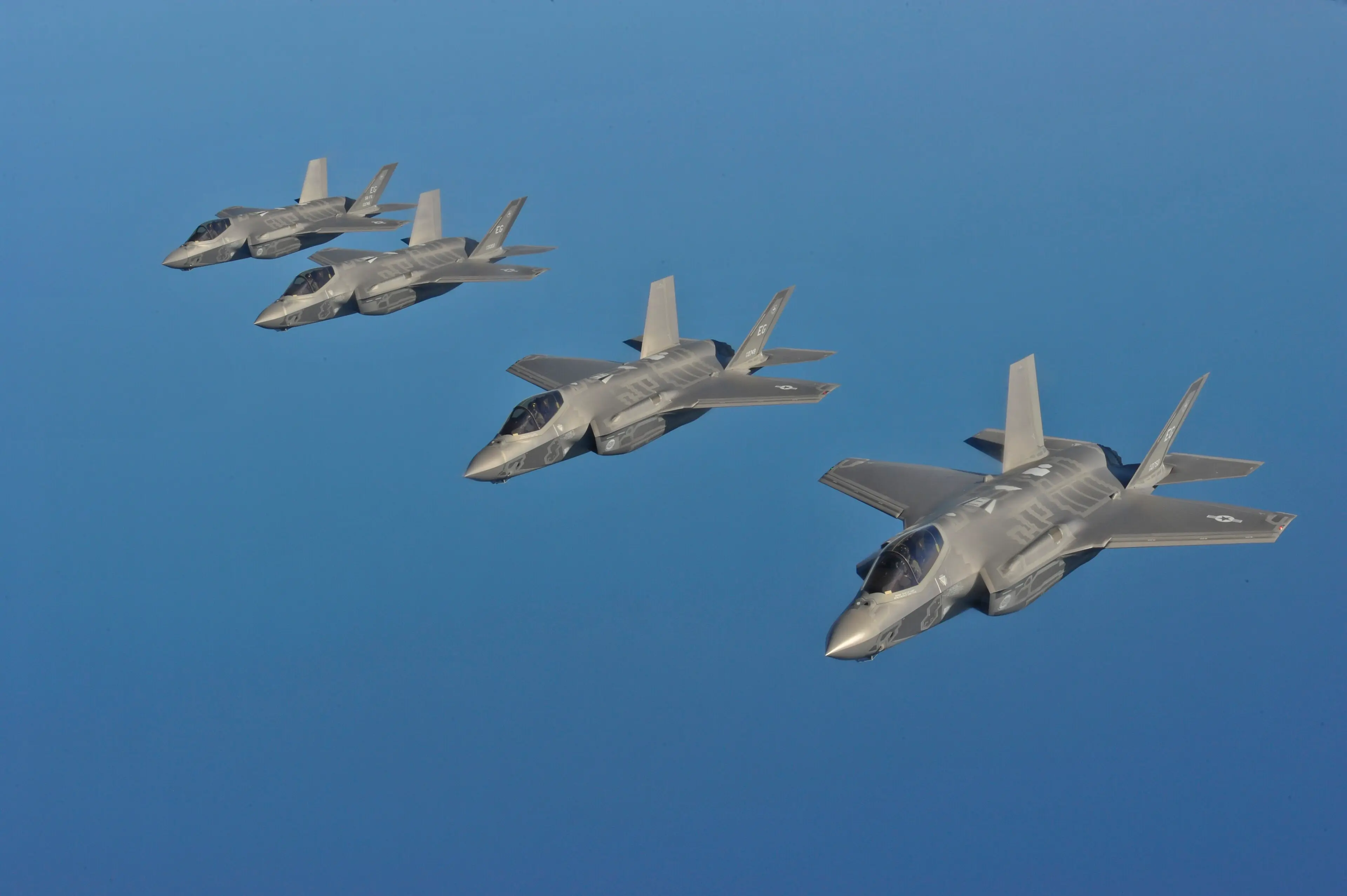
Under 2 seconds exposure
The F-35 Lightning II relies on a smooth shape to evade radar detection. Opening the internal doors breaks this profile and creates a sudden radar return. To minimise this risk, the doors open, release the payload, and close in under two seconds.
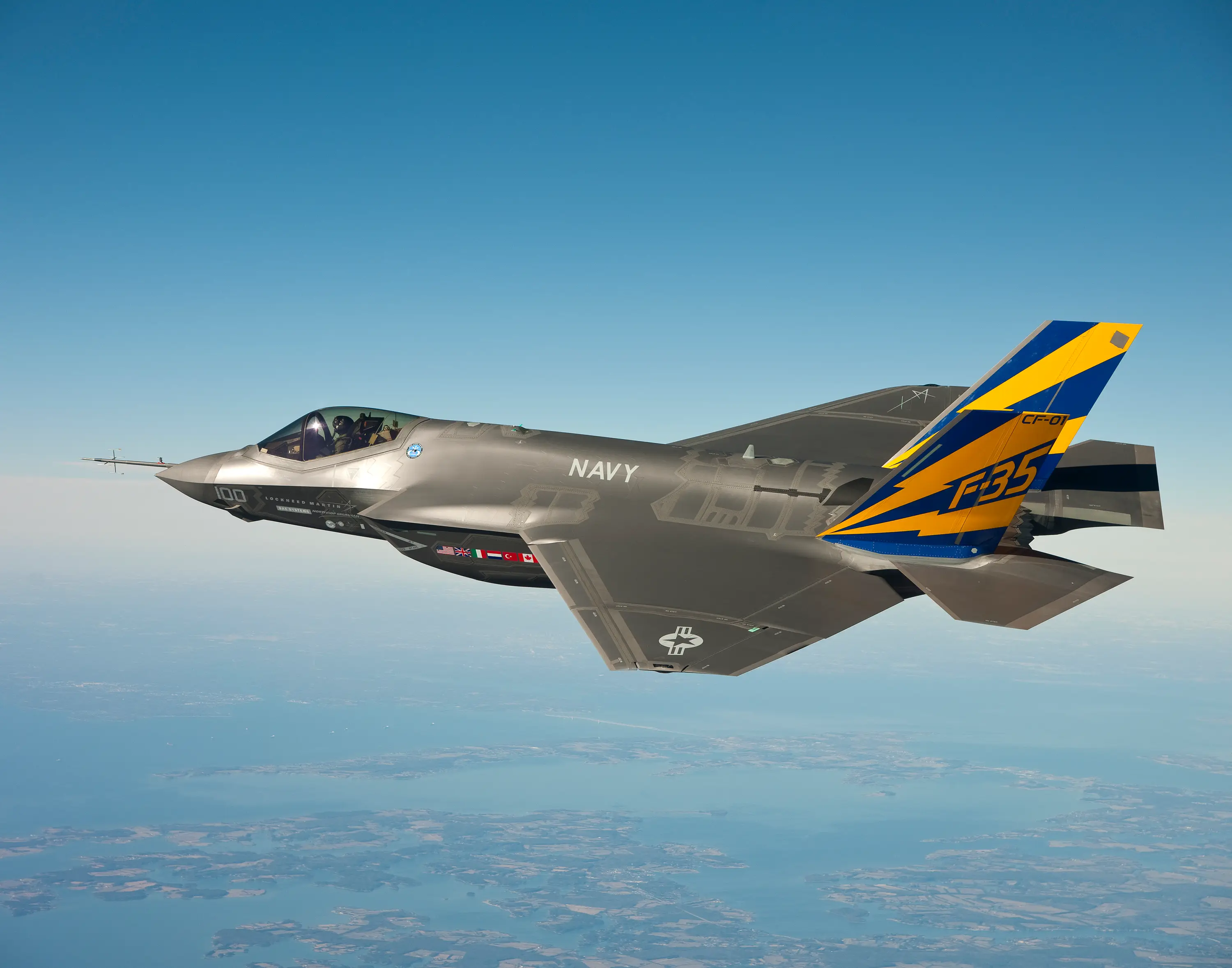
0.0015 sq metre radar
When closed, the fighter has a radar cross-section roughly equivalent to a golf ball. Leaving the bay doors open exposes the uneven interior to enemy tracking systems. The rapid hydraulic closing mechanism preserves this tiny radar signature during aerial combat.
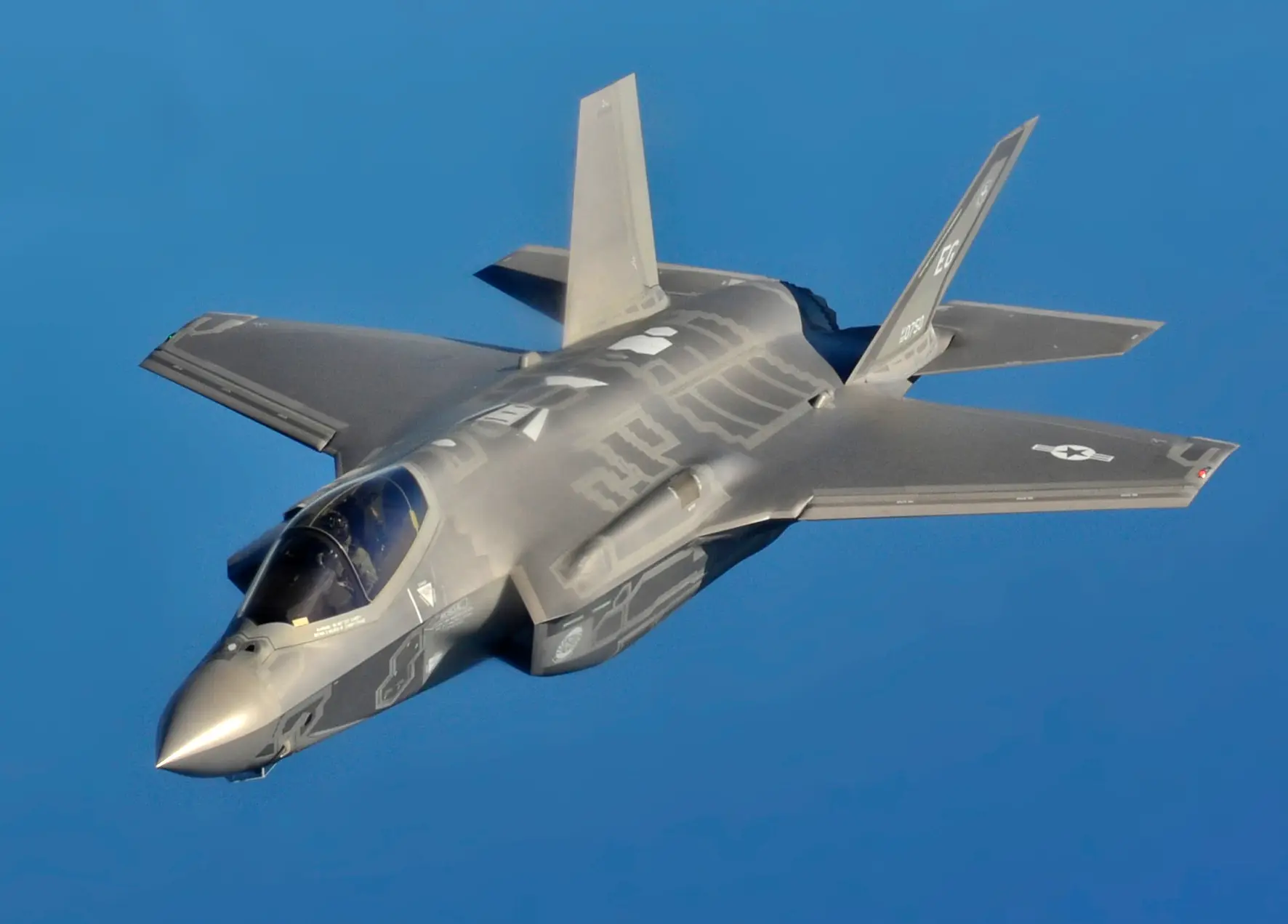
25 feet per second
Gravity alone is too slow to drop weapons safely during rapid flight maneuvers. The jet uses a pneumatic ejector to forcefully push the missile out at roughly 25 feet per second. This clears the weapon instantly, allowing the doors to snap shut immediately.
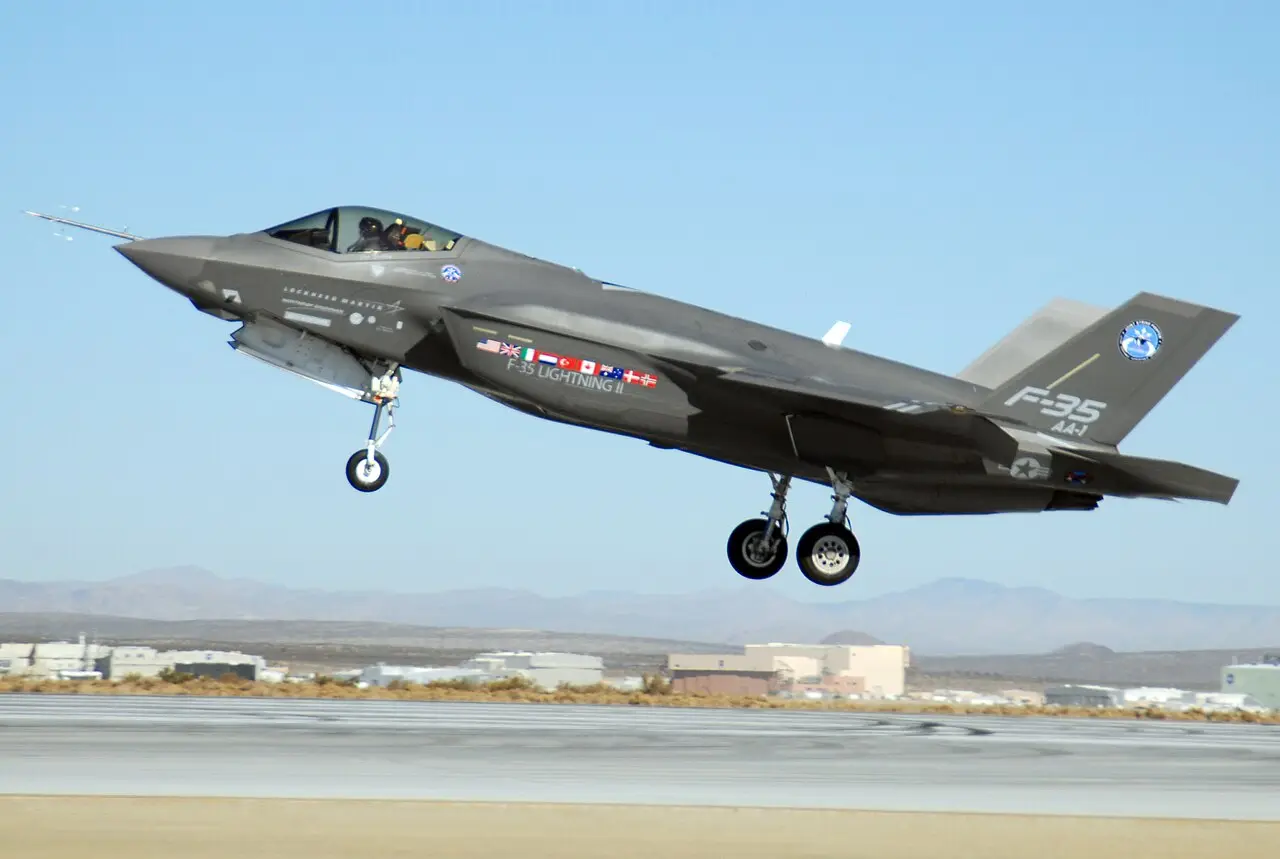
Mach 1.6 launch speeds
The fighter can launch internal weapons while flying at supersonic speeds. At these velocities, complex air pressure can trap a dropping missile inside the bay. High-speed doors and powerful ejectors drive the weapon through this turbulent air safely.
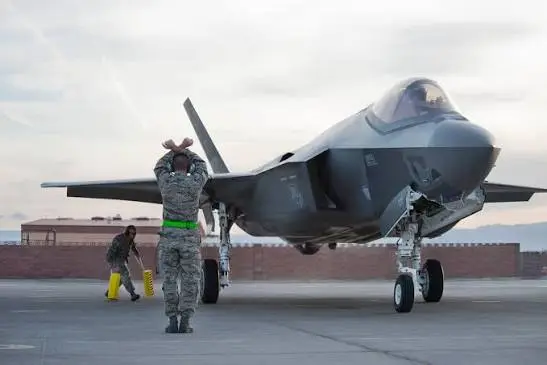
2 internal weapons bays
The jet features two enclosed bays to carry its primary strike payload. Storing weapons internally reduces aerodynamic drag and increases overall fuel efficiency. The fast-acting hinges on these bays are built to withstand extreme stress during tight manoeuvres.
)
)
)
)
)