Why the F-35 fighter jet is considered key to future swarm-drone battles

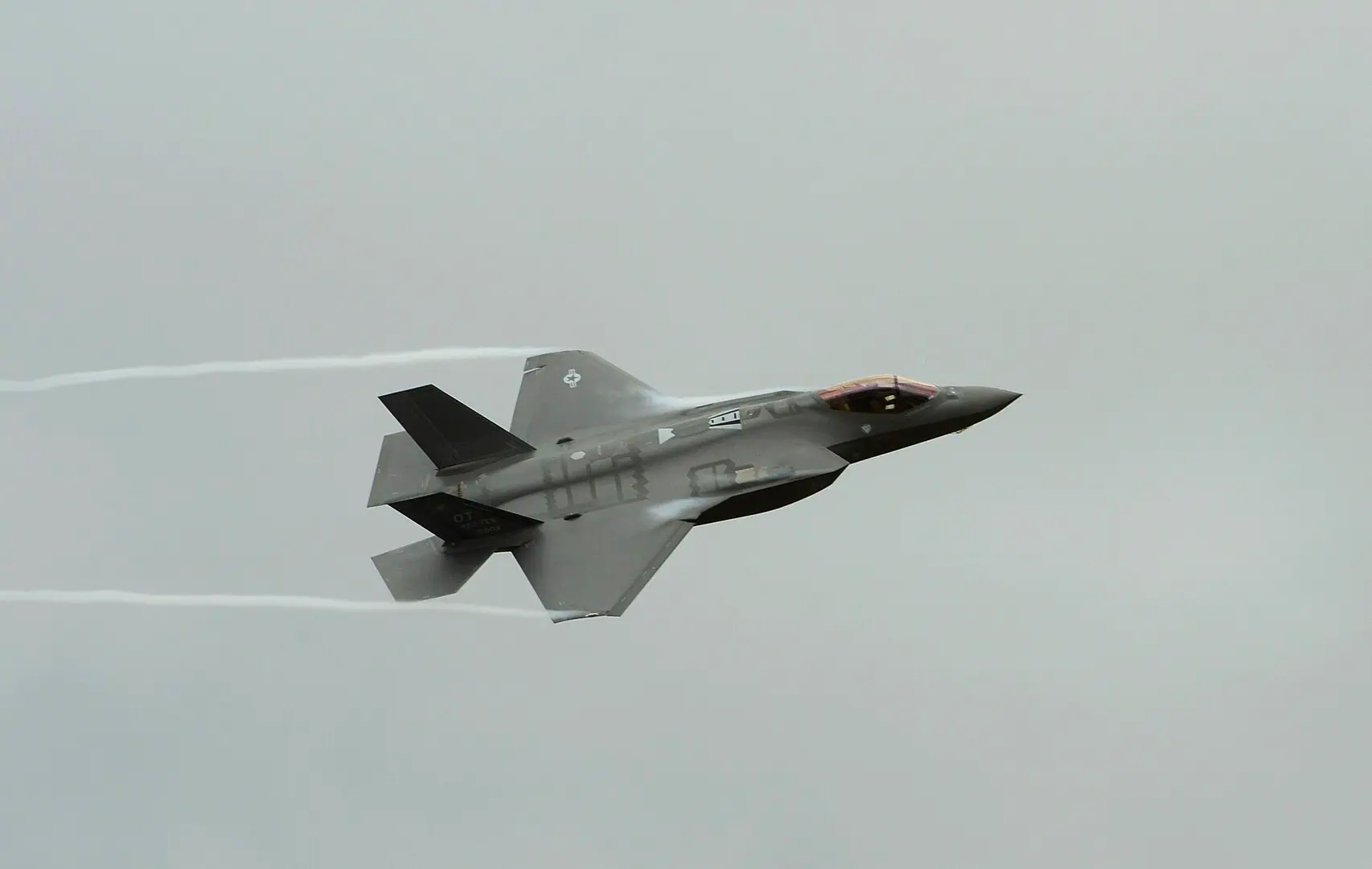
The F-35 has been transformed into an airborne “quarterback”. In recent tests, pilots used AI, sensor fusion and secure datalinks to command autonomous drone wingmen in real time. The shift marks a major leap towards network-centric, manned-unmanned warfare.
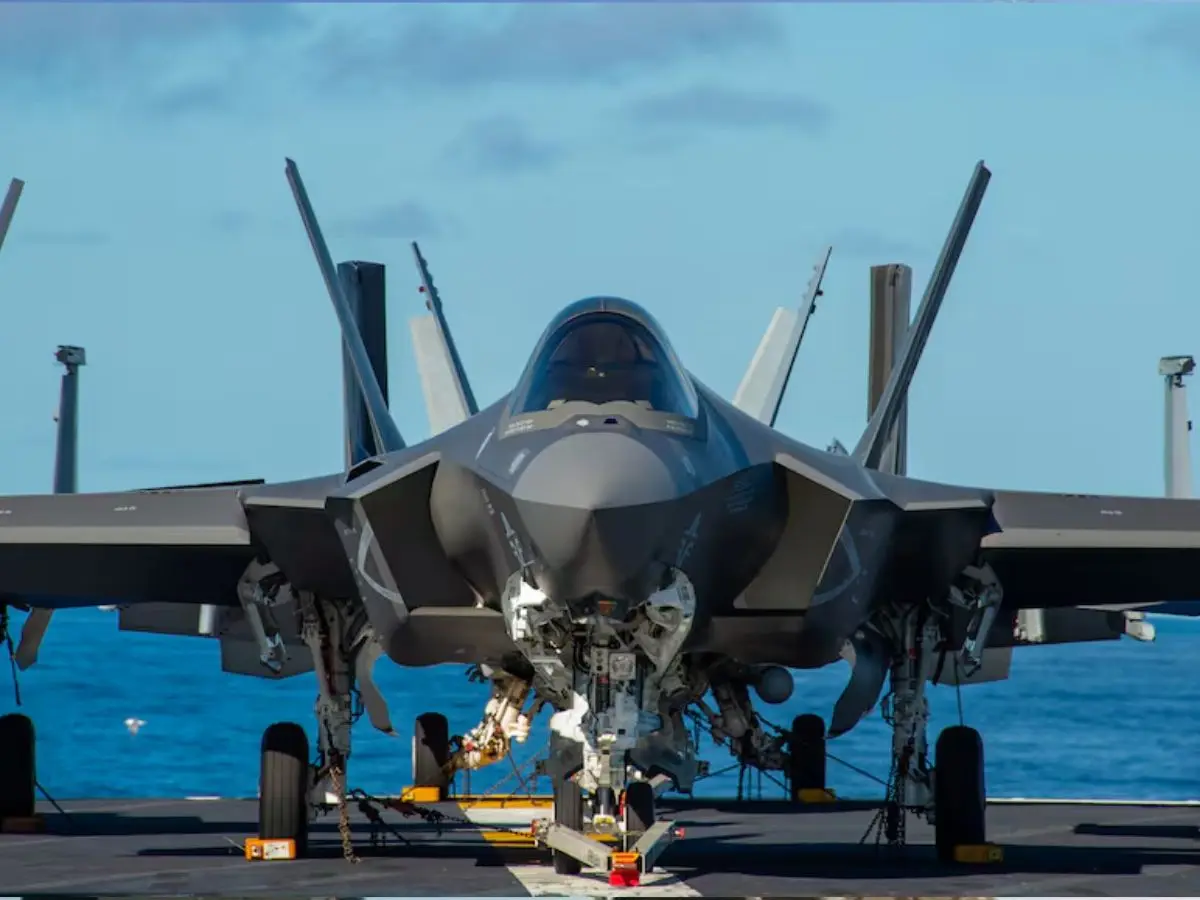
F-35 as Airborne Quarterback - Historic AI-Enabled Drone Control Test
Lockheed Martin demonstrated F-35 controlling autonomous drones mid-flight during November 2025 tests representing historic achievement in manned-unmanned teaming technology. The F-35 pilot commanded uncrewed aerial systems from the aircraft cockpit using artificial intelligence-enabled control systems enabling real-time drone coordination. This capability transforms the F-35 from single-aircraft platform into force multiplier commanding multiple drone wingmen simultaneously.
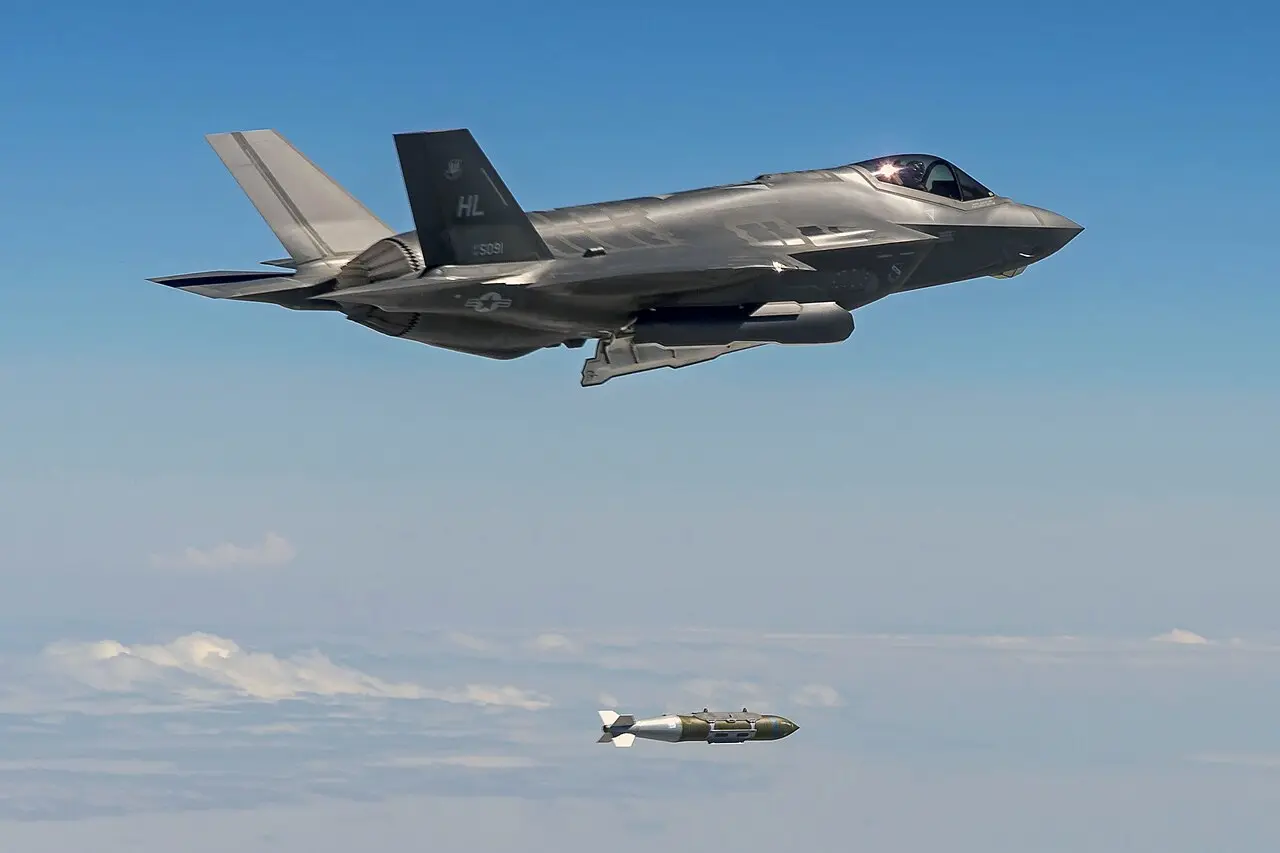
Sensor Fusion Technology - Unified Battlefield Intelligence
F-35 sensor fusion combines radar, electro-optical, infrared, and electronic warfare sensors into single integrated display providing pilot with comprehensive real-time awareness. The AN/APG-81 AESA phased-array radar, EOTS electro-optical targeting system, and DAS infrared sensor distribute across airframe generating 360-degree sensor coverage. Fusion algorithms process massive data volumes reducing decision timelines enabling rapid command-and-control decisions for drone swarms.
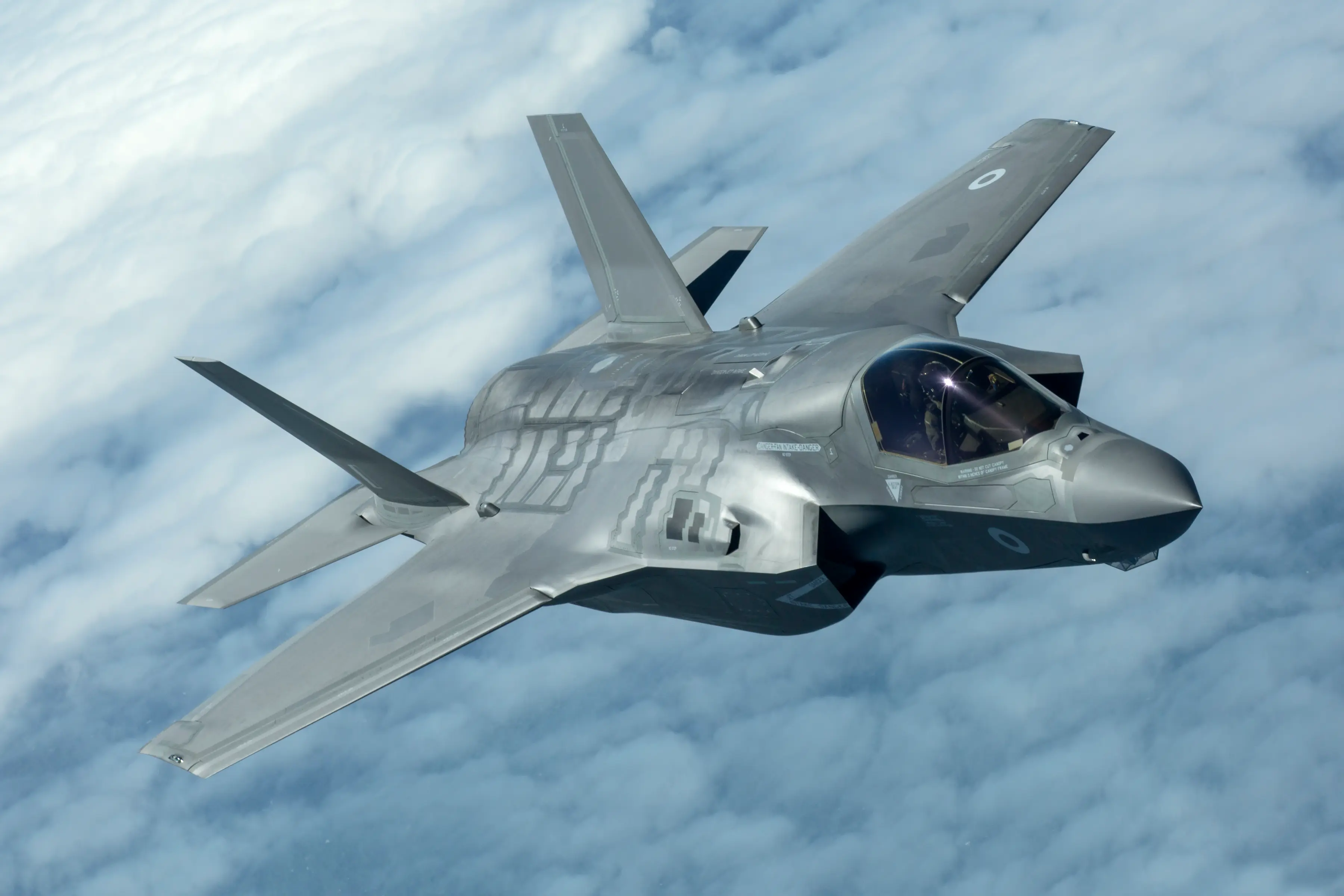
Link 16 and MADL Datalinks - Real-Time Network Connectivity
F-35 Link 16 and MADL datalinks enable high-bandwidth communication with drone swarms sharing targeting intelligence, threat detection, and maneuvering commands instantaneously. MADL multi-function advanced datalink provides encrypted low-latency communication preventing electronic warfare jamming. Link 16 tactical data link integrates with ground forces, naval vessels, and air defence systems creating unified battlespace network.
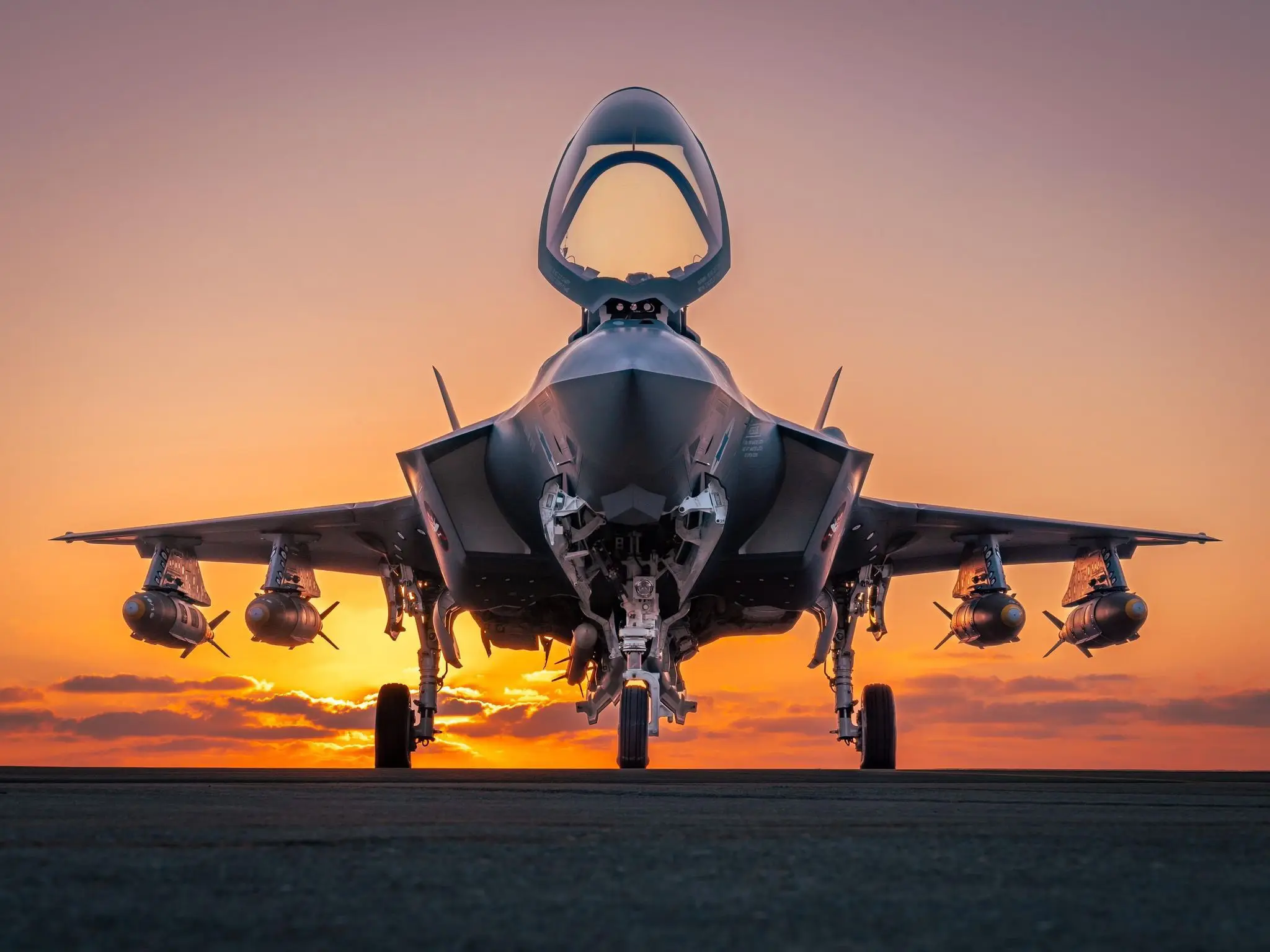
AI-Powered Decision Support - Pattern Recognition and Prediction
Artificial intelligence decision-support systems analyse sensor data identifying threat patterns predicting missile positions and coordinating drone swarm responses automatically. Machine learning algorithms process historical attack patterns improving threat detection accuracy. Image processing and pattern recognition enable pilots to transmit specific threat alerts reducing bandwidth consumption from full video feeds.
Collaborative Combat Aircraft Integration - Autonomous Wingmen Command
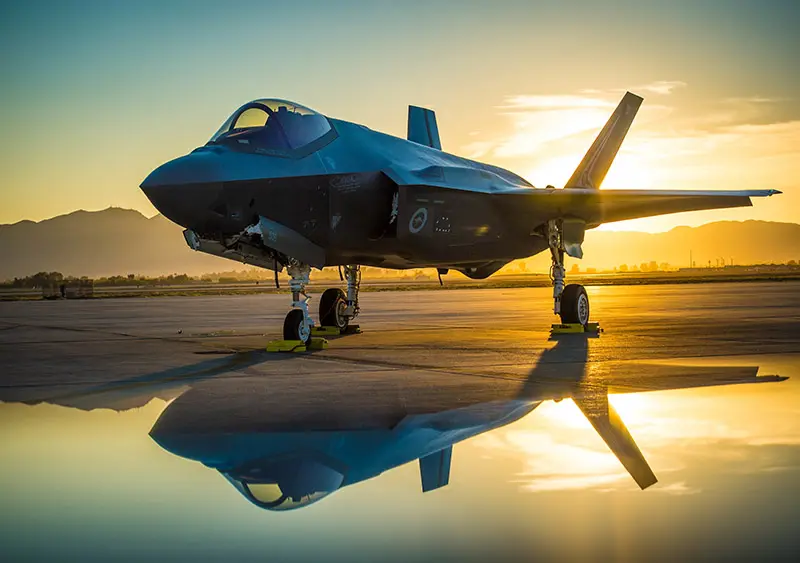
F-35 commands future Collaborative Combat Aircraft autonomous wingmen drones executing complex tactics without detailed real-time pilot input. Tablet-like touchscreen interface enables single pilot controlling multiple advanced drones simultaneously. CCA drones perform surveillance, strike, and electronic warfare missions coordinated by F-35 pilot quarterback directing overall tactical execution.
Touchscreen Control Interface - Simplified Multi-Drone Management
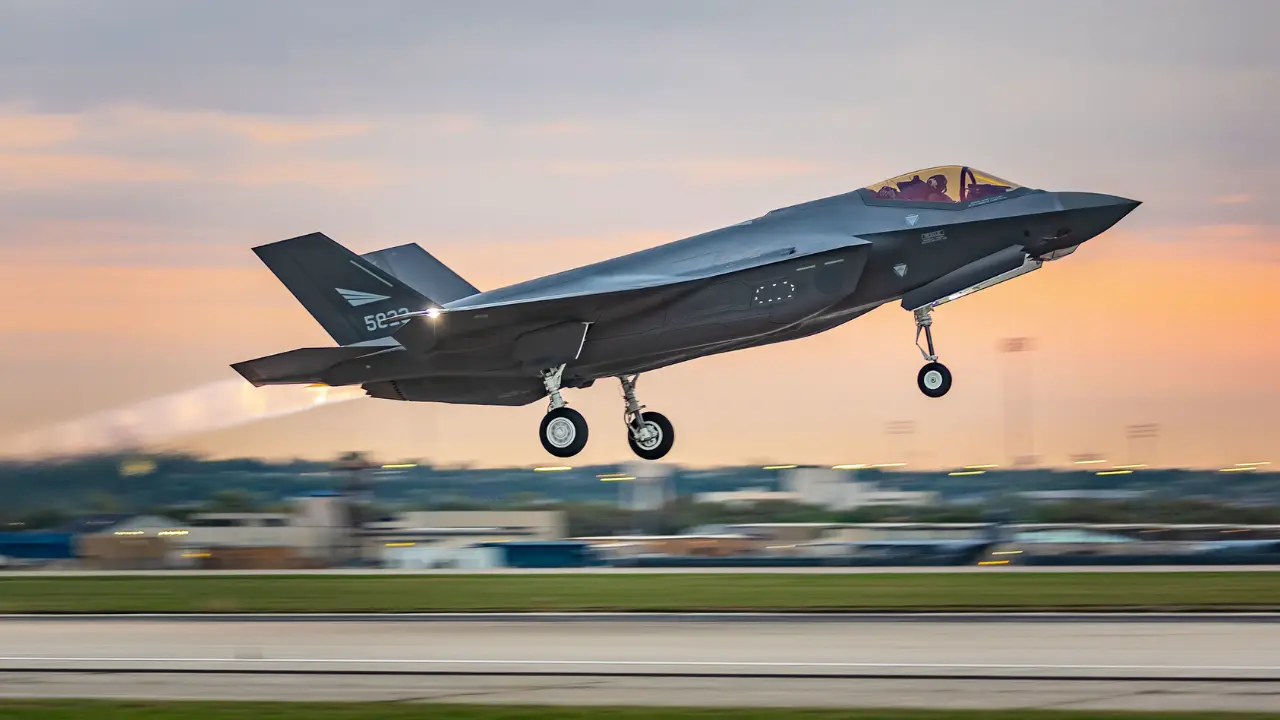
Lockheed Martin developed tablet-like touchscreen interface enabling F-35 and F-22 pilots managing multiple unmanned aircraft simultaneously from cockpit. Intuitive interface design reduces pilot cognitive workload enabling focus on higher-priority combat objectives. Gesture-based controls enable rapid command execution during dynamic combat operations.
Command-and-Control Philosophy - Human-on-the-Loop Authority Retention
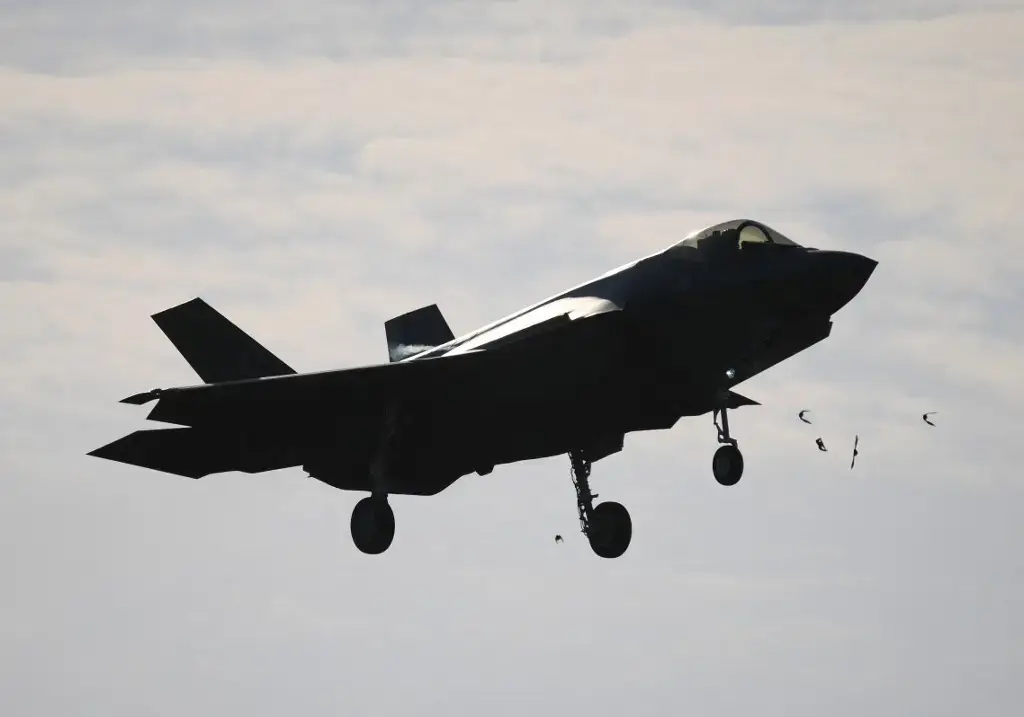
F-35 pilots retain meaningful human control over drone swarms maintaining authority for engagement decisions whilst delegating tactical execution to autonomous systems. Air Force Chief Scientist stated humans control command and control whilst drones execute functions with resource allocation remaining human domain. This human-on-the-loop architecture balances autonomy with accountability.
Networked Warfare Architecture
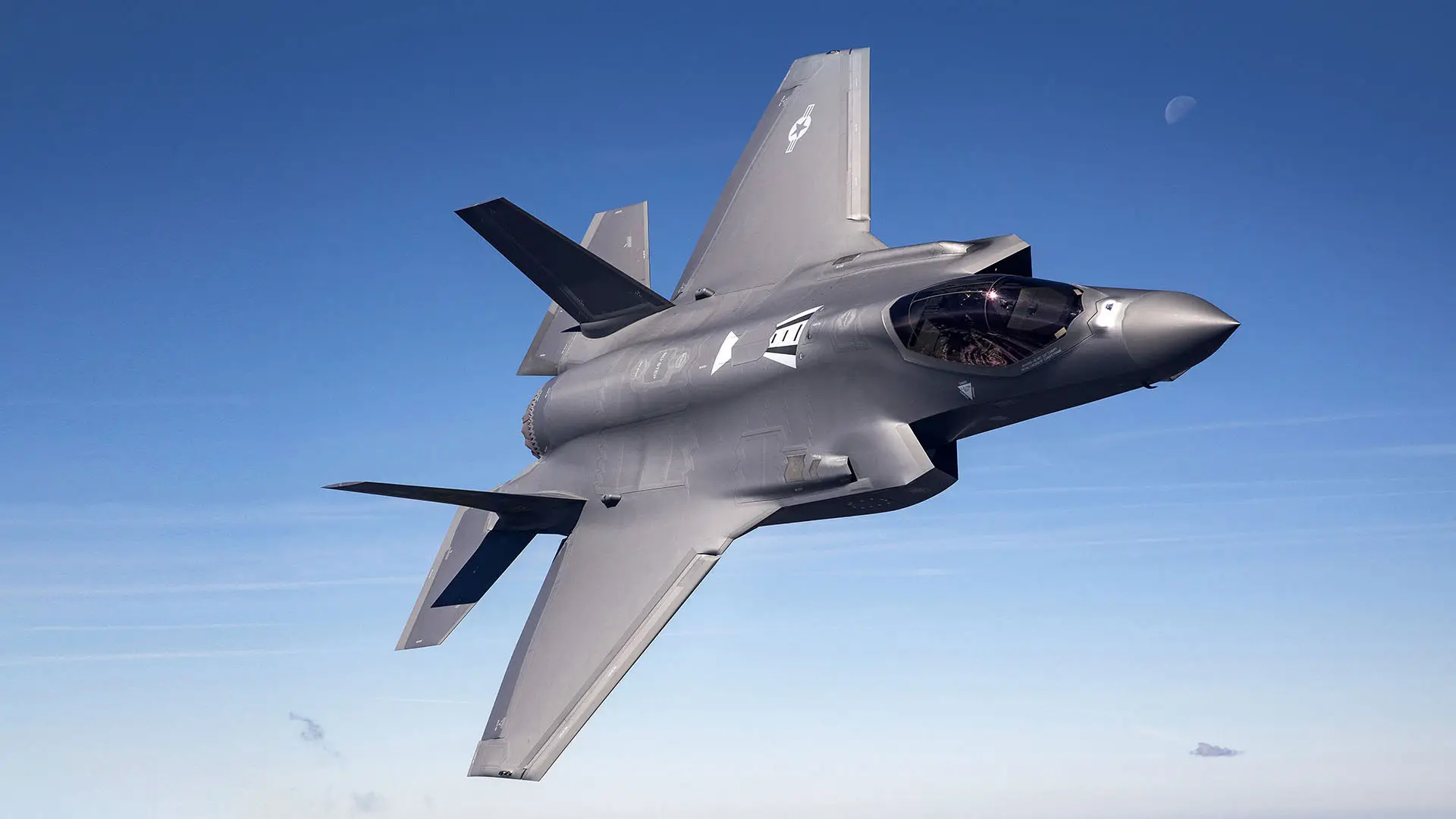
F-35 operates as central node in Joint All-Domain Operations battlespace connecting airborne, maritime, space, ground, and cyber assets through unified network. Sensor-to-shooter connectivity enables rapid targeting cycles where ground units detect threats and F-35 directs drone swarm employment. Multi-platform coordination improves targeting accuracy and reduces civilian casualty risk.
Large-Scale Drone Swarm Coordination
Emerging software enables soldiers controlling up to 100 uncrewed aircraft systems simultaneously through advanced coordination algorithms. Swarm coordination mechanisms distribute command authority preventing single-point-of-failure through decentralised decision-making. F-35 quarterback role prioritises high-value targeting directing swarm resources toward critical objectives.
Future Air Dominance
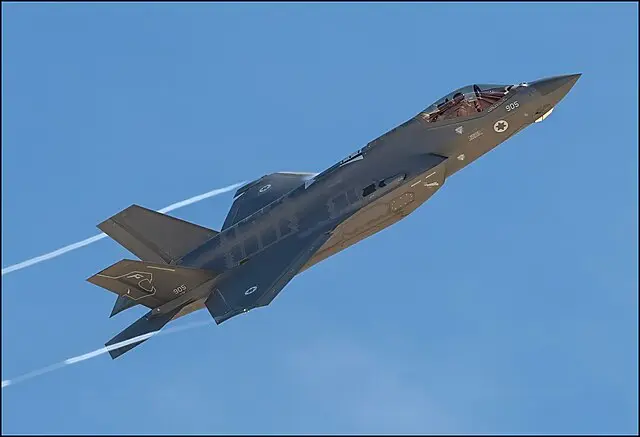
F-35 networked capabilities redefine air warfare through sensor fusion, real-time intelligence sharing, and autonomous drone coordination creating unprecedented battlefield dominance. Fifth-generation platforms like F-35 and F-22 enable commanders achieving air superiority through information dominance rather than individual aircraft superiority. Future warfare increasingly depends upon network-centric capabilities rather than single-platform performance.
)
)
)
)
)