Why the F-22's tyres wear out so quickly

F-22 Raptor tyres wear out rapidly due to 150 mph landing speeds, a 60,000-pound landing weight, and extreme 320 PSI inflation. These tyres often require replacement after 30 to 50 landings.
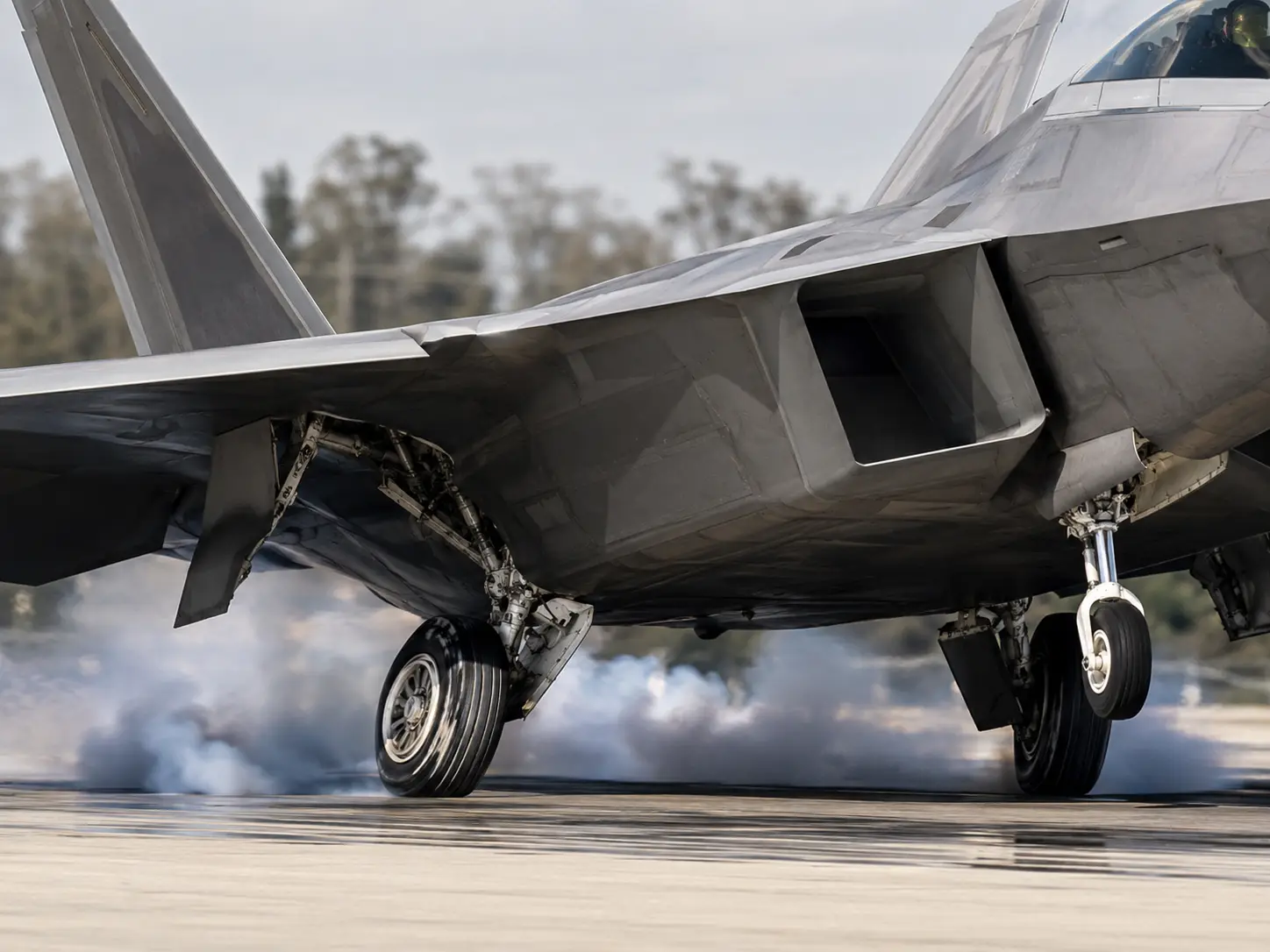
150 MPH Touchdown Speeds
The F-22 Raptor lands at high approach speeds that frequently exceed 150 mph. When the stationary tyres hit the runway, rapid acceleration causes immediate skidding. This immense friction burns the rubber instantly, drastically shortening the tyre's operational lifespan.
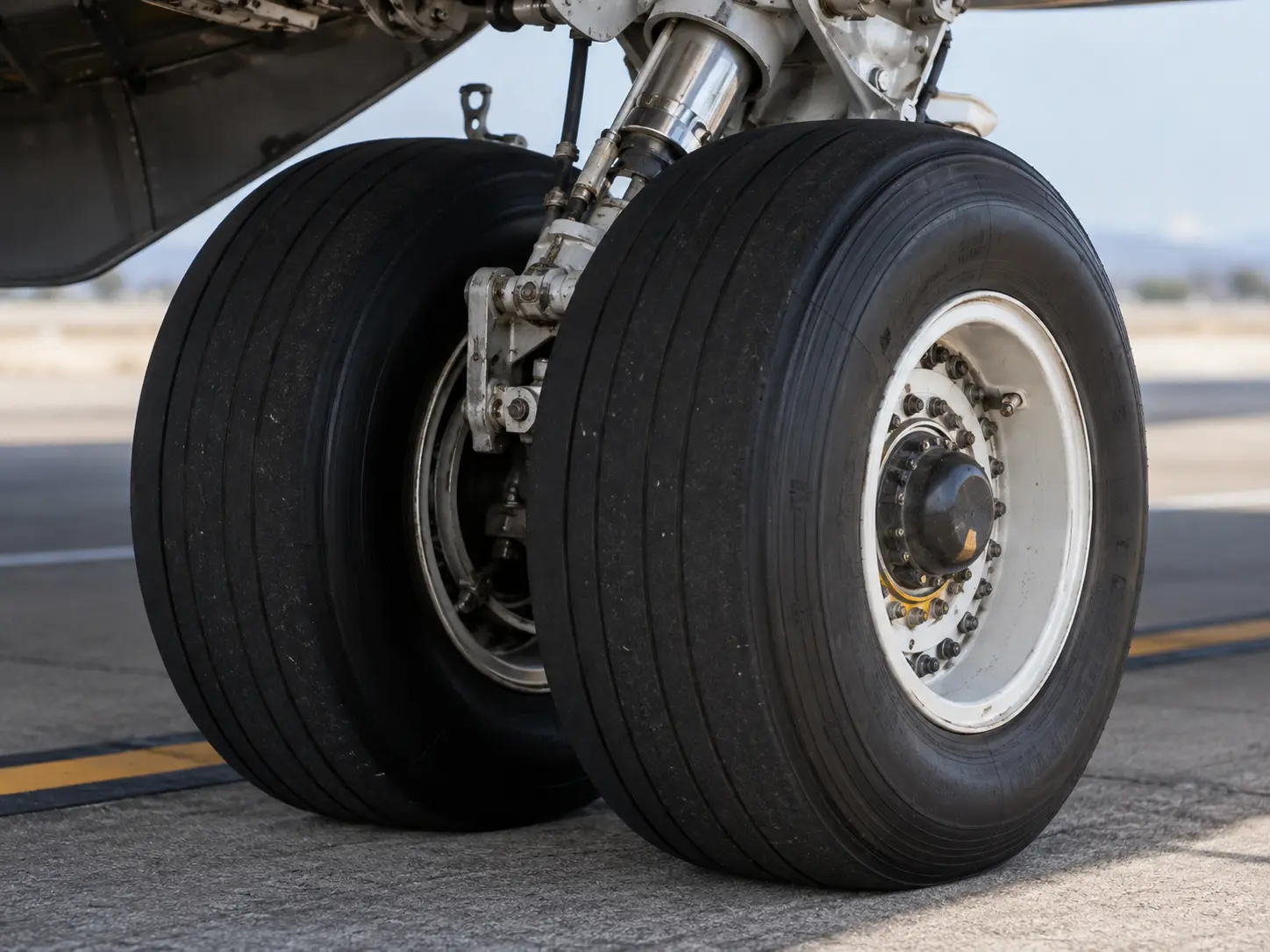
60,000 Pounds Of Weight
While its maximum takeoff weight is heavier, the F-22 often lands weighing roughly 60,000 pounds. This massive load is completely distributed across a very small surface footprint. Such highly concentrated downward pressure accelerates tread degradation during every single touchdown.
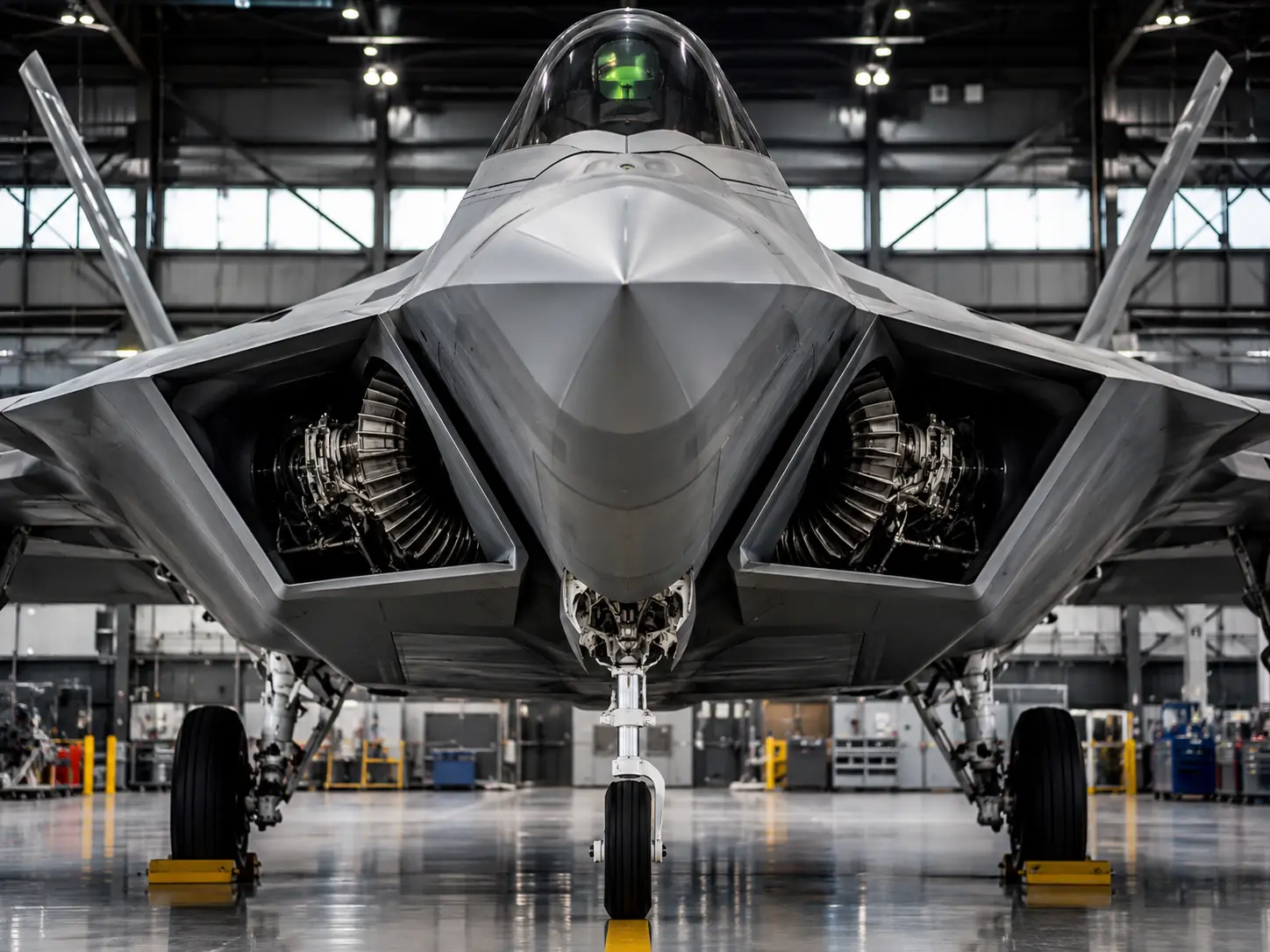
Just 3 Small Wheels
To maintain a strict low radar signature, the Raptor must hide its landing gear inside tight internal bays. The aircraft relies on just three relatively small wheels to support its entire frame. These smaller tyres simply possess less rubber volume to absorb severe landing stresses.
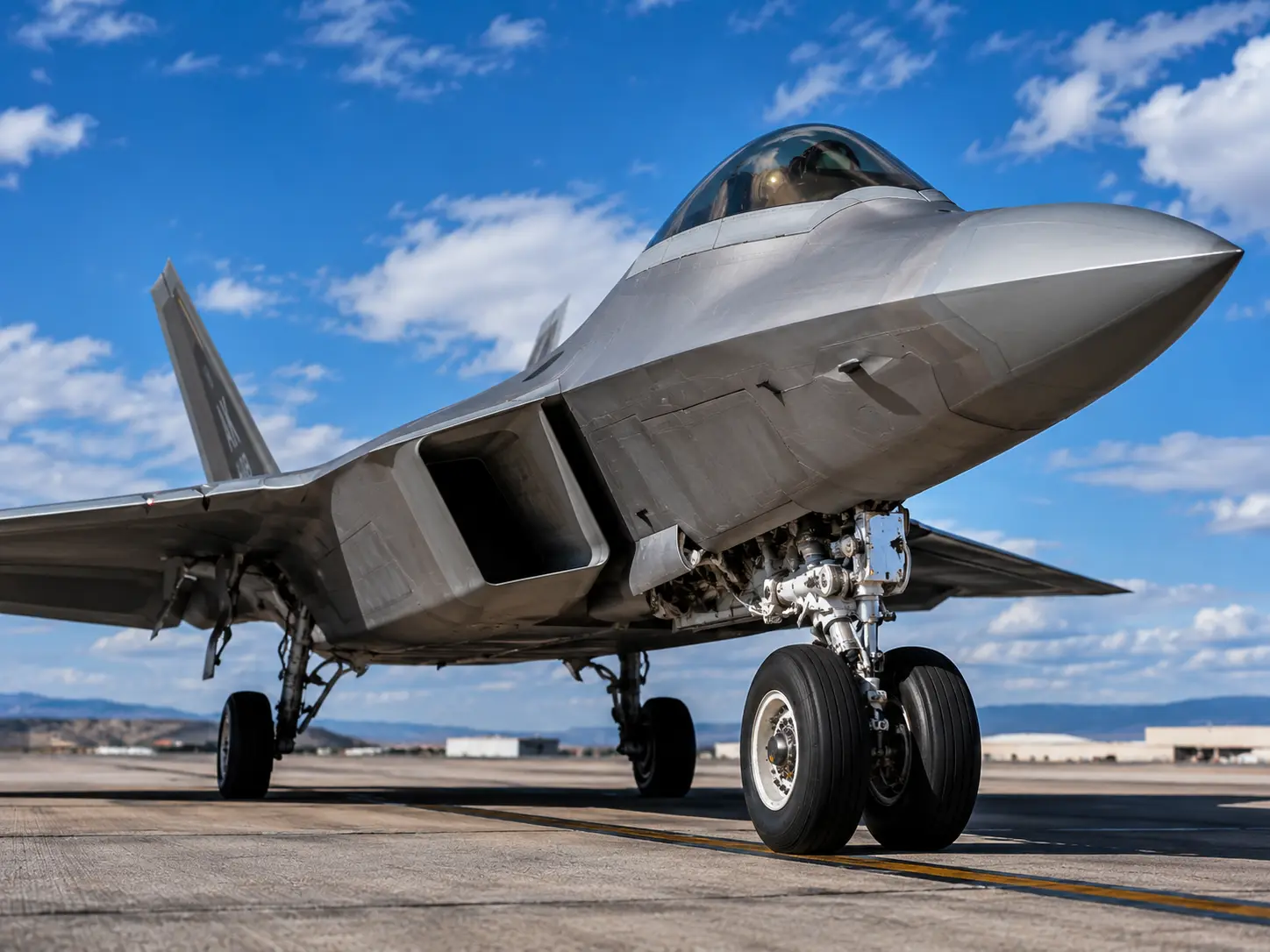
Extreme 320 PSI Pressure
To support the jet's immense weight on such compact wheels, the tyres are inflated with nitrogen to roughly 320 PSI. This is significantly higher than standard commercial aircraft tyres. This required structural rigidity increases the tread wear against abrasive runway surfaces.
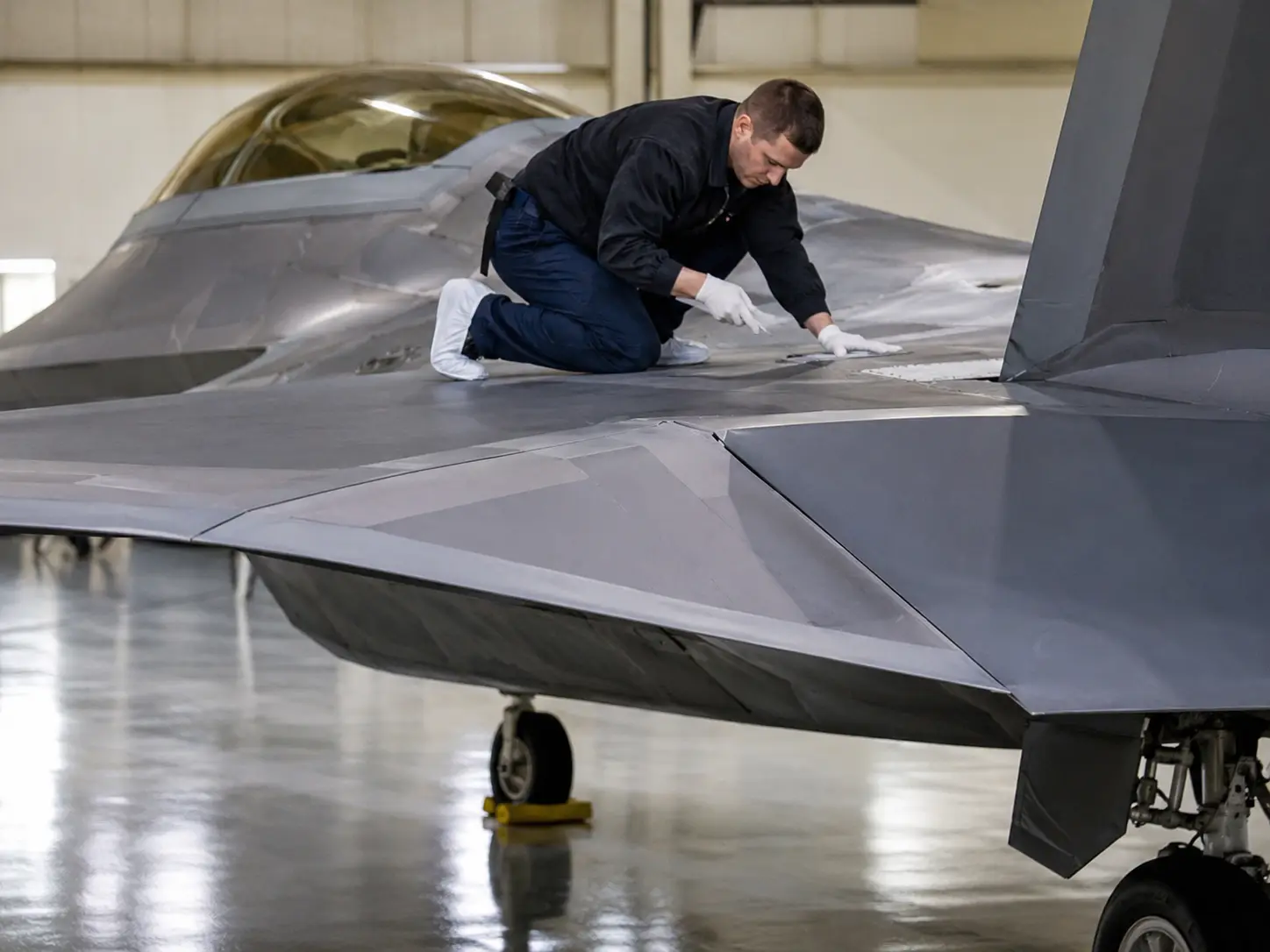
30 To 50 Landings
Because of these extreme operational demands, fighter jet tyres wear out much faster than heavy airliner equivalents. While passenger jets routinely complete hundreds of runway cycles, F-22 tyres frequently require complete replacement after just 30 to 50 landings to ensure maximum safety.
)
)
)
)
)