• Wion
  • /Photos
  • /Why the F-22's engine blades are deeply hidden inside the aircraft body

Why the F-22's engine blades are deeply hidden inside the aircraft body

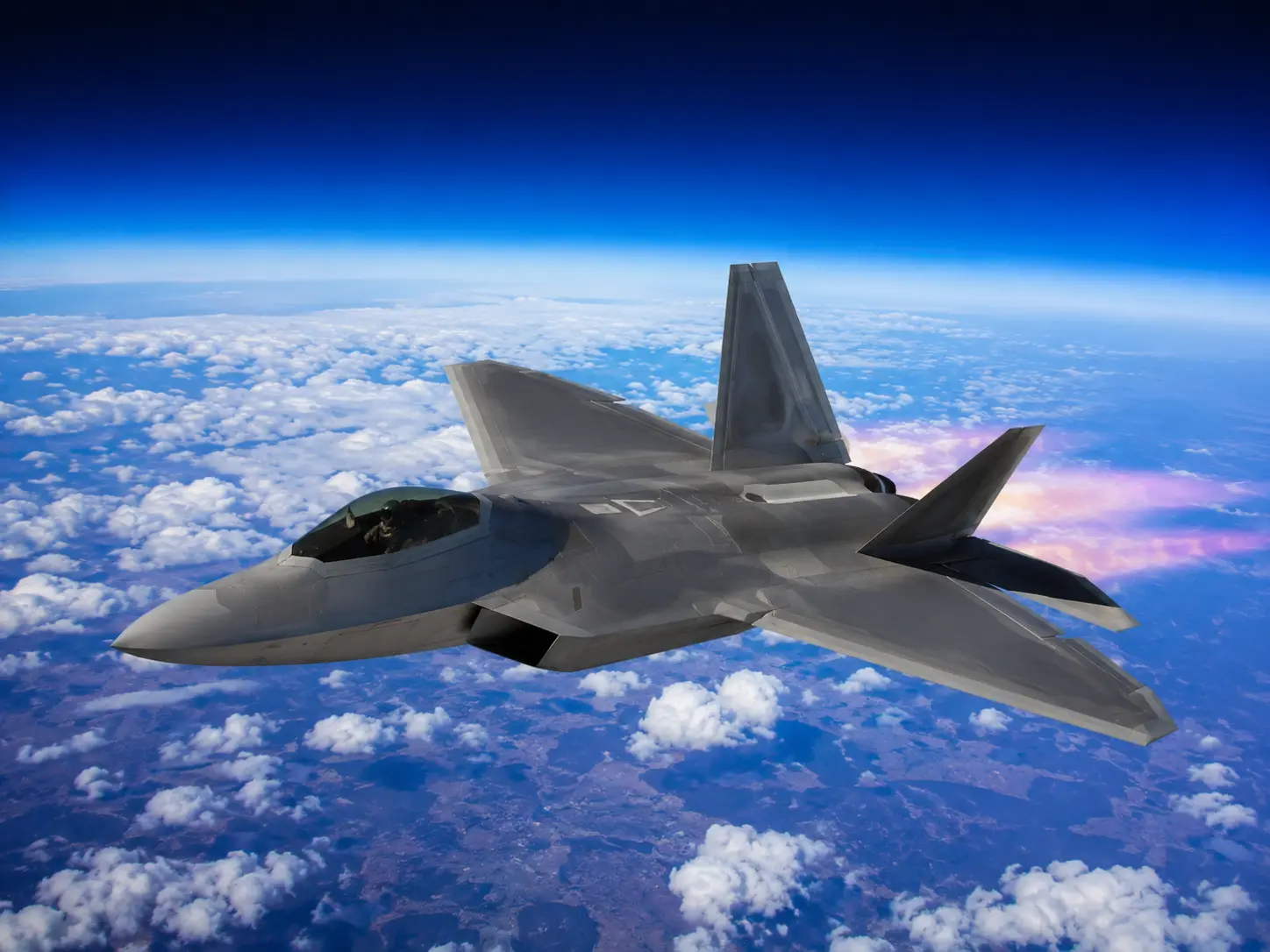
The F-22 Raptor hides its engine compressor blades deep inside curved S-ducts to stop radar waves from hitting them. This prevents direct reflections, traps signals, and lowers heat emissions for maximum stealth.


Eliminating Direct Radar Returns
1 / 5
(Photograph: AI generated)

Eliminating Direct Radar Returns

A fighter jet's exposed engine compressor blades act as large reflectors for incoming radar signals. By burying these rapidly rotating metal blades deep within the aircraft fuselage, the F-22 Raptor removes a direct line of sight. This fundamental design prevents enemy air defence systems from easily tracking the aircraft.

S-Ducts Trap Radar Waves
2 / 5
(Photograph: AI generated)

S-Ducts Trap Radar Waves

To route air to the hidden engines without exposing them, engineers designed curved structures known as S-ducts. When radar waves enter these curved intakes, they bounce multiple times against the internal walls instead of striking the engine face. This geometric shape successfully traps the electromagnetic energy inside the jet.

RAM Coatings Absorb Signals
3 / 5
(Photograph: AI generated)

RAM Coatings Absorb Signals

Deflecting radar waves inside the S-duct is not enough; the energy must be neutralised before it escapes. The internal walls of the F-22's ducts are lined with specialised radar-absorbent materials. These advanced coatings convert the bouncing electromagnetic radar waves into minor heat, successfully destroying the tracking signal.

Masking Infrared Emissions
4 / 5
(Photograph: AI generated)

Masking Infrared Emissions

Jet engines generate immense heat, making exposed turbine blades a clear target for heat-seeking missiles. Burying the engines deep inside the fuselage masks the intense thermal signature of the internal components. This strategic internal placement protects the aircraft from advanced air-to-air infrared sensors.

A 0.0001 Square Metre Profile
5 / 5
(Photograph: AI generated)

A 0.0001 Square Metre Profile

Because the highly reflective engine faces remain completely hidden, the F-22 Raptor achieves a very small radar cross section. The aircraft reflects only about 0.0001 to 0.001 square metres of electromagnetic energy back to receivers. On enemy radar screens, this large fighter jet appears roughly the size of a small marble.