Why the F-22 remains one of the world's most feared fighter jets

The F-22 Raptor combines a minuscule radar profile, Mach 1.8 supercruise, and a strict US export ban to maintain its status as the premier air superiority fighter.
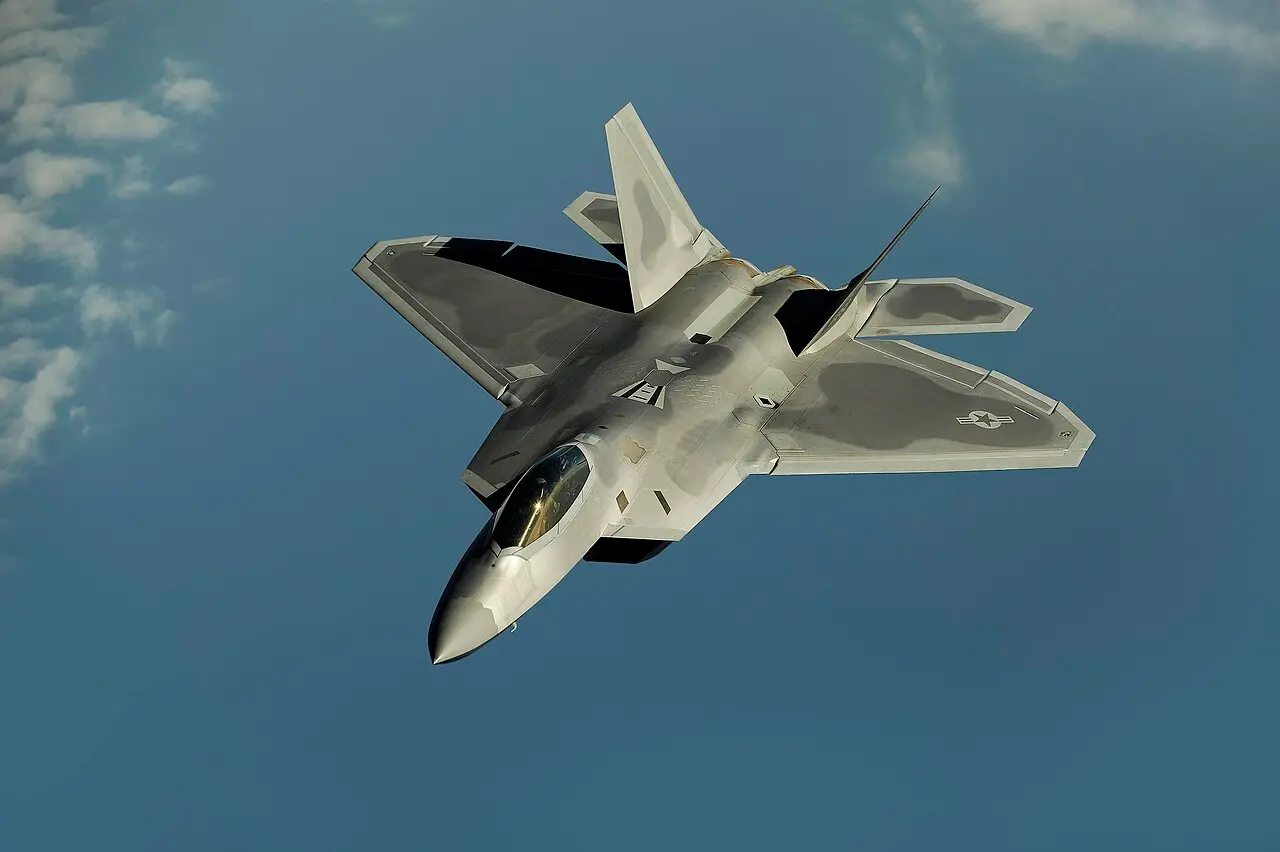
0.0001 Metre Radar Profile
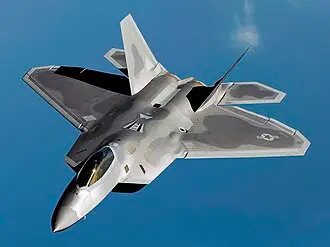
The F-22 Raptor features a radar cross-section often compared to the size of a small marble. This extreme stealth engineering allows the aircraft to penetrate advanced enemy air defence networks completely undetected, tracking targets long before it is spotted.
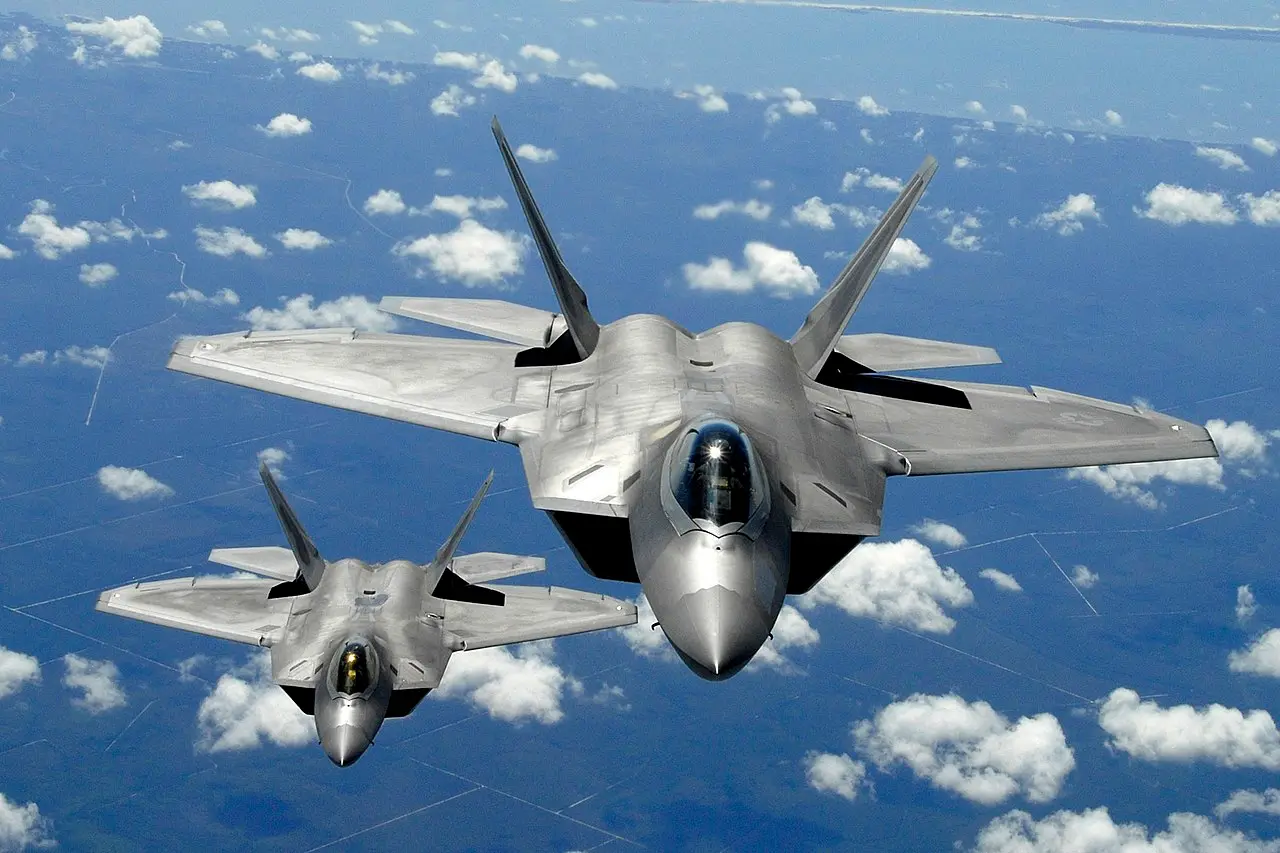
Mach 1.8 Without Afterburners
Unlike conventional fighters, the F-22 can sustain supercruise at speeds of Mach 1.8 without using its afterburners. This capability conserves massive amounts of fuel during long-range combat missions, allowing it to maintain a prolonged tactical advantage.
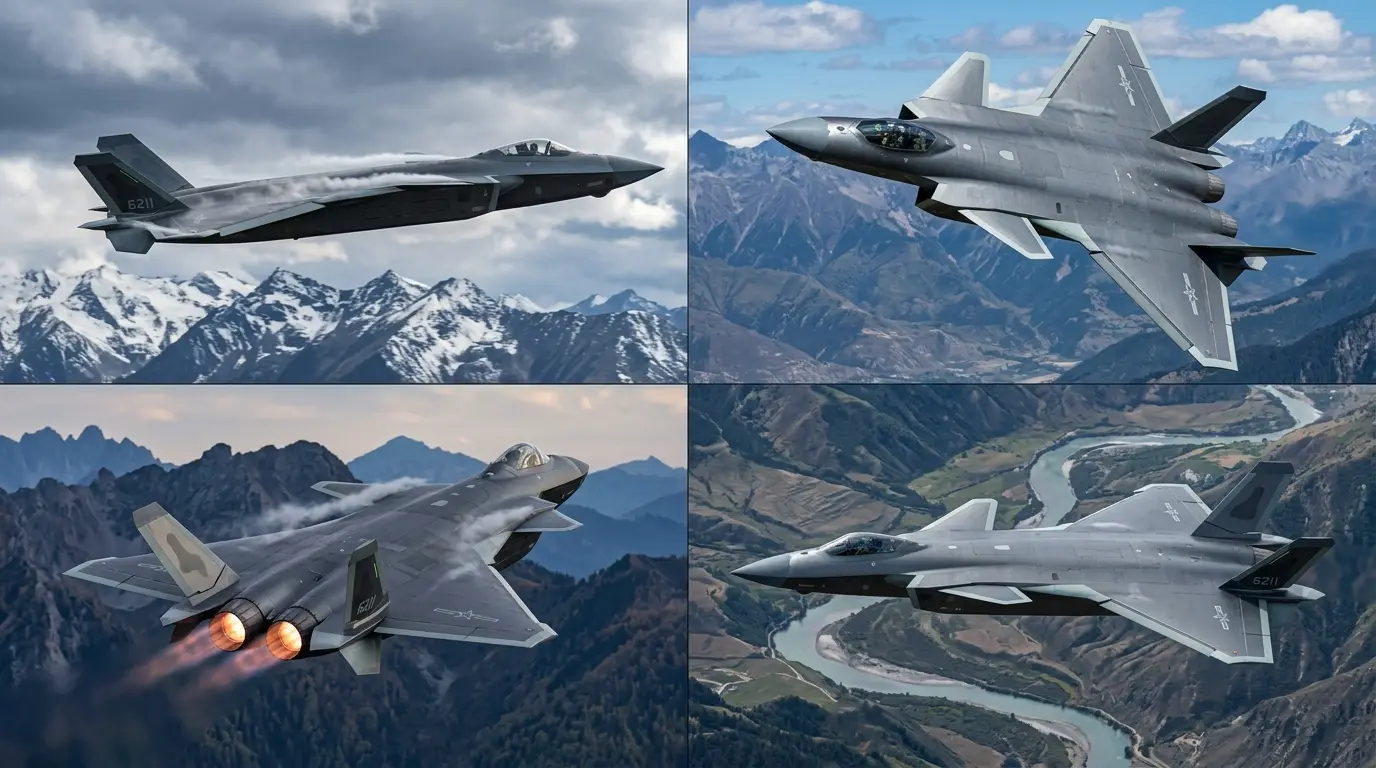
20 Degree Vectoring Nozzles
The twin Pratt & Whitney F119 engines utilize special two-dimensional nozzles that can deflect thrust by up to 20 degrees. This unique mechanical design gives the aircraft unmatched manoeuvrability during close-range aerial engagements and dogfights.
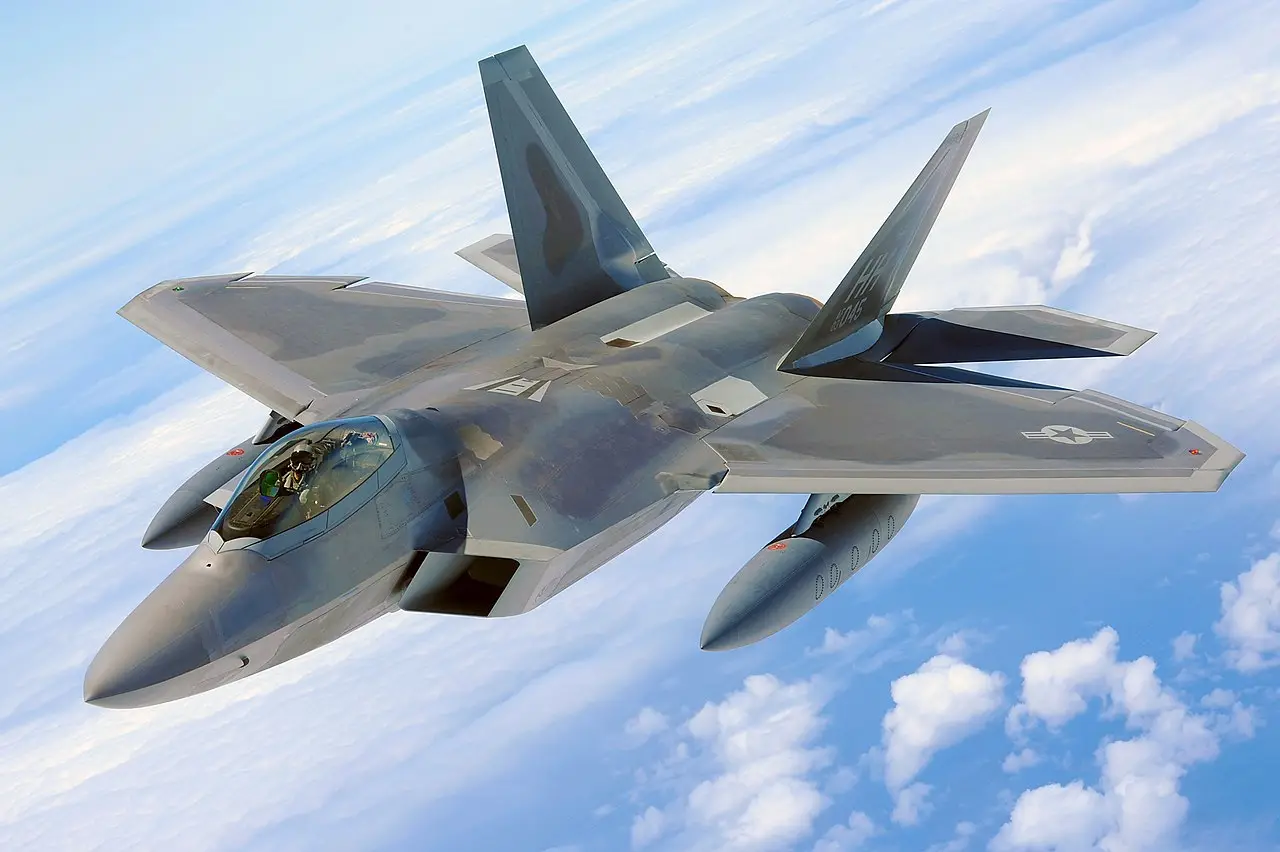
60,000 Feet Combat Ceiling
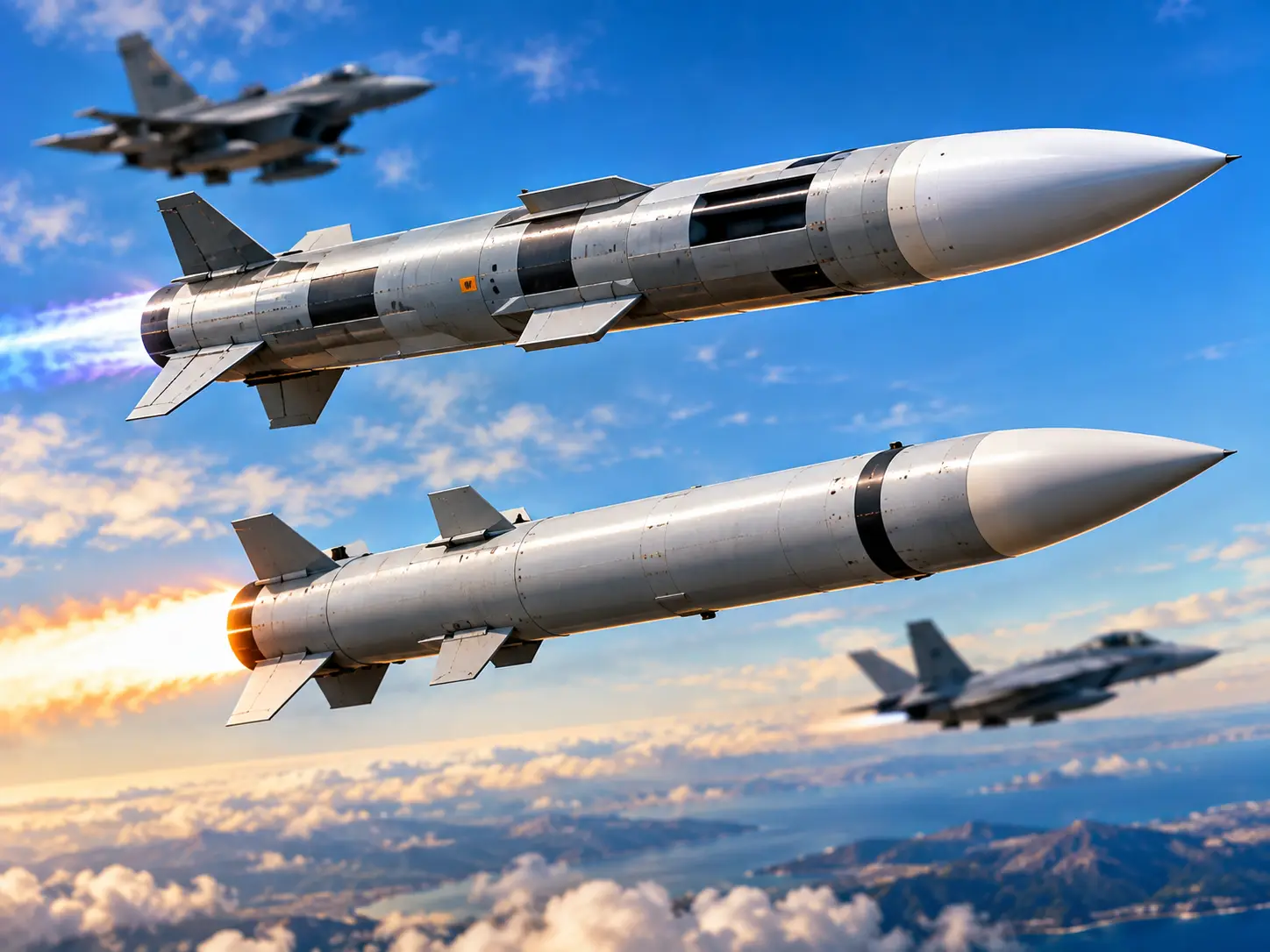
Operating at altitudes exceeding 60,000 feet, the F-22 flies well above most modern competitive fighter jets. This height advantage gives its air-to-air missiles greater kinetic energy at launch, significantly increasing their effective kill range.
Exactly 187 Production Jets
he US Congress strictly prohibited foreign sales of the F-22 to protect its highly sensitive stealth technology. With production permanently capped at 187 operational units, the platform remains an exclusive weapon system operated only by the US Air Force.
)
)
)
)
)