Why the F-22 Raptor's canopy costs more than a brand-new Ferrari

The F-22 canopy outprices luxury supercars due to its massive single-piece polycarbonate shell, microscopic gold stealth coatings, and extreme engineering required for zero radar reflection.
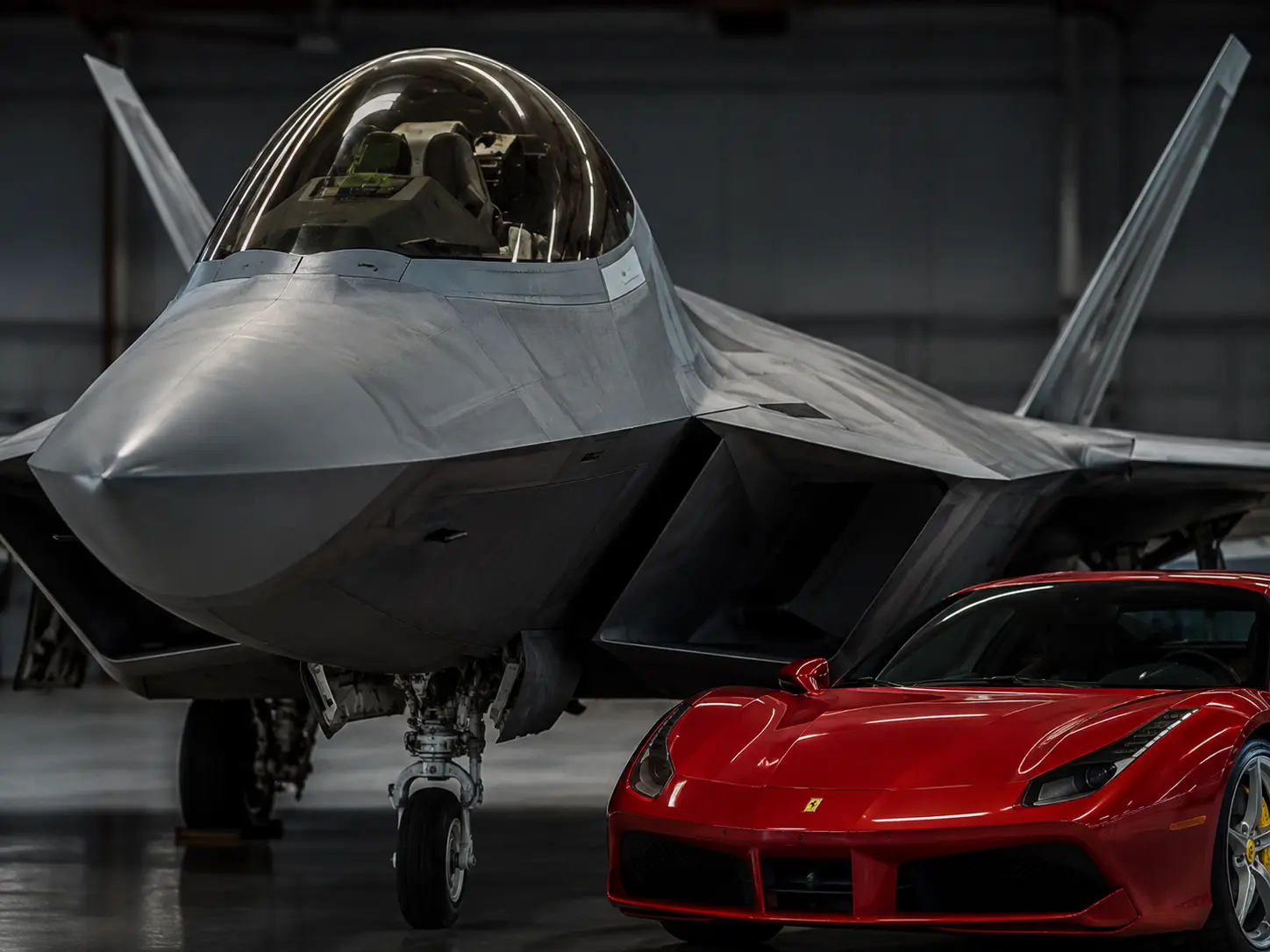
Initial Cost Hit $182,000
Replacing the specialized canopy shell on the F-22 Raptor carries an estimated base price of $182,000. When accounting for the heavy titanium mounting frame, electromagnetic seals, and explosive jettison systems, the complete upper enclosure easily outprices a high-end luxury Ferrari.
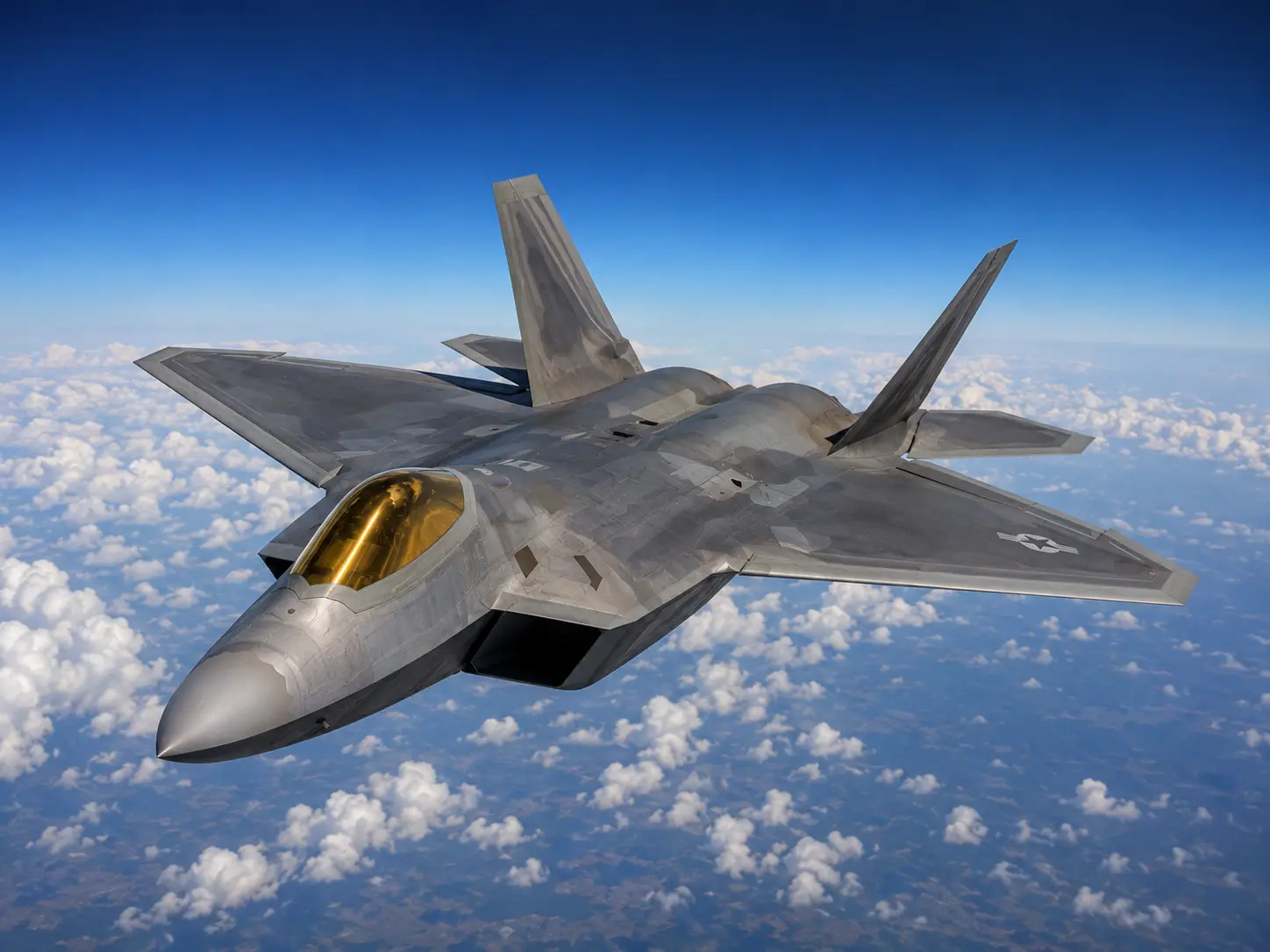
Thick 20mm Polycarbonate Shell
The enclosure is not made of traditional glass, but consists of the world's largest single piece of monolithic polycarbonate. Formed to a thickness of nearly 20 millimetres, this rigid bubble protects the pilot and is engineered to withstand direct bird strikes at speeds exceeding 350 knots.
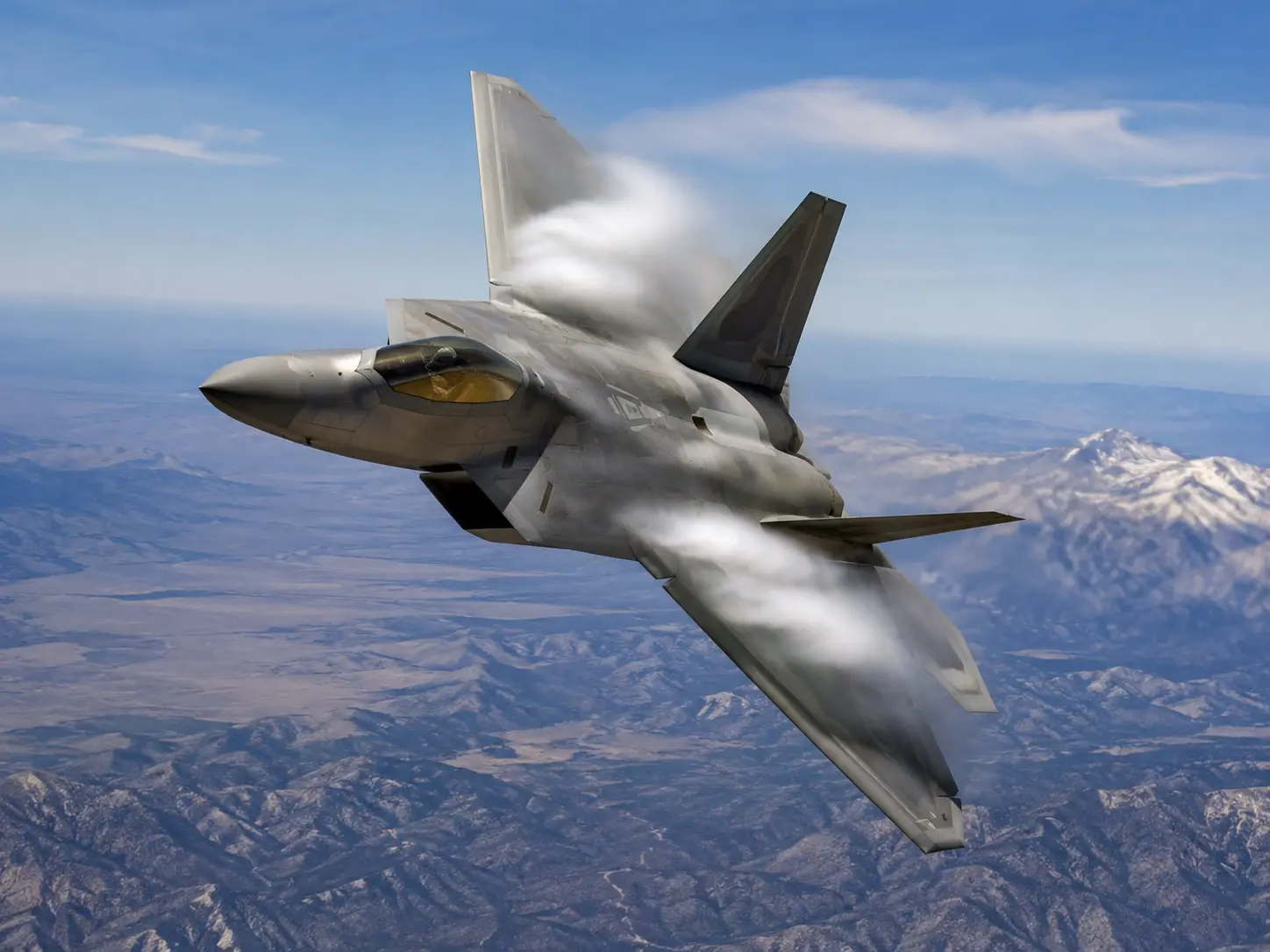
Coated With Pure Gold
To prevent high-frequency radar waves from entering the cockpit and reflecting off internal instruments, the structure receives a microscopic coating of Indium Tin Oxide and pure gold. This highly conductive layer instantly scatters enemy radar signals while giving the jet its amber tint.
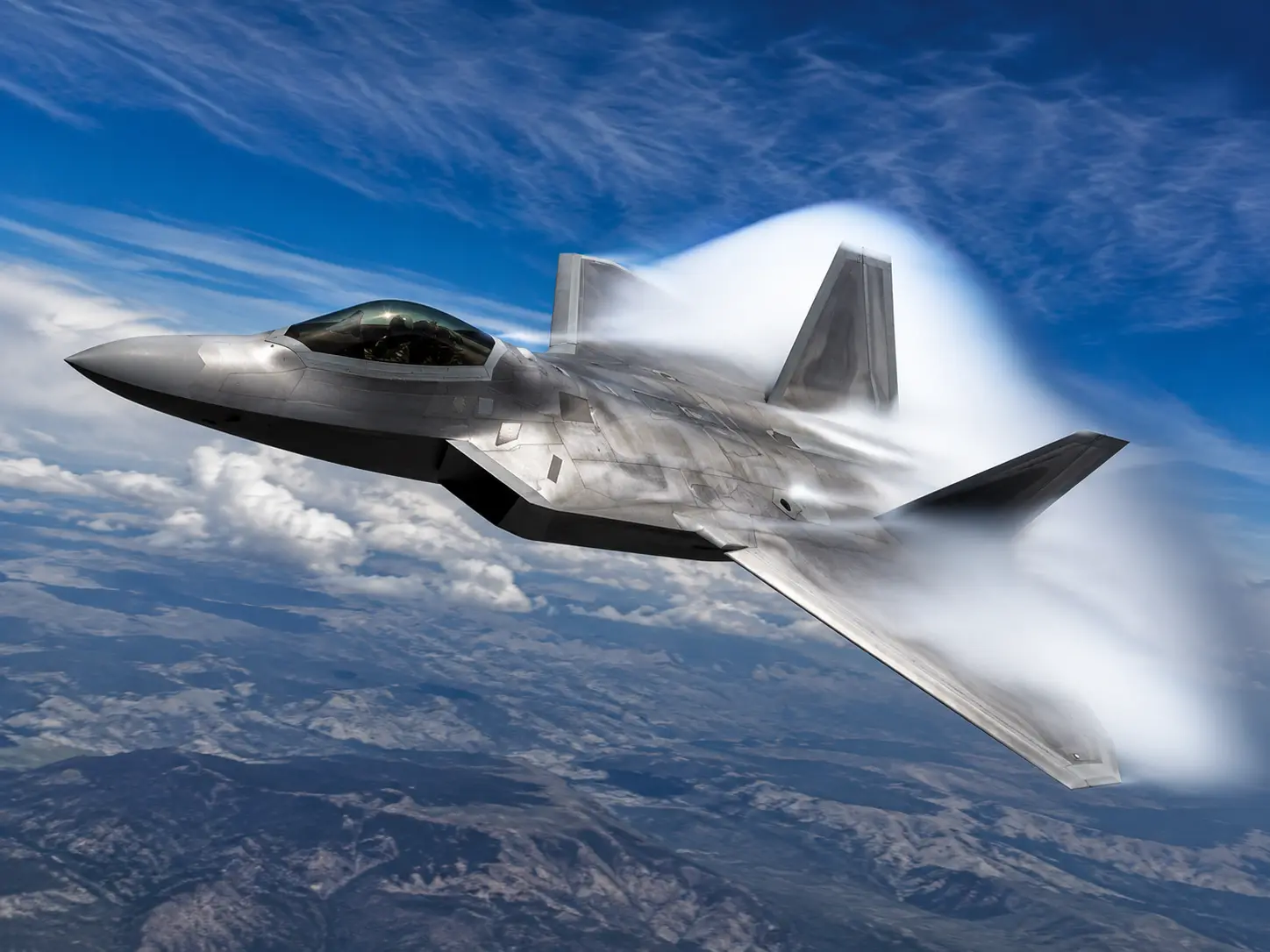
Zero Optical Distortion Rule
Depositing metallic layers onto a sharply curved surface demands extreme manufacturing precision to prevent visual flaws. Even a microscopic variation in the gold coating creates severe optical distortion or electromagnetic weak spots, forcing contractors to scrap imperfect shells.
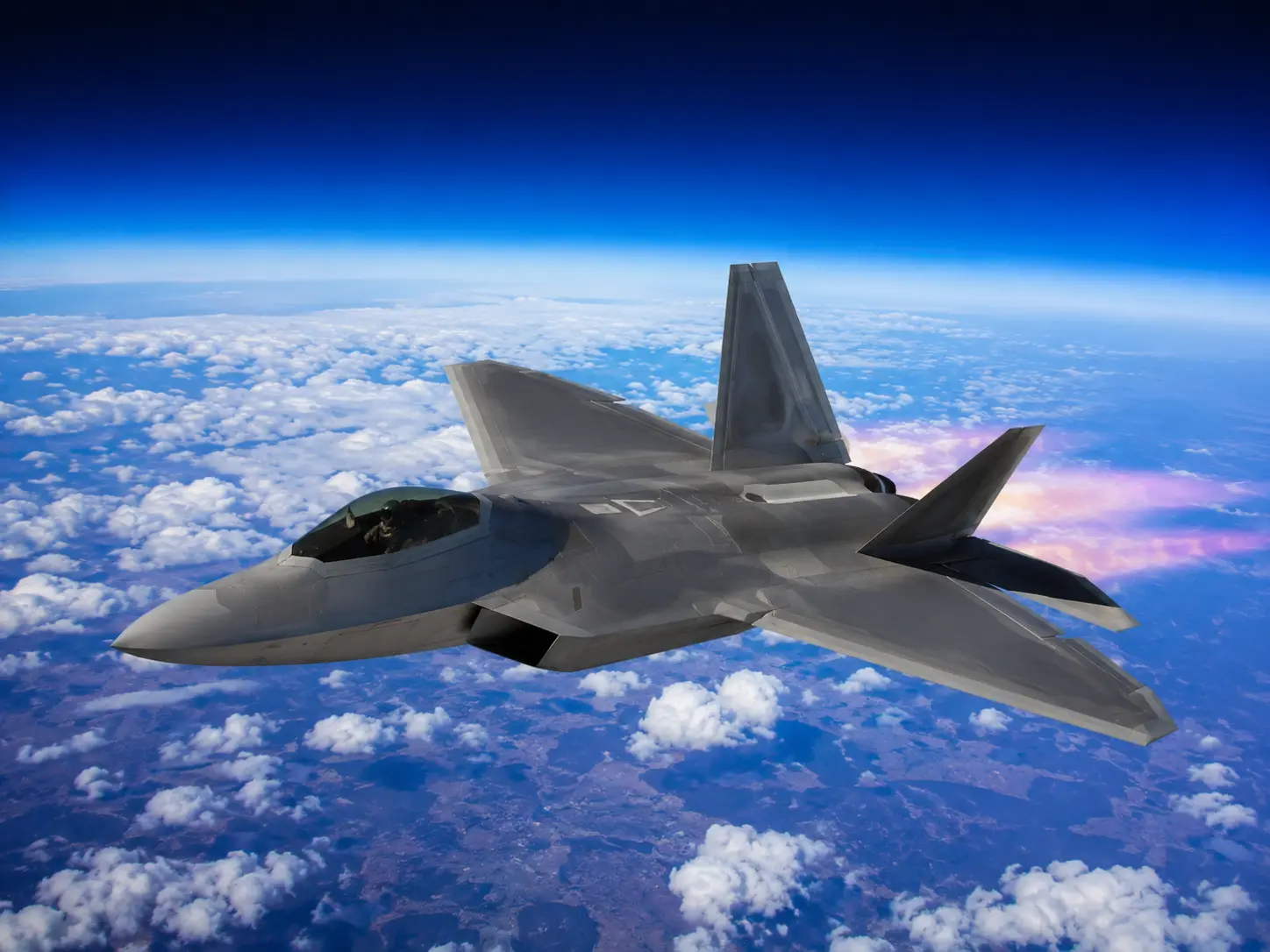
Engineered For 350-Knot Impacts
Unlike other modern fighters that utilise heavy internal support structures, the Raptor features an entirely frameless forward design. Mating this rigid bubble to the airframe with exact aerodynamic tolerances ensures there are no physical gaps, preventing radar leaks during supersonic flight.
)
)
)
)
)