Apocalyptic aerial images show devastation caused by deadly Nepal floods

Apocalyptic aerial images reveal the staggering devastation left by deadly floods in Nepal, with villages buried, roads destroyed and vast areas along the Nepal-Tibet border covered in mud and debris.
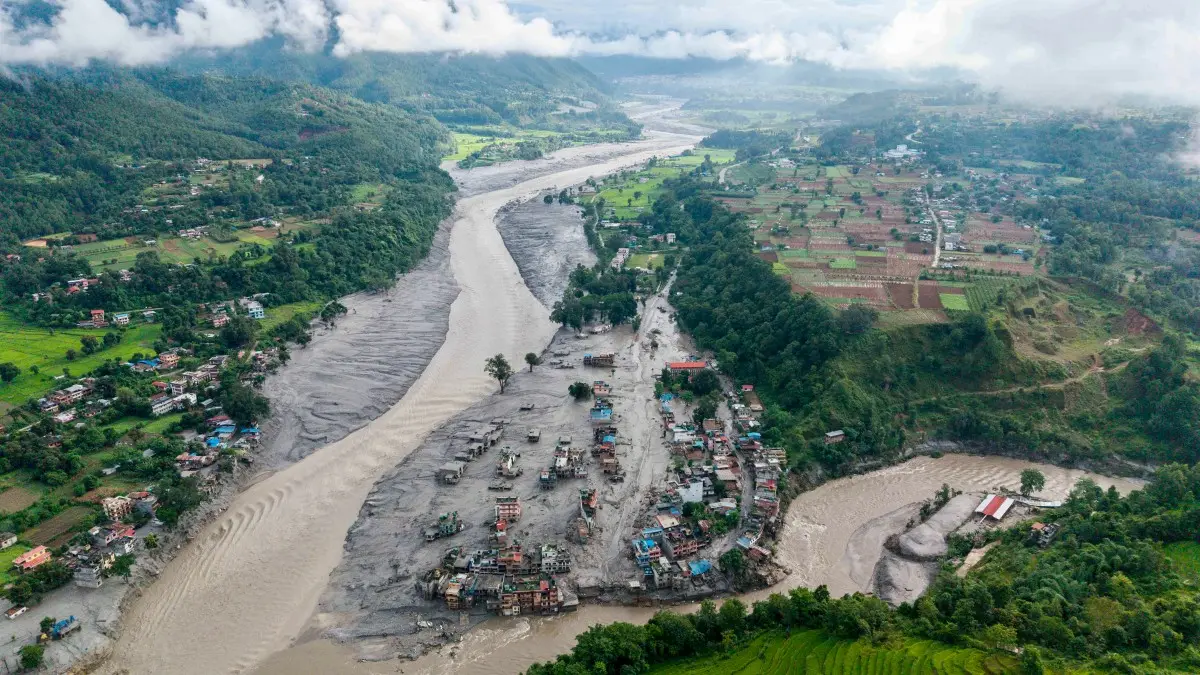
Nepal reels from deadly floods
Rescue teams searched devastated areas along the Nepal-Tibet border on Thursday after flash floods and landslides killed at least 273 people. More than 1,300 remain missing. Entire villages were swept away as torrents of water and mud surged through communities along the Bhote Koshi and Trishuli rivers on Wednesday morning.
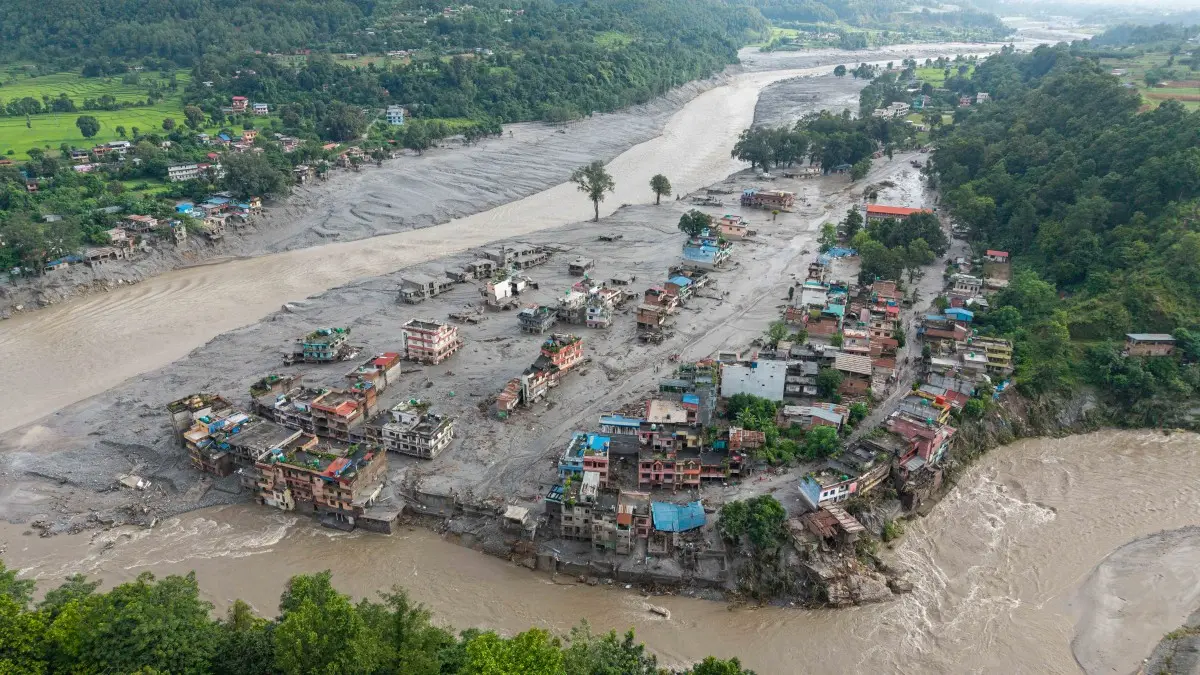
Tourists among those missing
Foreign tourists are among the missing, including scores of Hindu pilgrims travelling to Tibet’s sacred Mount Kailash. Nepalese police said 270 bodies had been recovered, while 823 people in the country remained out of contact, including 517 foreign tourists. Beijing separately said 100 Chinese citizens were missing in Nepal.
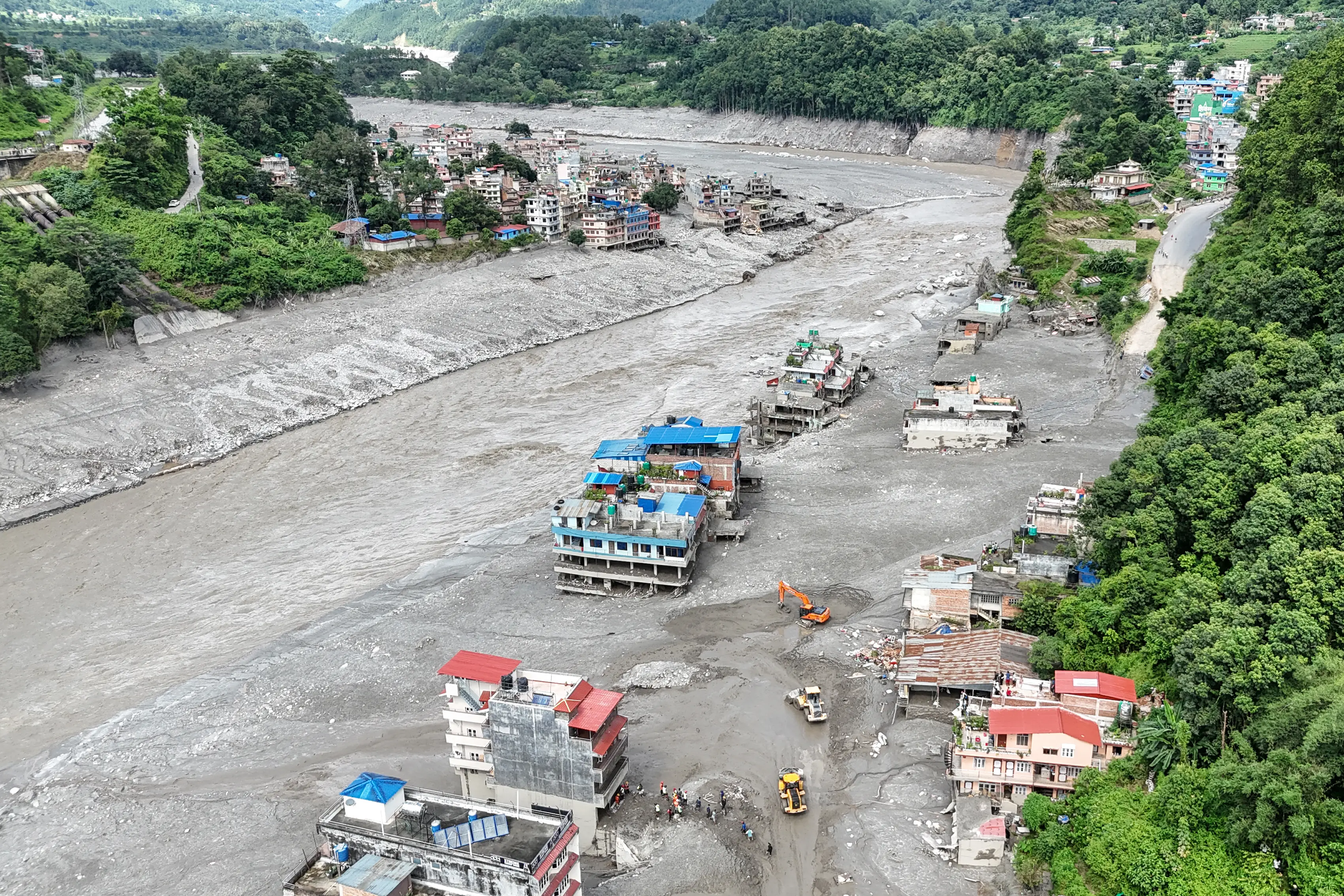
‘It is a giant graveyard’
Survivors described scenes of unimaginable destruction as rescuers searched through thick grey sludge. “Everything is finished,” Omkar Joshi, 35, a Nepali customs agent rescued from a hilltop in Timure, told AFP. “It is a giant graveyard. All that is left are sand and pebbles, soaked red by human blood.”
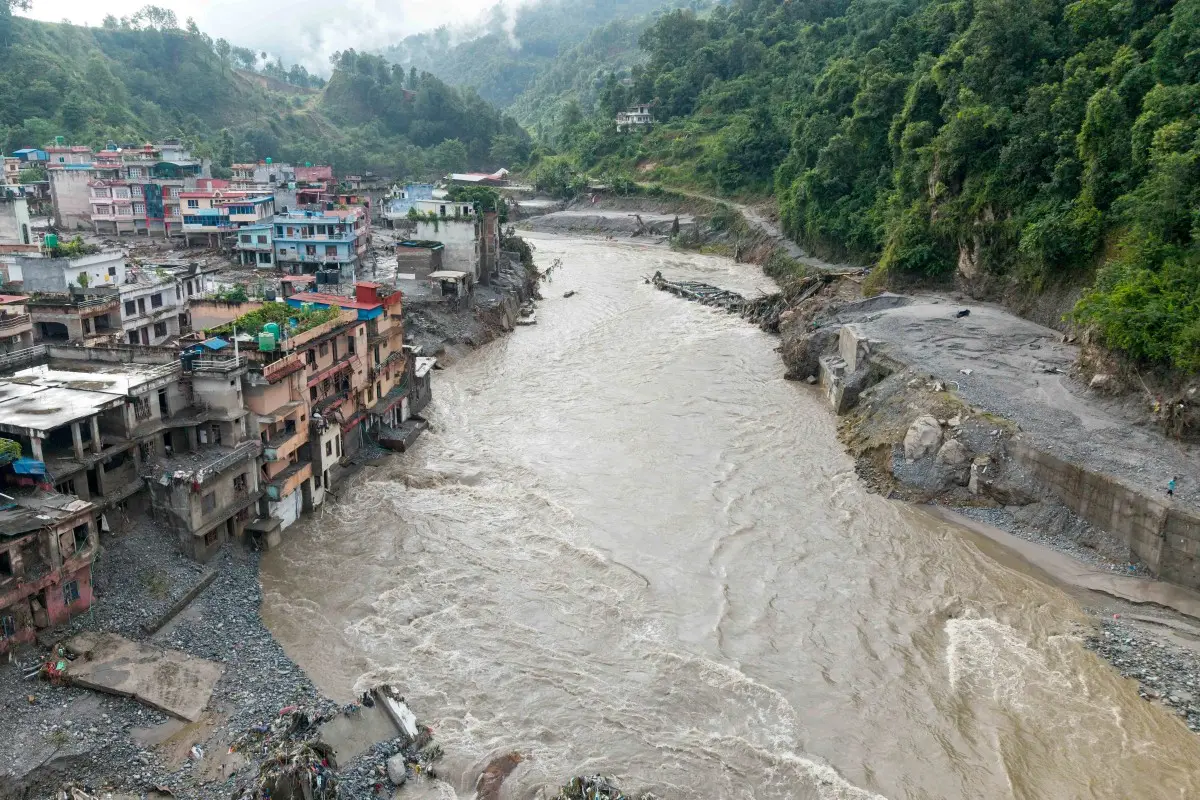
‘Inland tsunami’ tears through Nepal
The sudden torrent of mud and debris travelled nearly 170 kilometres south through Nepal, environmental historian Ruth Gamble of Australia’s La Trobe University said. She described the phenomenon as “like an inland tsunami”. Rasuwa district was hit first, while deaths were reported as far south as Chitwan, bordering India.
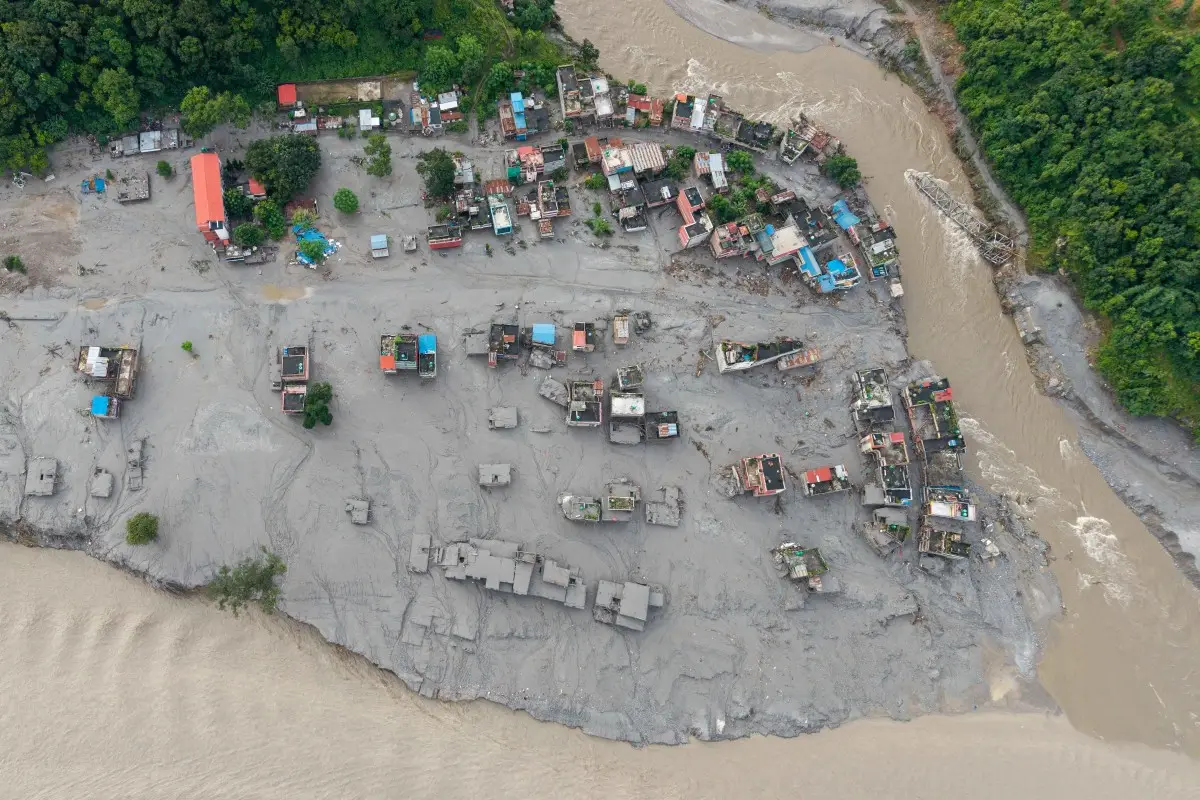
Rescue efforts intensify
Nepali soldiers deployed sniffer dogs to search for bodies buried beneath the mud, while emergency crews worked to evacuate survivors from affected areas. Prime Minister Balendra Shah visited some of the worst-hit locations and instructed authorities to “provide immediate relief to displaced families” while reopening blocked roads.
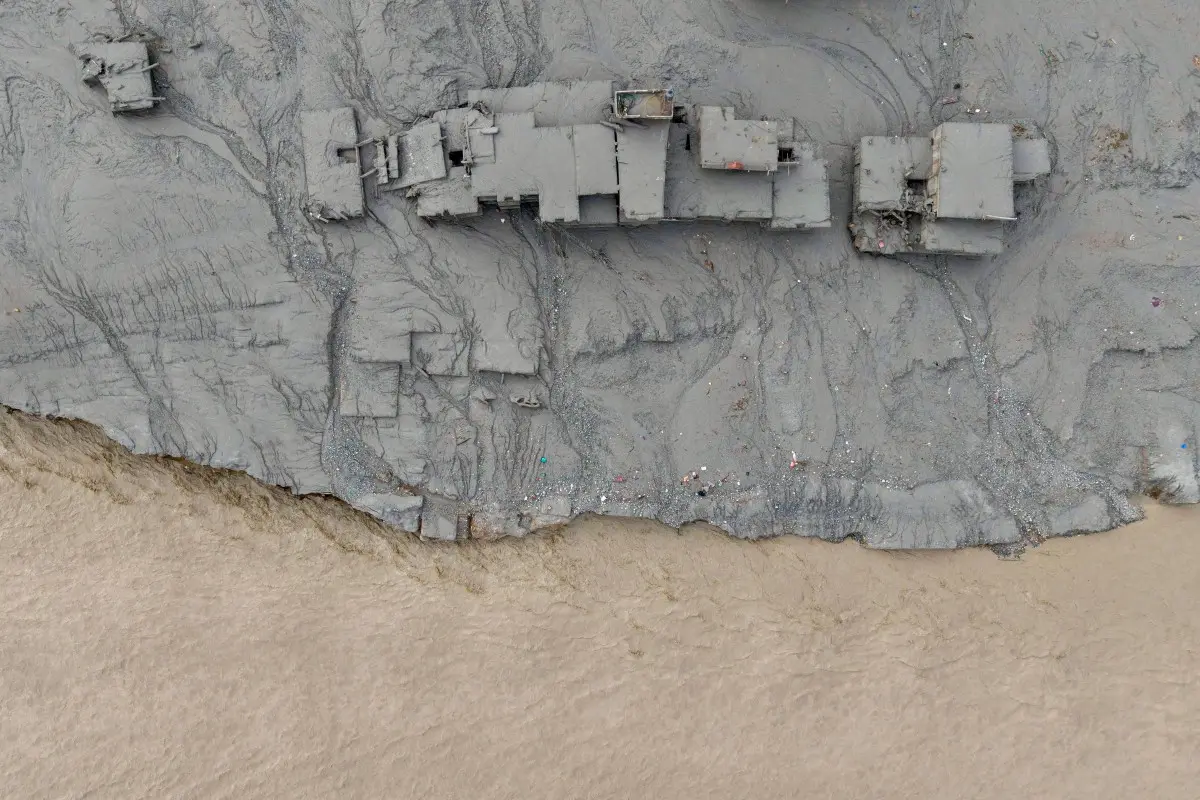
What triggered the disaster?
The US Geological Survey said the catastrophe was caused by a glacial collapse that unleashed an overwhelming flow of icy debris. It was initially reported as a magnitude 4.4 earthquake, but seismic recordings were later analysed and identified as a “glacial collapse and debris flow”. Climate change is increasing risks linked to melting glaciers.
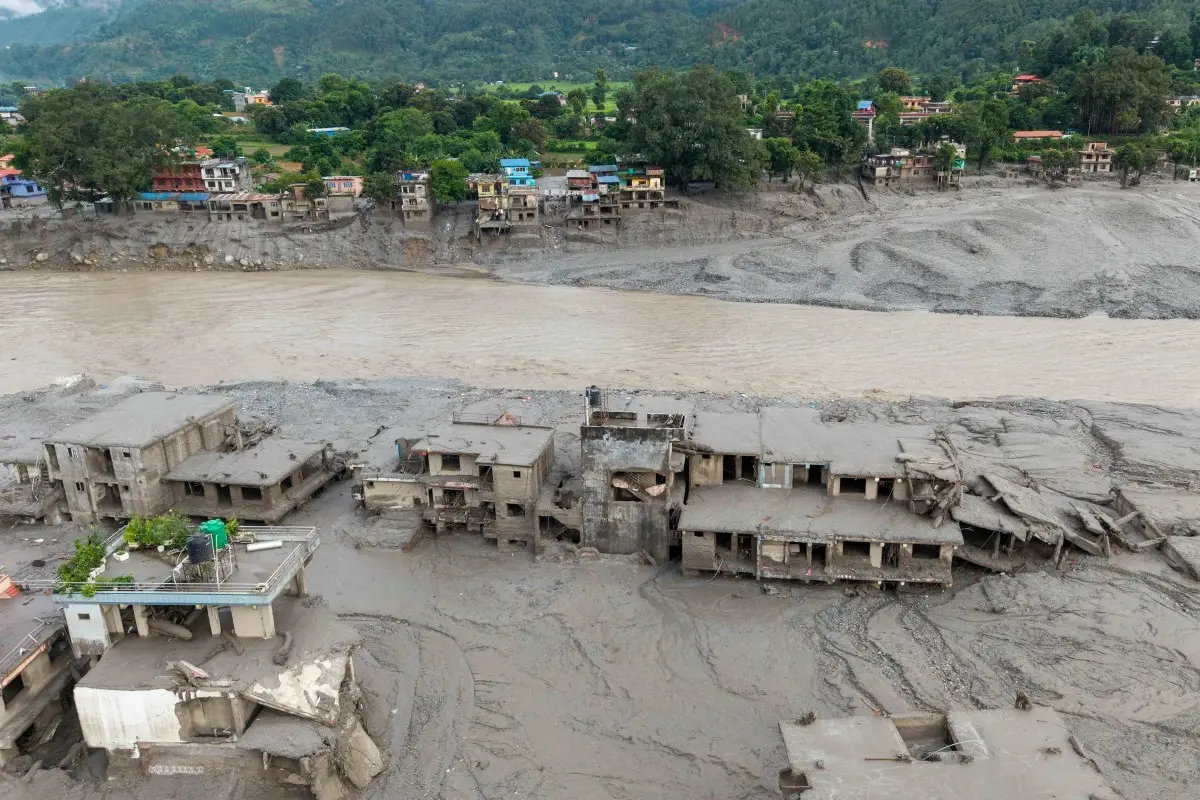
Fears grow over another flood
Authorities remain worried that debris blocking the valley could trigger another flood. Experts warned that a blockage upstream on the Nepal-China border river could unleash a second surge. In Tibet, three people died and 558, including 260 foreigners, were reported missing. China deployed nearly 800 emergency workers, sniffer dogs and speed boats.
)
)
)
)
)