• Wion
  • /Photos
  • /Why the F-22 keeps its missiles hidden inside the aircraft

Why the F-22 keeps its missiles hidden inside the aircraft

The F-22 Raptor hides missiles internally to eliminate parasitic drag and maintain a 0.0001 sq metre radar cross-section. This ensures its Mach 1.5 supercruise and unmatched stealth.
0.0001 Sq Metres RCS
1 / 5
(Photograph: AI generated)

0.0001 Sq Metres RCS

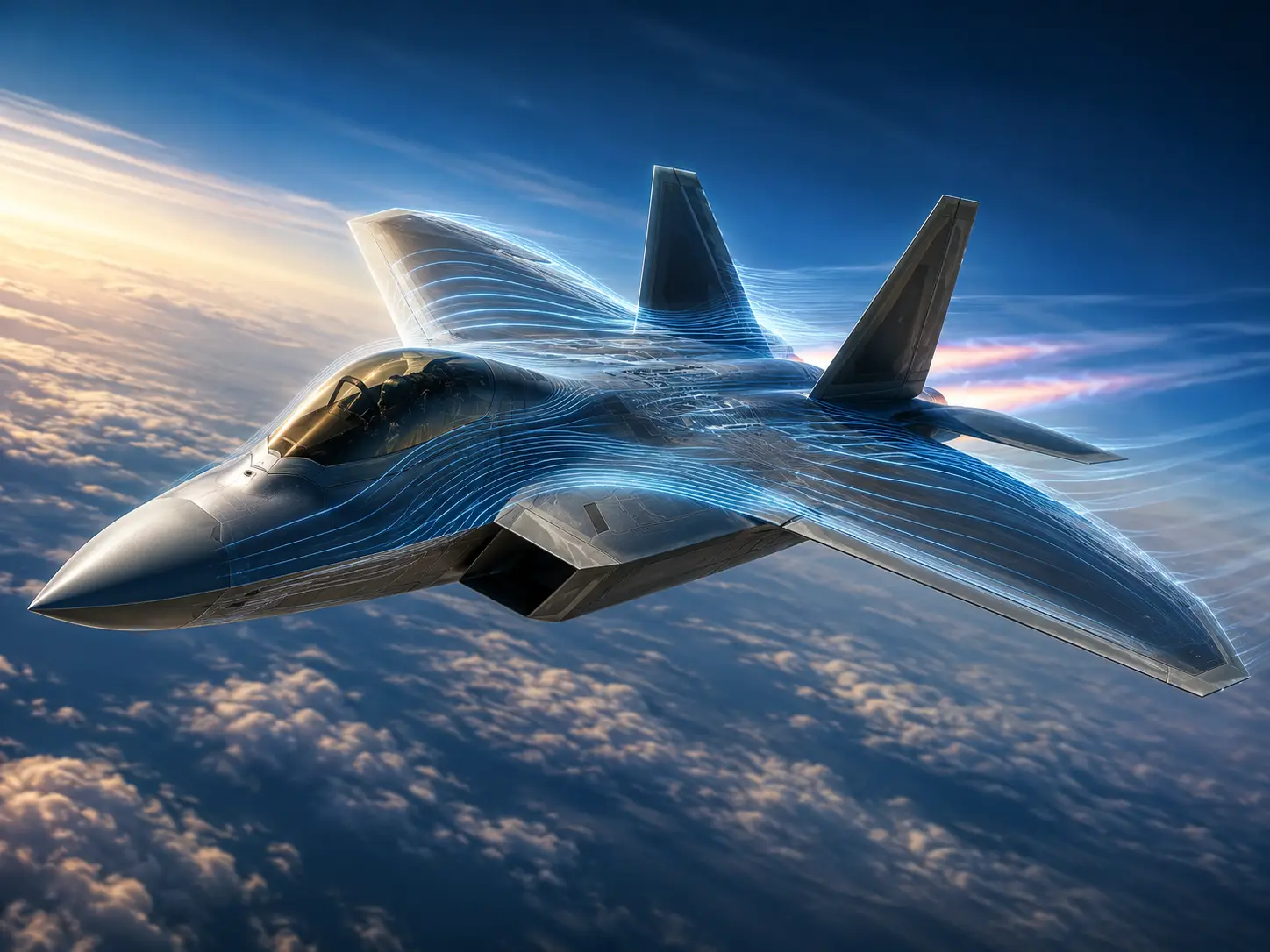
External pylons reflect massive amounts of electromagnetic energy back to enemy radar stations. By concealing missiles inside three internal bays, the F-22 maintains a radar cross-section of roughly 0.0001 square metres. This makes the aircraft appear no larger than a marble on enemy radar screens.

Supercruise Above Mach 1.5
2 / 5
(Photograph: AI generated)

Supercruise Above Mach 1.5

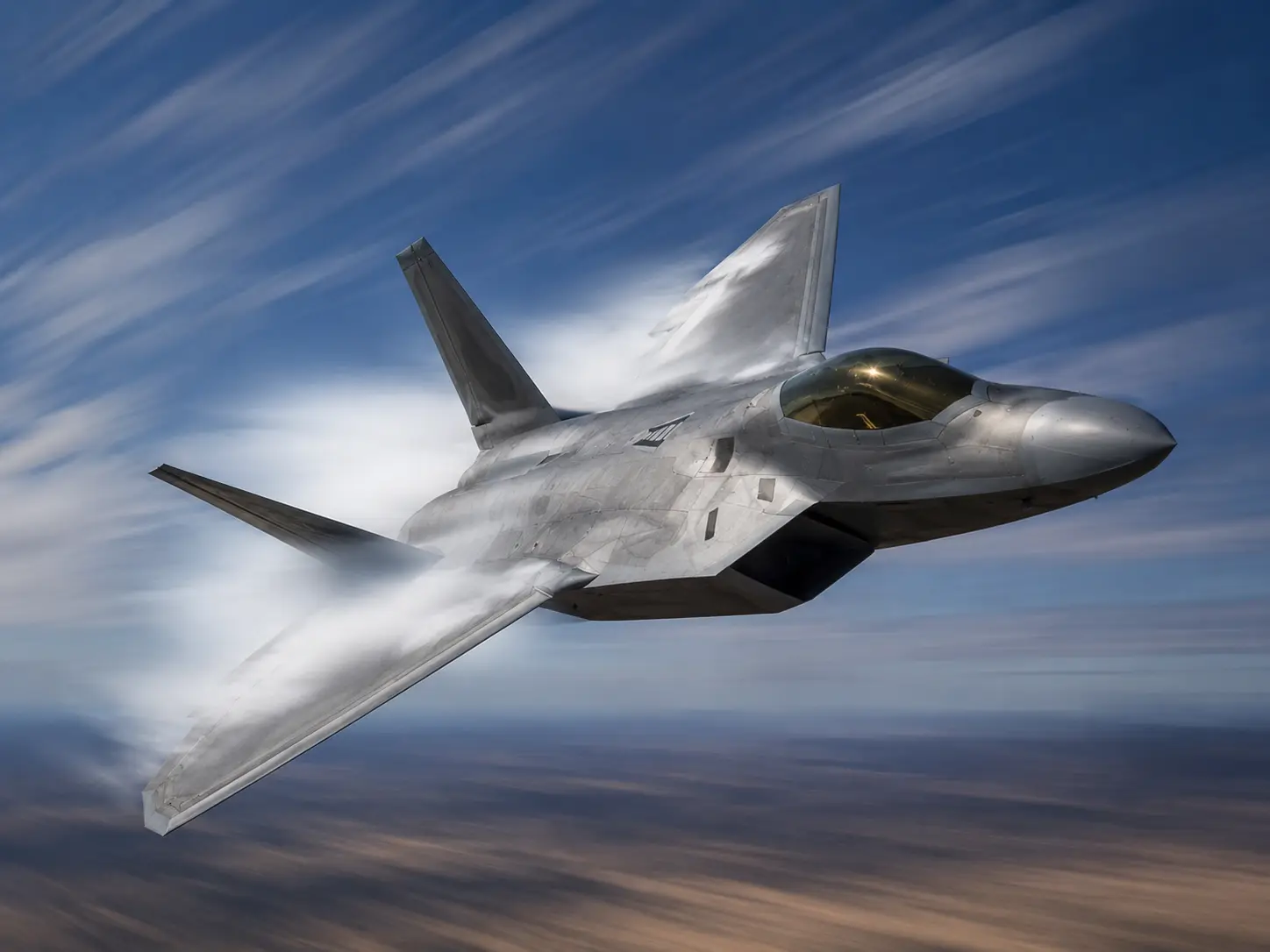
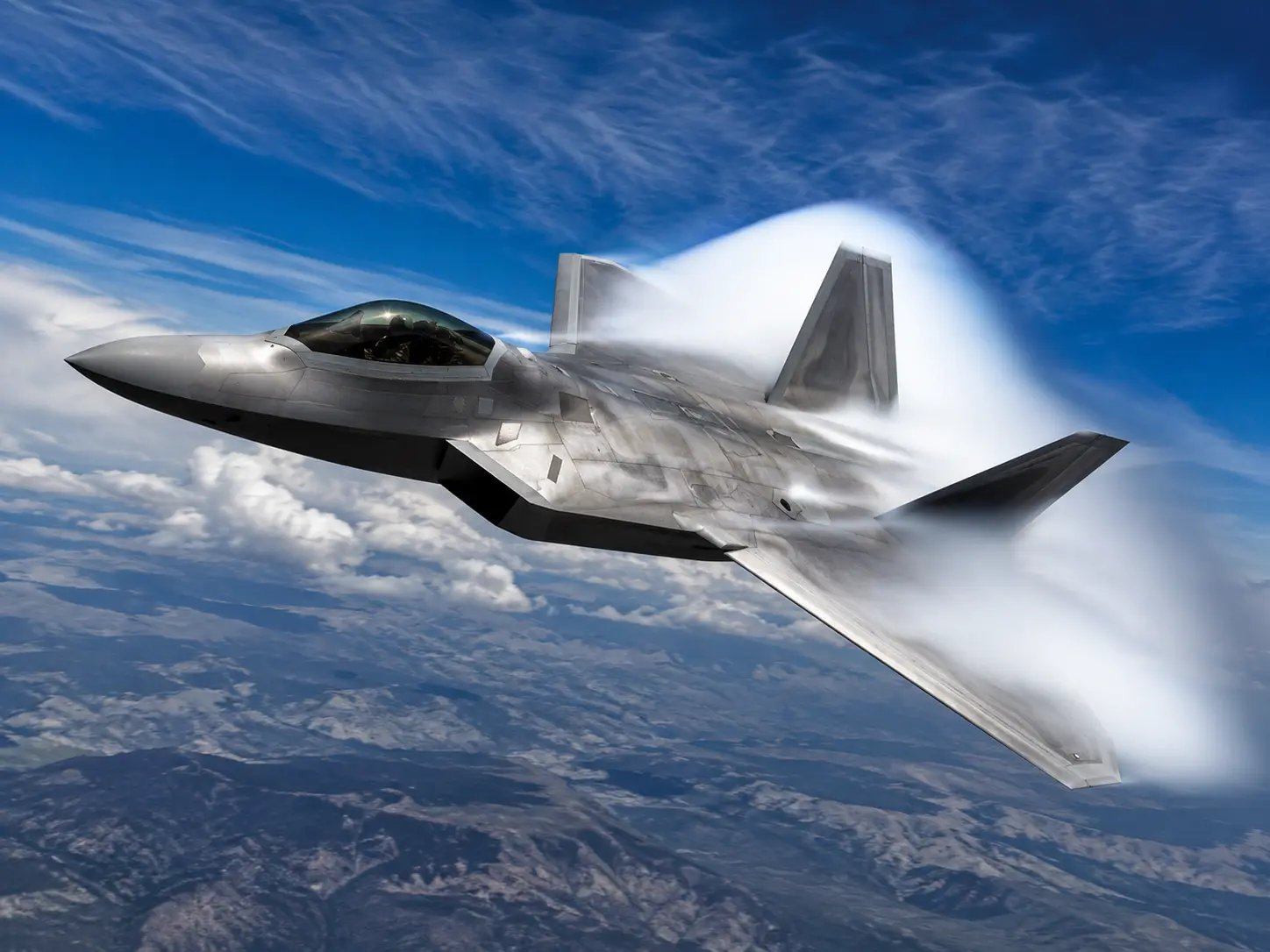
Hanging weapons outside an airframe creates significant parasitic drag that kills aerodynamic efficiency. The smooth internal carriage system allows the Raptor to supercruise efficiently above Mach 1.5 without using fuel-guzzling afterburners. This extends its combat radius and operational range significantly.

Holds 8 Internal Missiles
3 / 5
(Photograph: AI generated)

Holds 8 Internal Missiles

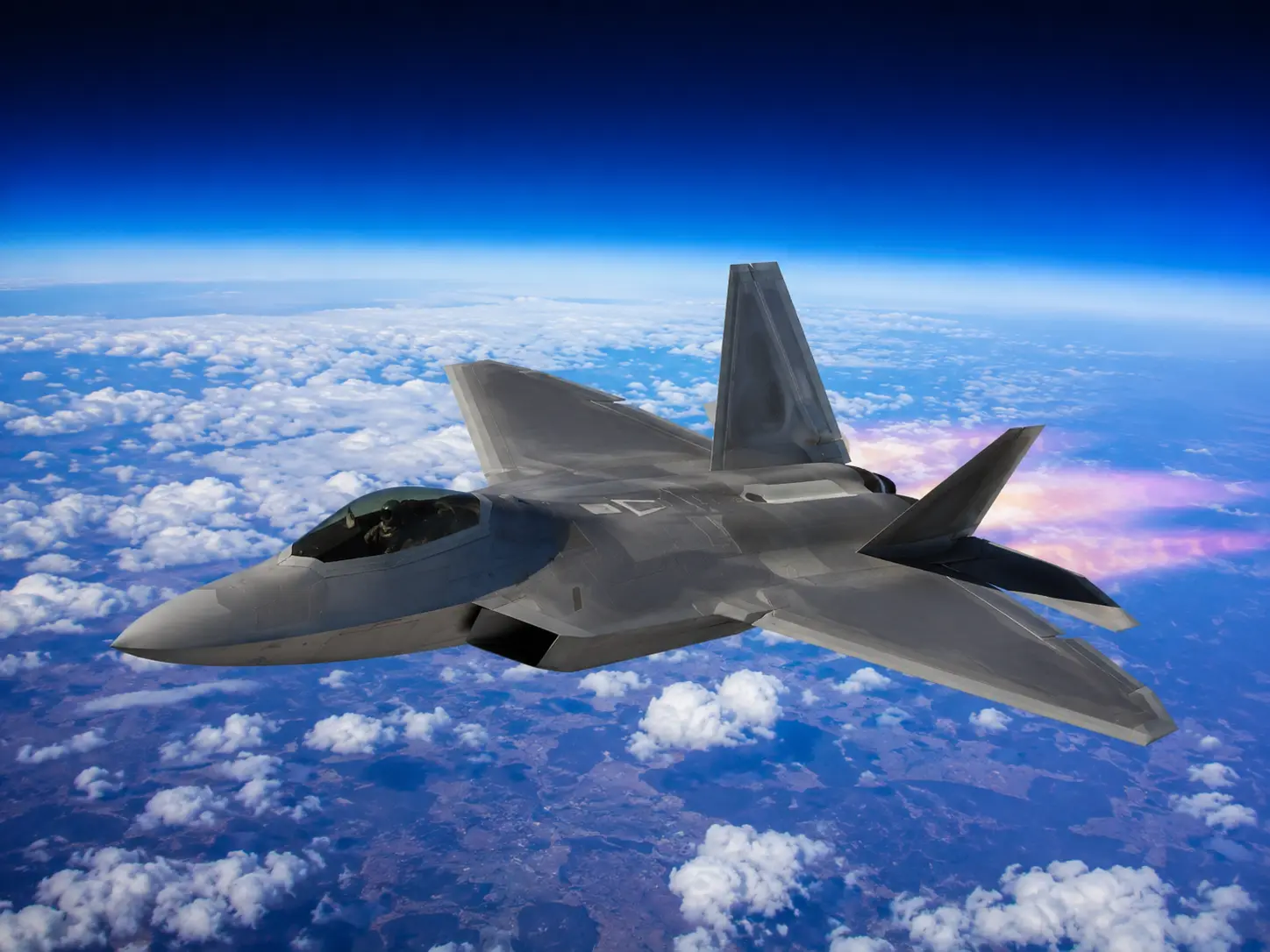
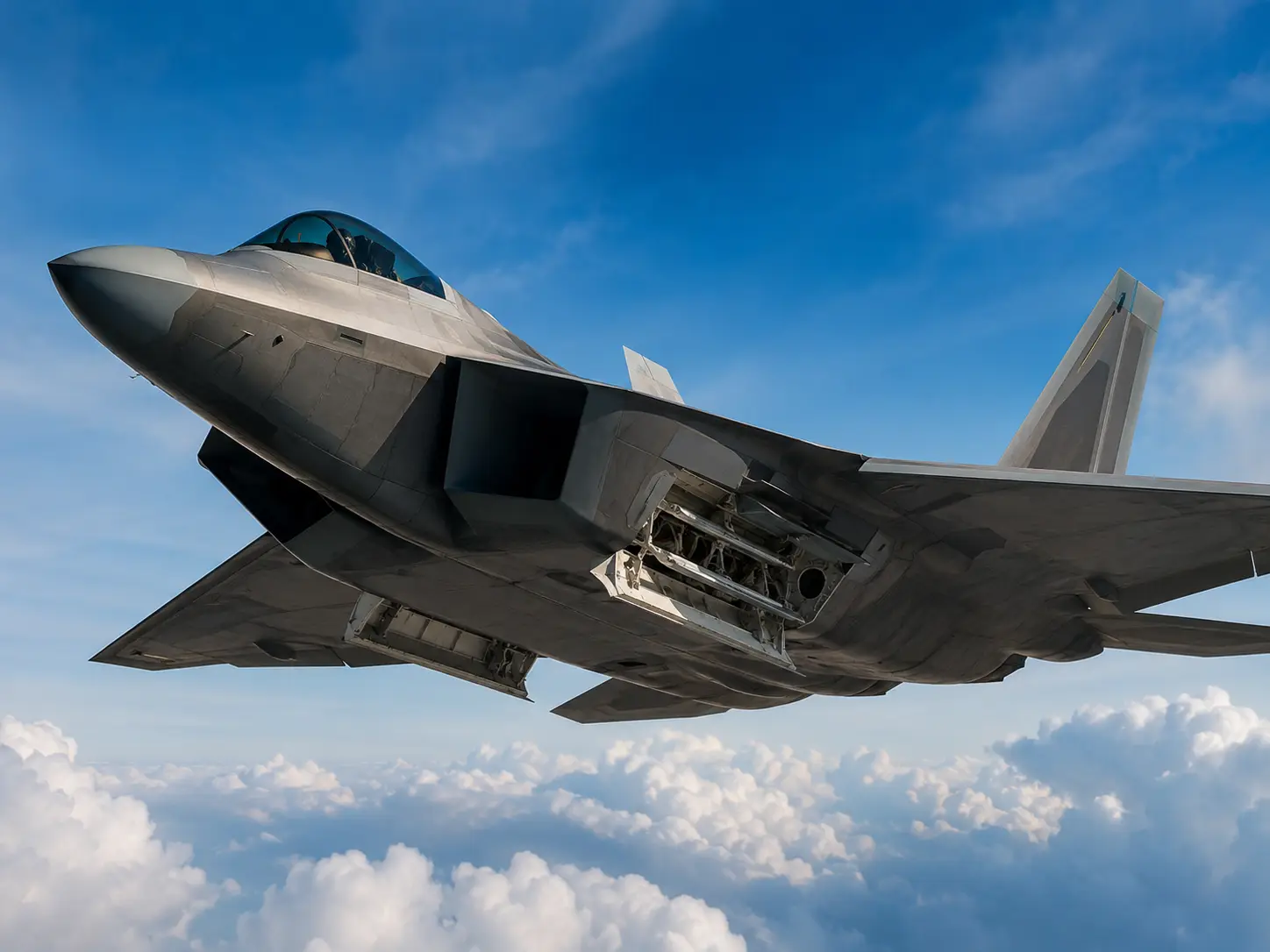
The F-22 is equipped with one main centre bay and two smaller side bays for its loadout. The main bay typically holds six AIM-120 AMRAAMs, while each side bay houses a single AIM-9. Doors snap open and shut in fractions of a second during missile launch to preserve stealth.

Zero External Corner Reflectors
4 / 5
(Photograph: AI generated)

Zero External Corner Reflectors

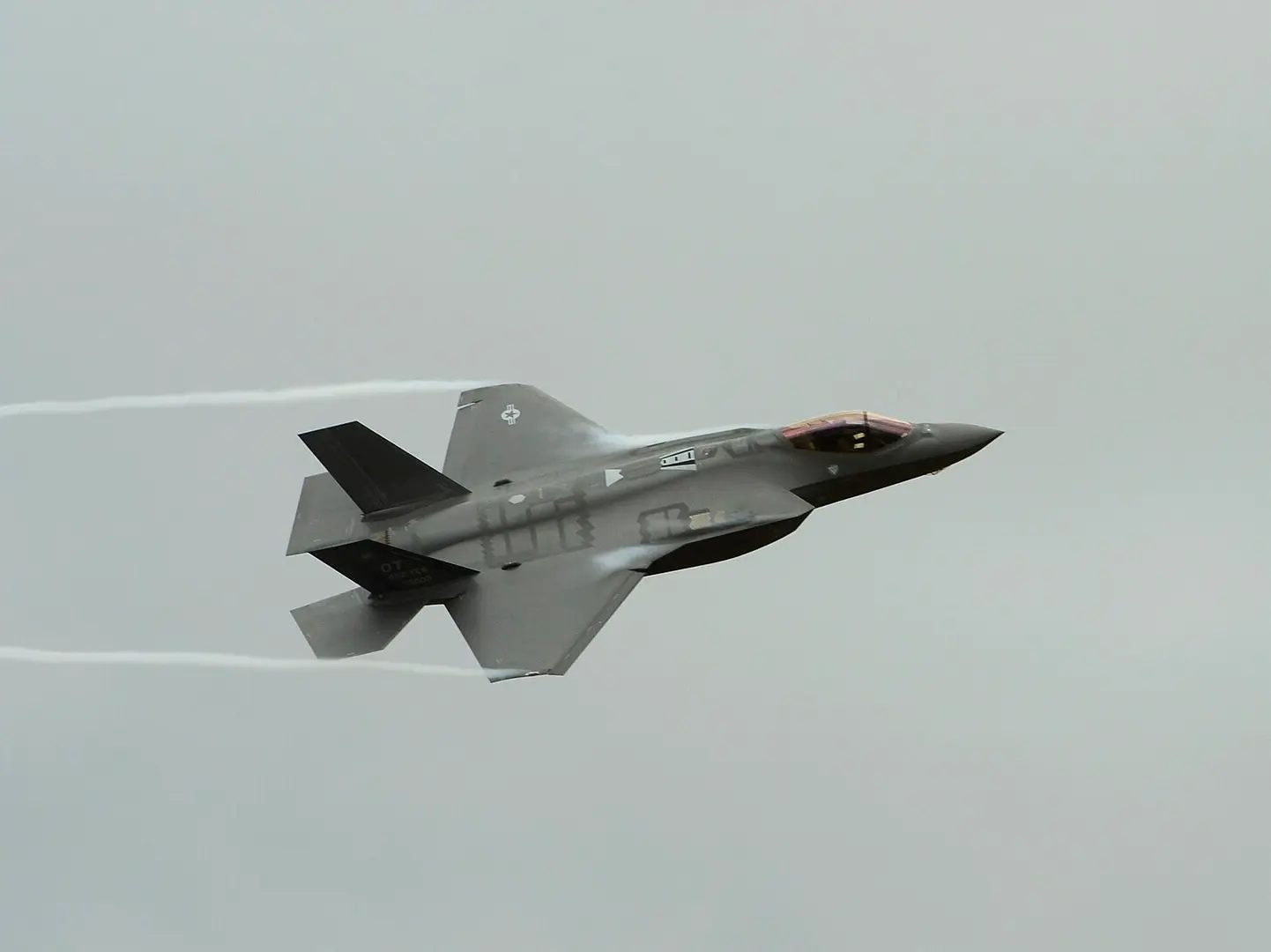
Right angles and sharp junctions on external weapons act as corner reflectors that bounce radar energy directly back. Storing weapons internally ensures the aircraft shape maintains its continuous radar-deflecting angles. This structural discipline prevents sudden spikes in radar visibility.

100 Per Cent Hidden Heat
5 / 5
(Photograph: AI generated)

100 Per Cent Hidden Heat

Missiles mounted externally create localized friction and heat as they push through the air at supersonic speeds. Hiding the payload inside the fuselage prevents these external hot spots from forming. This thermal management reduces vulnerability to enemy infrared search and track systems.