Why the F-22 flies at 50,000 feet during routine missions

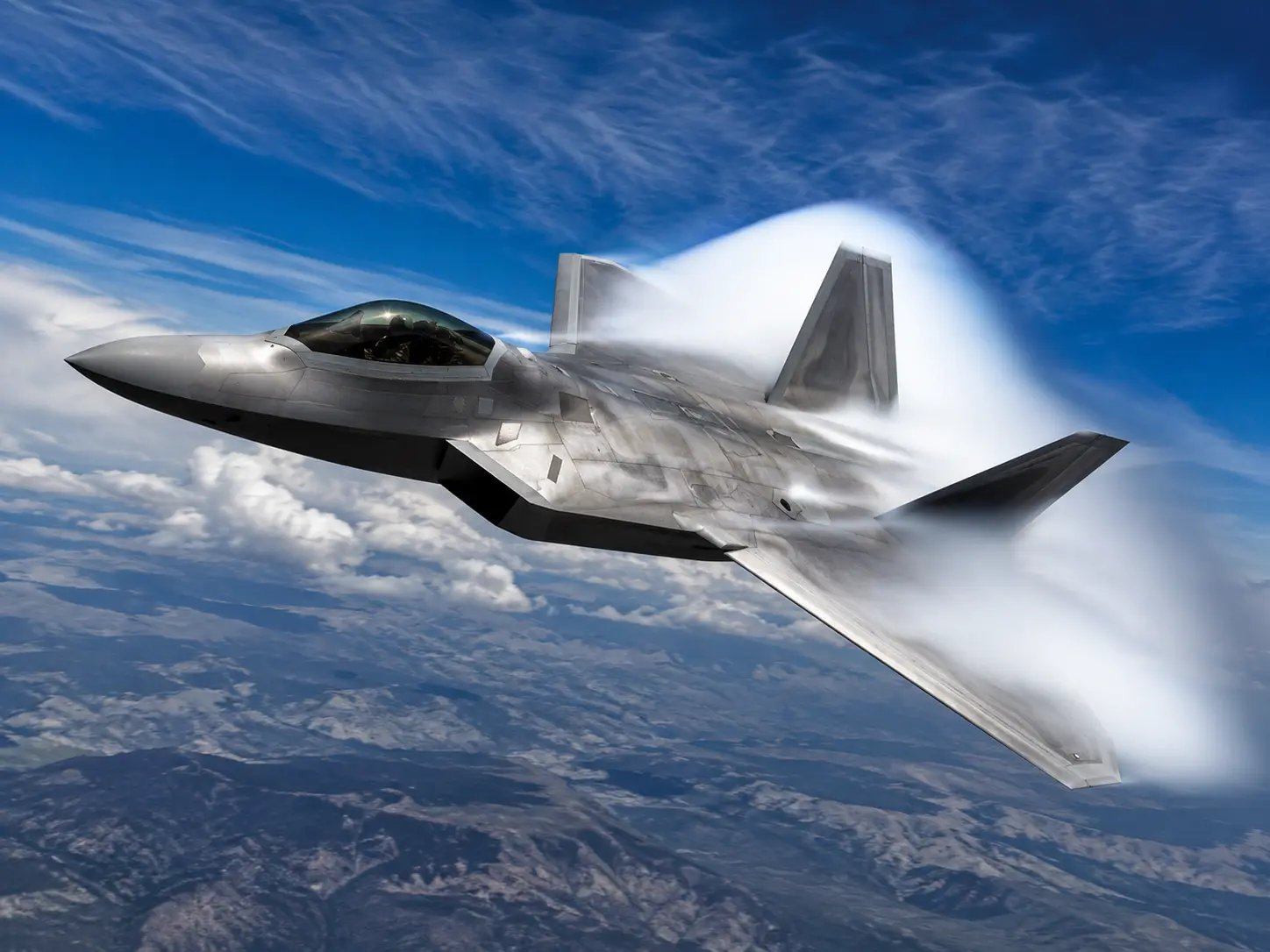
The F-22 Raptor flies routine missions at 50,000 feet to reduce aerodynamic drag, enable fuel-saving Mach 1.5 supercruise, extend sensor horizons, and increase air-to-air missile ranges.
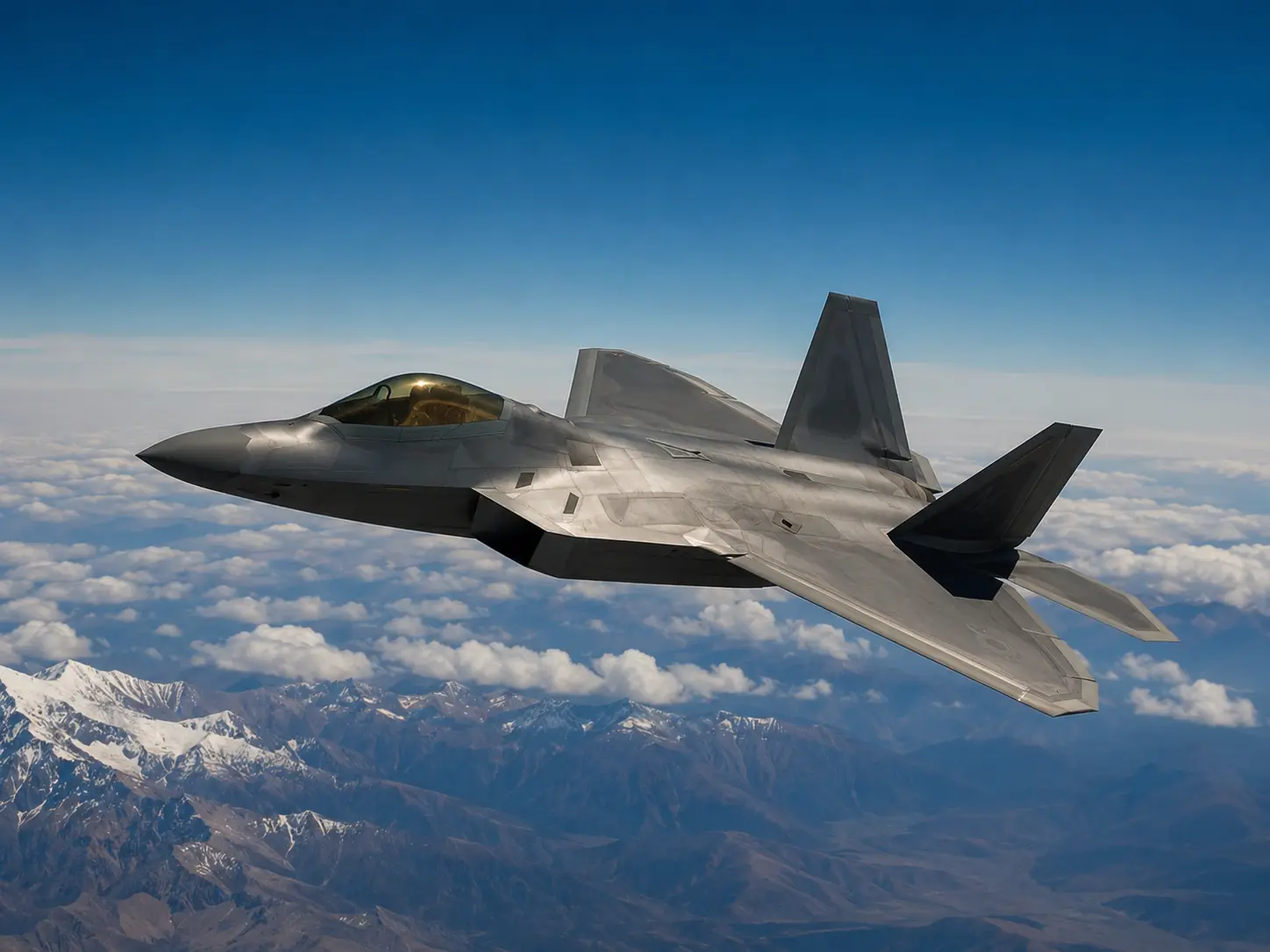
Cruising at Mach 1.5
Flying at 50,000 feet places the F-22 Raptor in thin air with significantly reduced aerodynamic drag. This specific atmospheric density allows the twin turbofan engines to push the aircraft to Mach 1.5 supercruise speeds without using afterburners, saving massive amounts of jet fuel during long patrols.
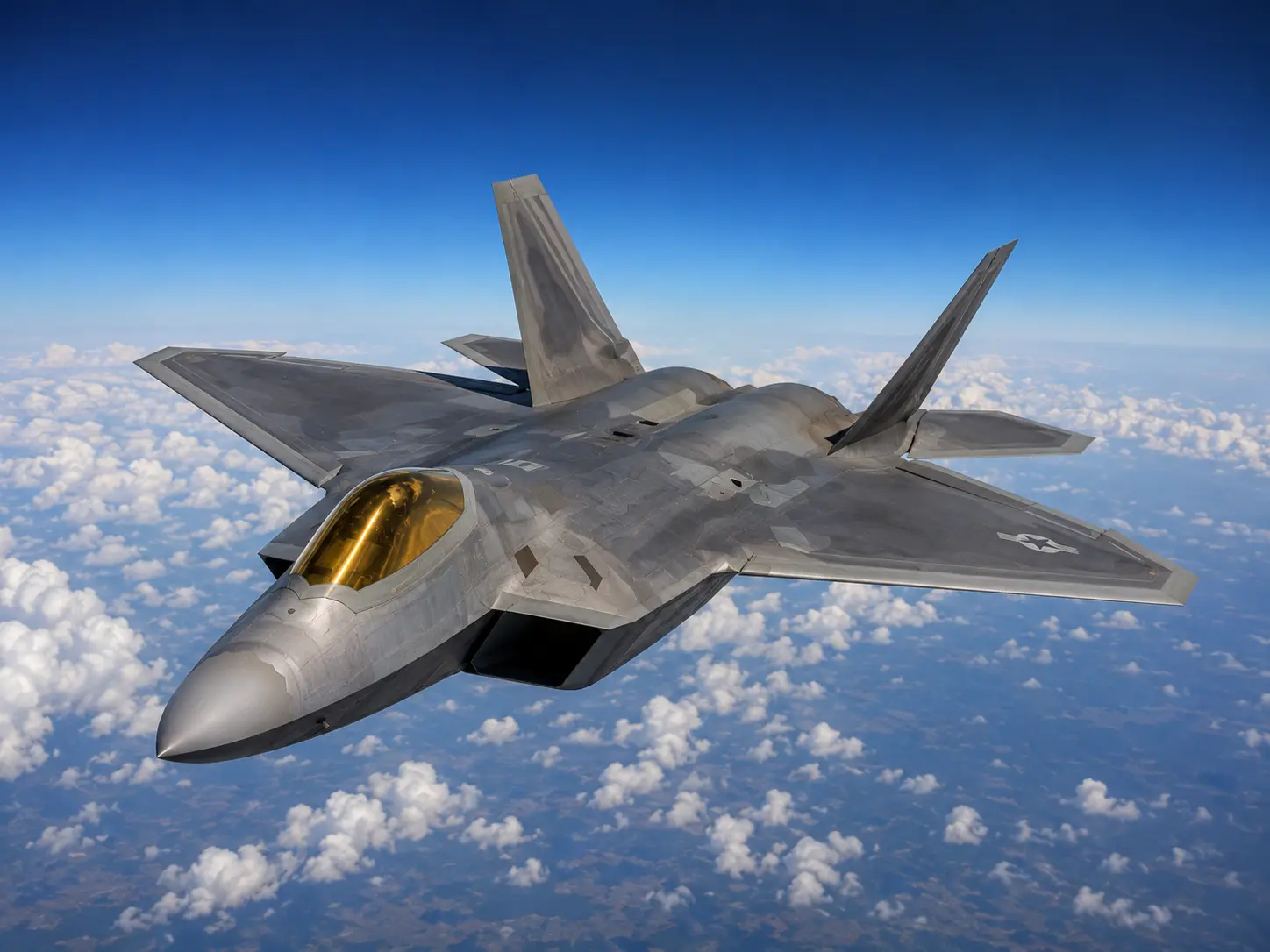
40 per cent missile boost
Launching weapons from 50,000 feet at supersonic speeds imparts massive initial kinetic energy to air-to-air missiles. An AIM-120 missile fired from this altitude travels up to 40 per cent further than one launched at 30,000 feet, allowing the Raptor to destroy enemy targets from a safe distance.
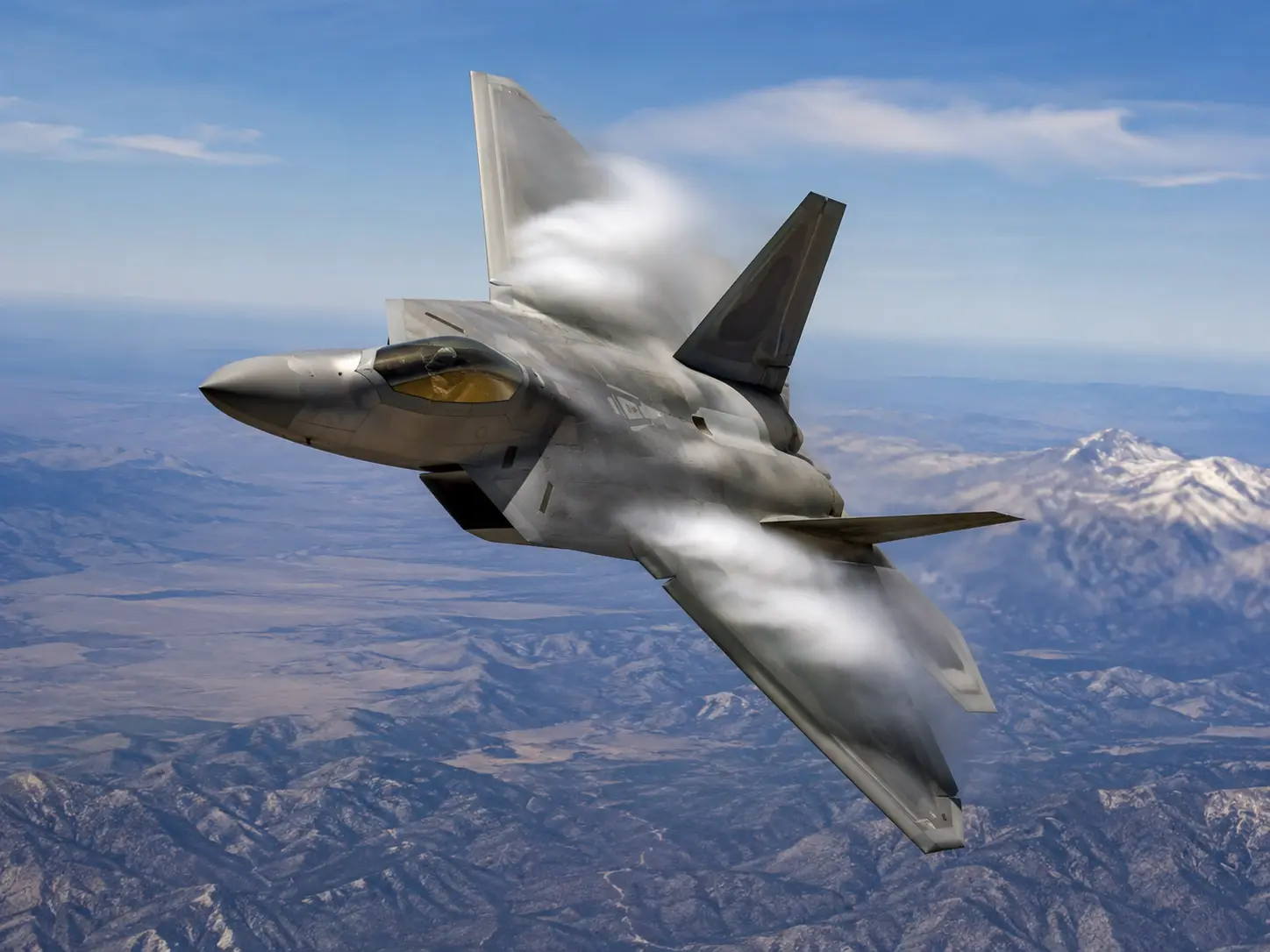
250-mile radar horizon
Cruising in the upper stratosphere significantly extends the line-of-sight for the aircraft's advanced onboard sensors. From a 50,000-foot perch, the active electronically scanned array radar can scan a horizon stretching over 250 miles, detecting low-flying threats long before they can spot the Raptor.
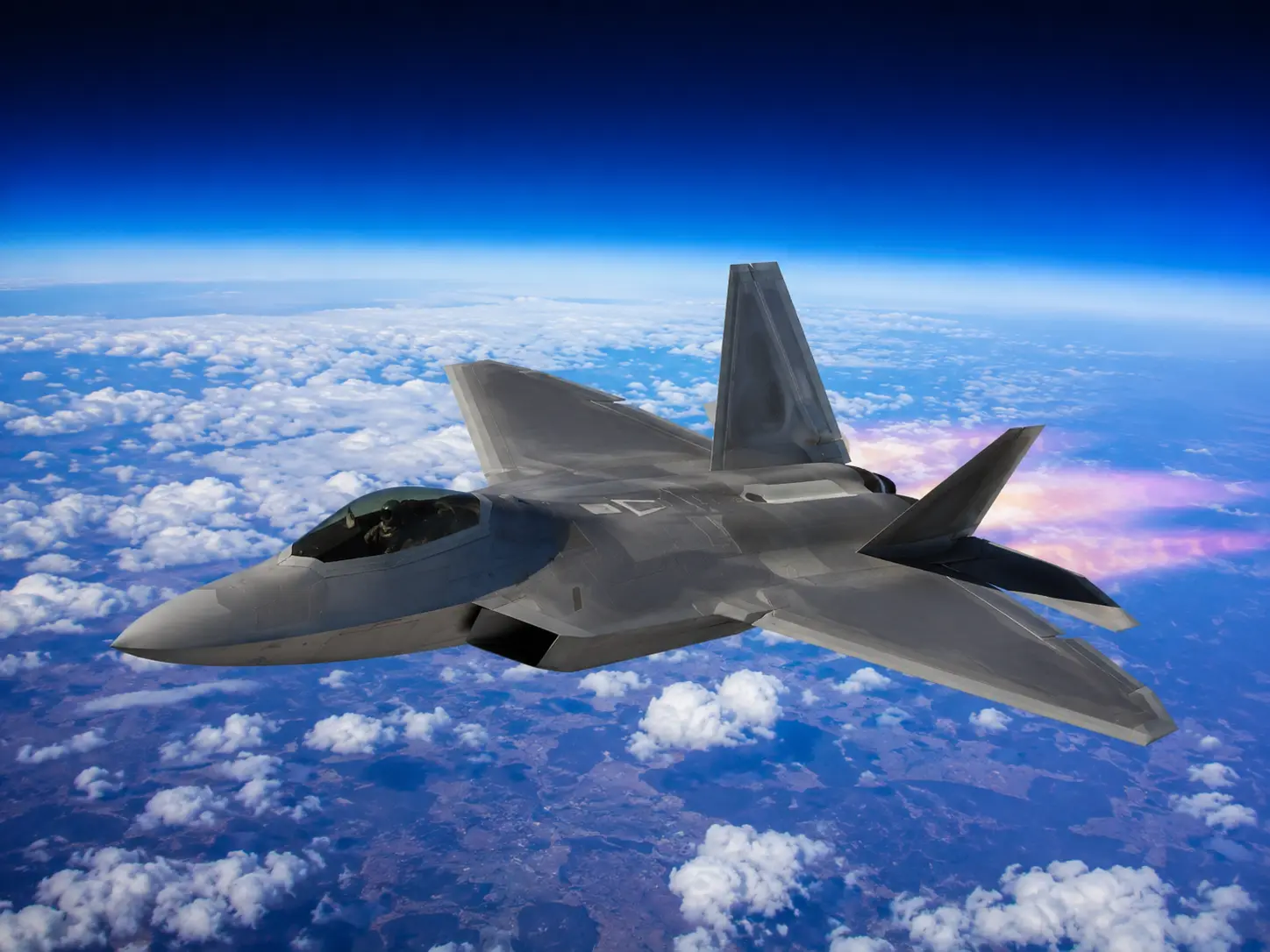
Above 42,000-foot air traffic
Standard commercial airliners typically operate in congested flight corridors between 30,000 and 42,000 feet. Maintaining an operational baseline of 50,000 feet ensures the stealth fighter remains entirely clear of civilian traffic, allowing pilots to execute rapid tactical manoeuvres without the risk of mid-air collisions.
65,000-foot absolute ceiling
While routine missions happen at 50,000 feet, the aircraft can safely ascend to an absolute operational ceiling of 65,000 feet during active combat engagements. This extreme altitude capability forces enemy fighters to climb against gravity, quickly draining their fuel and kinetic energy before they can engage.
)
)
)
)
)