Why the F-22 fighter jet's engine nozzles move up and down during flight

The F-22 Raptor tilts its engine nozzles 20 degrees to redirect jet exhaust. This mechanical vectoring grants extreme combat agility, reduces drag, and shields the aircraft from radar tracking.
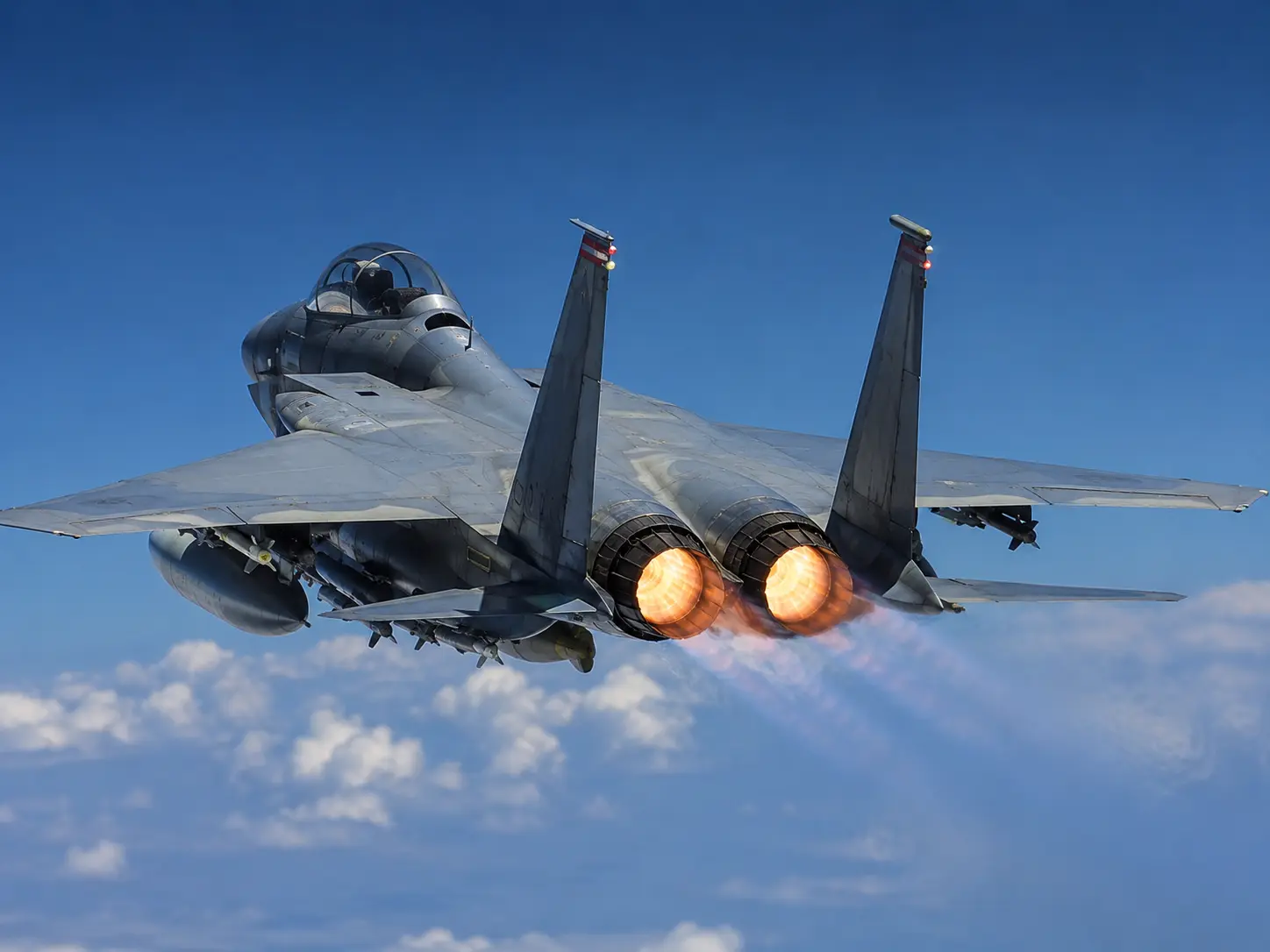
Twenty-Degree Thrust Vectoring
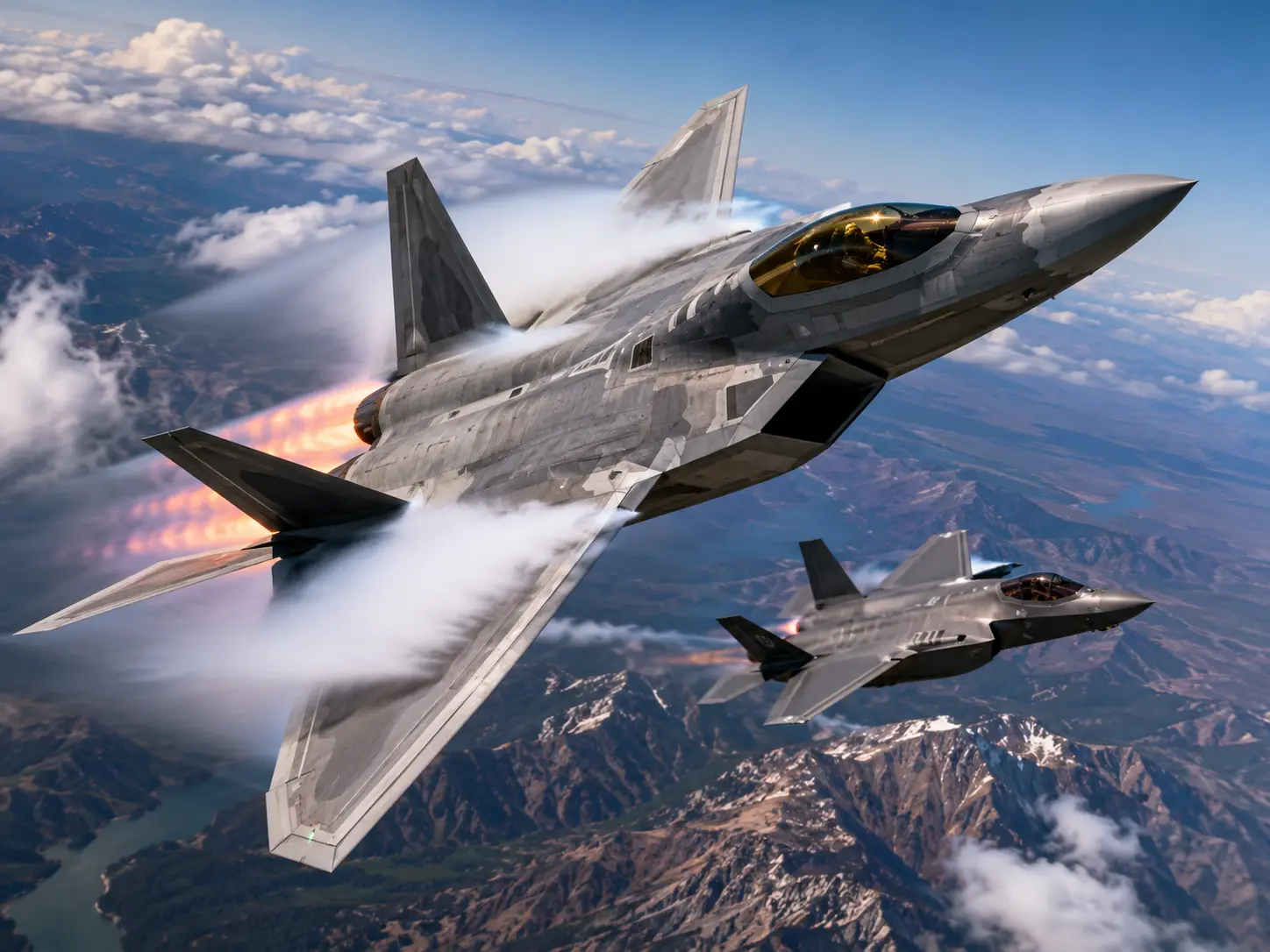
The F-22 Raptor relies on twin Pratt and Whitney F119 engines that generate roughly 35,000 pounds of thrust each. The rectangular exhaust nozzles can move up and down by 20 degrees. This process physically redirects the engine jet stream to push the tail of the aircraft instantly.
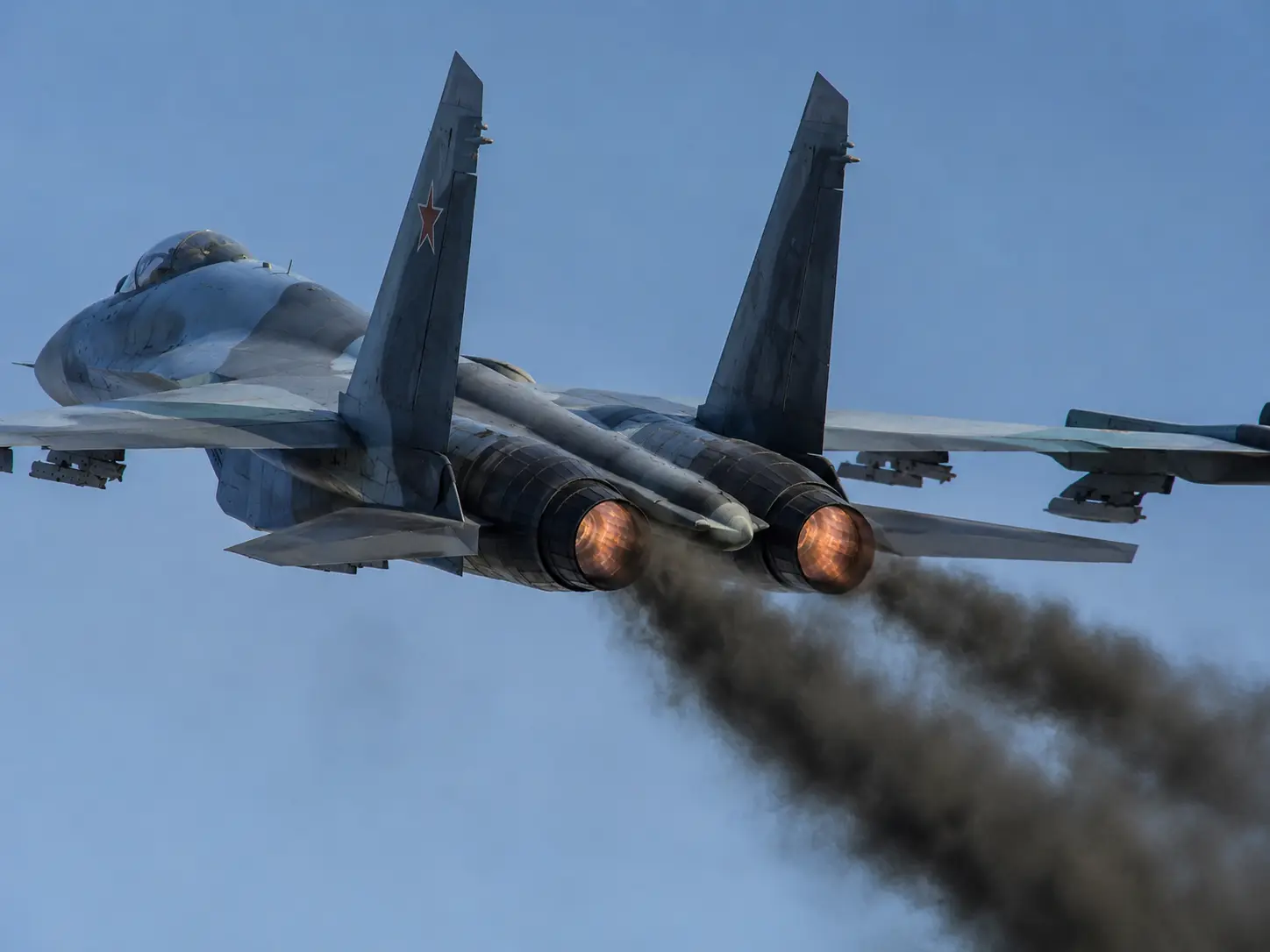
Achieving Extreme Aerial Agility
Directing engine exhaust upward or downward allows the stealth fighter to execute exceptionally sharp turns during close combat dogfights. This mechanical assistance lets the pilot point the nose of the jet rapidly regardless of airspeed. It enables advanced post-stall manoeuvres where traditional aerodynamic tail rudders normally lose their gripping authority.
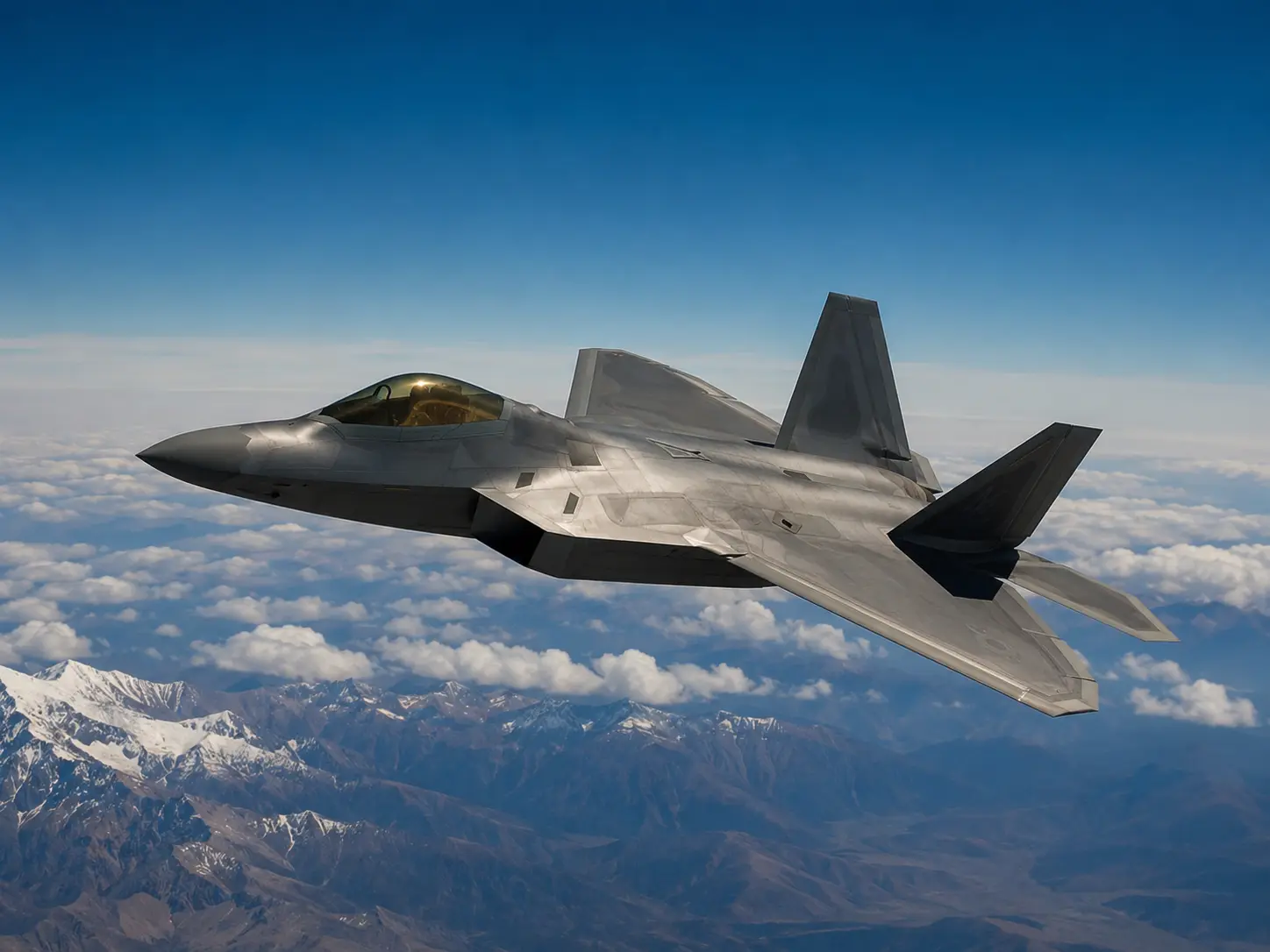
Reducing Supersonic Trim Drag
During high-speed flight, combat aircraft naturally experience downward pitching forces that require constant wing correction. Instead of angling large tail flaps that create massive aerodynamic drag, the automated flight system slightly tilts the engine nozzles. This efficient trimming helps the jet maintain supersonic cruise speeds exceeding Mach 1.5 without using fuel-heavy afterburners.
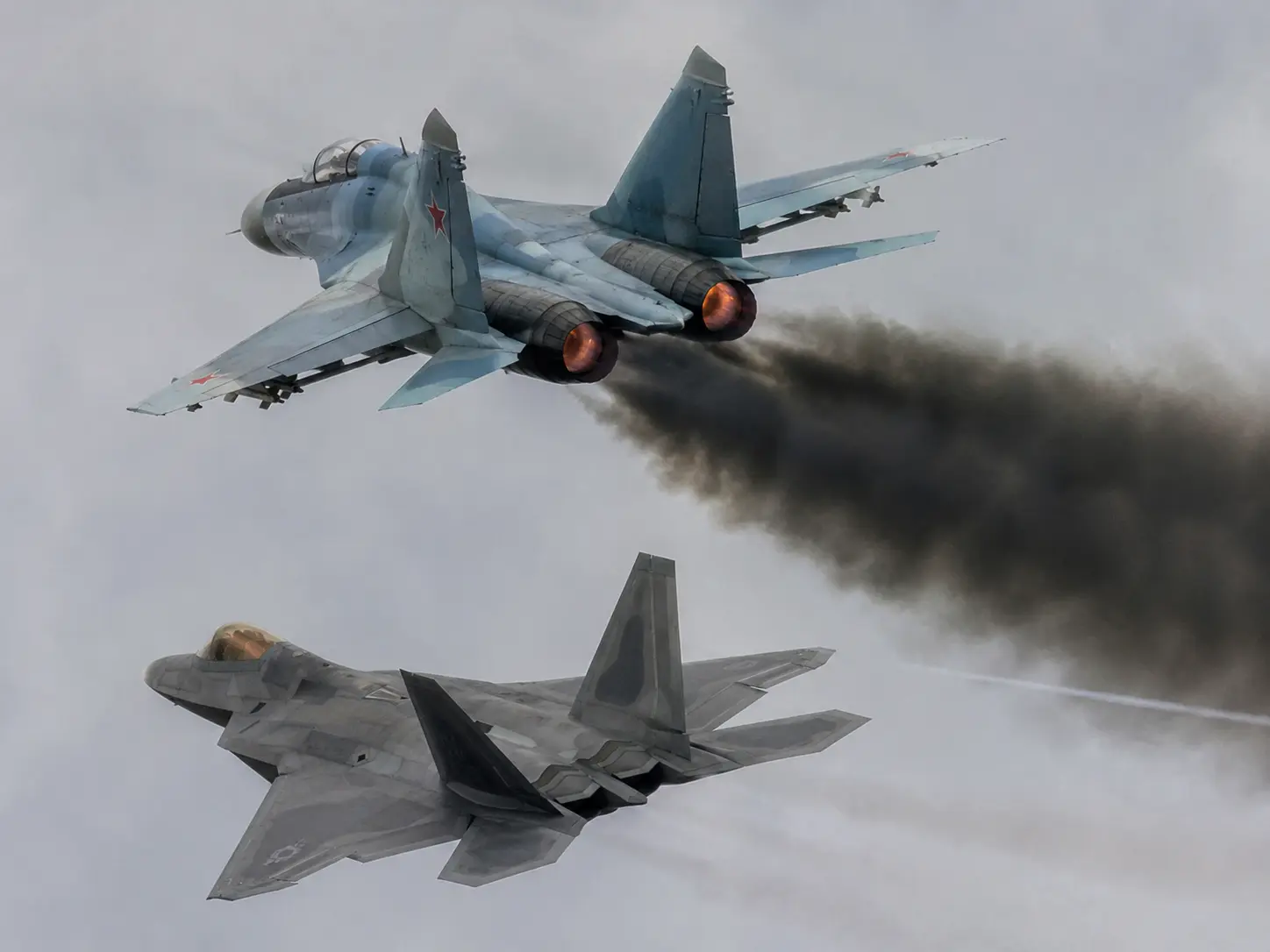
Shielding Heat And Radar
Traditional round jet nozzles act like reflectors for enemy radar and leave a large circular heat plume. The F-22 uses flattened, wedge-shaped nozzles lined with specialised radar-absorbing coatings to scatter incoming signals. This unique flat geometry also mixes cool outside air into the exhaust, drastically shrinking the infrared signature against heat-seeking missiles.
Dominating The Upper Stratosphere
Operating at altitudes exceeding 50,000 feet leaves standard aerodynamic tail flaps sluggish due to the extremely thin atmosphere. Because mechanical thrust vectoring relies on raw engine power rather than external air density, tilting the nozzles gives the Raptor absolute pitch control in the thin air. This tactical engineering allows the pilot to manoeuvre effortlessly where enemy jets struggle to maintain stable flight.
)
)
)
)
)