Why the F-22 fighter jet opens its weapon bays for less than one second to fire

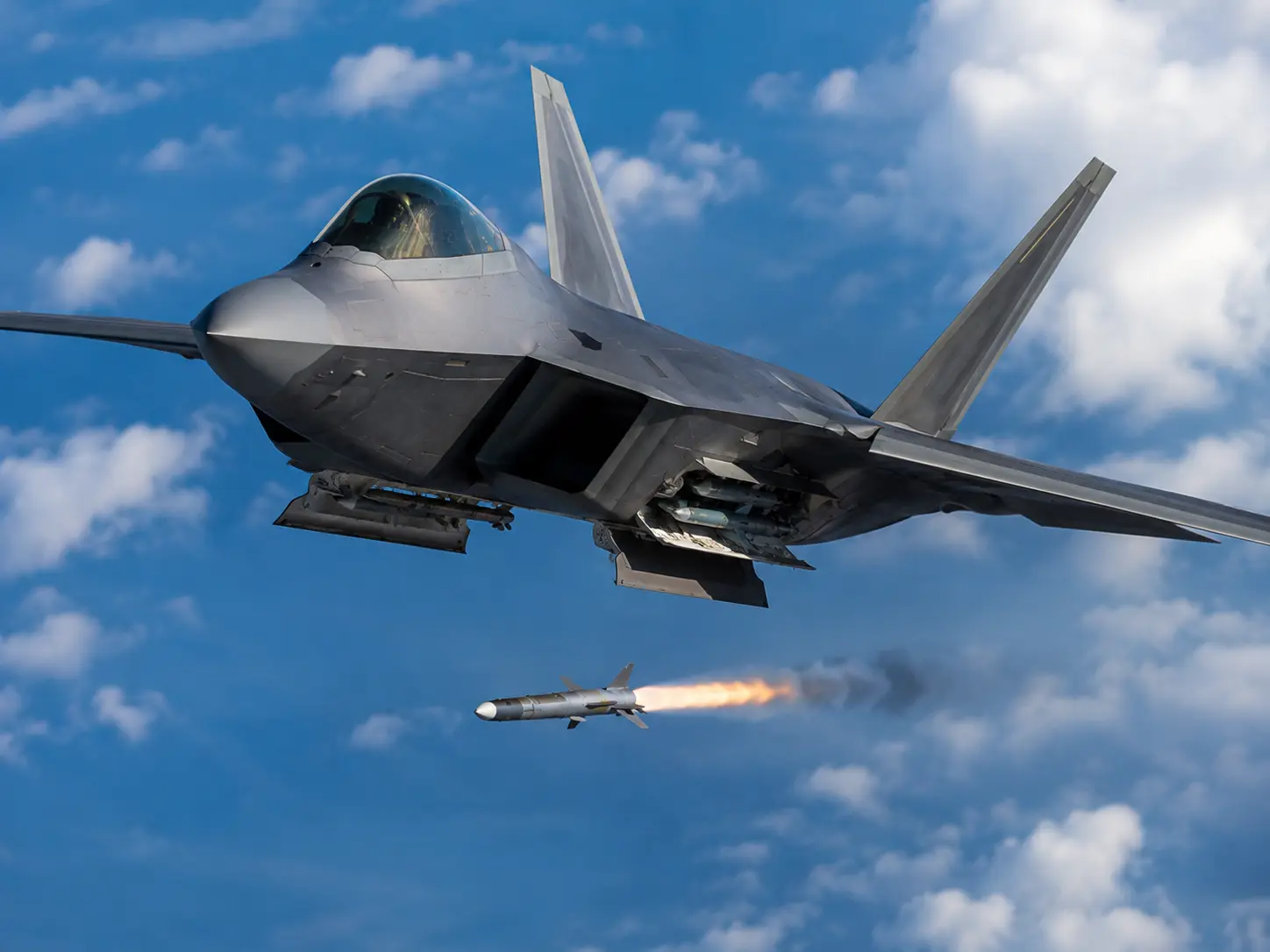
The F-22 Raptor ejects missiles at 40G using a pneumatic launcher. This sub-second cycle protects the fighter jet from radar detection and violent Mach 1.5 turbulence.
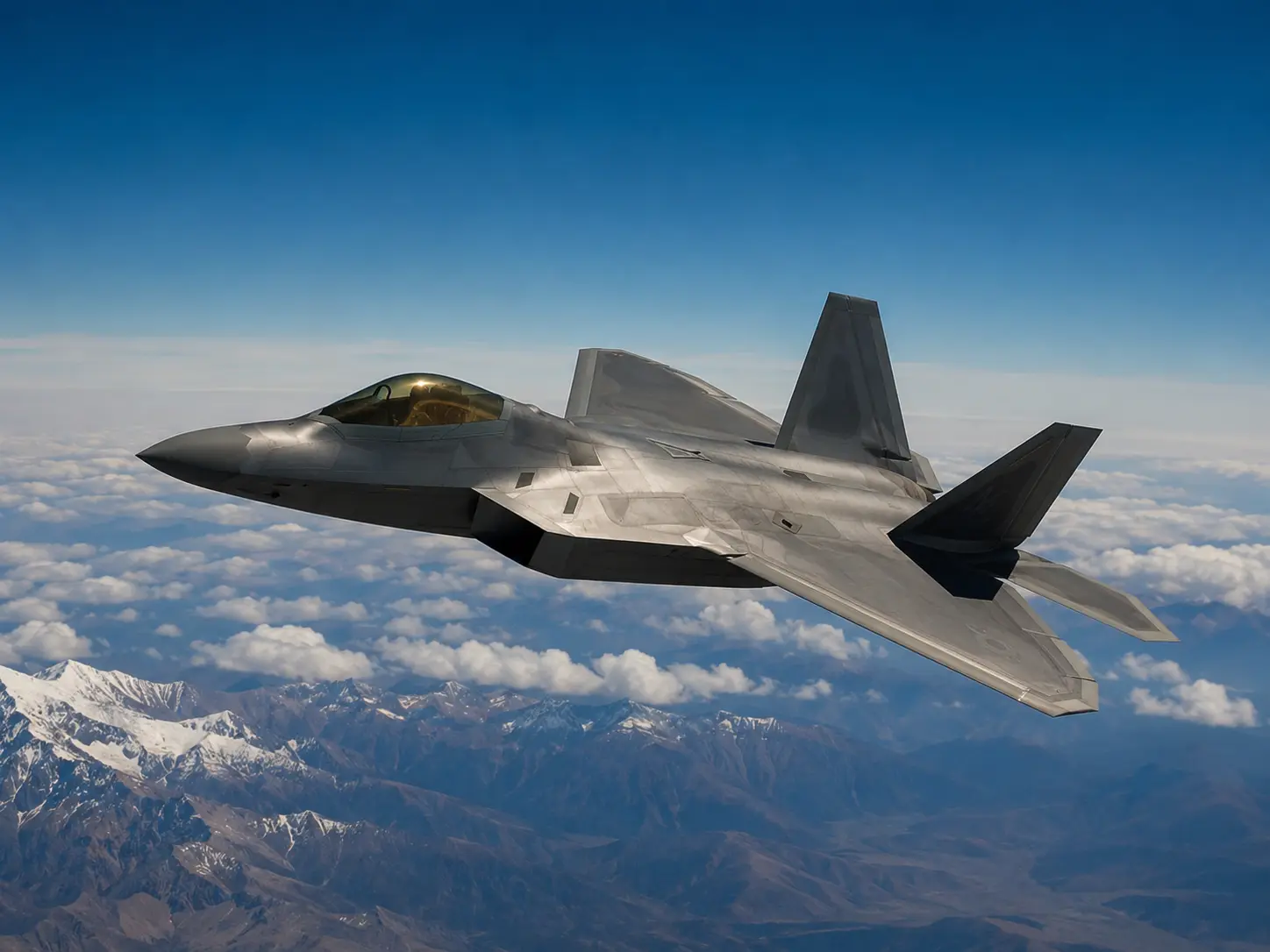
Preserving Radar Stealth
The F-22 Raptor carries its missiles inside internal weapon bays to maintain a tiny radar cross-section. The moment these doors open in combat, the jagged internal cavities act like radar reflectors that alert enemy air defence systems. Keeping the doors open for less than one second ensures the fighter jet remains virtually invisible on hostile radar screens.
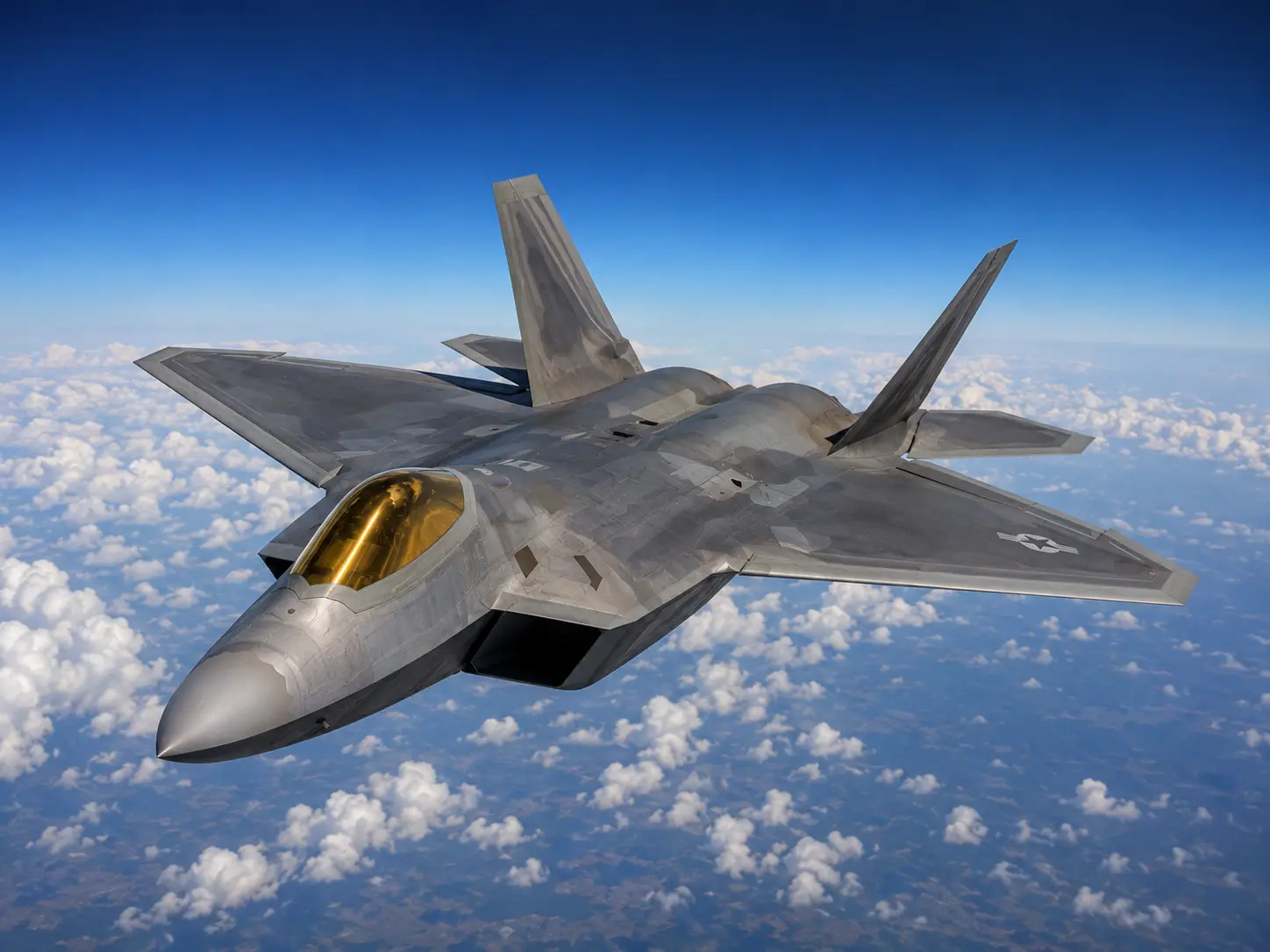
Surviving Supersonic Turbulence
Flying at cruise speeds exceeding Mach 1.5 generates intense airflow across the fuselage of the aircraft. Opening internal bays at these velocities creates severe acoustic vibrations exceeding 170 decibels, which can cause rapid structural fatigue. A sub-second firing cycle prevents supersonic drag from tearing the bay doors apart or damaging the stored missiles.
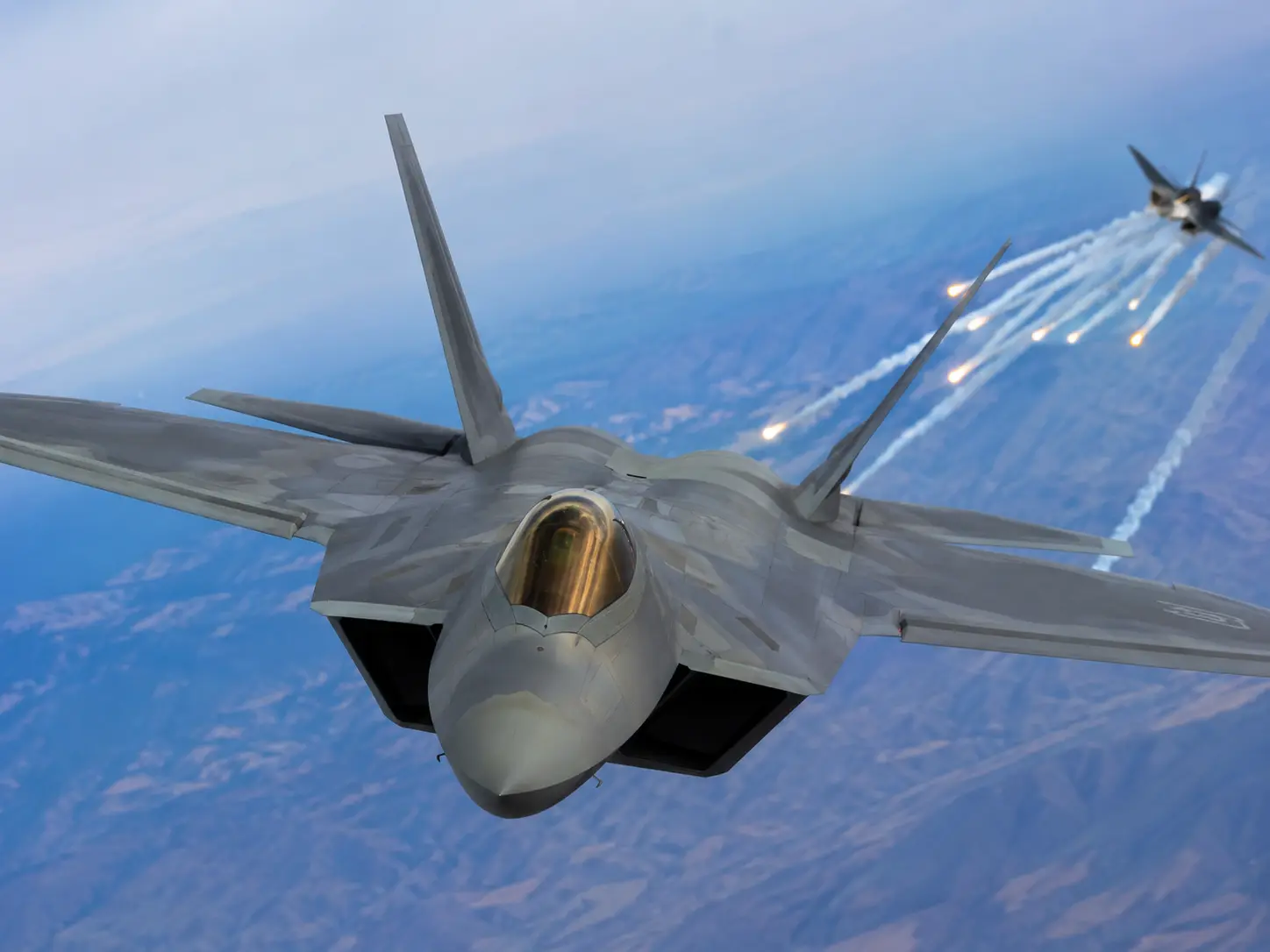
AU-142 Pneumatic Launcher
To deploy weapons instantly, the jet uses the LAU-142/A Vertical Eject Launcher. This specialised aluminium telescoping mechanism relies entirely on high-energy pneumatic power. It forcefully pushes munitions downward through the turbulent boundary layer away from the airframe.
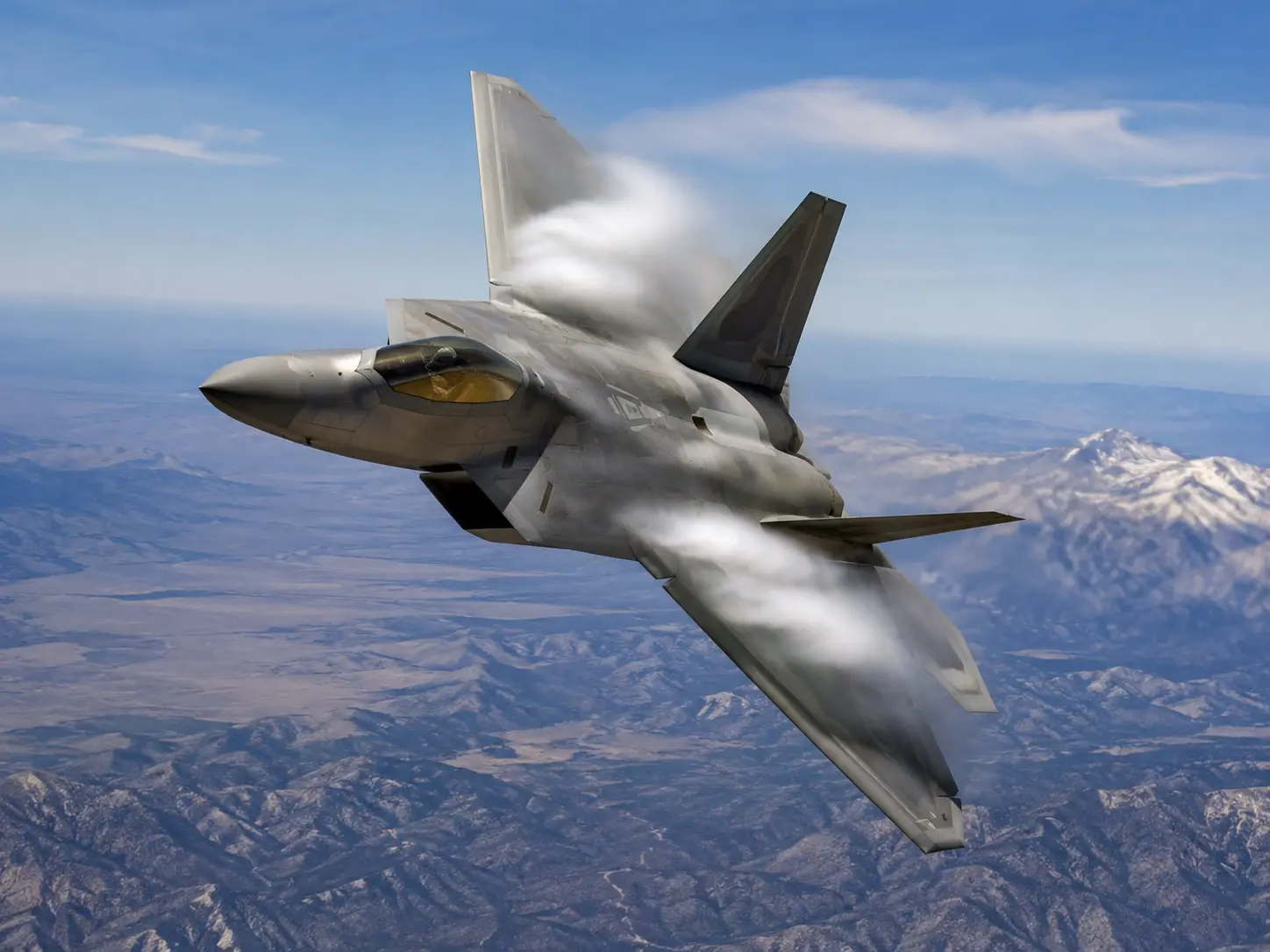
Launching At 40G Acceleration
The aluminium ejection launcher rapidly extends its nine-inch stroke to fling the AIM-120 AMRAAM missile downward at 25 feet per second. This sudden mechanical extension generates a peak acceleration of roughly 40G on the munition. This massive downward thrust clears the weapon from the aircraft airframe before its rocket motor ignites.
Eliminating Pyrotechnic Delays
Traditional combat aircraft often use explosive cartridges to forcefully jettison external payload stores during flight. The advanced pneumatic system of the F-22 completely eliminates these pyrotechnics, resulting in a cleaner and more predictable mechanical release. This reliable engineering allows the doors to snap open, eject the munition, and seal shut in a fraction of a second.
)
)
)
)
)