India at 80: 7 forgotten female freedom fighters who outsmarted British intelligence

India 80th Independence Day 2026: They carried secret messages, ran underground networks, slipped through police dragnets, and kept revolutionary movements alive when the British crackdown intensified. Here are 7 women freedom fighters whose stories deserve to be remembered.
The women who made the British Raj chase shadows
This year, in 2026, India will mark 80 years of independence.
While freedom fighters like Bhagat Singh, Mahatma Gandhi, and Sarojini Naidu are well-known, there are other lesser-known names whose contributions to the freedom struggle have somewhat gotten lost in the history pages.
The Indian freedom struggle was not fought only in public meetings and marches. When the British arrested prominent leaders, women stepped into the underground, carrying messages, running clandestine networks, sheltering revolutionaries and, in some cases, directly taking on the colonial state.
From secret radio stations and underground networks to daring disguises and revolutionary missions, these women freedom fighters repeatedly slipped past the colonial machinery trying to crush India's independence movement. Here are seven women whose ingenuity made them particularly difficult for British authorities to stop.
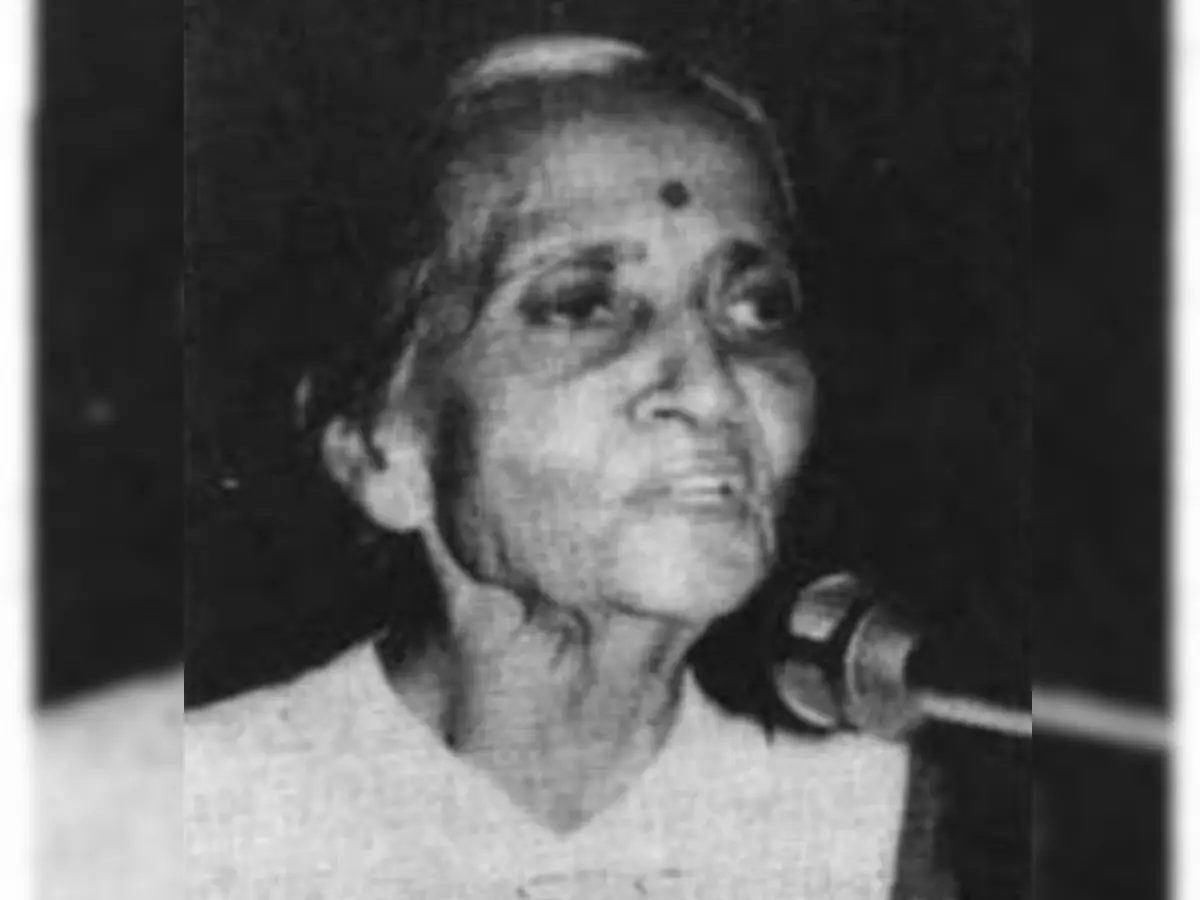
1. Usha Mehta: The woman behind the secret Congress Radio
At just 22, Usha Mehta helped establish the underground Congress Radio during the Quit India Movement in 1942. The station broadcast uncensored news and messages from the nationalist movement at a time when the British had clamped down heavily on the press.
The team repeatedly shifted the transmitter's location to stay ahead of the authorities. The radio operated for roughly three months before police finally tracked it down in November 1942.
Even after her arrest, Mehta refused to cooperate with investigators. The Criminal Investigation Department interrogated her for months, but she remained silent and was eventually sentenced to four years in prison.
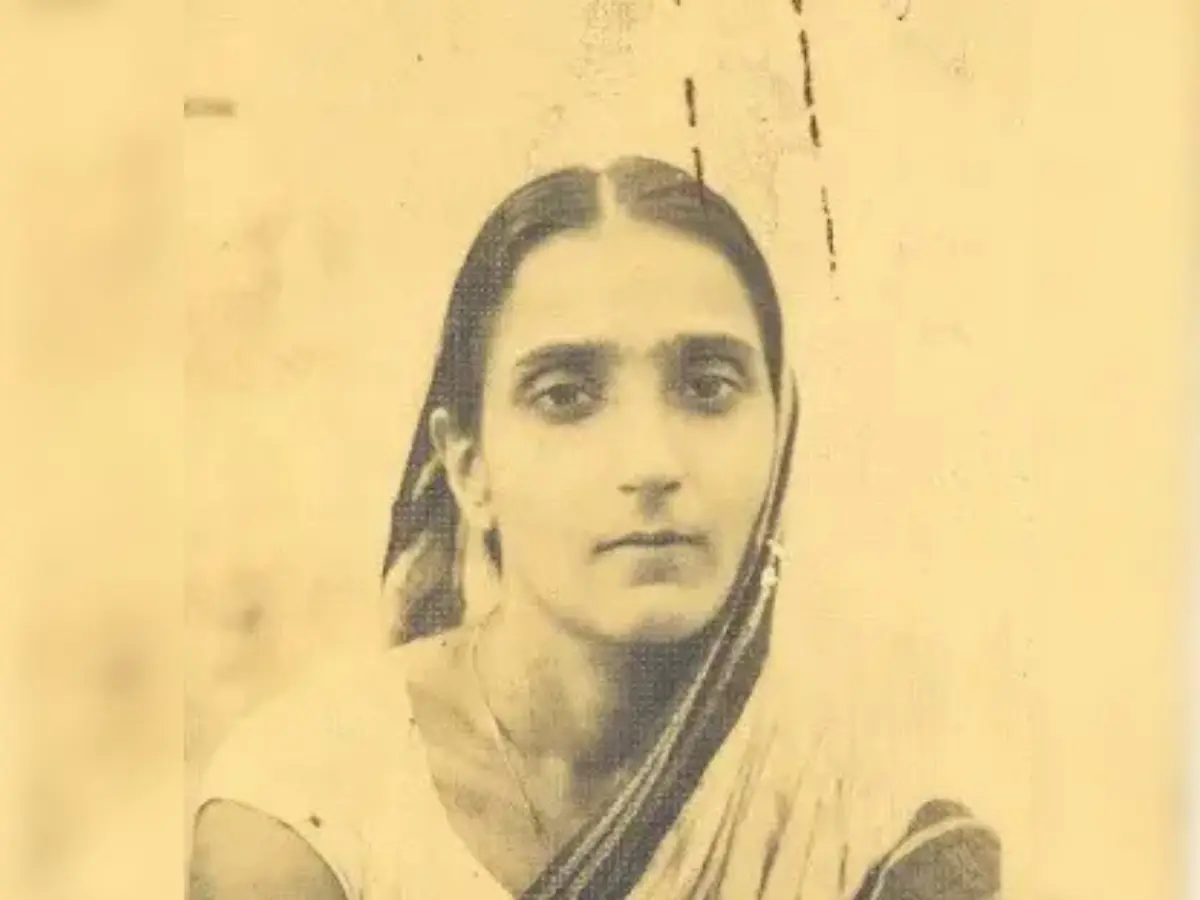
2. Durga Bhabhi: The 'wife' who smuggled Bhagat Singh past the police
After the killing of British police officer J.P. Saunders in Lahore in 1928, Bhagat Singh was being hunted by colonial authorities. At the time, Durga Bhabhi, whose real name was Durgawati Devi, stepped in.
She travelled with Bhagat Singh, who had cut his hair, shaved his beard and adopted a Western appearance. Durga posed as his wife, while her young son completed the appearance of an ordinary family. The disguise helped them get through the police dragnet and leave Lahore by train.
Durga was much more than an accomplice in an escape. She was part of the HSRA's underground network, helped transport weapons and messages and later participated in armed action herself. British intelligence also monitored her activities.
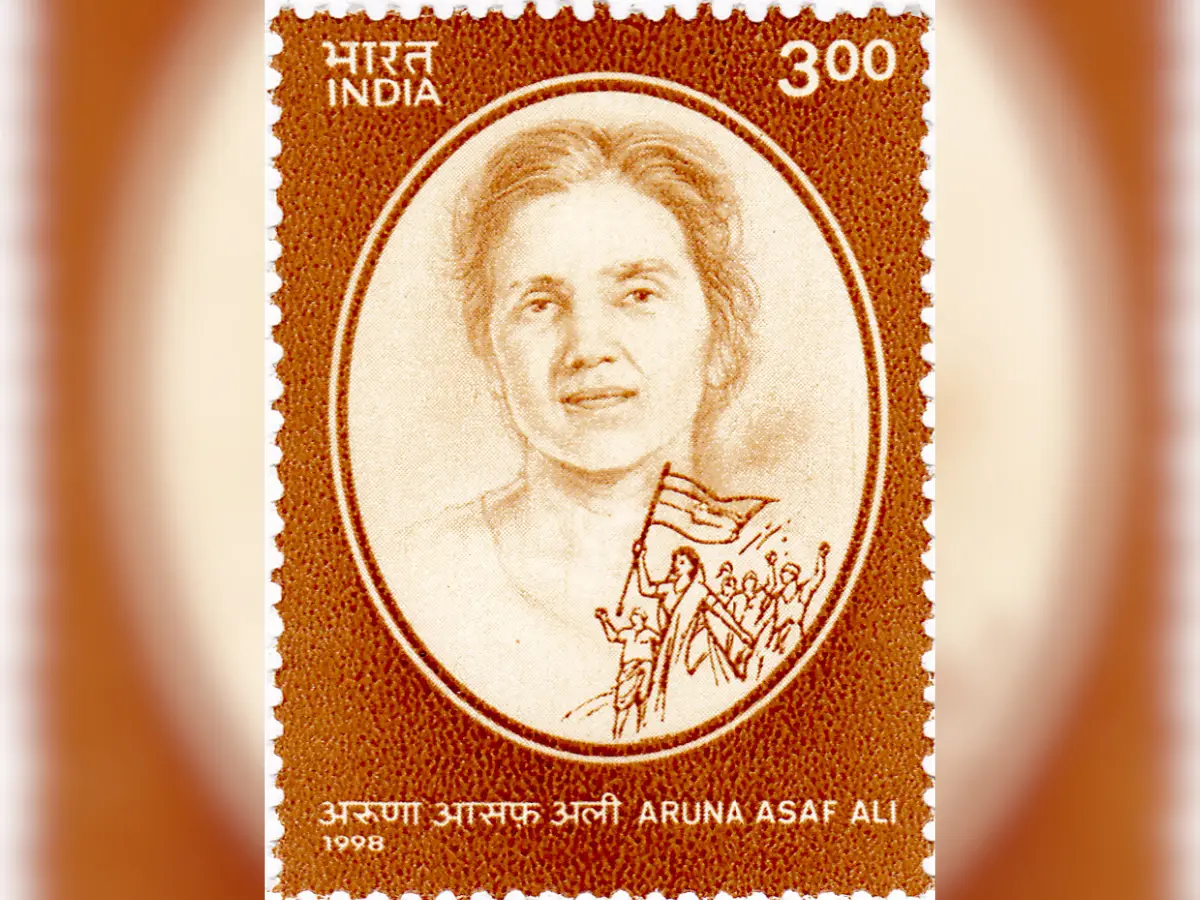
3. Aruna Asaf Ali: The fugitive who refused to surrender
On August 9, 1942, Aruna Asaf Ali hoisted the national flag at Gowalia Tank Maidan in Bombay, becoming one of the most recognisable faces of the Quit India Movement. The British soon issued a warrant for her arrest.
Instead of surrendering, Aruna went underground and continued working with nationalist networks. She also edited the Congress journal Inquilab while in hiding.
The colonial government announced a reward of Rs 5,000 for information leading to her capture and seized her property. Even Mahatma Gandhi later urged her to surrender, but she remained underground until the arrest warrant was withdrawn in 1946.
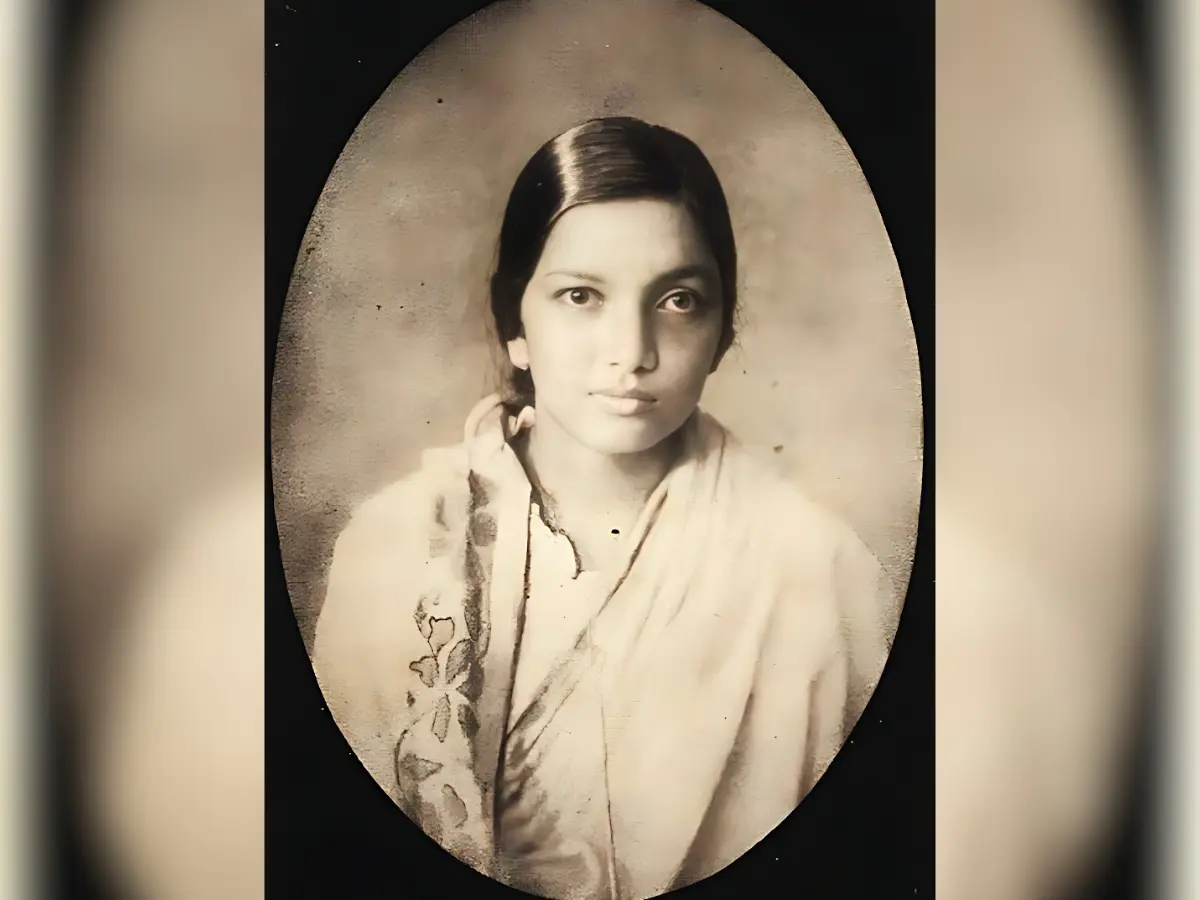
4. Kalpana Dutt: The revolutionary who stayed hidden after Chittagong
Kalpana Dutt joined Surya Sen's revolutionary group in Chittagong while still a young student. She later participated in the Chittagong Armoury Raid movement and went underground with Sen and other revolutionaries.
She was involved in preparing explosives and was part of efforts to free imprisoned revolutionaries. For months, British authorities struggled to gather enough evidence against her.
In May 1933, when the revolutionary group was close to being surrounded, Kalpana surrendered so that others could escape. She was sentenced to life imprisonment but was released in 1939.
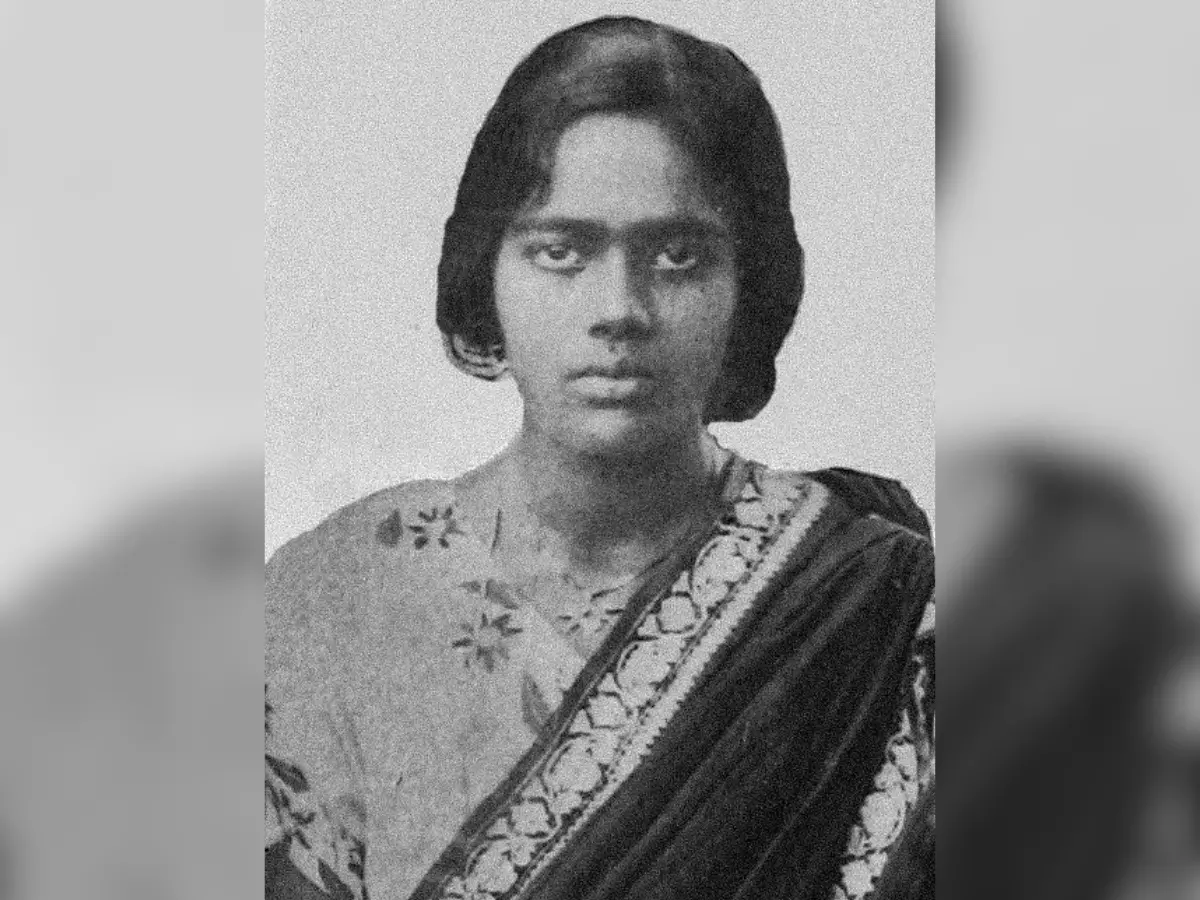
5. Pritilata Waddedar: The revolutionary who refused to be captured
Pritilata Waddedar joined Surya Sen's underground revolutionary organisation in Chittagong. According to historical accounts, women were considered less likely to attract police suspicion, allowing them to carry messages and supplies for the revolutionary network.
In September 1932, she led an armed attack on the Pahartali European Club, a symbol of colonial racial discrimination. She was wounded during the operation and found herself surrounded by colonial forces. Rather than allow herself to be captured, Pritilata consumed cyanide and died at the age of 21.
Her body was later found with revolutionary material, including leaflets and a draft of the attack plan.
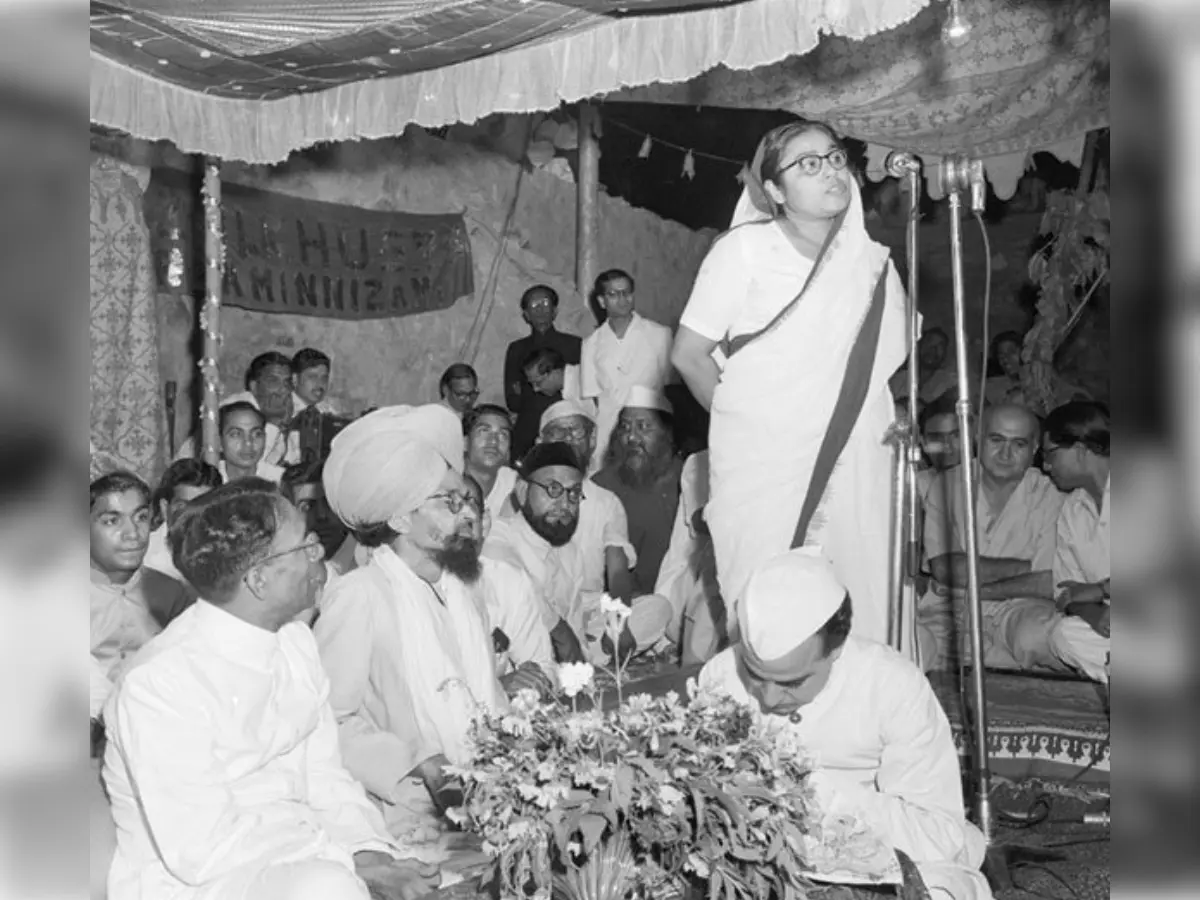
6. Sucheta Kriplani: The underground organiser in the colonial capital
When the British arrested most of the Congress leadership immediately after the launch of the Quit India Movement, the movement suddenly lost its central leadership.
Sucheta Kriplani stepped into the gap. She helped organise the underground Congress network in Delhi, maintaining communications and keeping the movement functioning while senior leaders remained behind bars.
She was eventually arrested and imprisoned, but her role demonstrated how women became crucial organisers when the British crackdown had removed much of the visible leadership.
In 1963, she became the Chief Minister of Uttar Pradesh, the first woman Chief Minister of independent India.
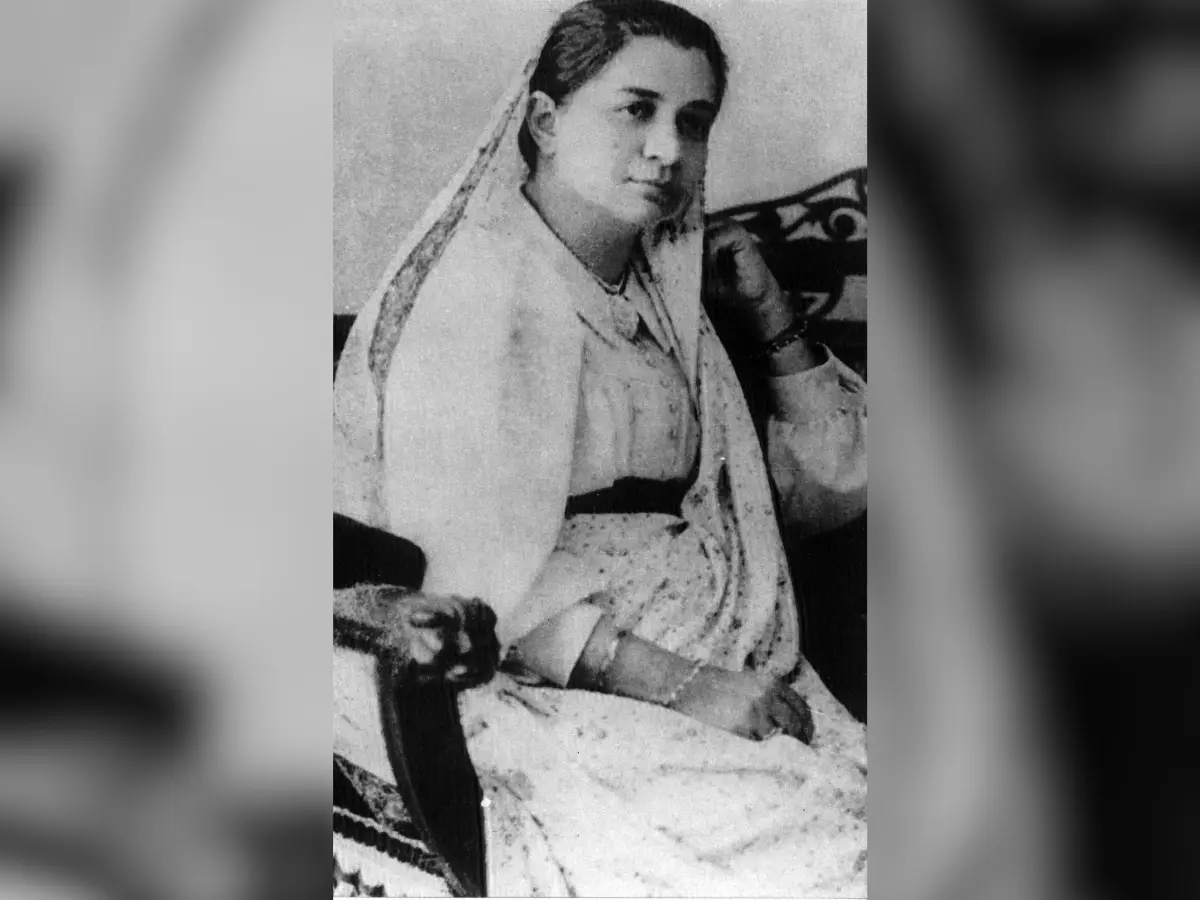
7. Bhikaji Cama: The exile Britain could not silence
Bhikaji Cama fought the British Raj from abroad, where she could operate beyond the immediate reach of colonial authorities.
Living in Europe, she campaigned internationally for Indian independence, helped build support for the cause, and worked with other Indian nationalists abroad. In 1907, she famously unfurled an early version of an Indian national flag at the International Socialist Congress in Stuttgart, Germany.
Her decision to operate from outside India allowed her to take the independence campaign to international audiences and continue advocating for Indian self-rule despite British opposition.
)
)
)
)
)