Why the F-22 doesn't need afterburners to fly at Mach 1.5

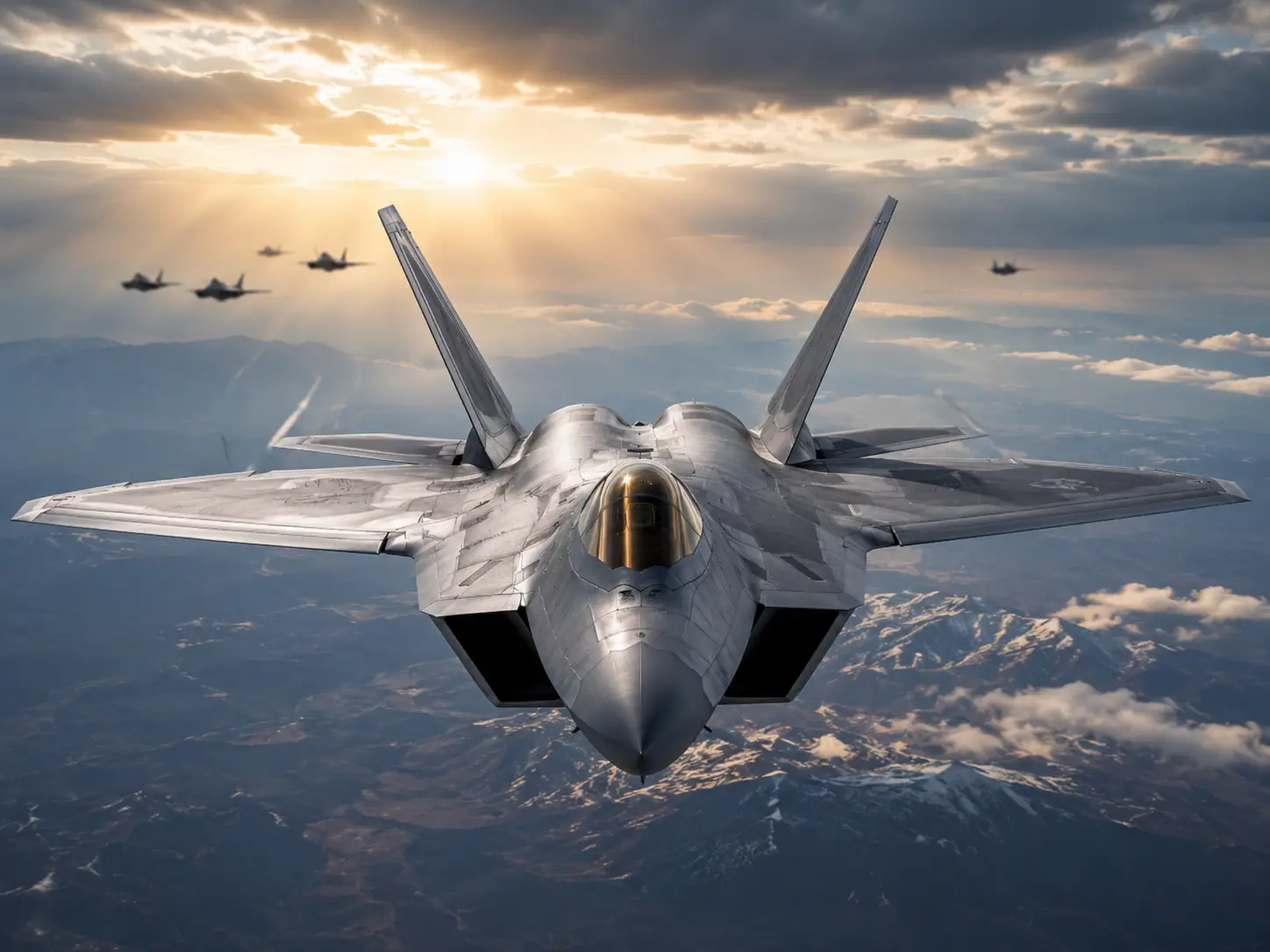
The F-22 Raptor uses advanced F119 engines and supercruise to fly past Mach 1.5 without fuel-heavy afterburners. This saves immense fuel and heavily extends its combat radius.
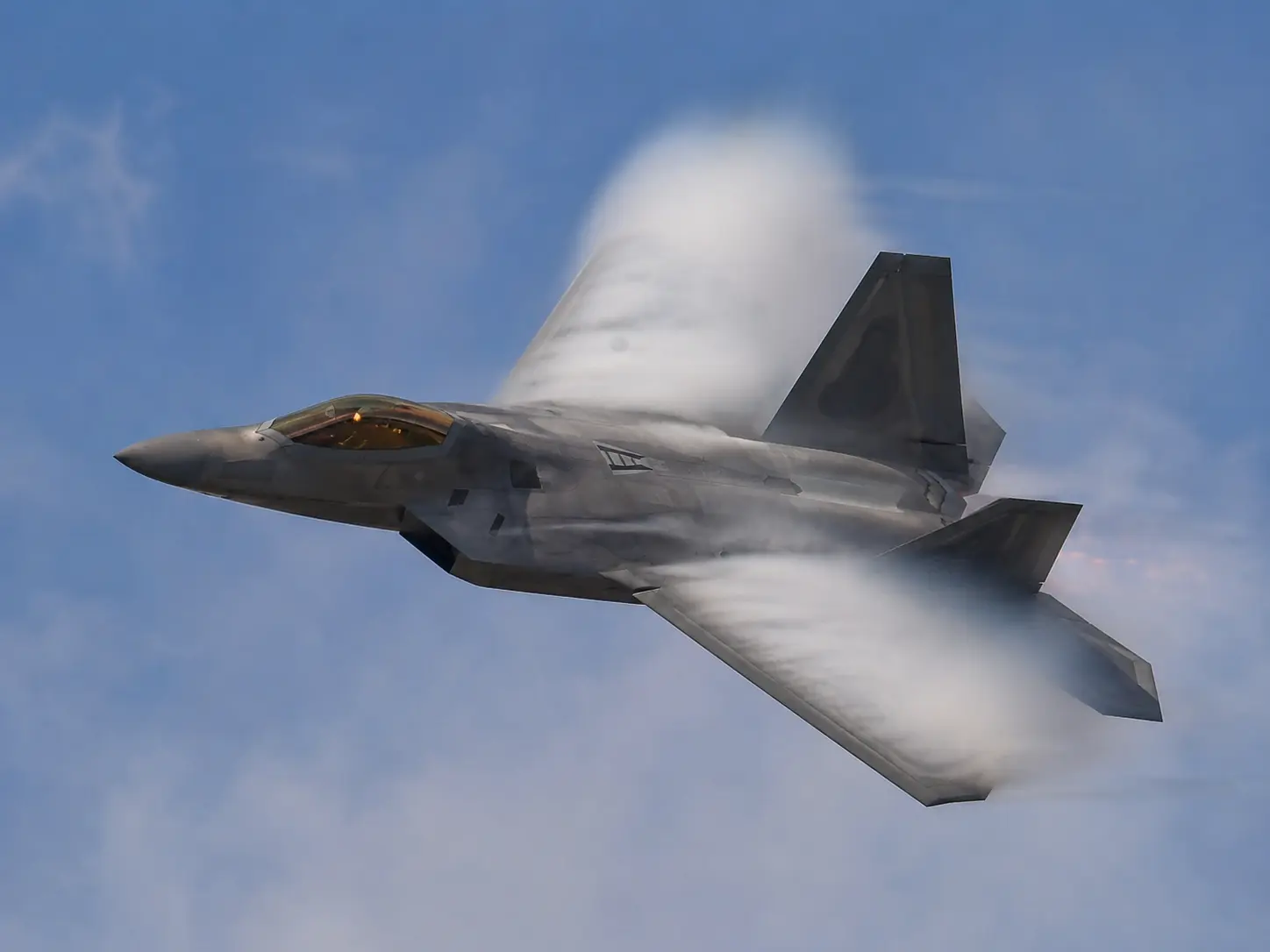
Over Mach 1.5 Speeds
The F-22 Raptor is uniquely designed for supercruise, allowing it to sustain supersonic speeds exceeding Mach 1.5. It achieves this rapid pace without engaging fuel-heavy afterburners. This allows the fighter to travel quickly while maintaining fuel efficiency during combat missions.
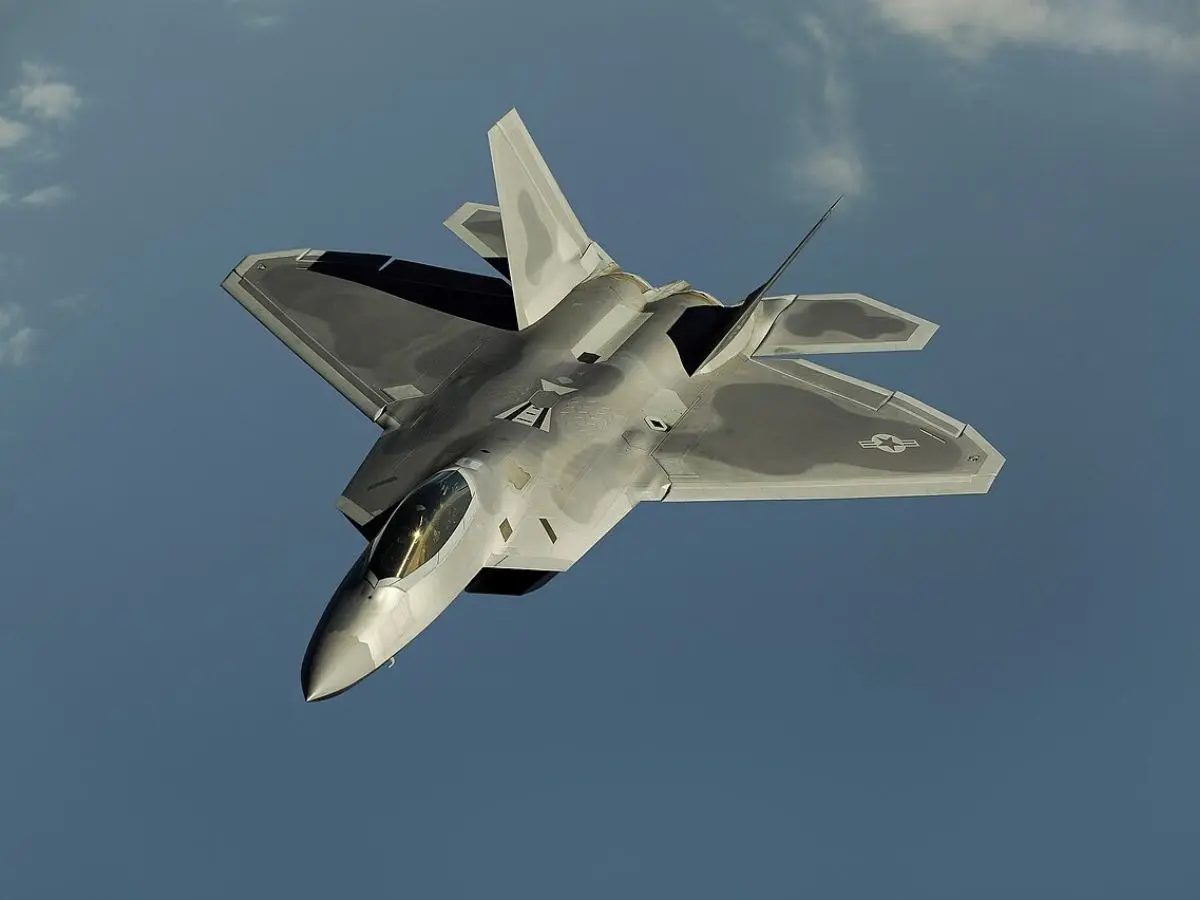
2 Powerful F119 Engines
The aircraft is powered by two advanced Pratt & Whitney F119 turbofan engines. Each engine delivers exceptional dry thrust to push the jet past the sound barrier. These engines are specifically built to maintain supersonic flight while burning standard amounts of fuel.
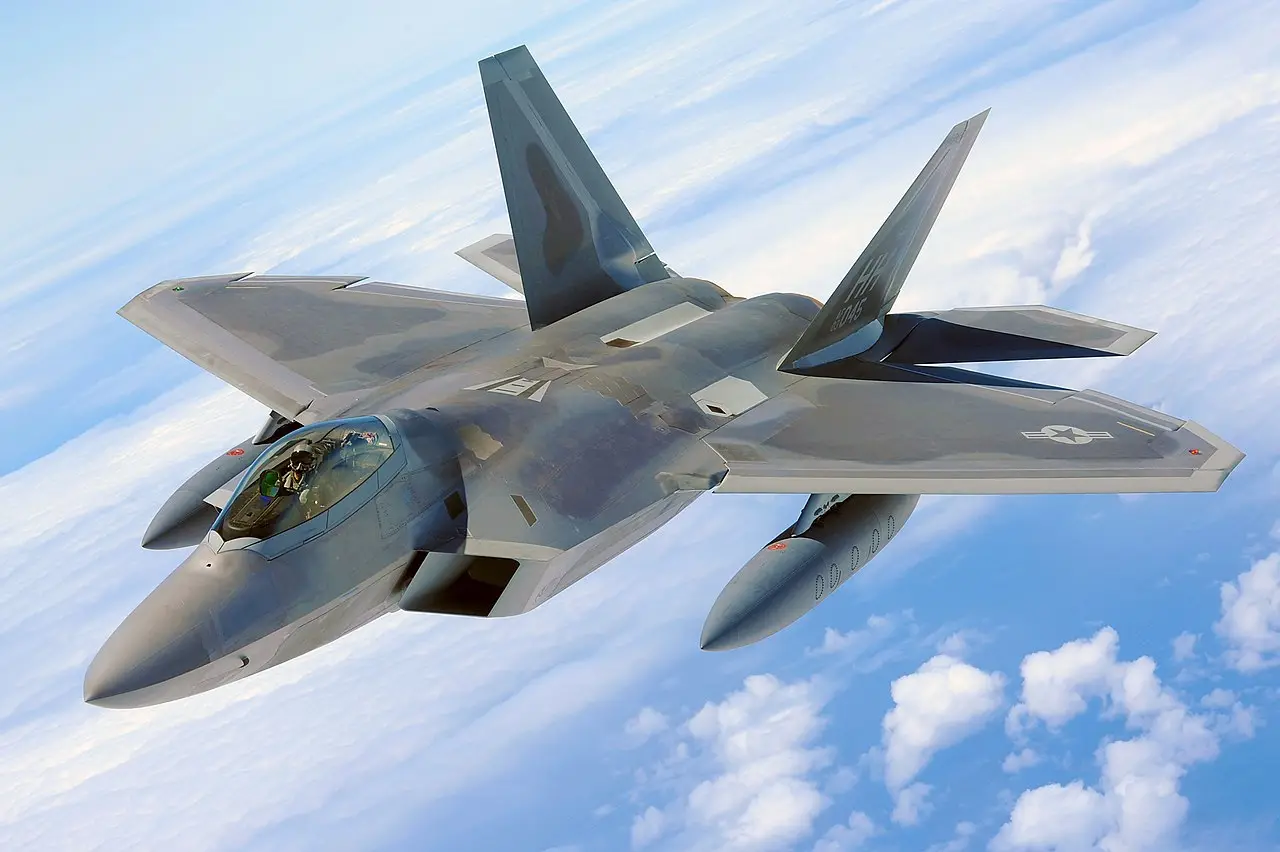
Avoids 3X Fuel Burn
Conventional fighter jets must ignite their afterburners to fly at supersonic speeds, which burns fuel nearly three times faster. By relying entirely on supercruise, the F-22 avoids this massive drain. This strict efficiency ensures the aircraft can operate longer in hostile airspace.
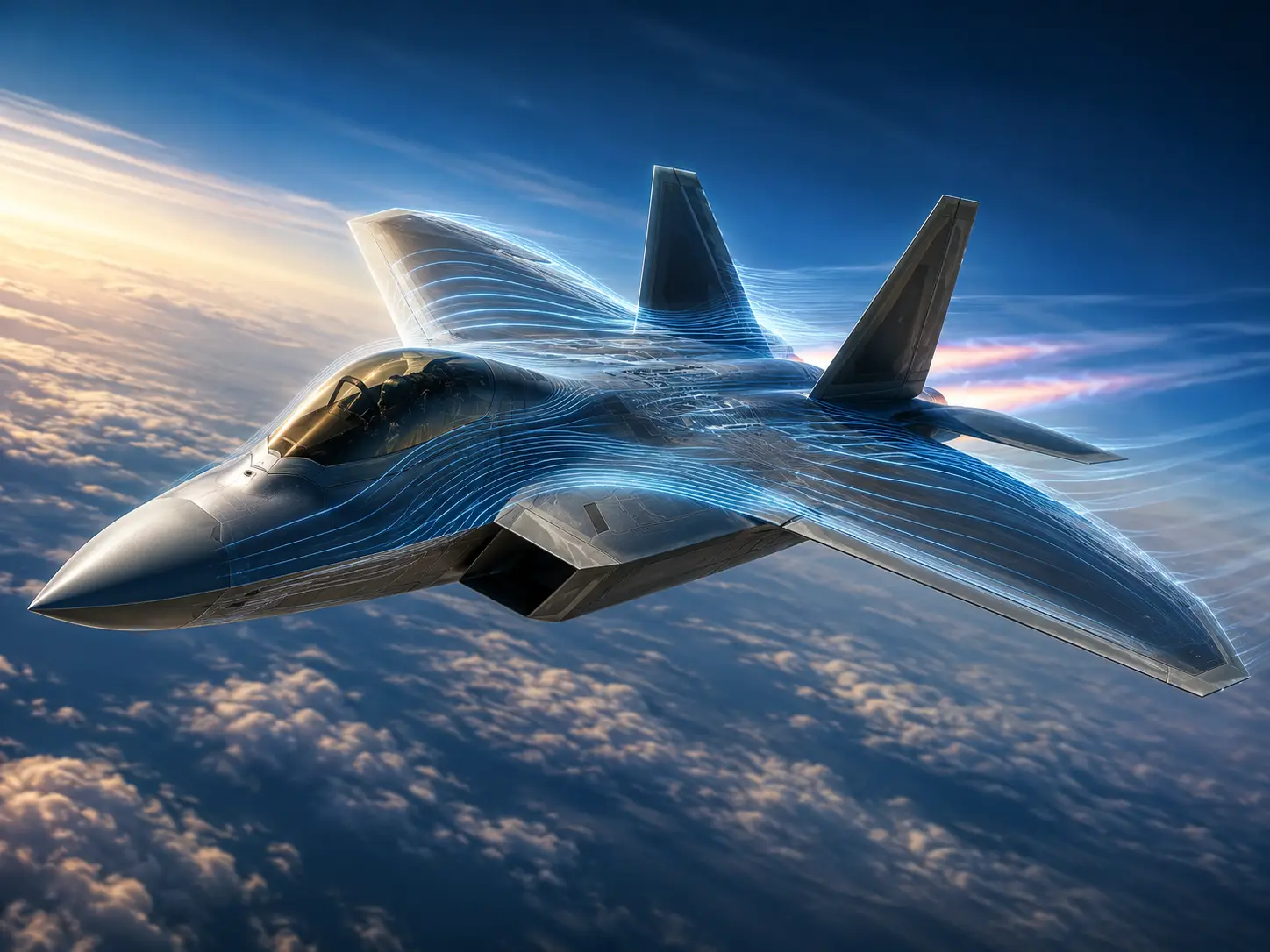
18,000 lbs Fuel Capacity
Using only its internal fuel tanks, the stealth fighter carries a capacity of 18,000 lbs of fuel. The aerodynamic structure stores weapons internally to reduce drag. Lower air resistance means the engines do not have to burn extra fuel to push the aircraft forward.
750 Miles Supercruise Range
Thanks to its supercruise capability, the Raptor can fly up to 750 miles at supersonic speeds without external drop tanks. Jets using afterburners would drain their tanks in just 250 miles. This extends its combat radius significantly compared to older generation aircraft.
)
)
)
)
)