Why the F-22 can operate above 60,000 feet with ease

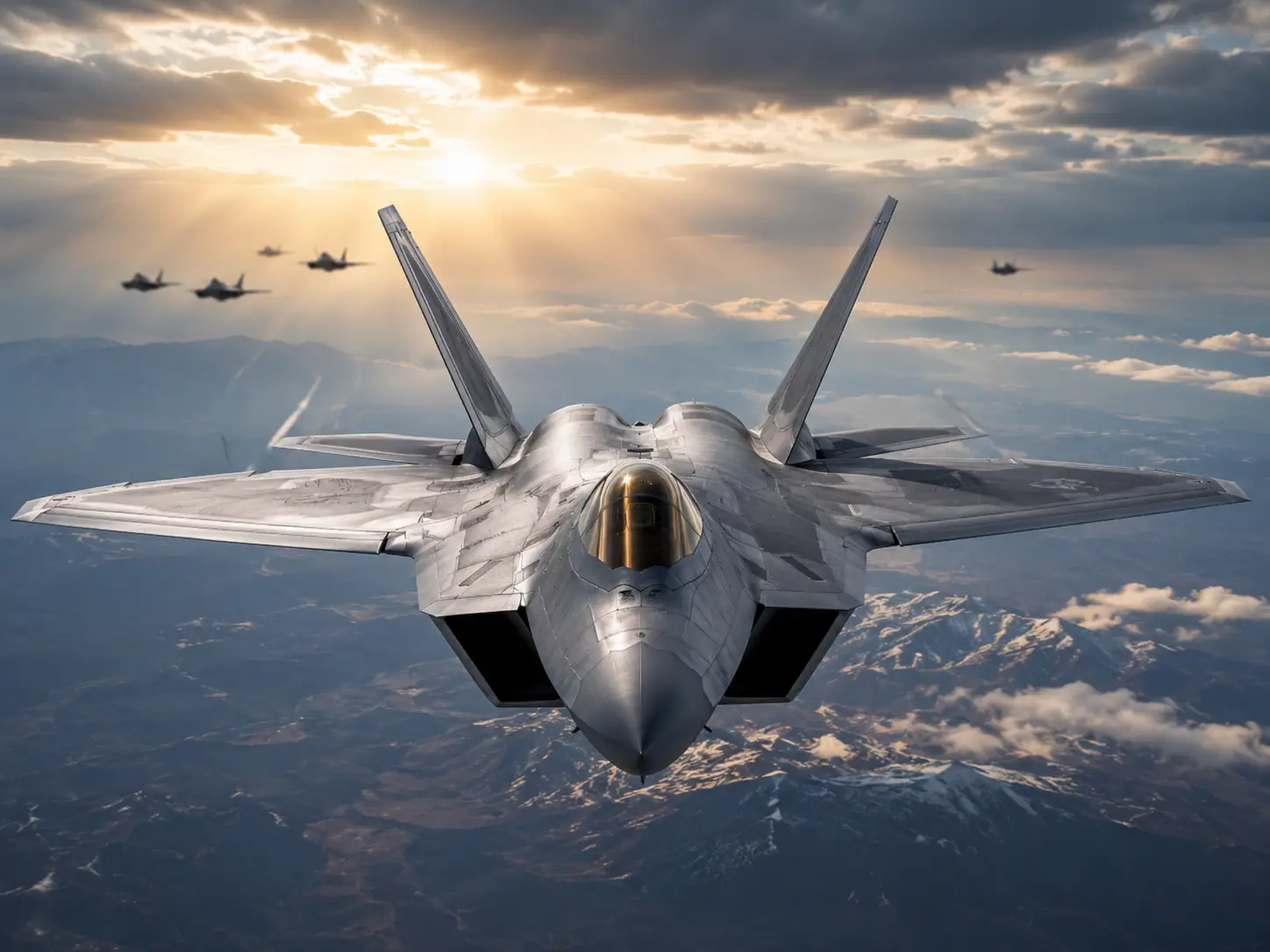
The F-22 Raptor easily operates above 60,000 feet thanks to its powerful F119 engines and thrust-vectoring technology. This extreme altitude grants the aircraft a massive tactical advantage during aerial combat.
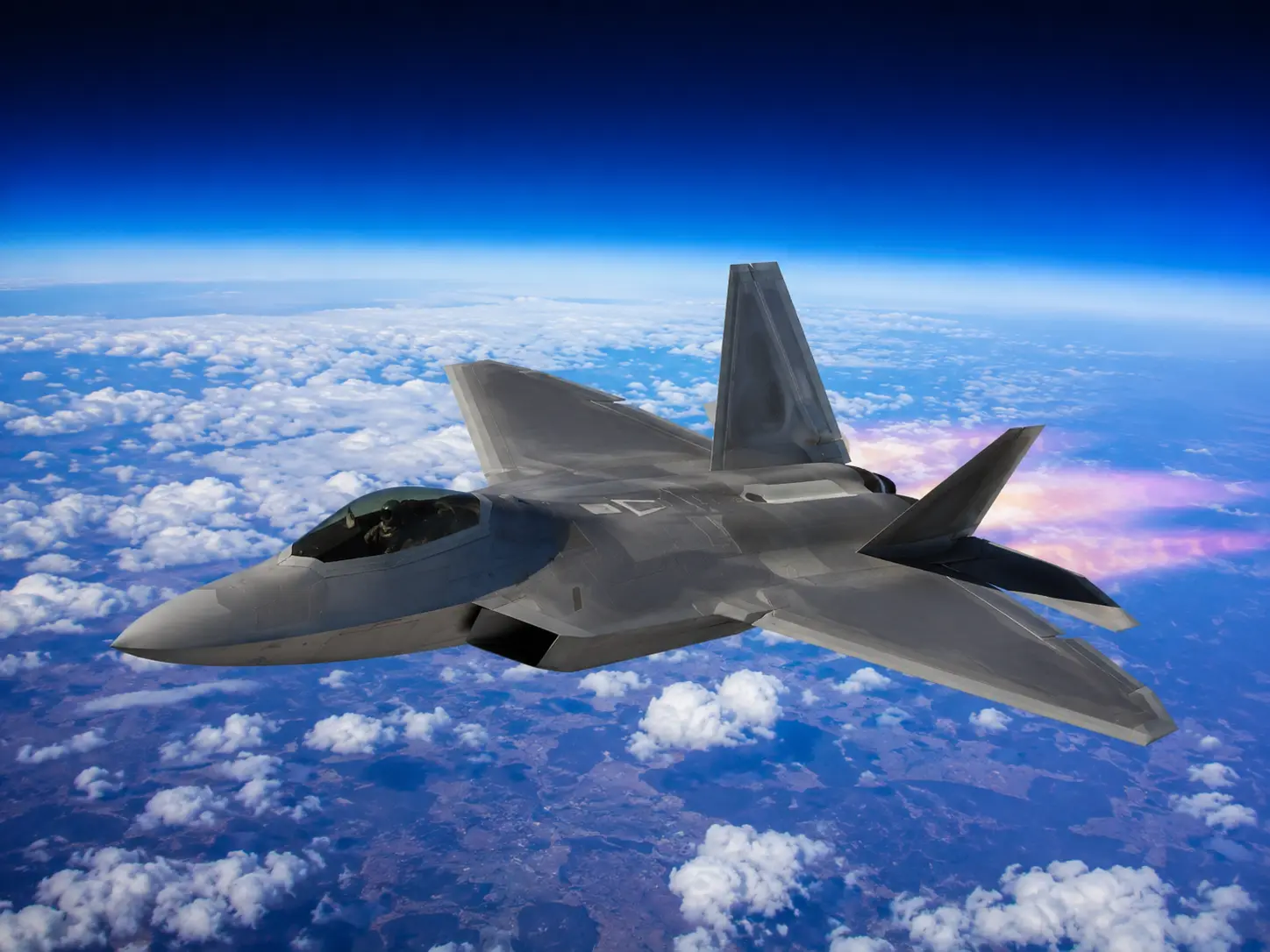
Massive Engine Thrust
The aircraft relies on two advanced Pratt & Whitney F119 turbofan engines designed to provide immense raw power. Operating at extreme altitudes means the air is significantly thinner, but these powerful engines ensure the fighter maintains speed and stable thrust without stalling in the upper atmosphere.
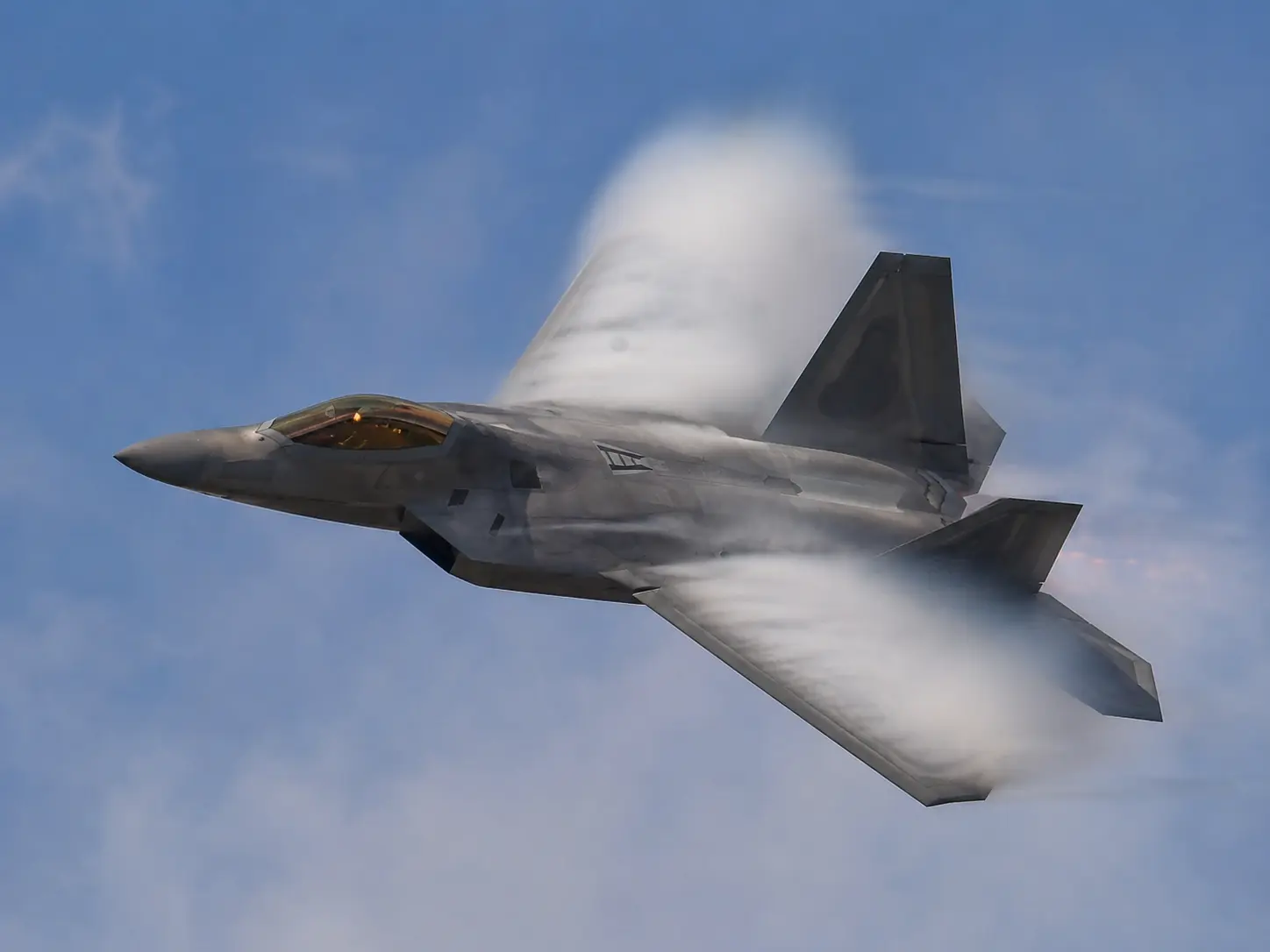
60,000 Feet Per Minute
Vertical agility is vital for dominating aerial engagements, and this fighter jet excels at rapidly converting speed into altitude. It features an astonishing climb rate of roughly 60,000 feet per minute, allowing the pilot to quickly secure the high ground and evade incoming threats during a dogfight.
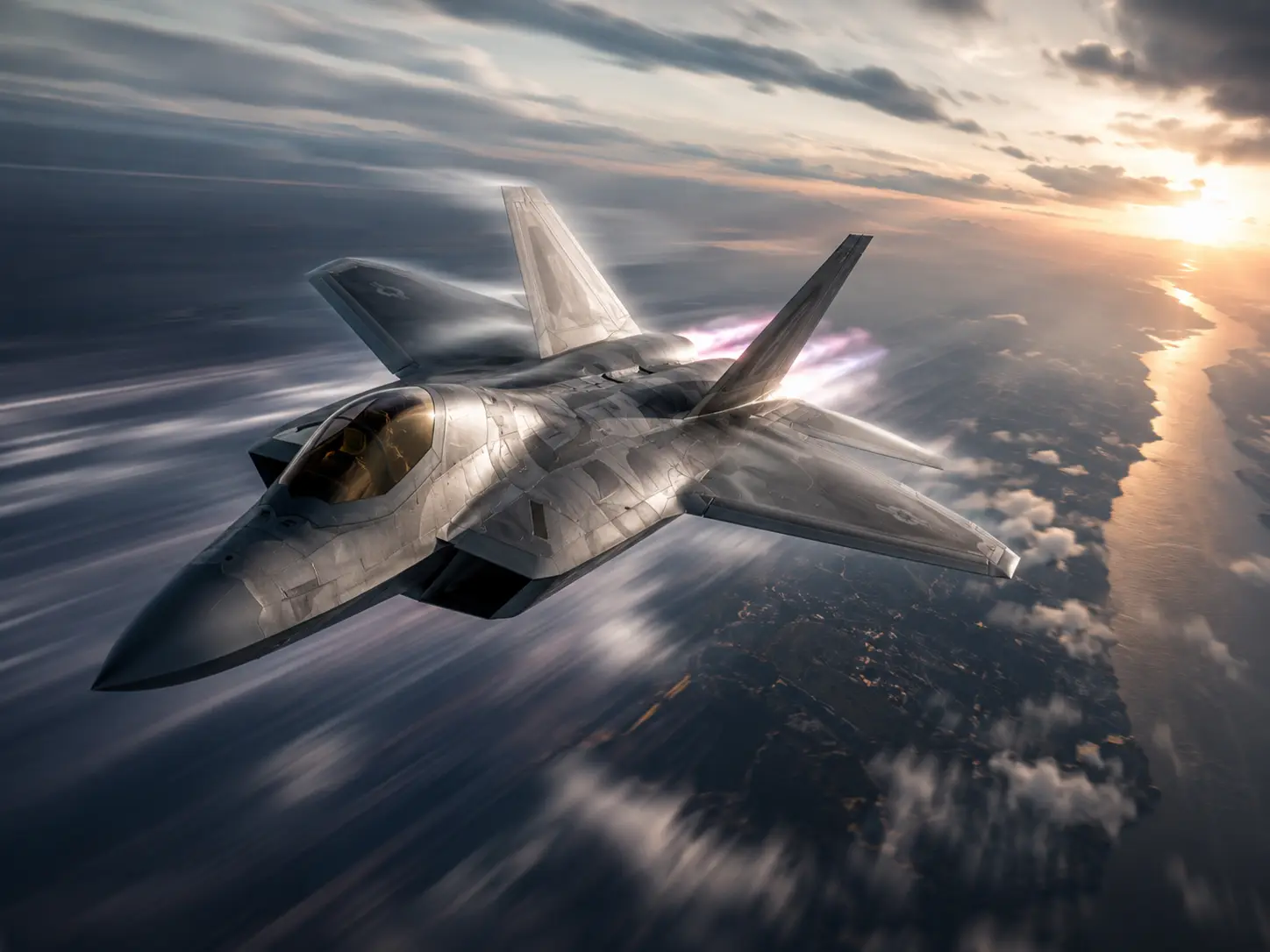
Supersonic High Ground
Operating well above 50,000 feet provides a massive tactical advantage for firing air-to-air weapons. When the jet launches a radar-guided missile from this extreme height, the weapon benefits from the thinner air and higher initial kinetic energy, heavily extending its effective combat range.
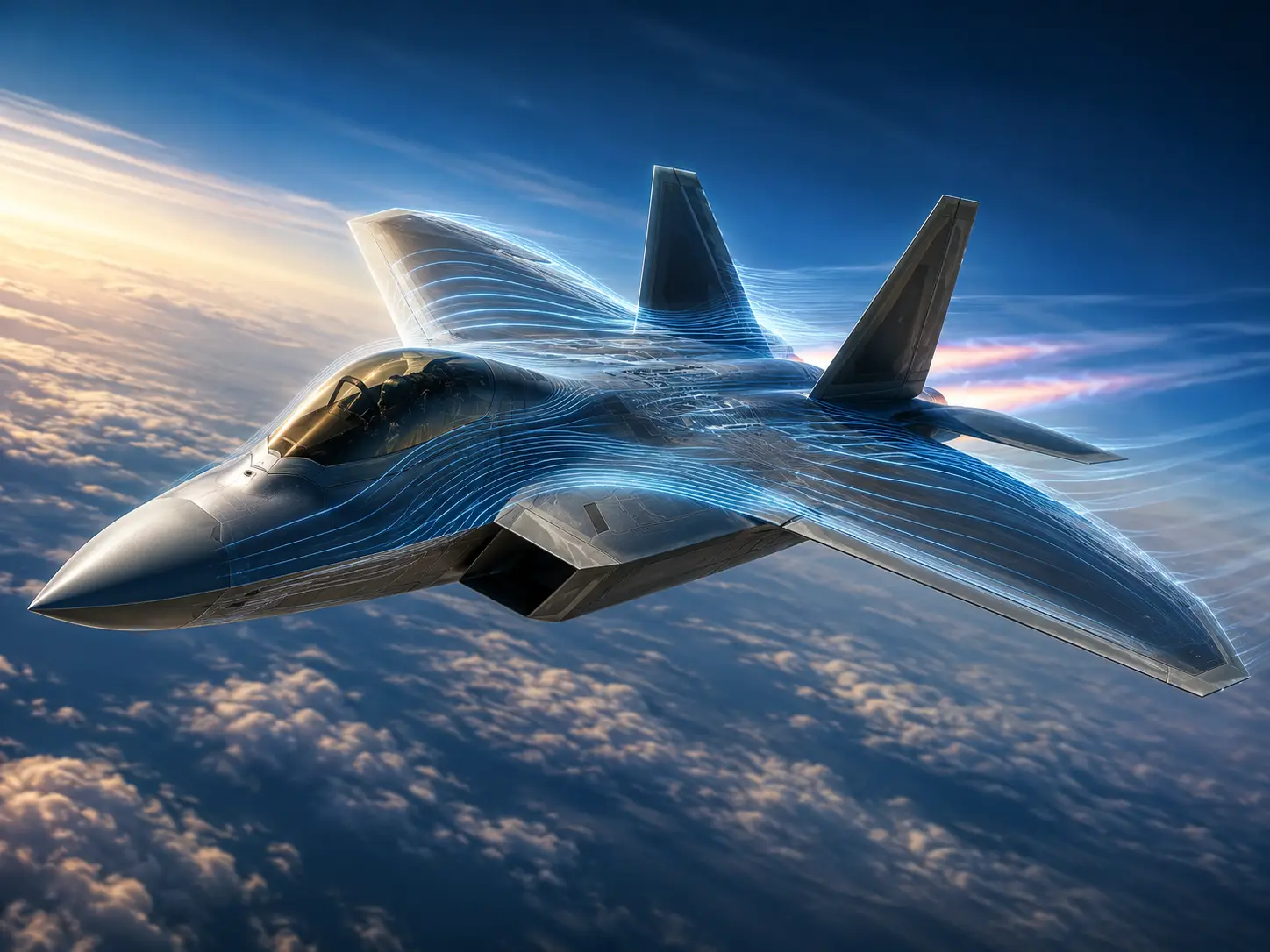
Thrust Vectoring Tech
In the thin air of the stratosphere, standard aerodynamic control surfaces become far less effective. The jet uses two-dimensional thrust-vectoring nozzles that tilt the engine exhaust up or down, allowing the pilot to execute sharp, aggressive manoeuvres regardless of the incredibly low air density.
Aerodynamic Supercruise
The fighter features internal weapon bays that completely eliminate external drag, making its airframe highly aerodynamic. This sleek design, combined with supercruise capabilities, allows the aircraft to maintain supersonic speeds at extreme altitudes without rapidly draining its fuel t
)
)
)
)
)