Why the F-22 can maintain high speeds longer than other jets

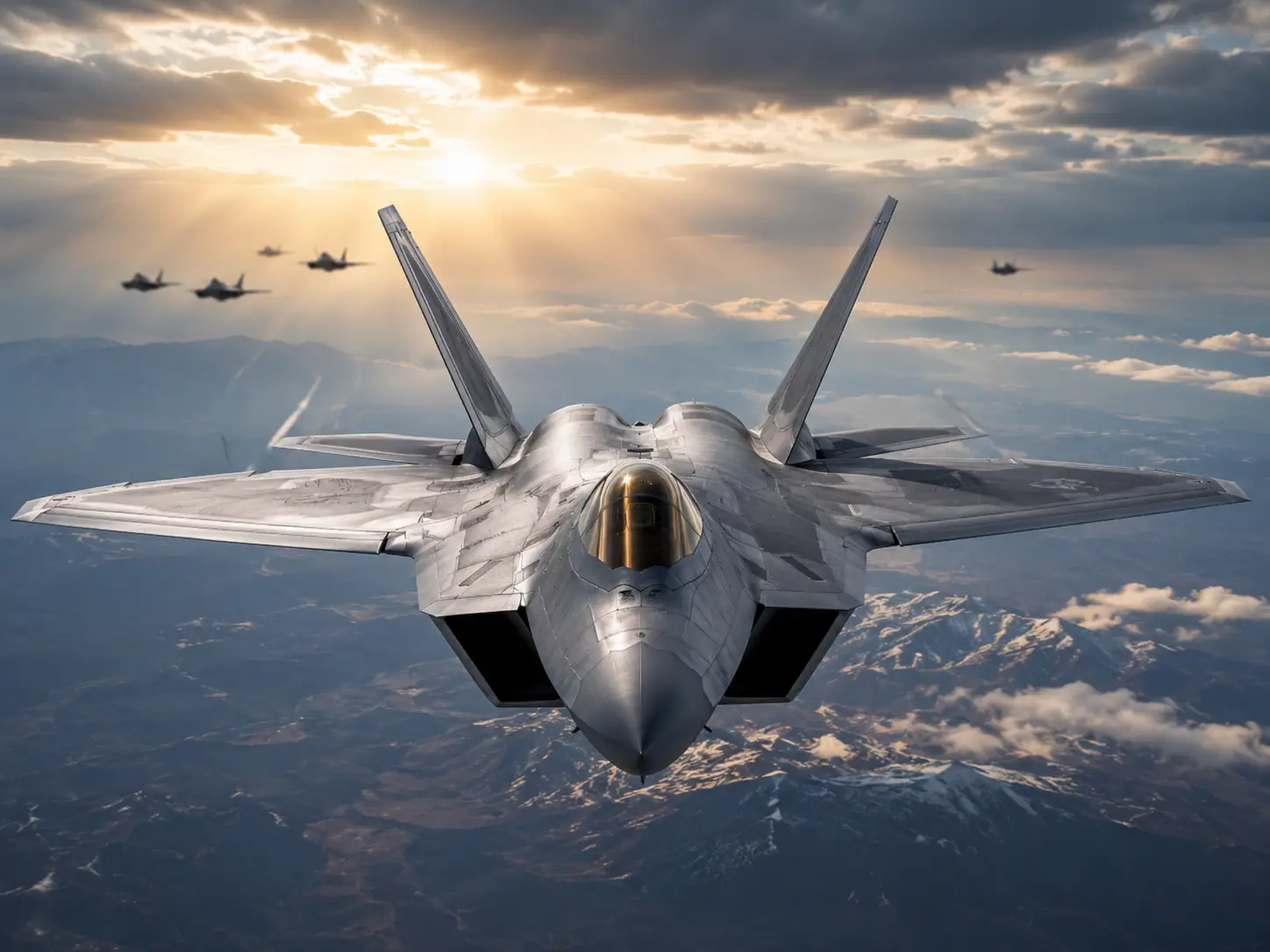
The F-22 Raptor uses supercruise, advanced F119 engines, and internal weapon bays to sustain speeds above Mach 1.5. This avoids fuel-heavy afterburners, letting it outlast other fighter jets.
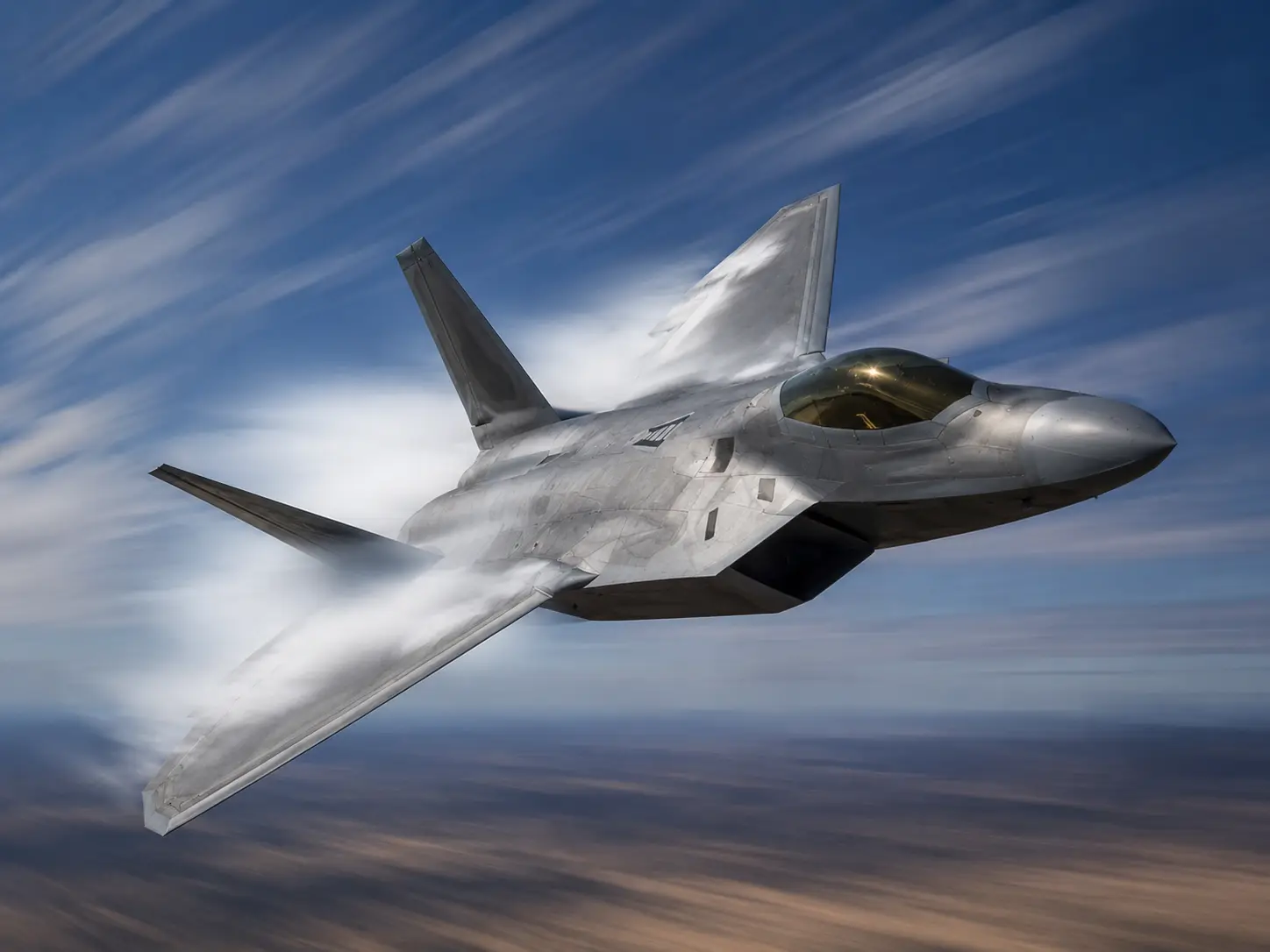
Supercruise Without Afterburners
Most fighter jets must ignite their fuel-hungry afterburners to fly faster than the speed of sound. The F-22 uses supercruise technology to sustain speeds above Mach 1.5 without this extra fuel burn. This allows it to fly much longer than rival jets that quickly drain their tanks.
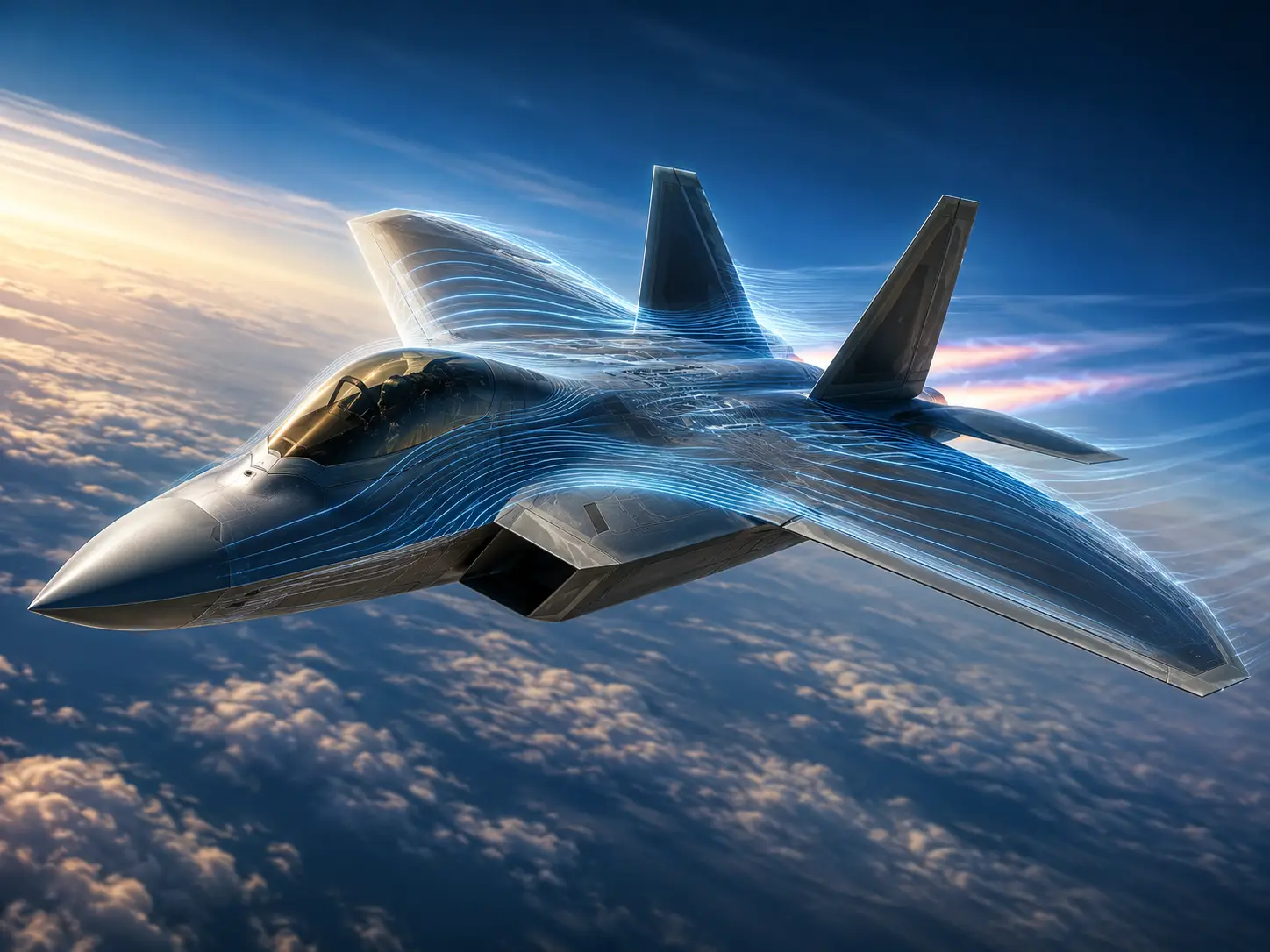
2 Massive F119 Engines
The aircraft relies on two Pratt & Whitney F119 turbofan engines, which produce around 35,000 pounds of thrust each. They generate enough dry push to maintain supersonic flight seamlessly. Because they do not need to inject extra fuel into the exhaust, the jet can cruise for extended periods.
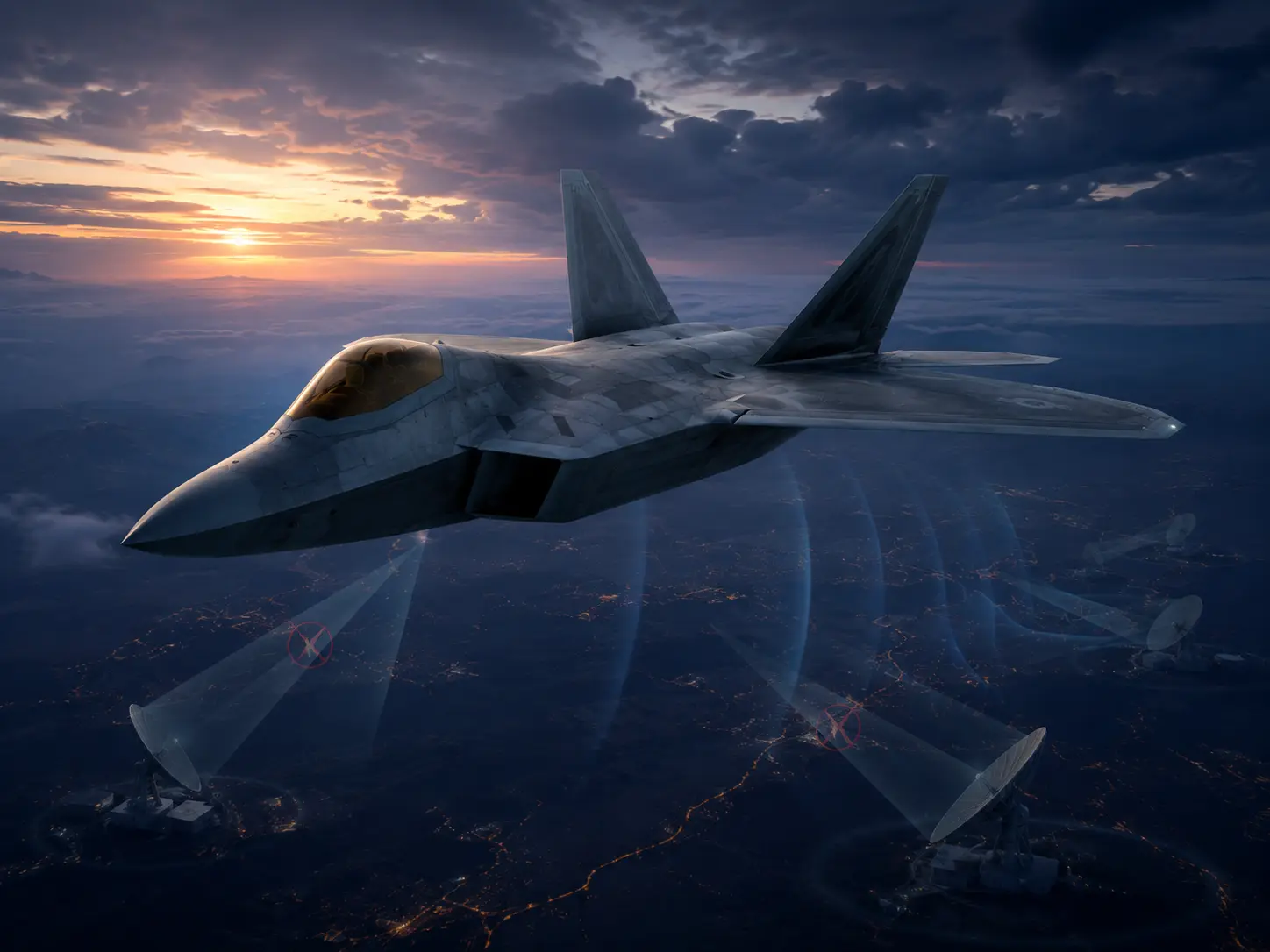
Zero External Weapon Drag
A major reason the Raptor maintains its speed is its highly aerodynamic airframe. By storing its radar-guided missiles inside internal weapon bays, it completely removes the heavy drag caused by external payloads. Less air resistance means the engines do not overwork to keep the jet moving fast.
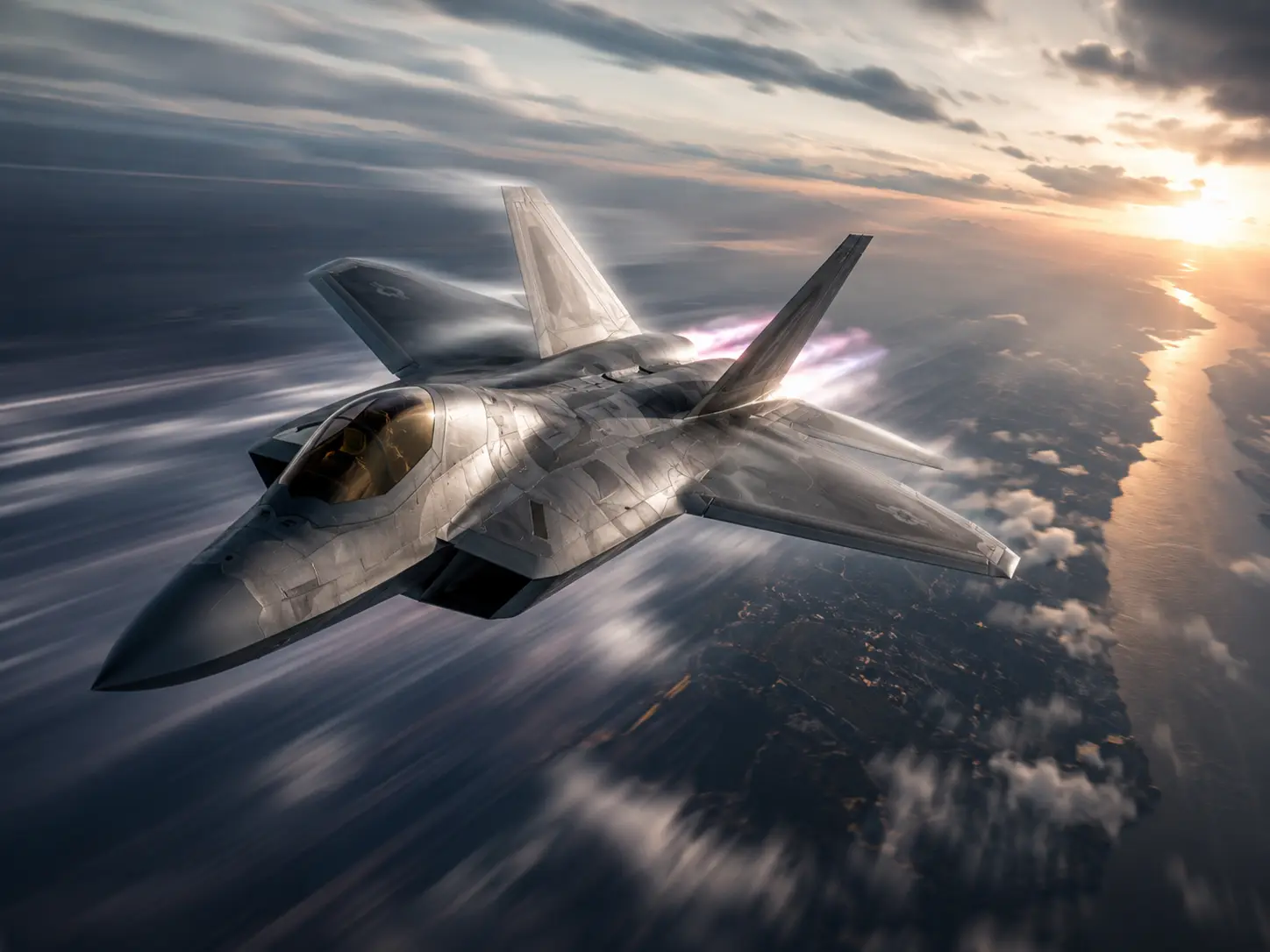
Above 50,000 Feet Altitude
The F-22 conducts its supercruise operations at extremely high altitudes, typically flying above 50,000 feet. At this level, the air density is significantly thinner, which drastically reduces aerodynamic drag. This perfect balance of high thrust and low drag keeps it flying faster for much longer.
Saves 40 Per Cent Fuel
Flying past the sound barrier usually demands roughly three times the normal fuel consumption when using afterburners. By relying solely on supercruise, the Raptor saves up to 40 per cent of its fuel during high-speed dashes. This strict efficiency massively extends its operational combat range.
)
)
)
)
)