Why the F-22 can fly long missions without being detected

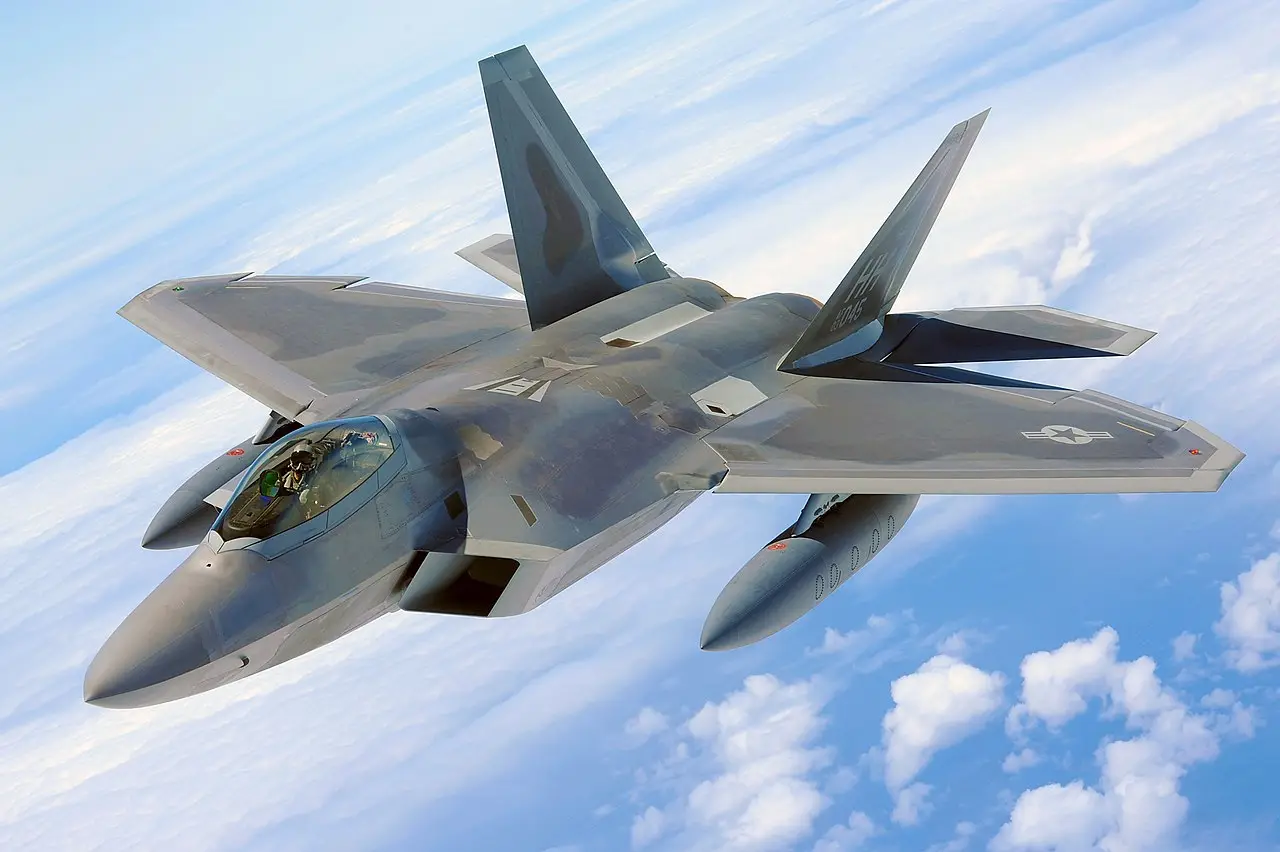
Advanced radar-absorbing design and Mach 1.5 supercruise keep the F-22 Raptor hidden. Storing 8,200 kilogrammes of internal fuel allows it to execute long missions without detection.
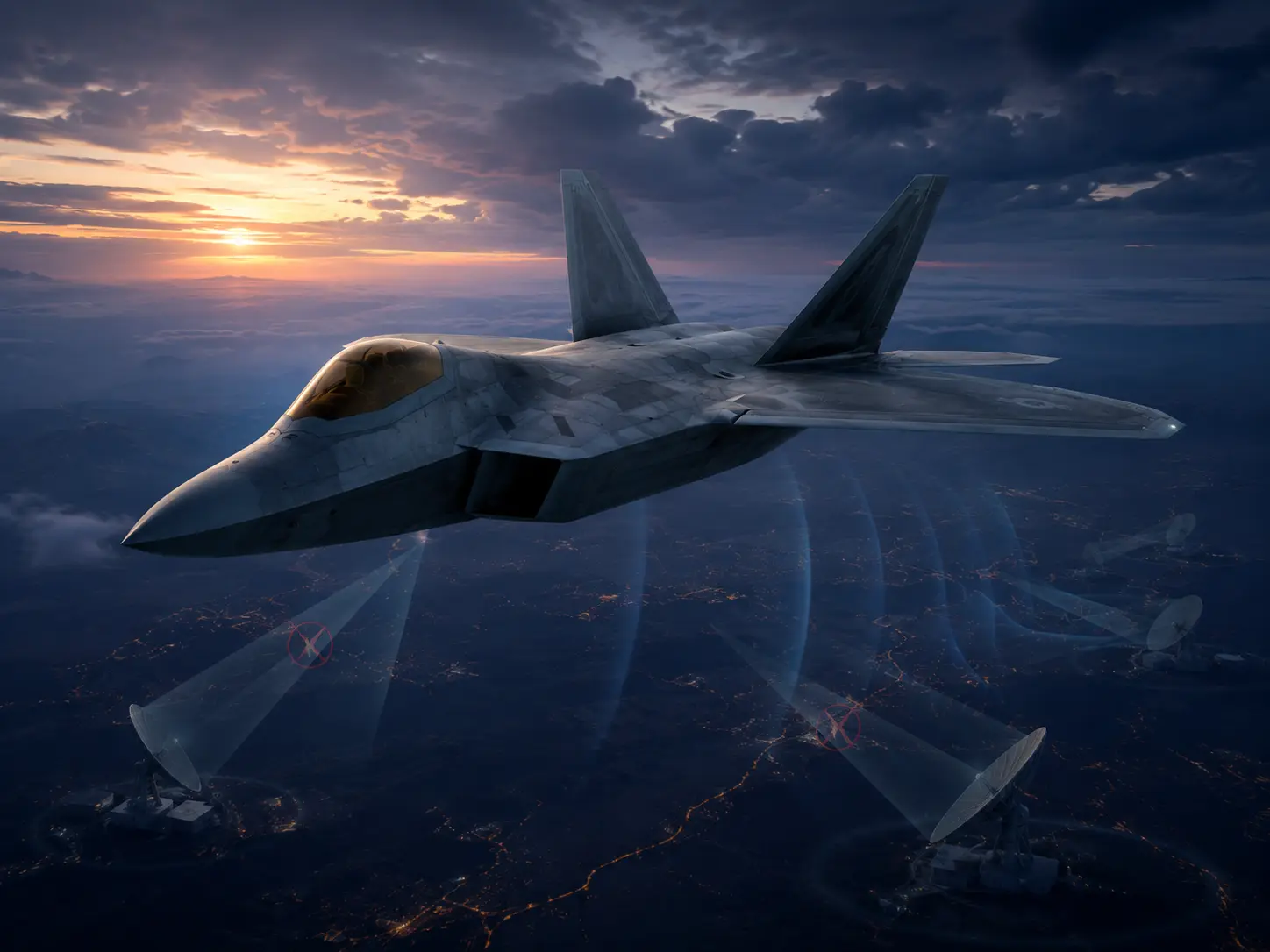
Mach 1.5 Heat Lowering
The twin turbofan engines allow the platform to sustain cruising speeds of Mach 1.5 without using afterburners. Because afterburners create massive thermal signatures, this supercruise capability prevents the jet from giving away its position to hostile infrared search and tracking systems.
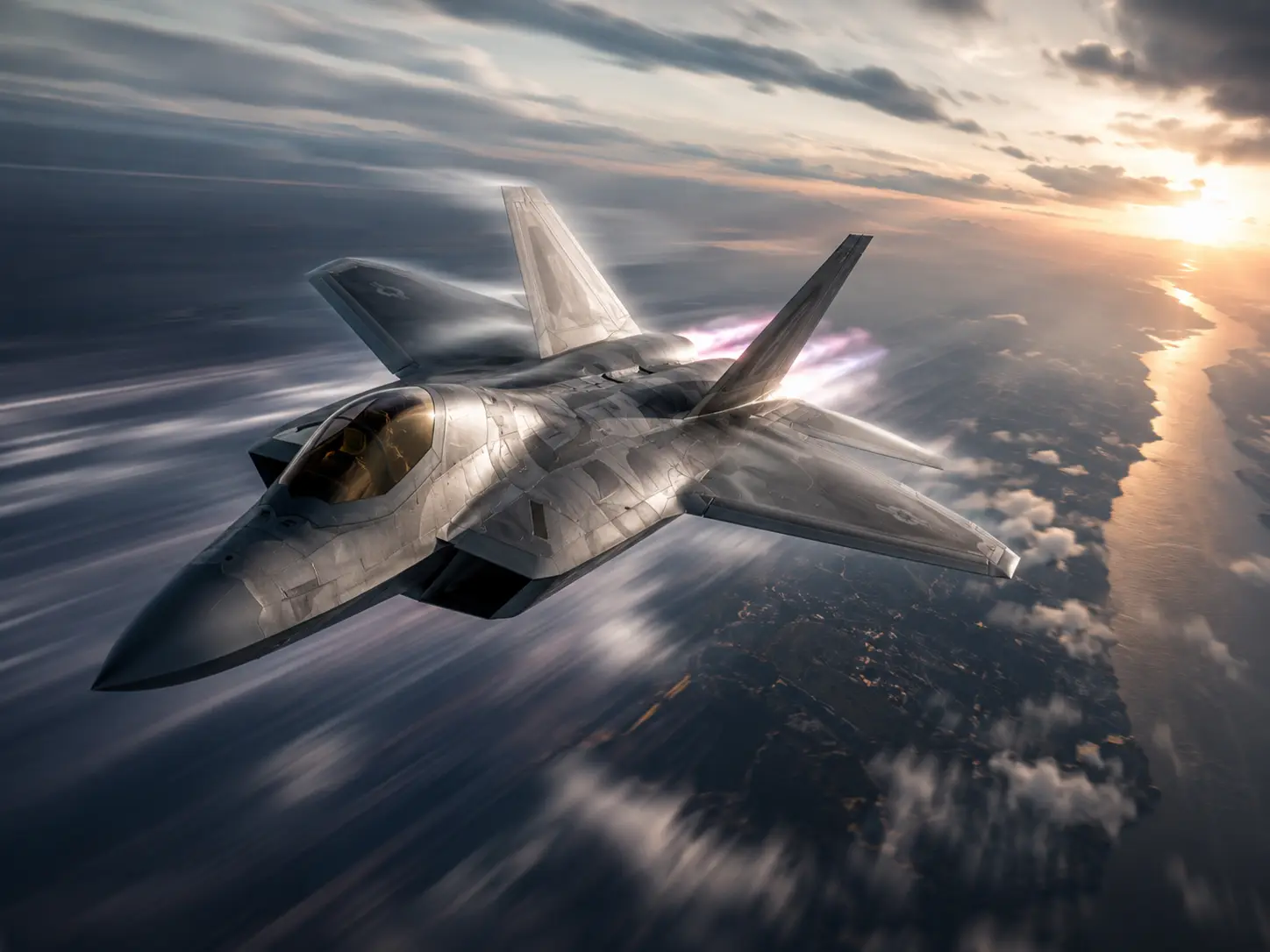
8,200 Kilograms of Internal Fuel
To maintain an optimal low-observable profile over extended distances, the aircraft carries its entire baseline fuel supply inside the fuselage. Storing exactly 8,200 kilogrammes of aviation fuel internally eliminates the immediate requirement for bulky external wing tanks, which would otherwise reflect radar waves.
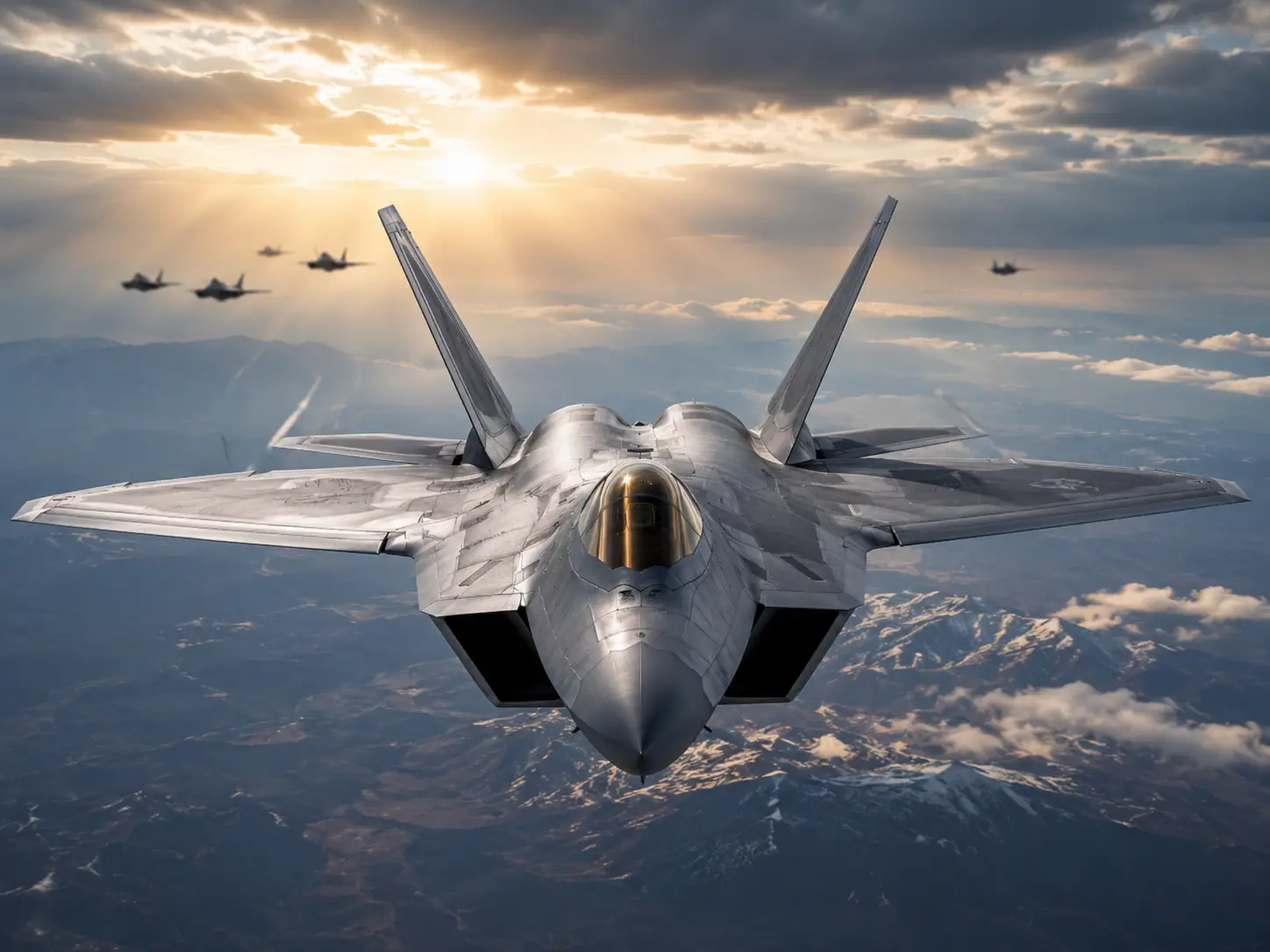
100 Per Cent Enclosed Payload
The aircraft houses its entire payload of air-to-air missiles and precision bombs entirely within hidden internal bays. Keeping weapons completely enclosed eliminates the severe radar reflections and aerodynamic drag caused by the wing-mounted missile racks seen on conventional aircraft.
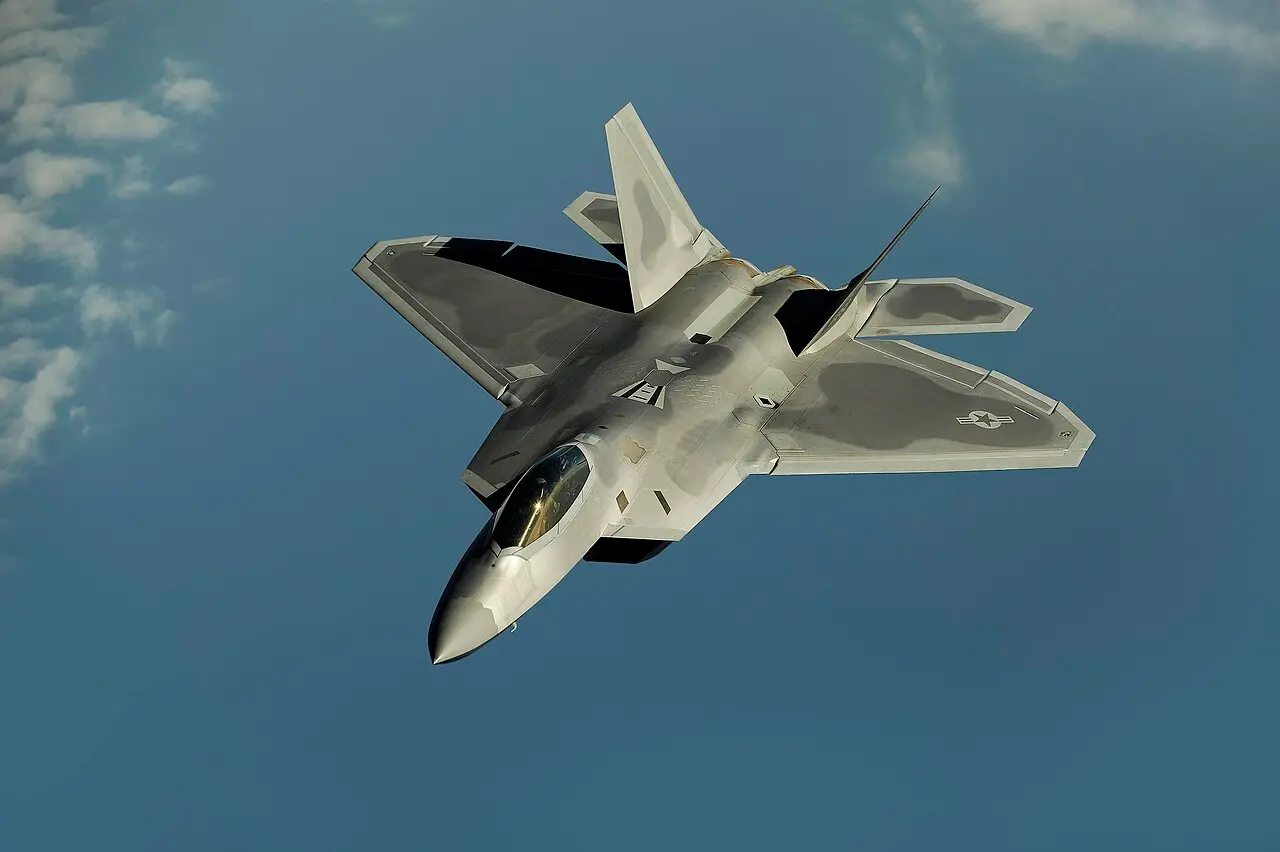
65,000 Feet Flight Ceiling
Operating at a service ceiling of 65,000 feet allows the jet to fly far above most regional air defence systems and commercial air traffic. This extreme high-altitude capability was practically demonstrated in 2023 when an F-22 successfully intercepted a surveillance balloon off the United States coast.
Zero External Munitions Drag
The airframe features heavily aligned edges and a specialized radar-absorbing design that drastically reduces its active profile. Combined with a clean aerodynamic configuration featuring zero external drag from weapons, this advanced engineering prevents long-range enemy tracking networks from identifying the aircraft.
)
)
)
)
)