Why the F-22 body handles intense air pressure so well

The F-22 Raptor withstands intense air pressure using 39 per cent titanium and 24 per cent rigid composites. Its sleek design and internal weapon bays smoothly distribute airflow, allowing it to easily sustain extreme supersonic speeds.
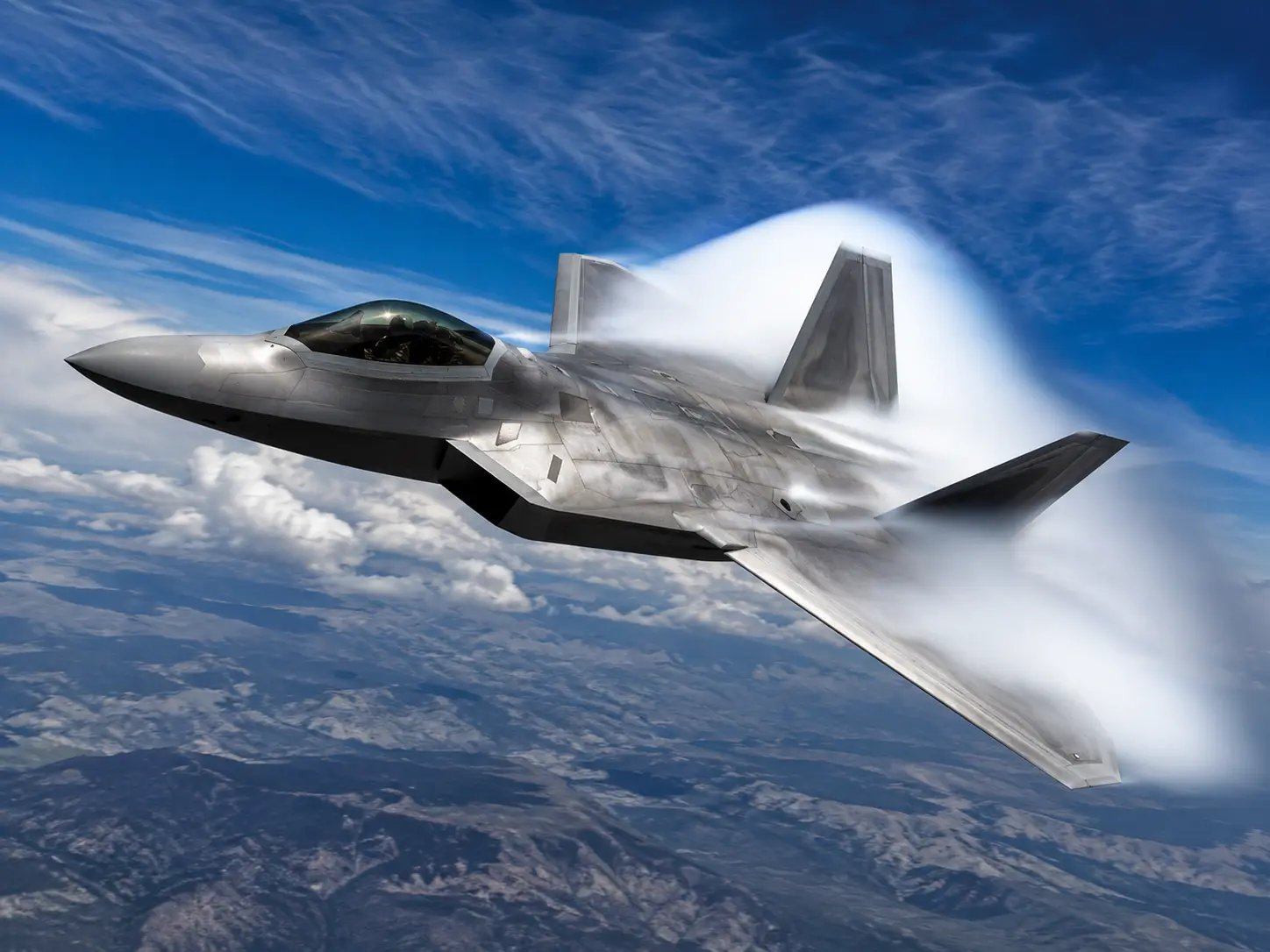
39 Per Cent Titanium
The aircraft is built using a massive amount of titanium alloys, making up roughly 39 per cent of its total weight. This metal provides an incredibly high strength-to-weight ratio, allowing the airframe to withstand the intense heat and aerodynamic pressure generated during supersonic flight.
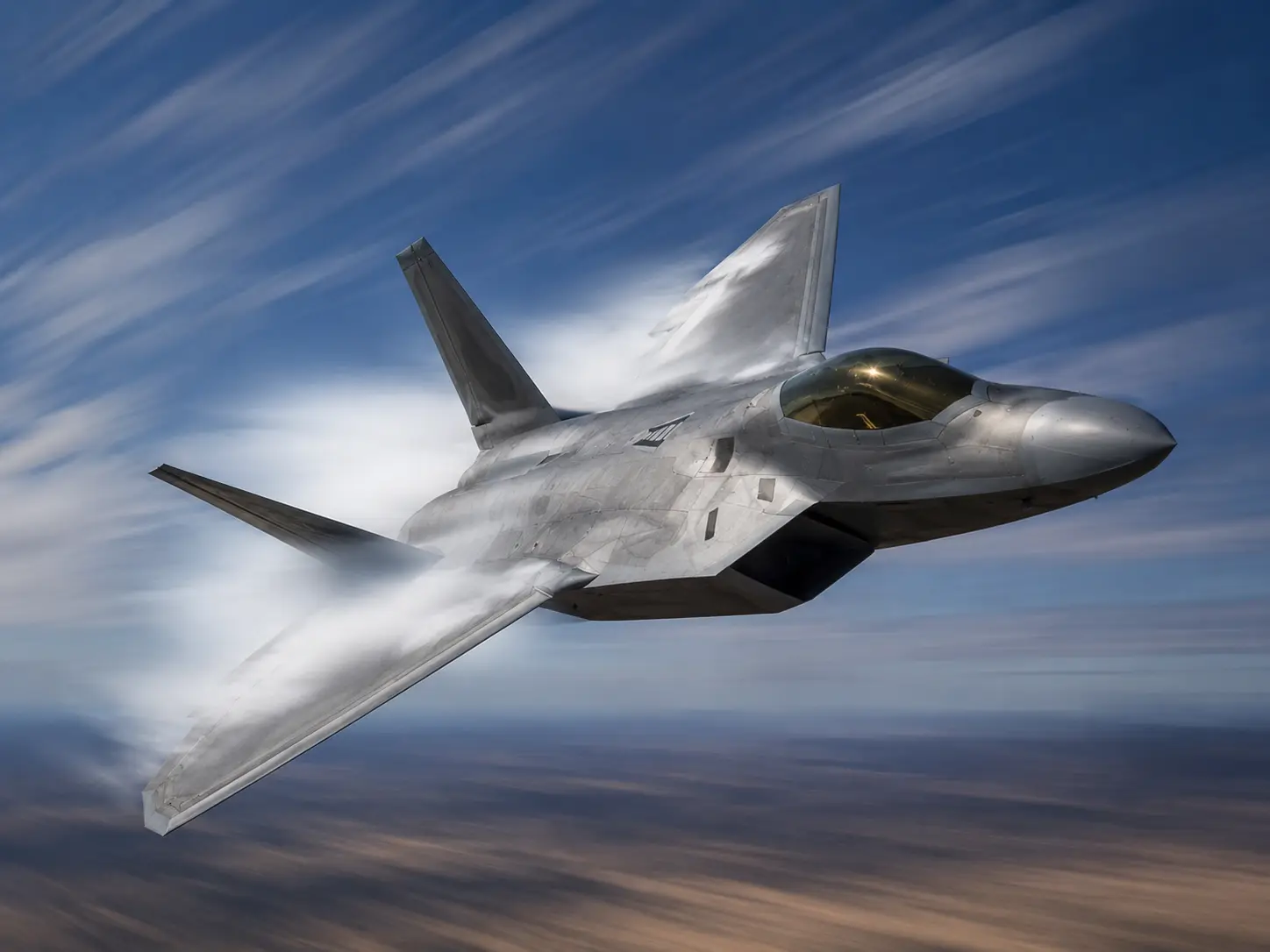
24 Per Cent Composites
Advanced carbon fibre composite materials account for about 24 per cent of the fighter jet's structure. These materials are heavily layered across the wings and fuselage, offering extreme rigidity that prevents the body from bending or warping under high-speed wind resistance.
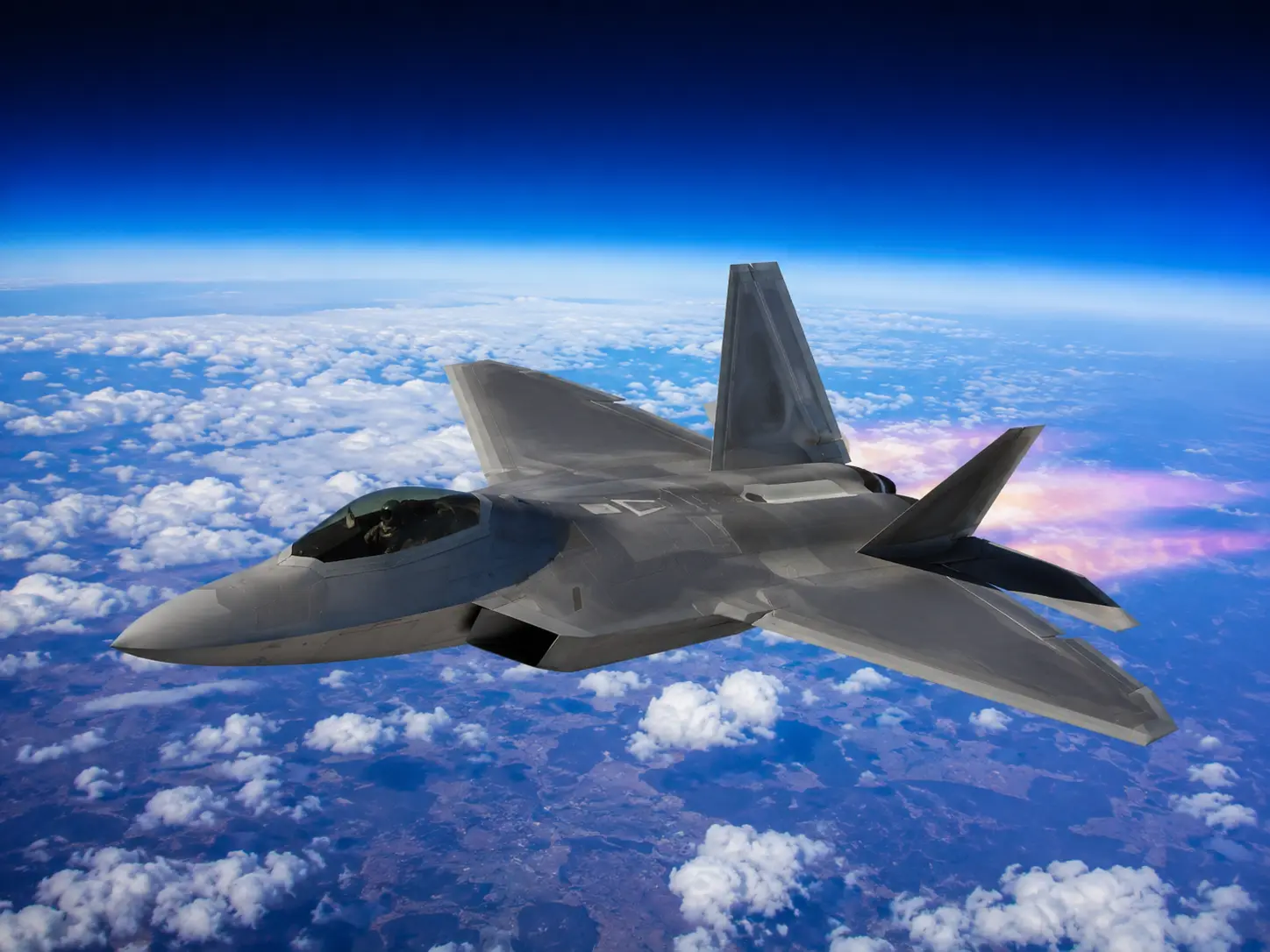
Survives 9G Forces
The airframe is rigorously engineered to handle severe aerodynamic loads during sharp combat turns, easily sustaining up to 9G forces. Strong internal structural ribs distribute these immense pressure spikes evenly across the body, keeping the jet intact during aggressive dogfights.
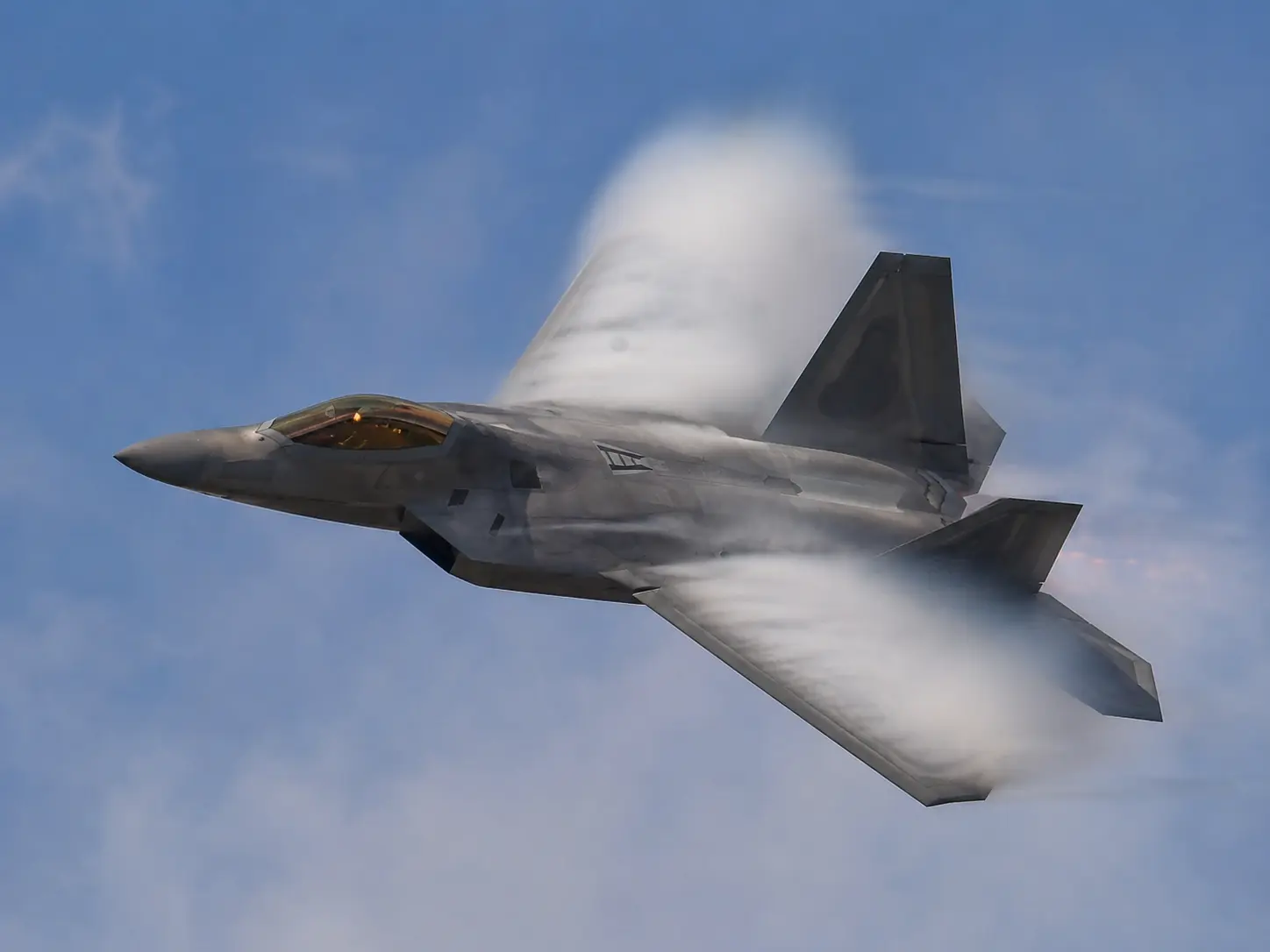
Mach 1.5 Supercruise
Flying past the sound barrier without afterburners subjects the nose and leading edges to constant, heavy air pressure. The blended wing-body design smoothly diverts this oncoming supersonic airflow around the aircraft, heavily reducing local stress points and preventing structural fatigue.
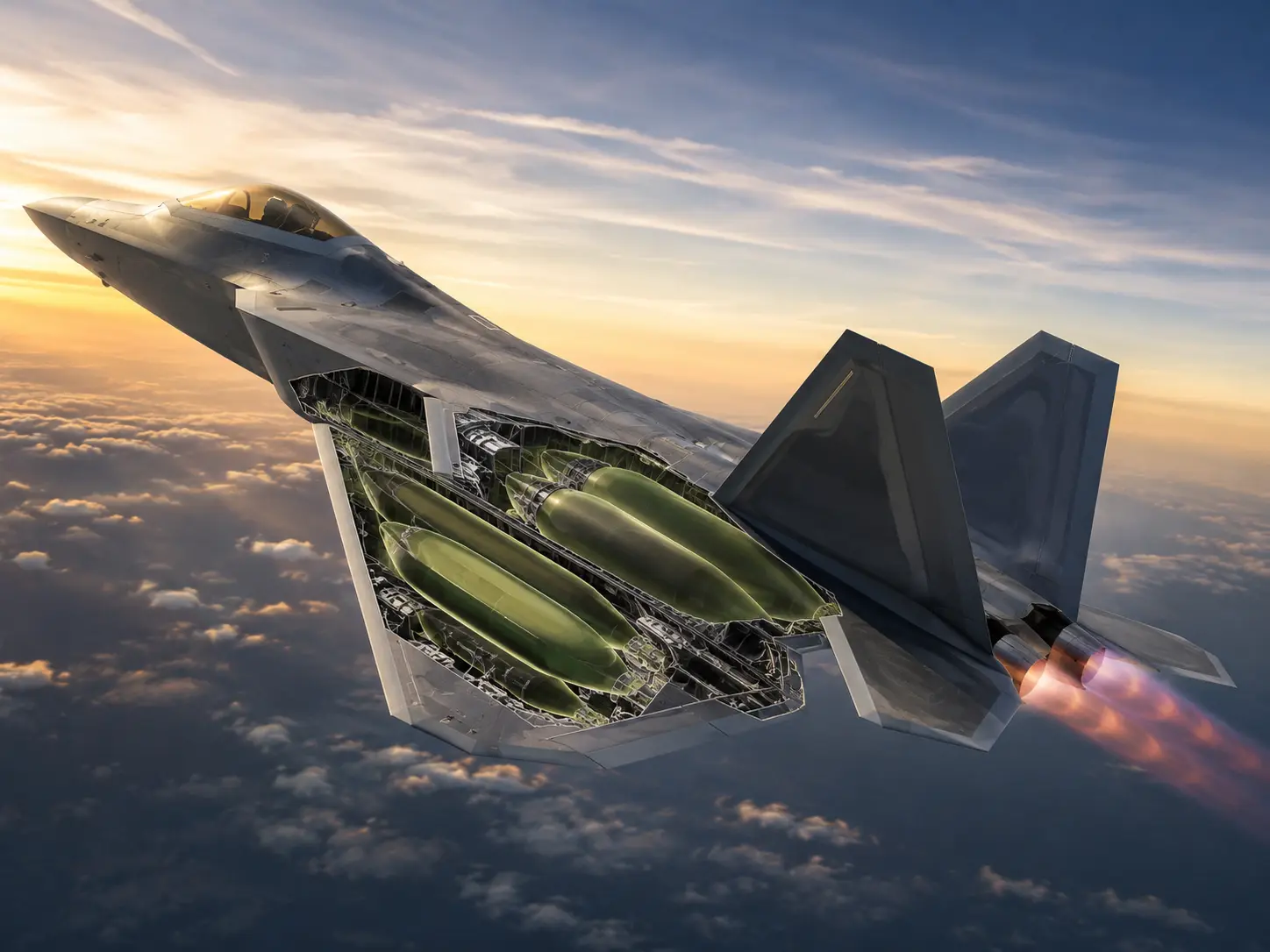
Zero External Weapons
By storing radar-guided missiles strictly inside internal bays, the jet removes bulky external attachments that catch heavy wind. This sleek exterior prevents irregular air pressure pockets from forming on the wings, ensuring the fighter slices cleanly through the sky.
)
)
)
)
)