Why the B-52 bomber's role in Operation Linebacker II is still studied by air forces decades later

Linebacker II remains a vital case study in airpower. In 1972, rigid B-52 bomber tactics led to heavy losses against Soviet SA-2 missiles. By adapting flight paths and syncing electronic warfare, the US Air Force defeated the deadly air defences.
The IADS Encounter
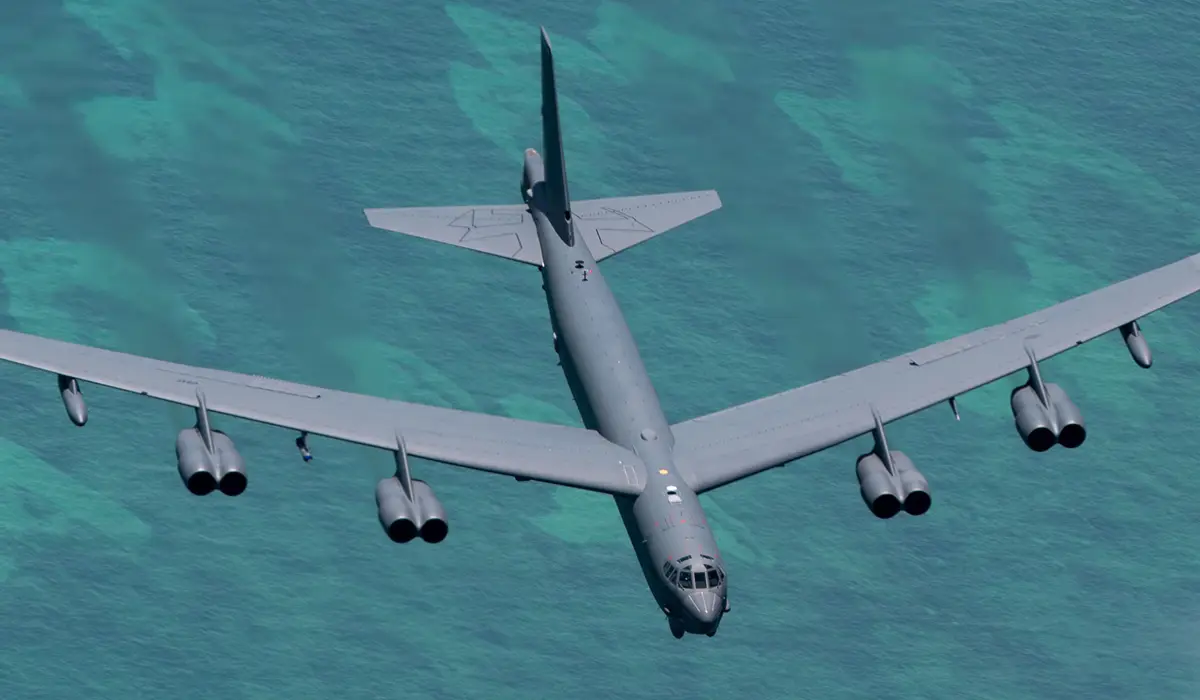
During Operation Linebacker II in 1972, the Boeing B-52 Stratofortress confronted the most concentrated Integrated Air Defence System in history. North Vietnam deployed a deadly, overlapping network of Soviet-built SA-2 surface-to-air missiles and early warning radars to protect its airspace.
The Failure of Rigid Tactics
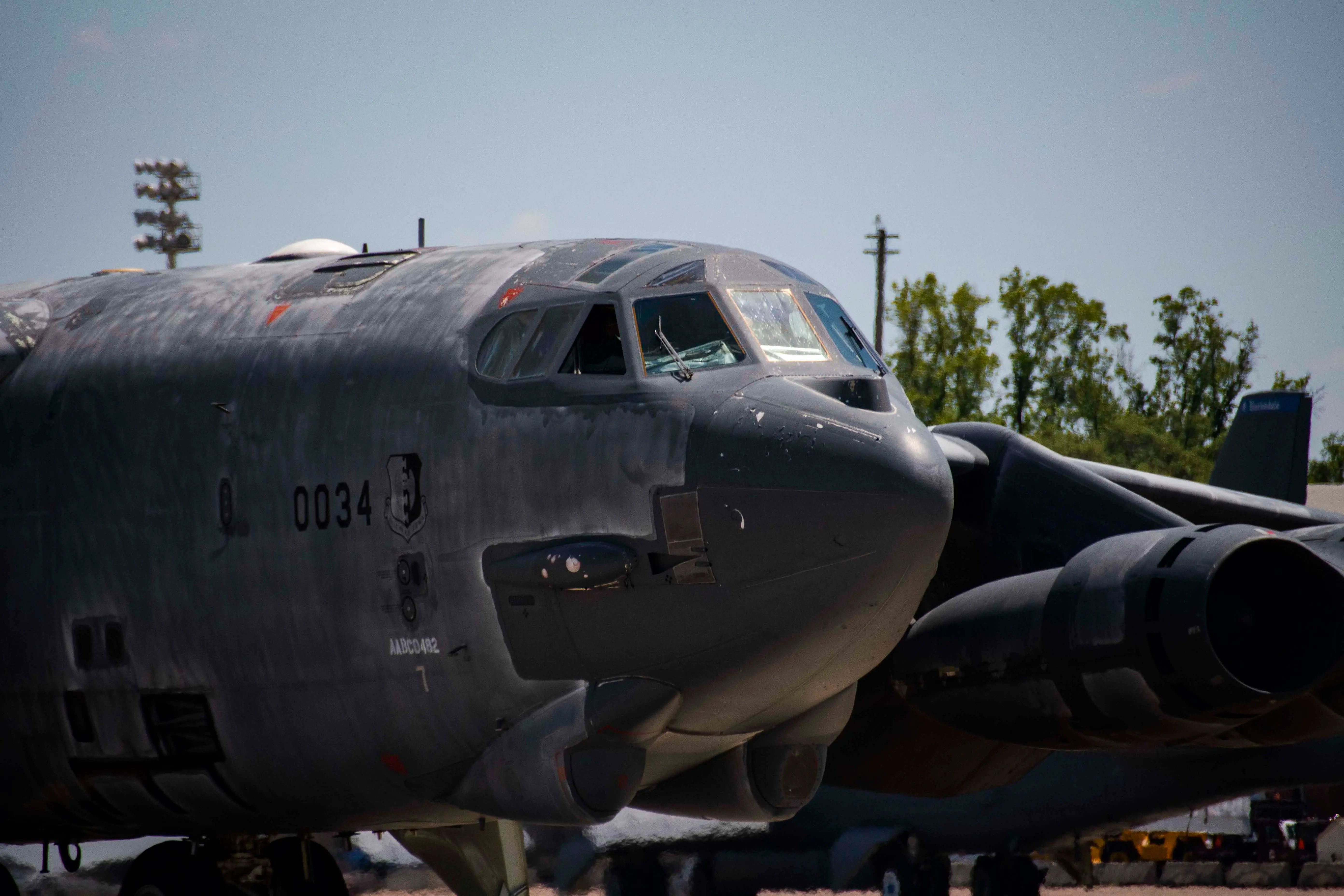
Initially, Strategic Air Command mandated incredibly rigid flight profiles to safely manage the massive bomber streams in the dark. The B-52s were ordered to fly at identical speeds, altitudes, and in single-file formations, allowing enemy operators to easily predict their exact flight paths.

The Fatal Post-Target Turn
To mimic established nuclear strike procedures, headquarters ordered the bomber crews to execute a sharp, banked turn immediately after releasing their payloads. This steep manoeuvre physically pointed the aircraft's electronic jammers away from the SAM sites, stripping away their radar protection.
A Staggering Early Price
This extreme tactical complacency resulted in a shocking toll during the opening nights of the December campaign. North Vietnamese forces fired hundreds of SA-2 missiles into the predictable bomber streams, successfully shooting down 11 B-52s before planners finally halted the flawed tactics.
The Tactical Rebellion
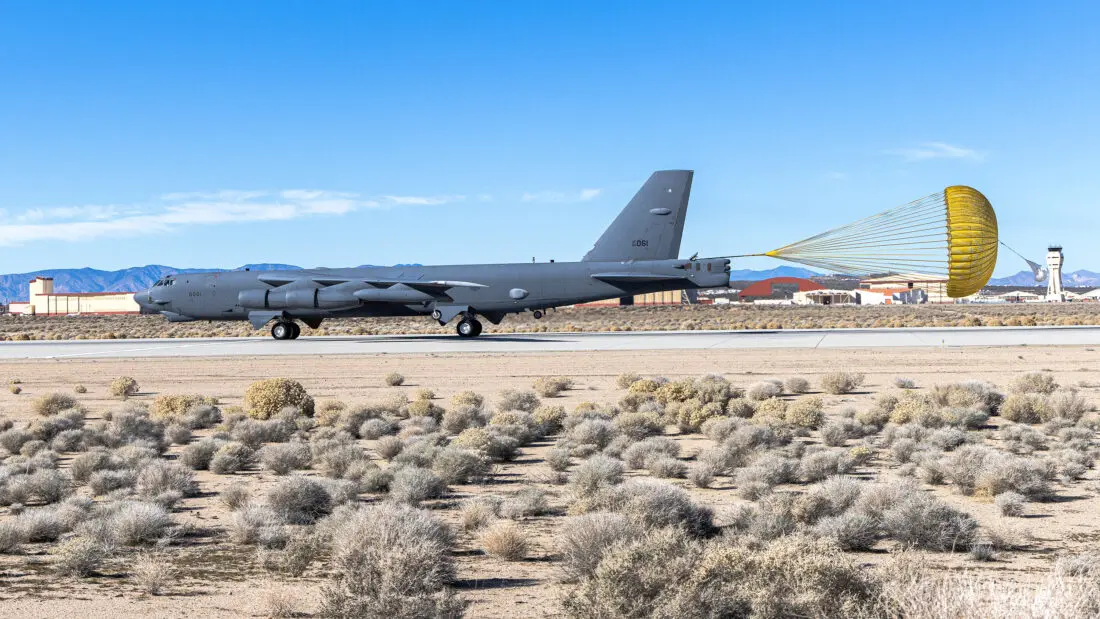
Facing mounting casualties, frontline aircrews and local commanders demanded complete tactical flexibility from higher headquarters. Planners rapidly adjusted, allowing the heavy bombers to attack simultaneously from completely different directions and unpredictable altitudes to successfully overwhelm the enemy radar operators.
Synchronising Electronic Warfare
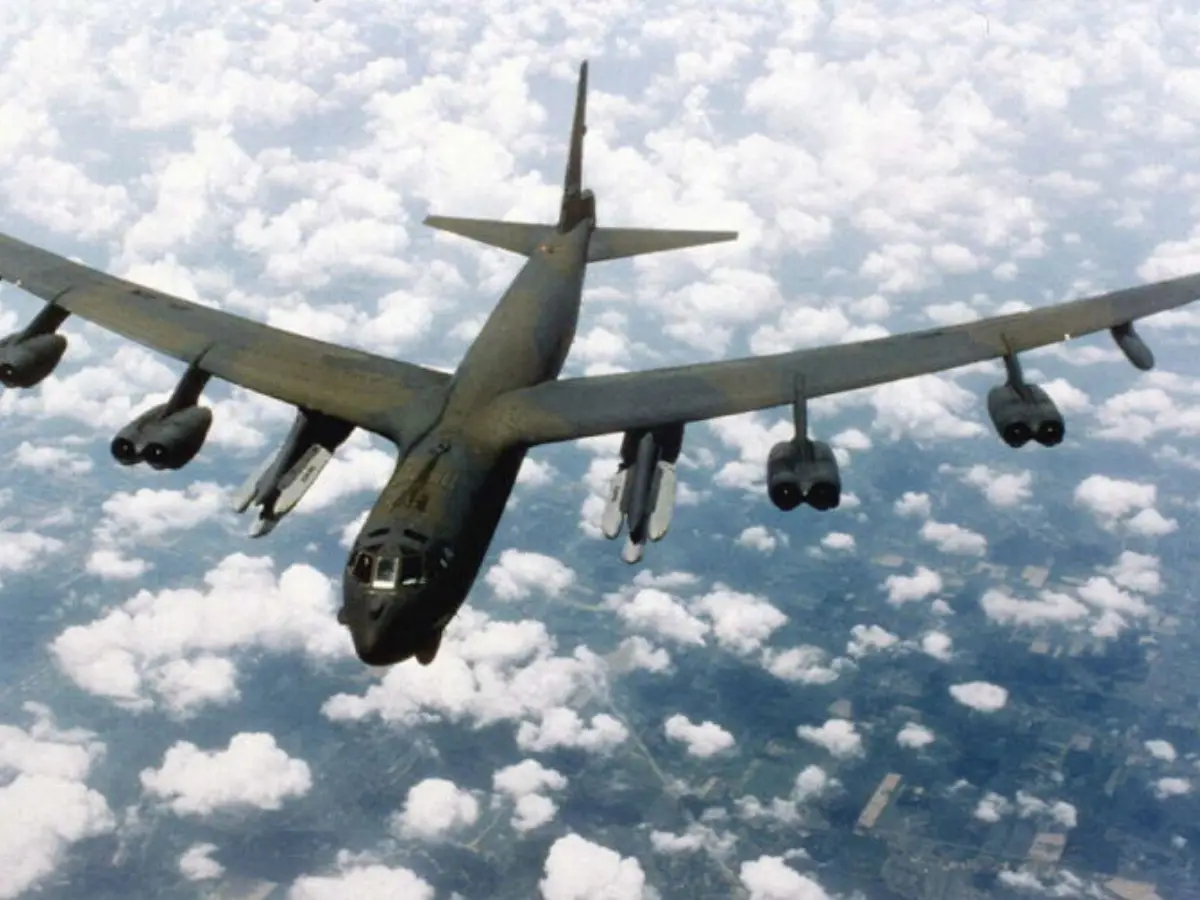
The brutal campaign taught modern air forces that raw electronic jamming power is completely useless without proper tactical coordination. Commanders learned to perfectly synchronise the massive B-52s with F-4 Phantom chaff escorts and Wild Weasel radar-hunting jets to actively blind the hostile missile batteries.
A Blueprint for Modern Airpower
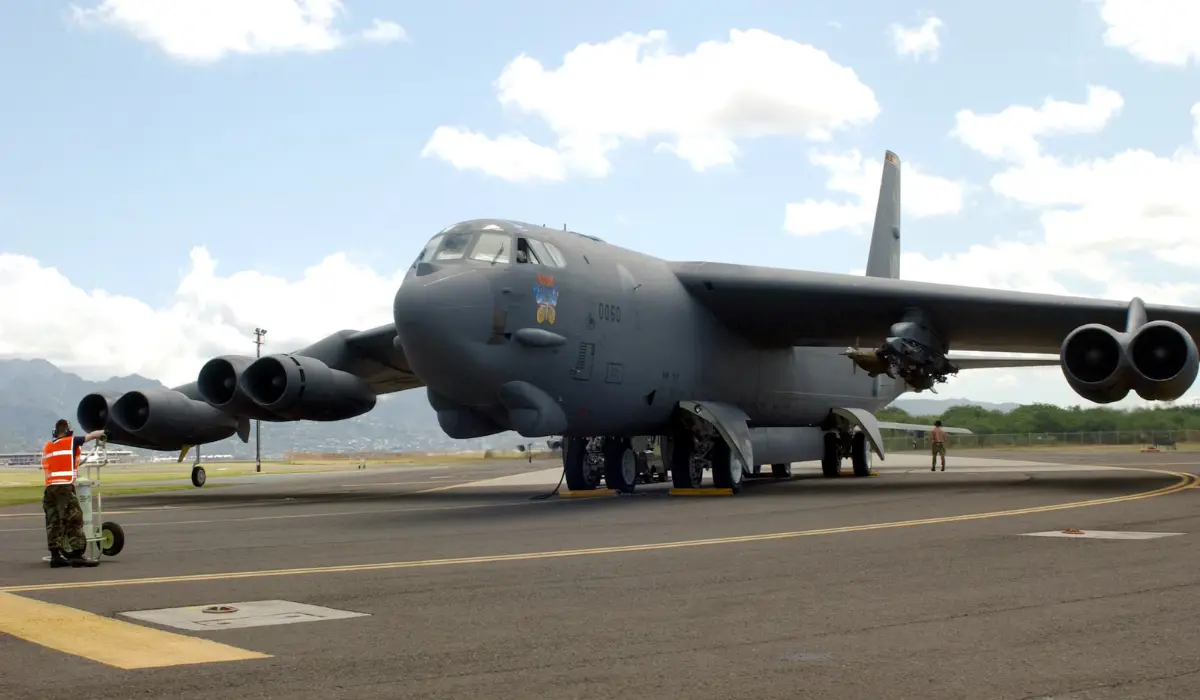
Decades later, military academies still study Linebacker II to understand how rigid doctrine fails against dynamic air defence threats. The severe aircraft losses forced a measured re-evaluation of bomber survivability, directly driving the multi-billion dollar development of highly classified modern stealth technology.
)
)
)
)
)