Why the B-52 bomber remains one of the most important bombers in the US Air Force fleet

The Boeing B-52 remains vital due to its unmatched 70,000-pound payload and a massive USD 48.6 billion modernization. Outfitted with new Rolls-Royce engines and AESA radar, the B-52J functions as a lethal standoff platform into the 2050s.

The Strategic Backbone
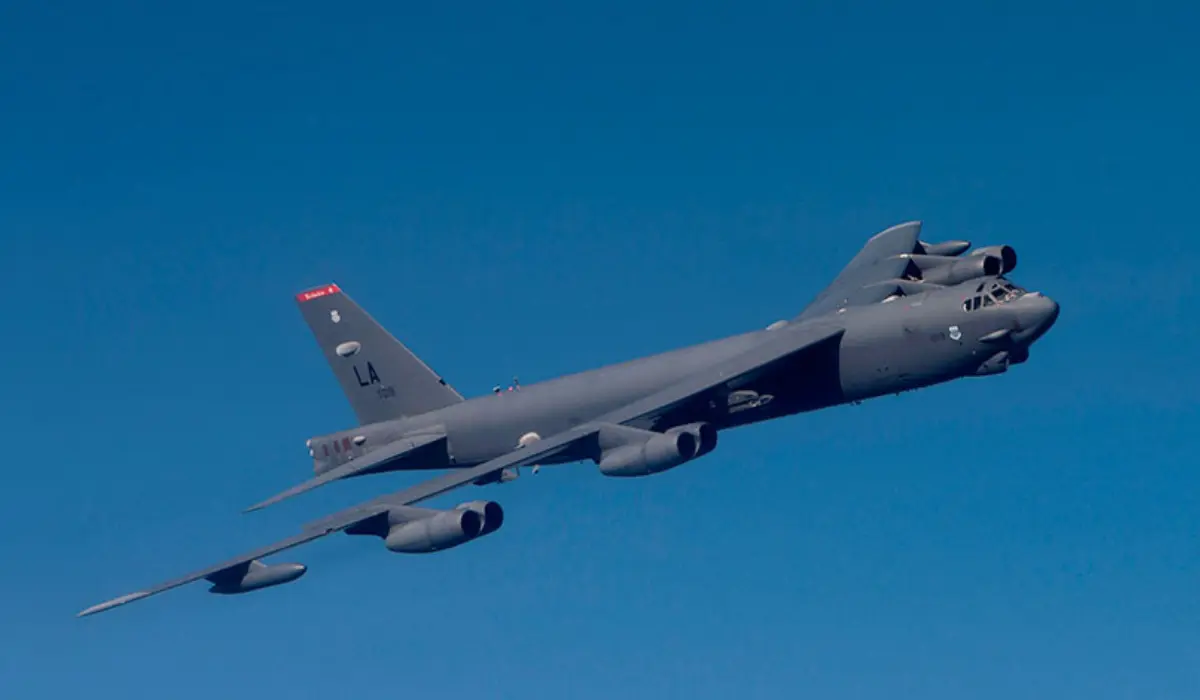
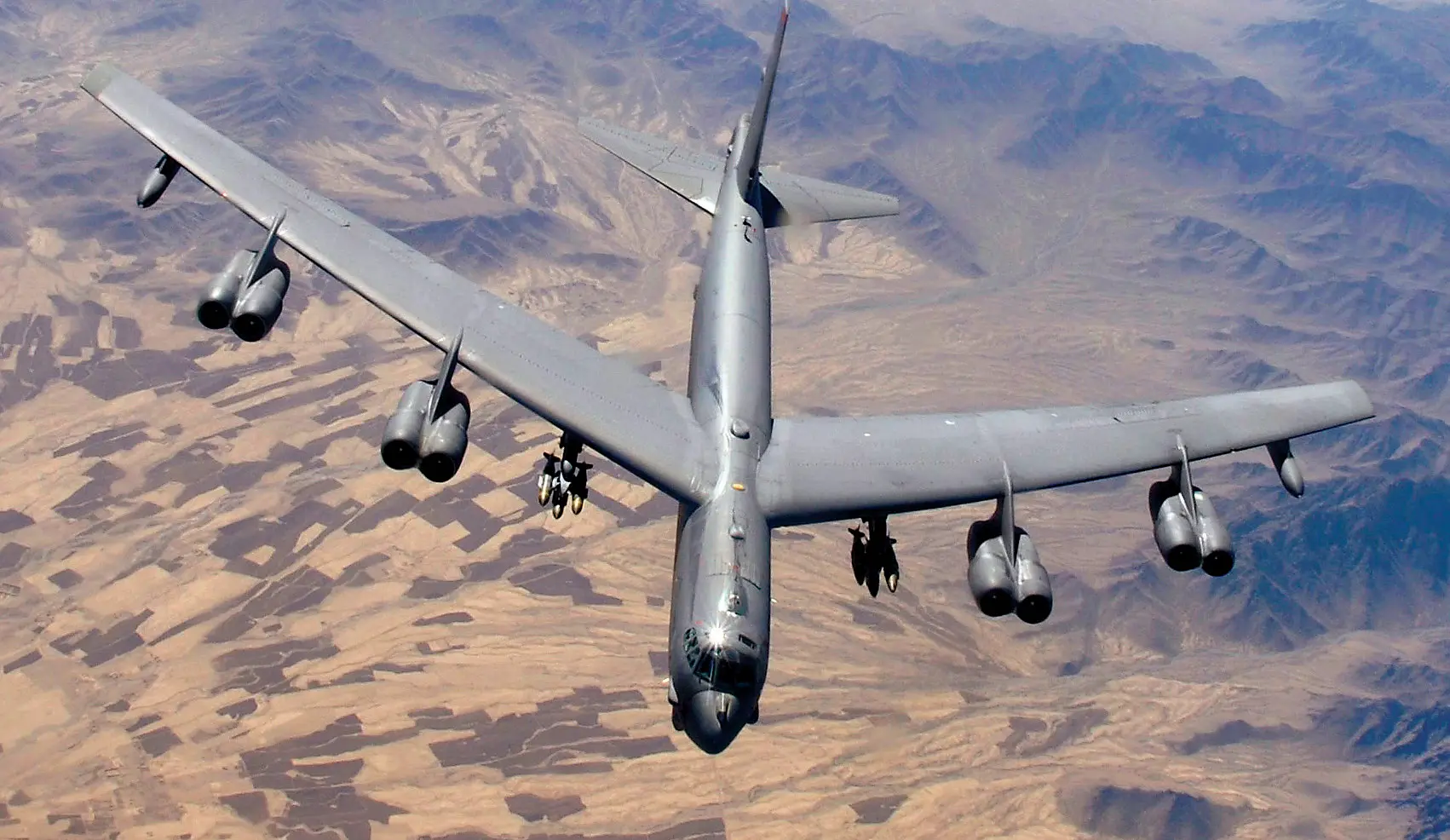
The Boeing B-52 Stratofortress remains the ultimate symbol of American global power projection and strategic nuclear deterrence. First designed in the early days of the Cold War, it continues to serve as the structural anchor of the US Air Force bomber fleet.
The USD 48.6 Billion Overhaul
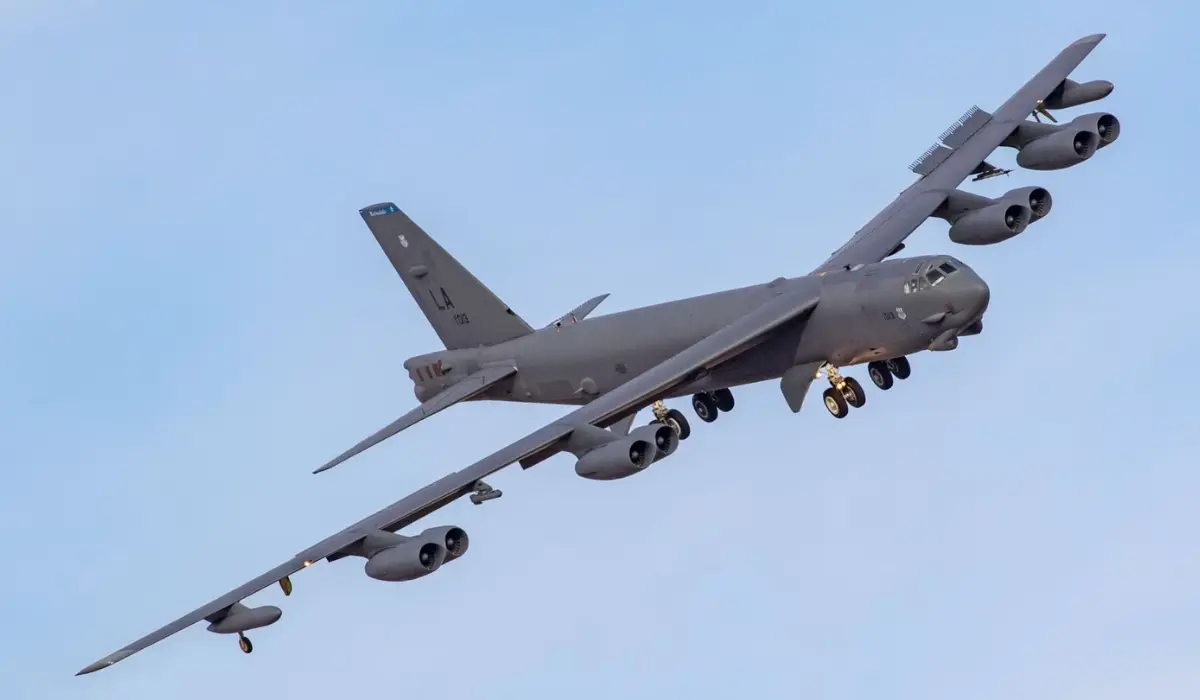
To cement its vital role, the US military is currently executing a massive USD 48.6 billion modernization programme across the surviving fleet. Redesignated as the B-52J, the upgraded aircraft will feature entirely new digital cockpits, secure data links, and advanced electronic warfare suites.
Rolls-Royce F130 Power
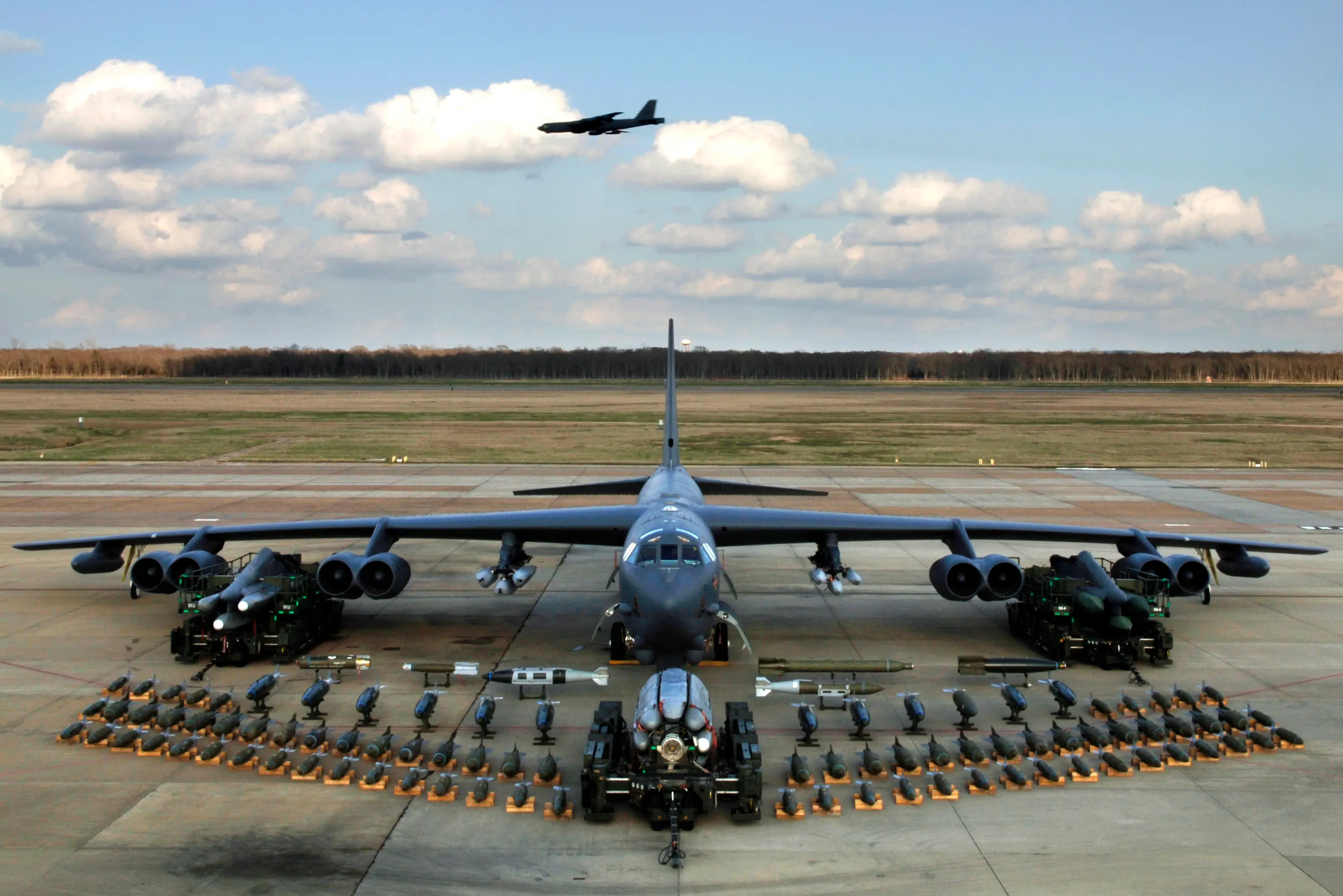
The core of the modernization involves stripping away the old, high-maintenance TF33 engines for eight brand-new Rolls-Royce F130 turbofans. This commercial engine swap slashes the heavy bomber's fuel consumption by roughly 30 per cent, vastly expanding its un-refuelled operational range.
Advanced Radar Tracking
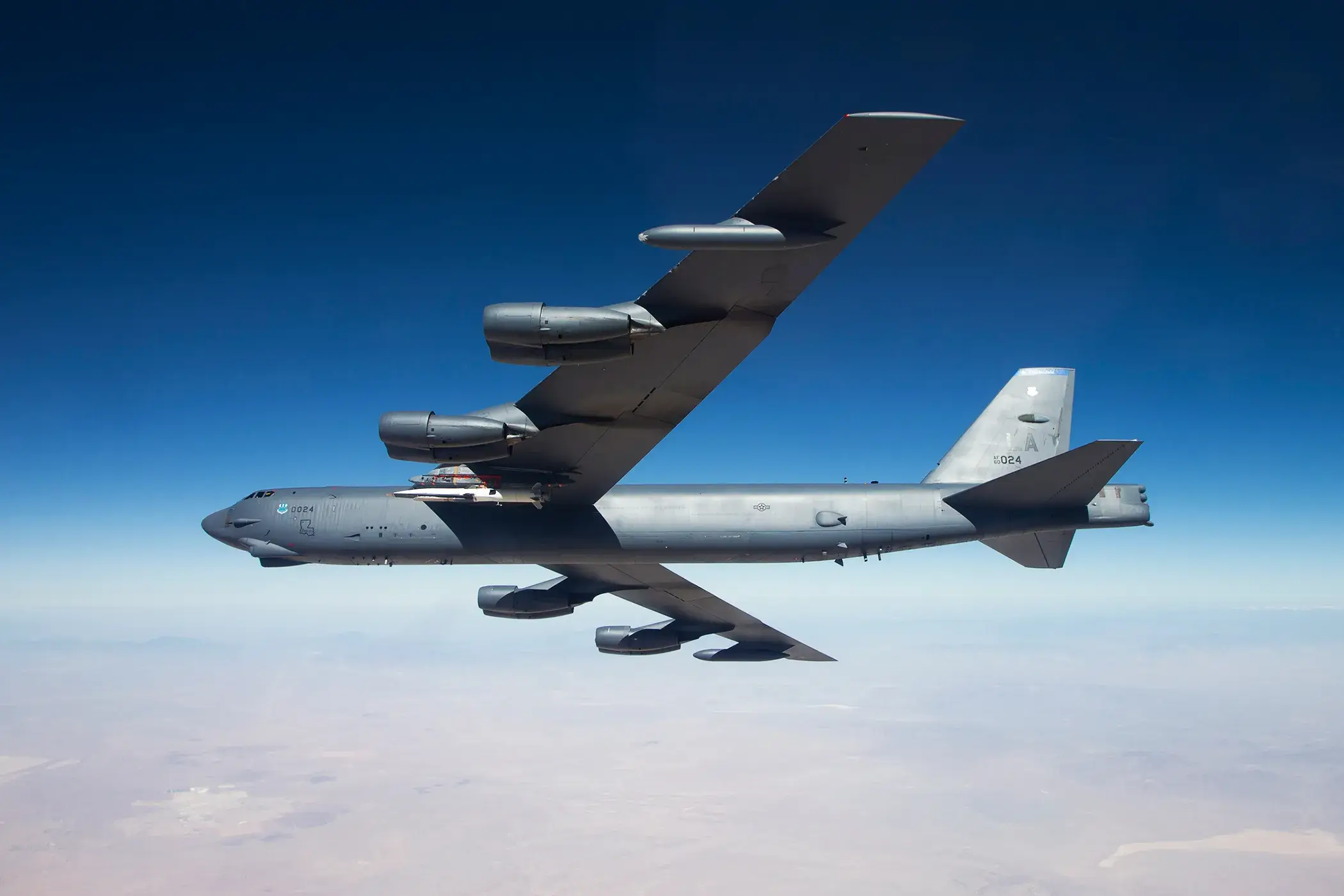
The B-52J is replacing its antiquated mechanically scanned radar with the highly advanced AN/APQ-188 Active Electronically Scanned Array (AESA). This powerful sensor significantly enhances targeting precision and situational awareness, allowing the aircraft to seamlessly network across modern battlespaces.
The Ultimate Missile Truck
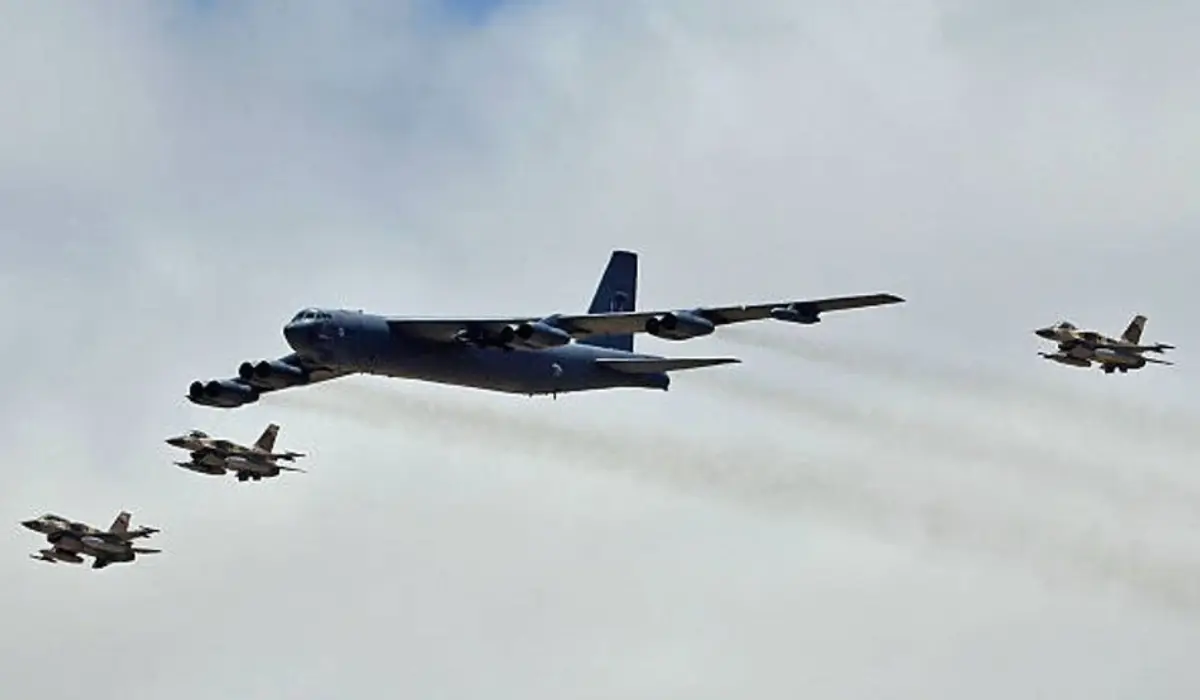
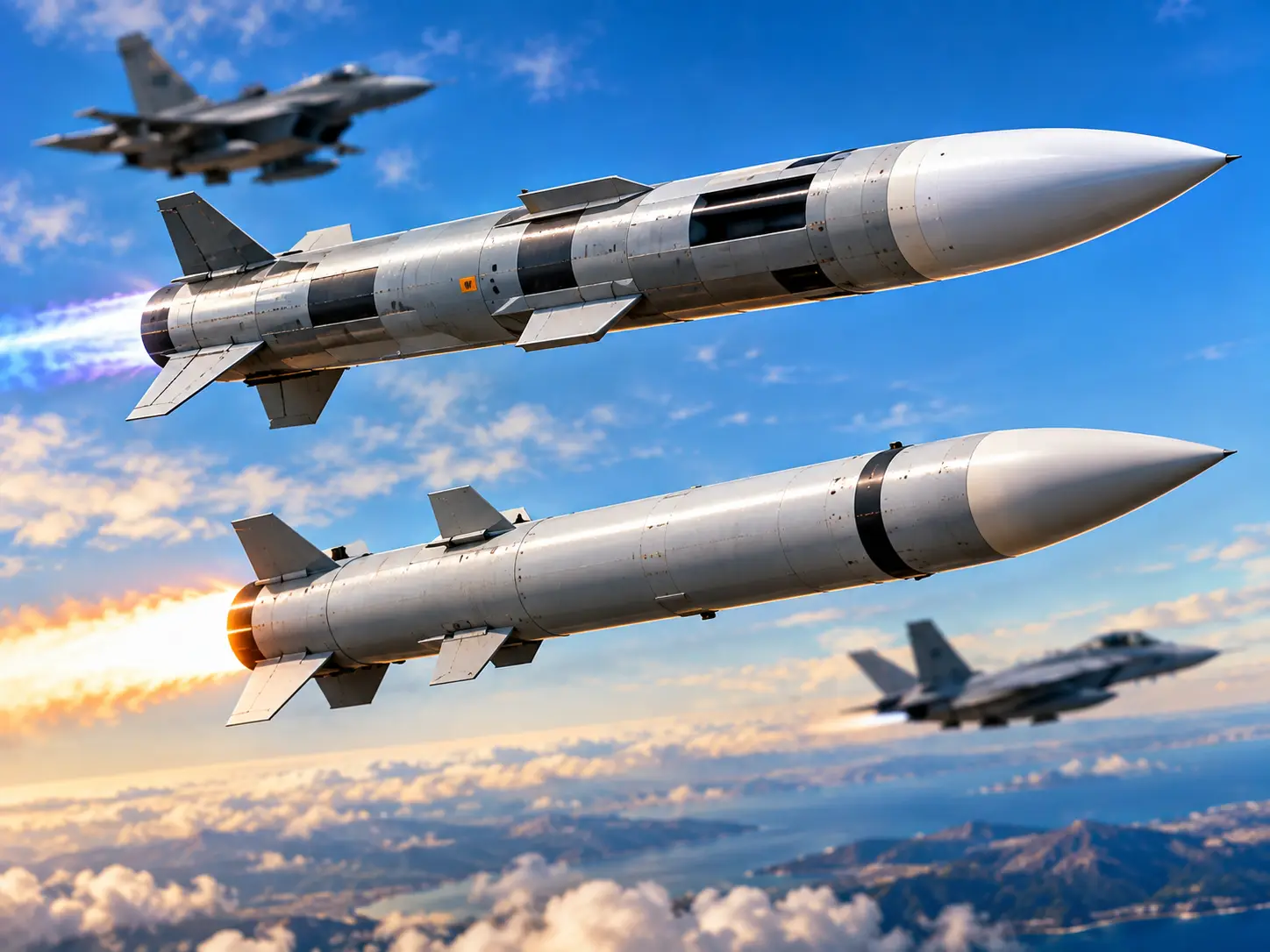
With a staggering 70,000-pound payload capacity, the B-52 functions as an unmatched airborne missile magazine. It does not require stealth features to survive, as it can launch advanced standoff weapons, including the AGM-181 nuclear cruise missile, from far outside enemy air defences.
Agile Combat Employment
Equipped with modern electric starters, the B-52J removes the historical requirement for bulky pneumatic ground support carts to jumpstart its engines. This allows the heavy bomber to operate from remote, austere airfields globally, directly supporting the military's Agile Combat Employment doctrine.
A Century of Service
The Stratofortress has systematically outlived newer aircraft designed to replace it, including the B-1 Lancer and B-2 Spirit. Operating alongside the upcoming B-21 Raider, the legendary B-52 is officially locked into active service beyond the 2050s, securing a historic 100-year lifespan.
)
)
)
)
)