Why the AIM-9 is a legendary fighter jet missile

The AIM-9 Sidewinder is a Mach 2+ heat-seeking missile. With thrust-vectoring technology and over 50 Gs of manoeuvrability, it remains the most reliable air-to-air weapon for 40 nations since 1956.
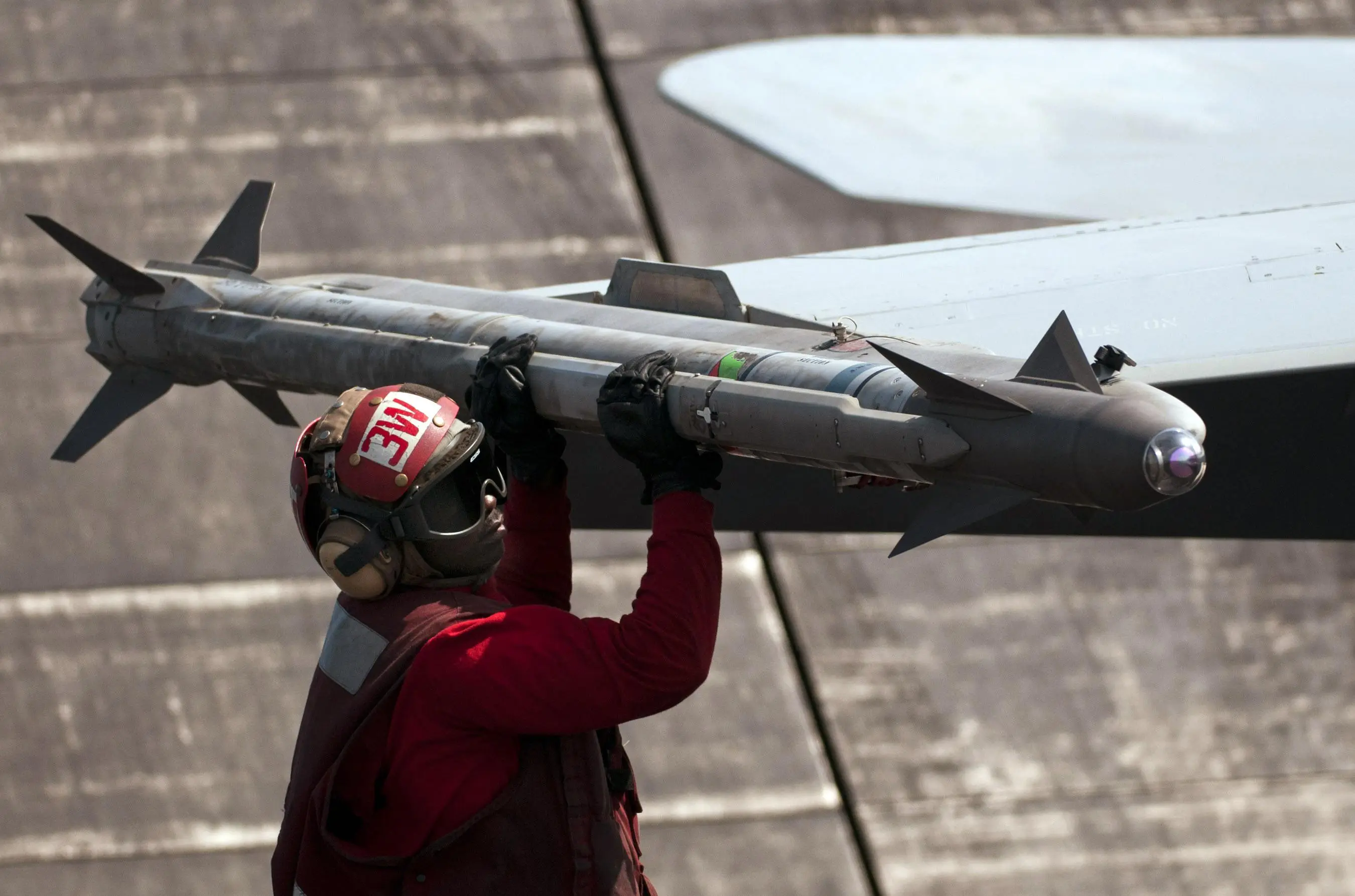
Active service since 1956
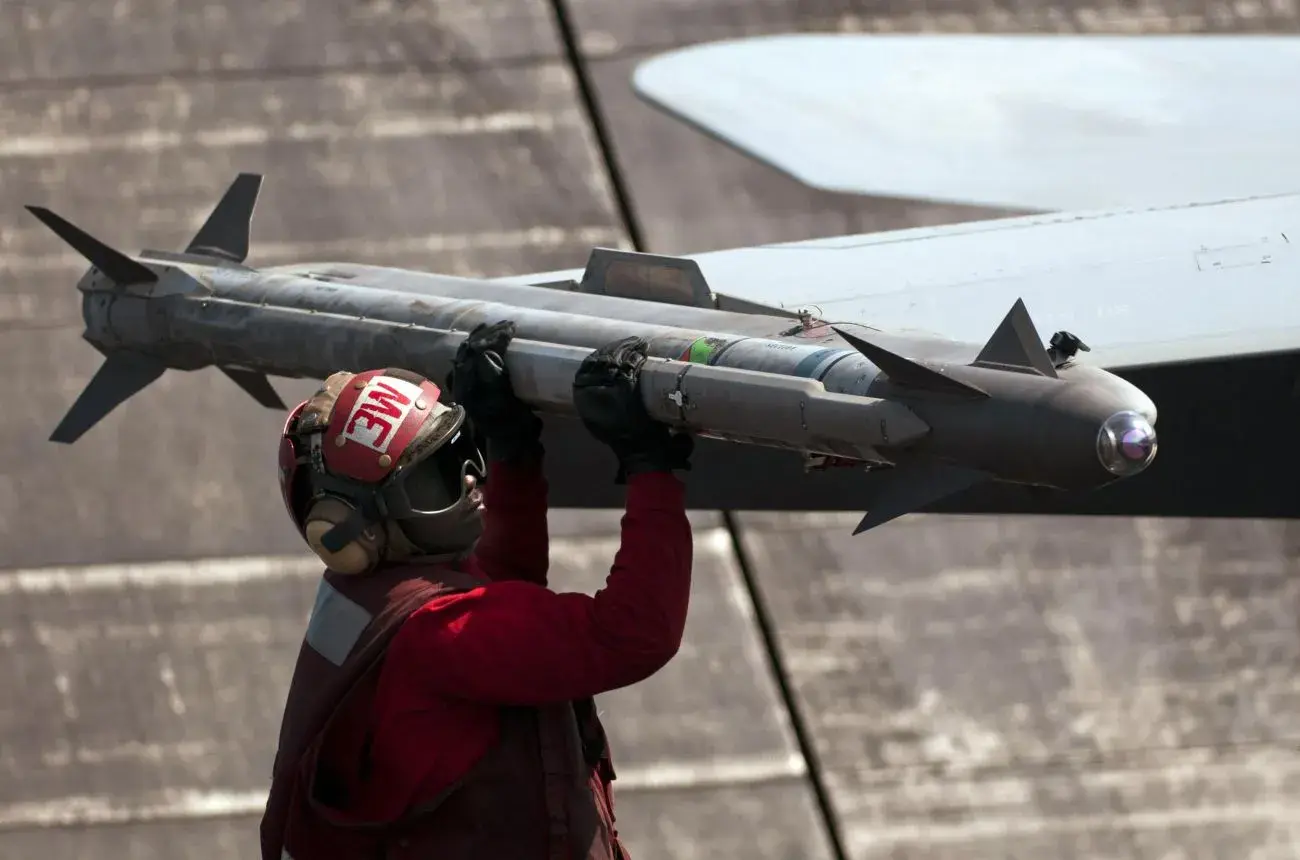
The AIM-9 Sidewinder began as a naval research project in the 1950s. It entered operational service with the US Navy in 1956, completely changing aerial combat. Today, more than 40 nations operate this highly effective heat-seeking air-to-air missile.
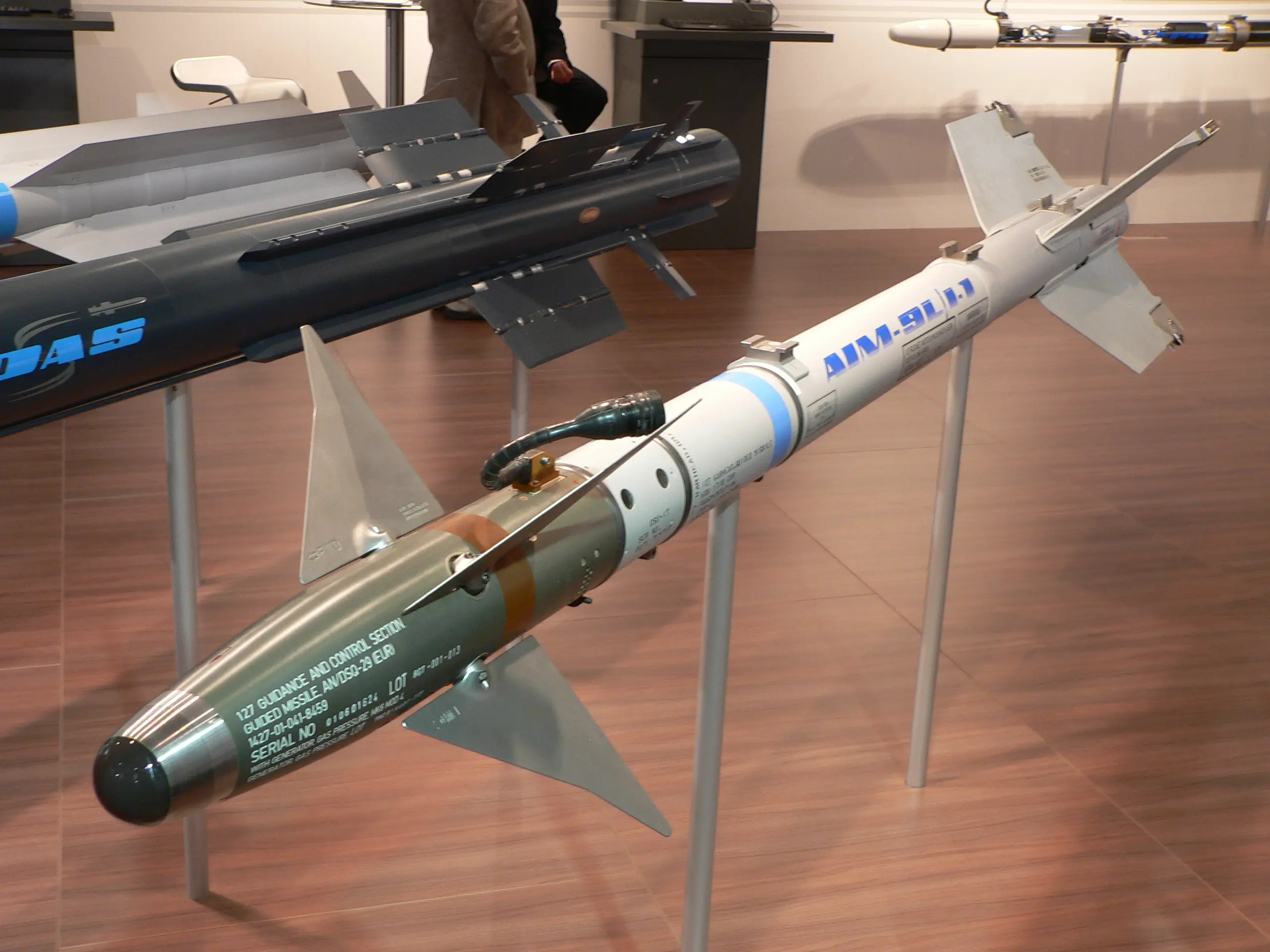
Mach 2+ flight speed
Flying at speeds exceeding Mach 2, the Sidewinder uses an infrared seeker to lock onto the heat signature of enemy aircraft. It carries an annular blast fragmentation warhead specifically designed to destroy fast and agile fighter jets.
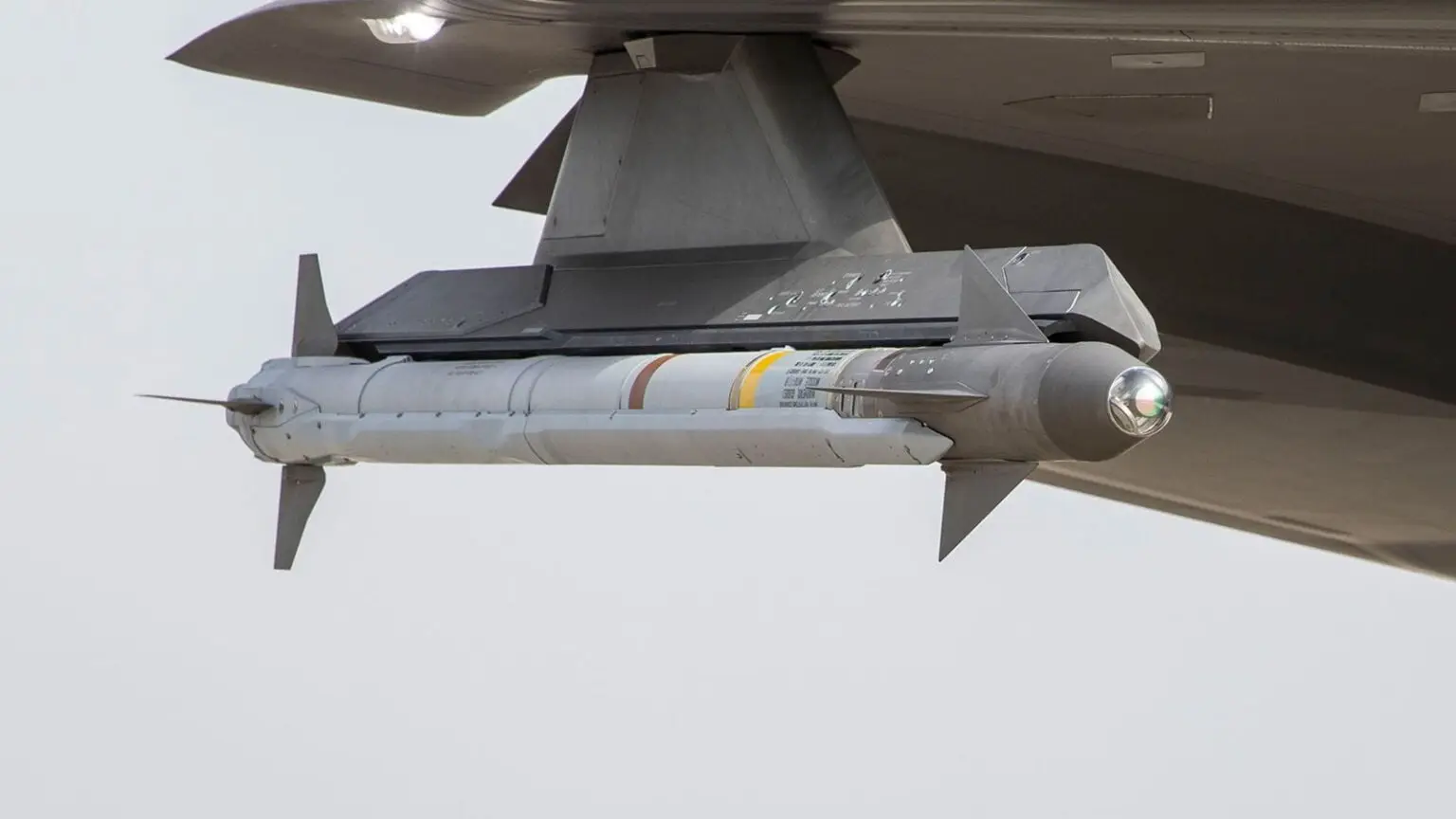
Over 50 Gs capability
The newest AIM-9X variant features advanced thrust-vectoring technology, allowing the missile to pull more than 50 Gs during combat manoeuvres. Its upgraded imaging infrared seeker ensures high precision and makes it extremely difficult for modern fighter planes to evade.
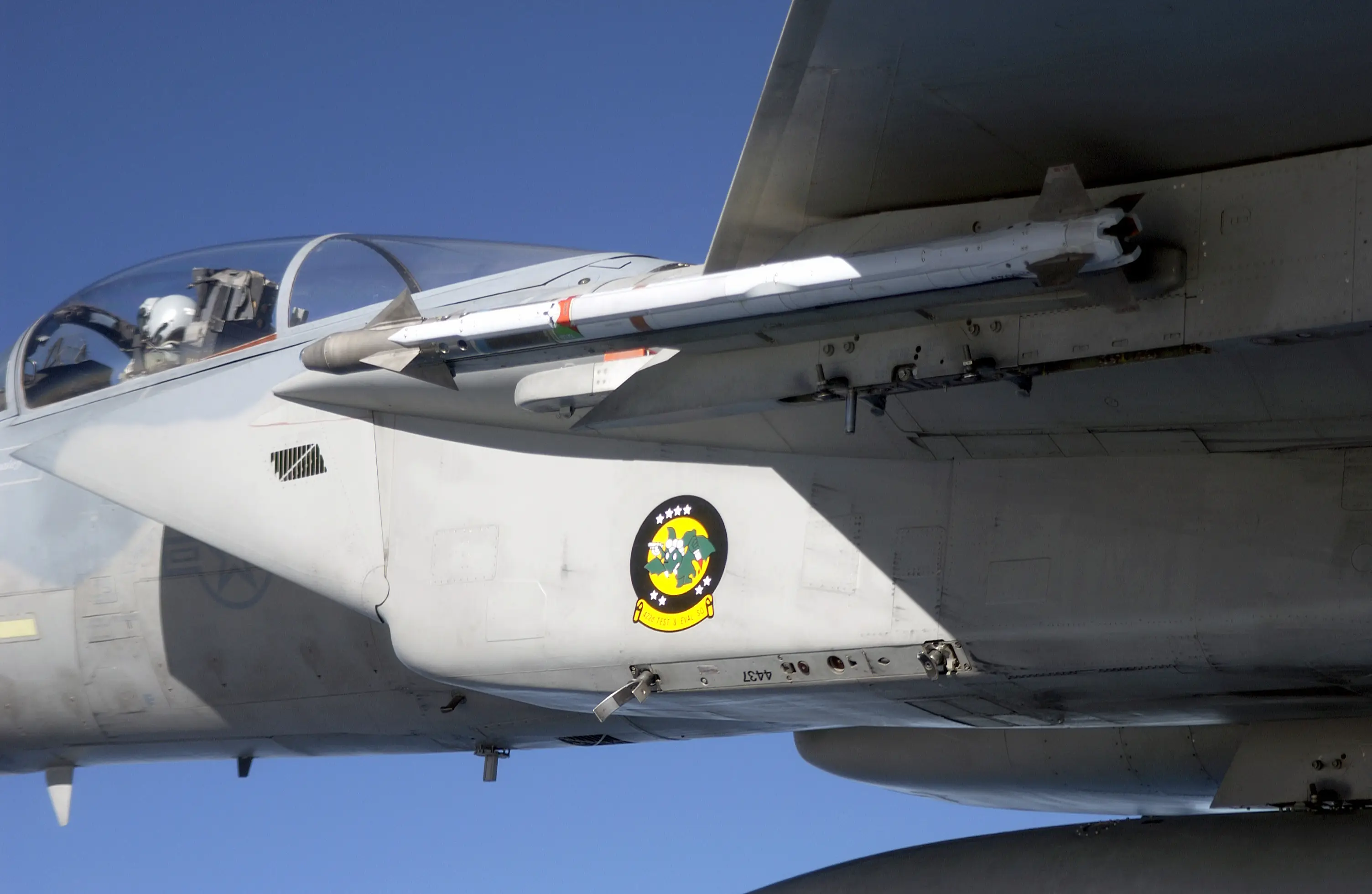
360-degree lock-on targeting
Pilots using the Joint Helmet-Mounted Cueing System can lock onto enemy aircraft simply by looking directly at them. This high off-boresight capability allows the missile to be fired at extreme angles, eliminating the need to steer the jet towards the target.
Proven Combat Legacy
Since its first combat deployment over the Taiwan Strait in 1958, the Sidewinder has been a decisive factor in global air superiority, from the Vietnam War to the Gulf War and beyond. The missile’s combat debut in 1958 famously achieved an estimated 60% success rate, a staggering performance that immediately cemented its legendary status and forever changed the doctrine of air-to-air combat.
)
)
)
)
)