Why the A-10 Warthog refuses to retire

The A-10 Warthog has survived decades of retirement plans. With a 30mm cannon, titanium armour, and unmatched loiter time, this Cold War-era jet remains the top choice for close air support because no modern fighter can fully replace its role.
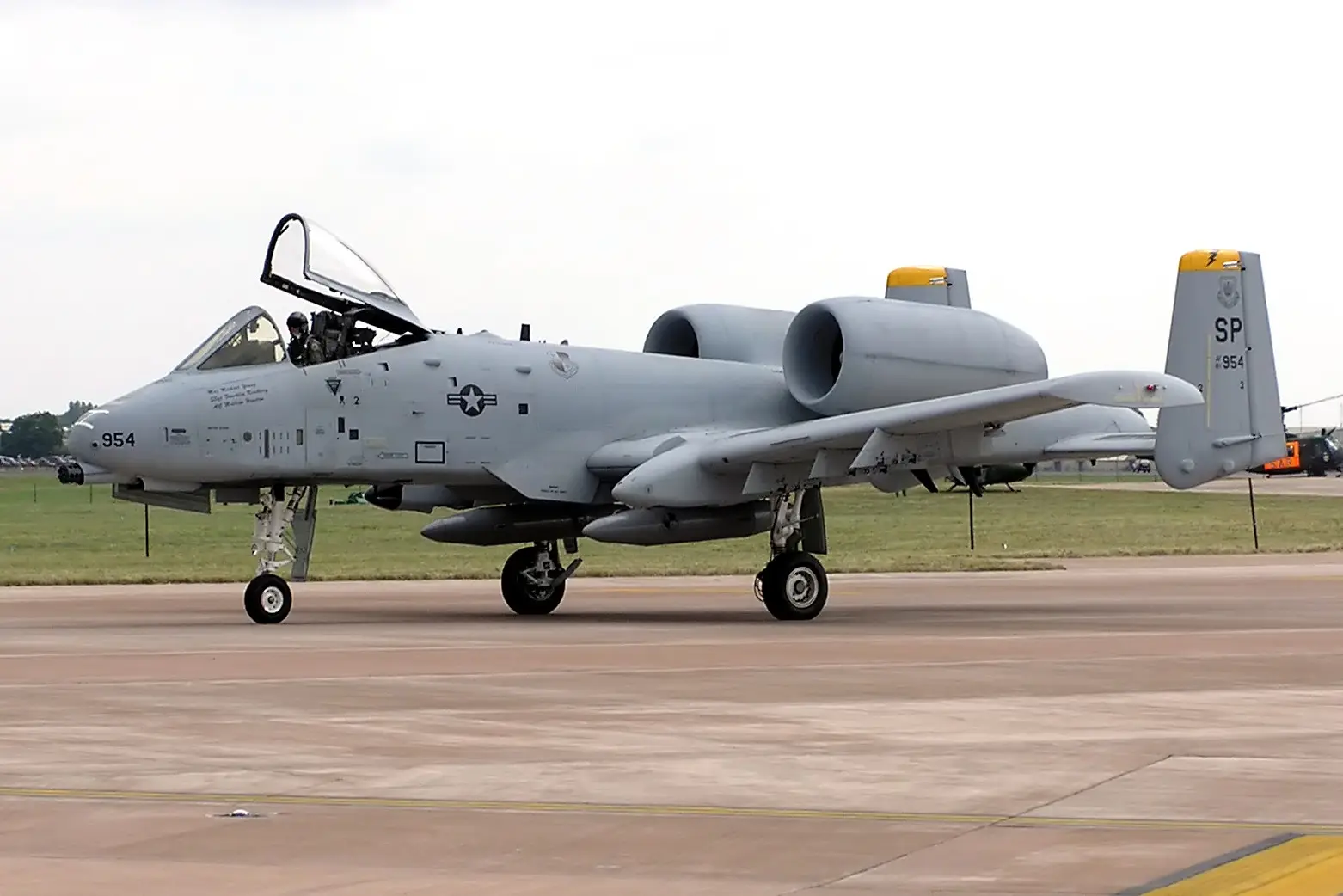
Built In The 1970s
The A-10 Thunderbolt II was designed during the Cold War to destroy Soviet tanks. While modern stealth fighters focus on speed and altitude, the Warthog was purpose-built for low, slow flights to provide direct close air support to ground troops.
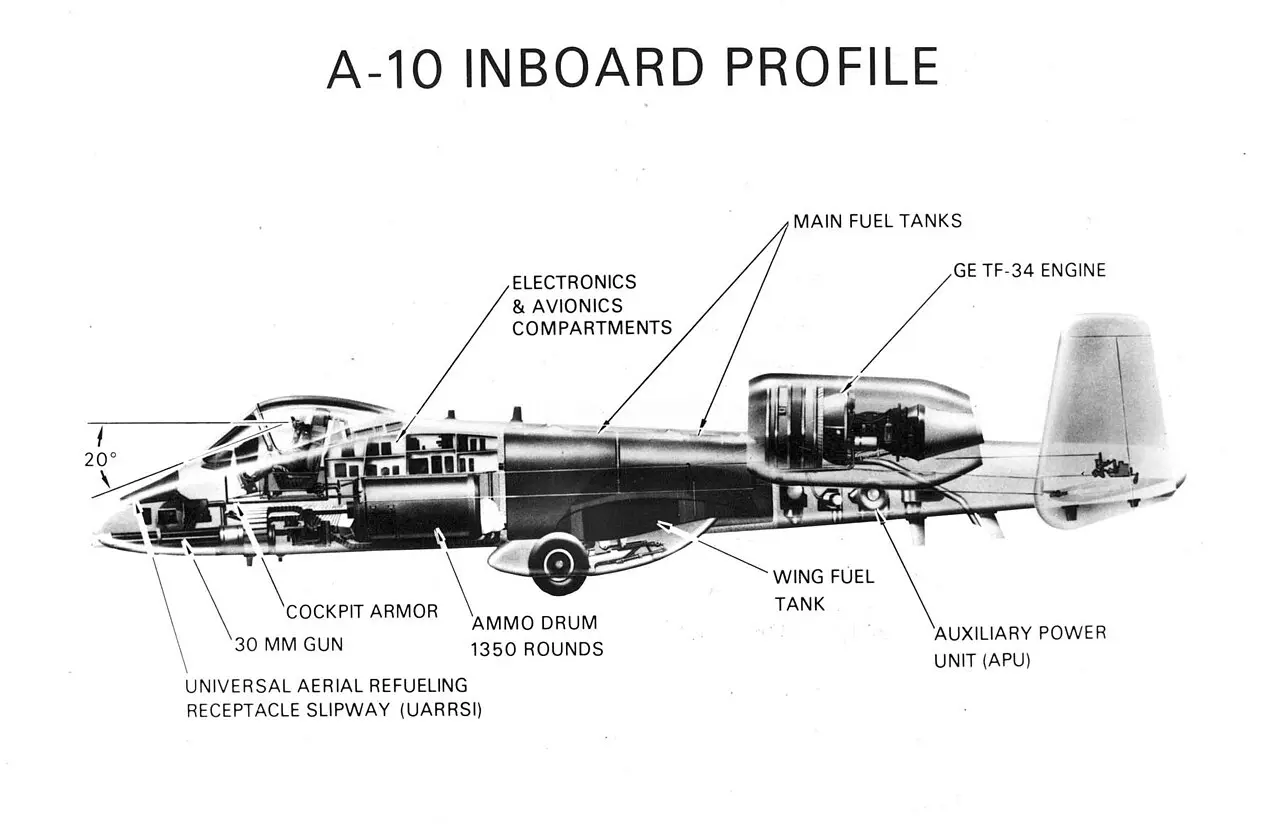
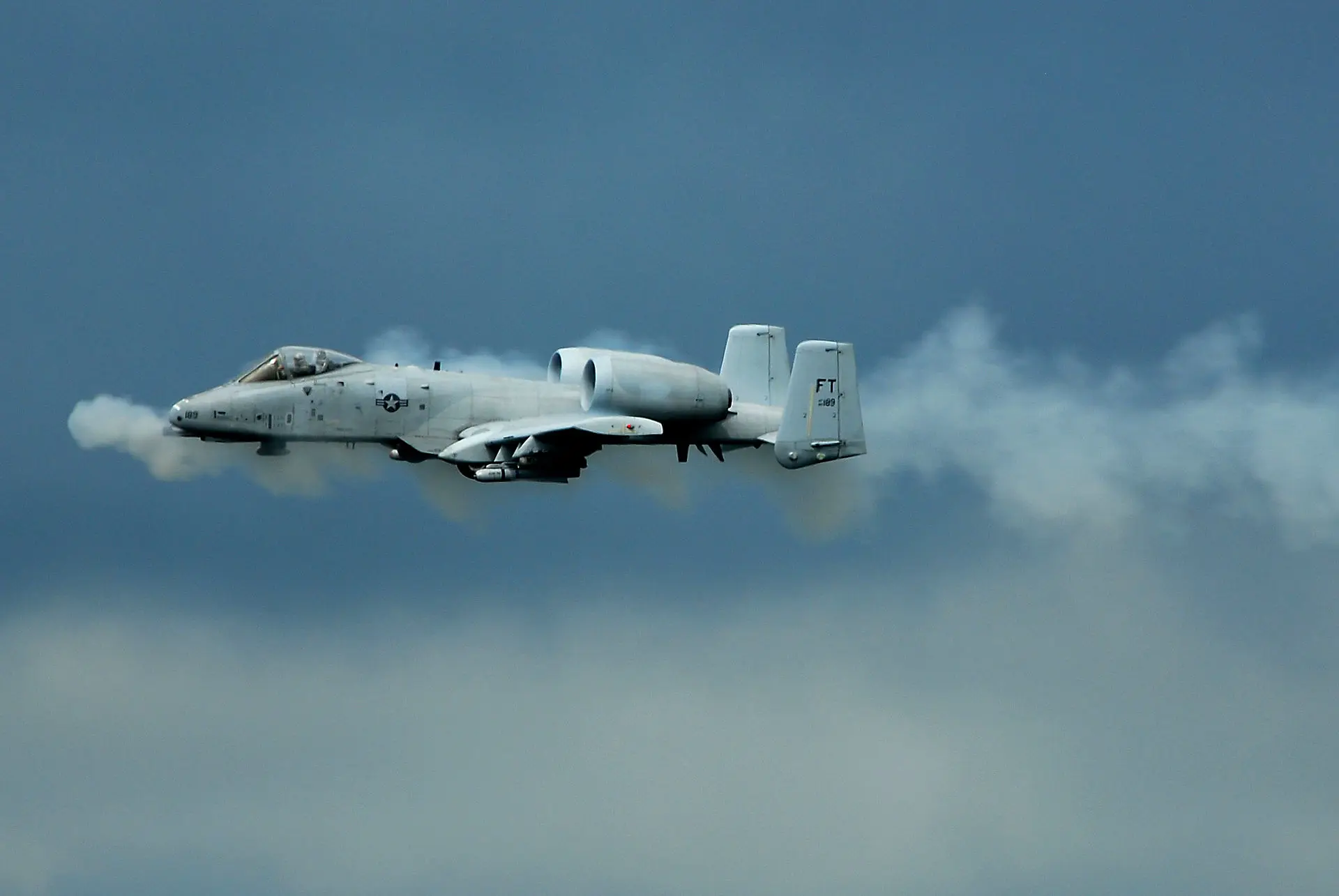
3,900 Rounds Per Minute
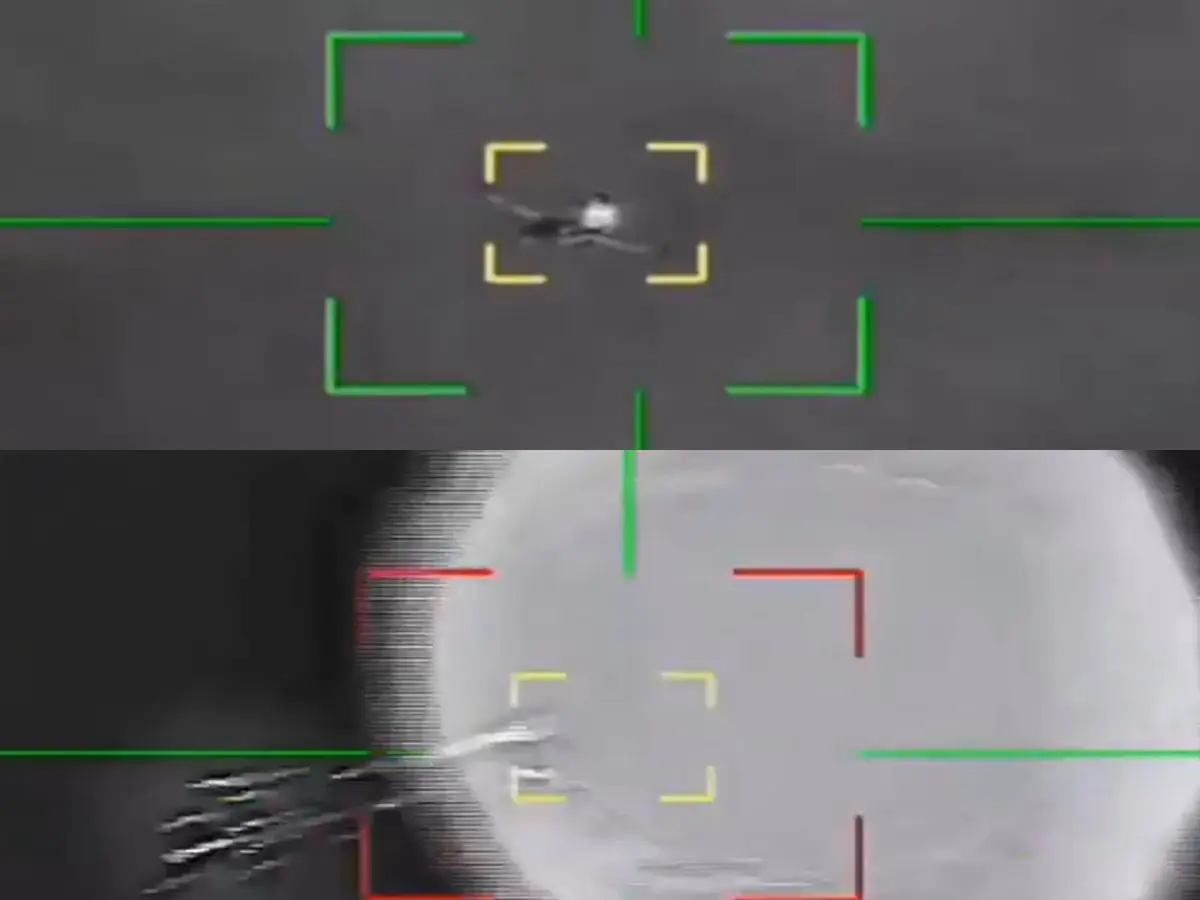
The aircraft is built around its massive 30mm GAU-8 Avenger rotary cannon. This weapon fires depleted uranium armour-piercing shells at extreme speeds, making it uniquely capable of shredding enemy tanks and bunkers with pinpoint accuracy.
1,200 Pounds Of Titanium
Surviving low-altitude combat requires extreme durability, so the cockpit is protected by a massive titanium bathtub. The aircraft has redundant flight control systems, allowing it to fly even with a damaged engine or half a wing blown off in battle.
50 Per Cent Cheaper
Operating advanced fifth-generation fighters like the F-35 costs tens of thousands of dollars per hour. The A-10 remains a highly cost-effective alternative for low-intensity conflicts, saving the defence budget massive amounts of money during routine missions.
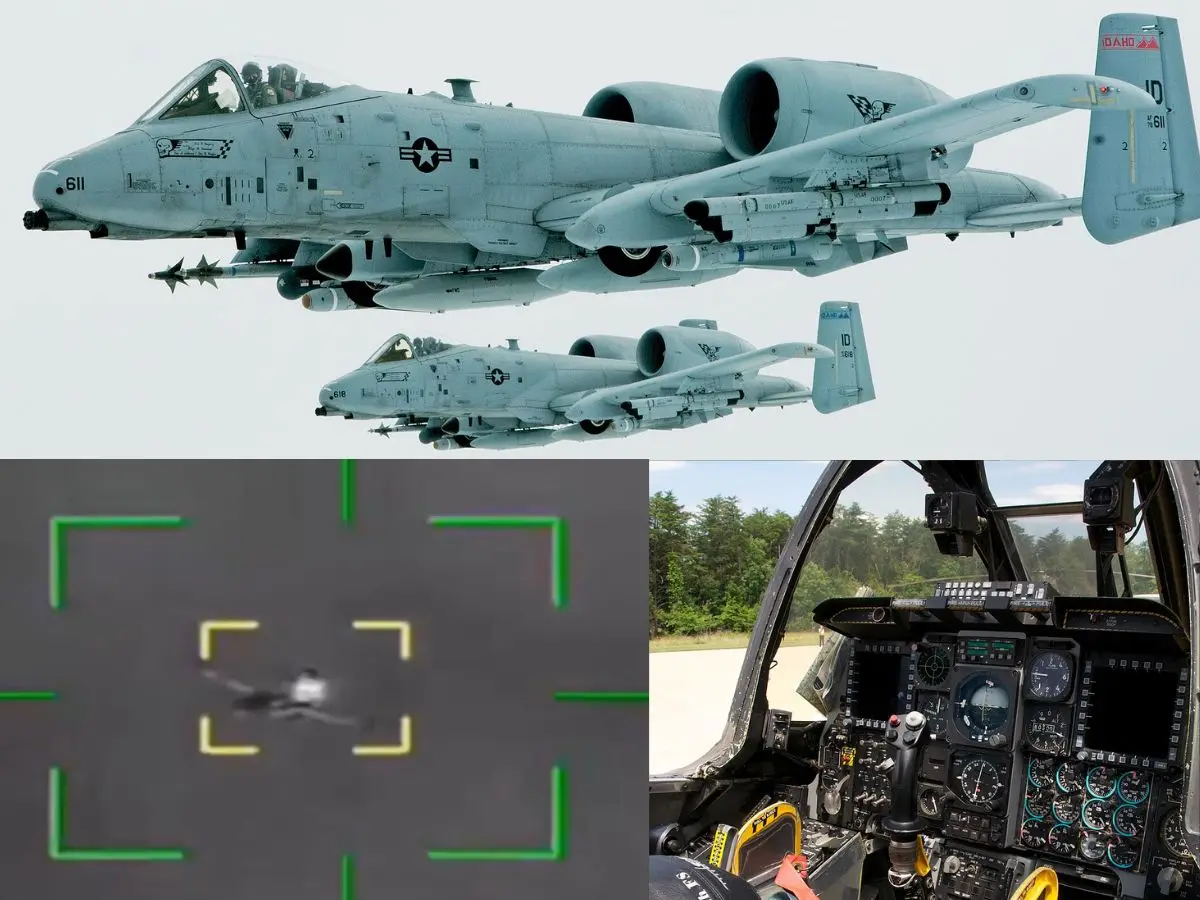
Two Hours Loiter Time
Unlike fast jets that must drop their payload and quickly return to base, the Warthog can linger above the battlefield for extended periods. This persistence allows pilots to establish visual communication with ground forces and strike targets repeatedly.
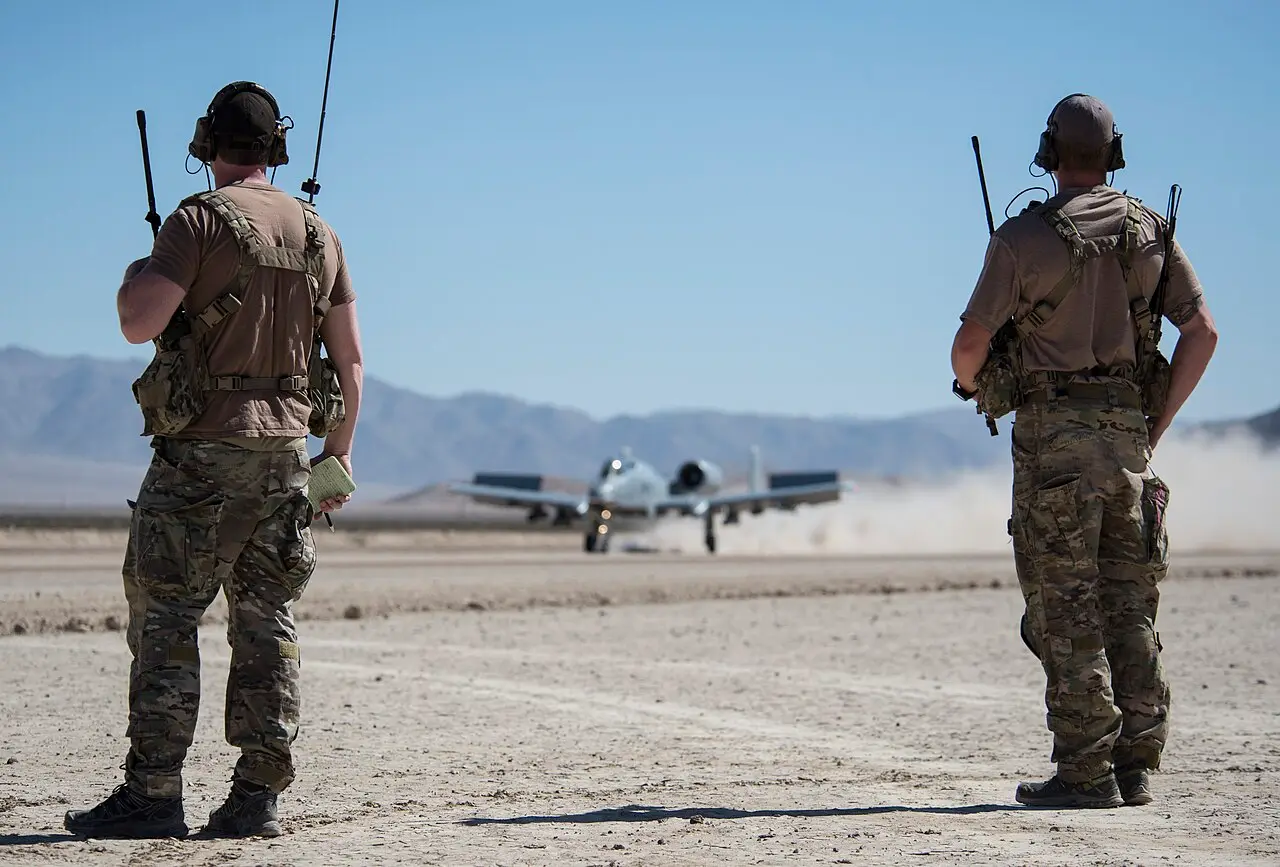
Congress Protects 103 Jets
The US Air Force has actively pushed to scrap the aircraft to fund newer stealth programmes. However, lawmakers and ground troops have consistently pushed back, recently passing legislation to maintain a minimum fleet of over 100 active aircraft.
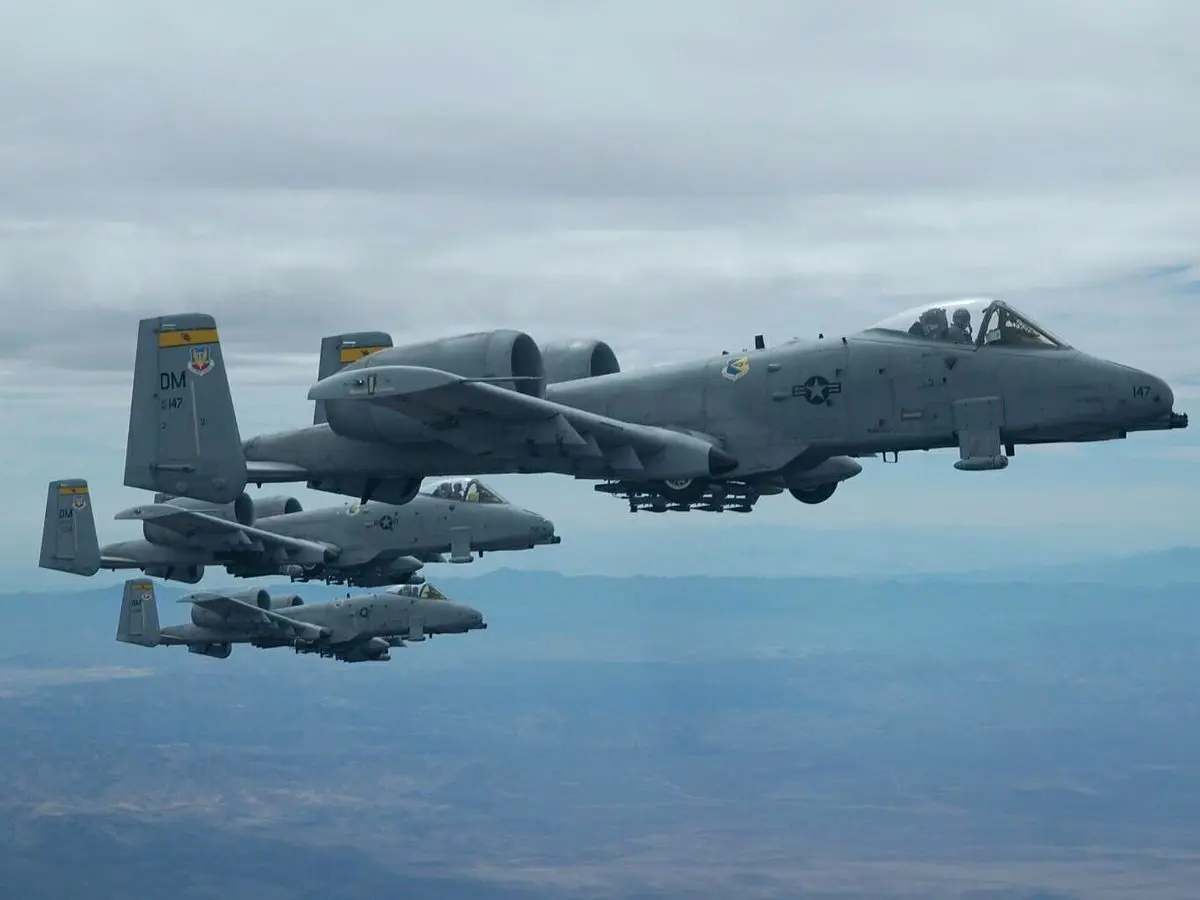
50 Years In Service
Despite entering service nearly five decades ago, no direct replacement exists that can replicate its low-speed presence and heavy armour. While its final retirement is inevitable, the A-10 continues to delay its exit by proving its unmatched combat value.
)
)
)
)
)