Why the 20-year-old F-22 is still faster than the modern F-35

Dual engines and Mach 1.82 supercruise propel the F-22 Raptor to Mach 2.25. This sleek aerodynamic profile leaves the bulkier Mach 1.6 F-35 strike fighter trailing behind.
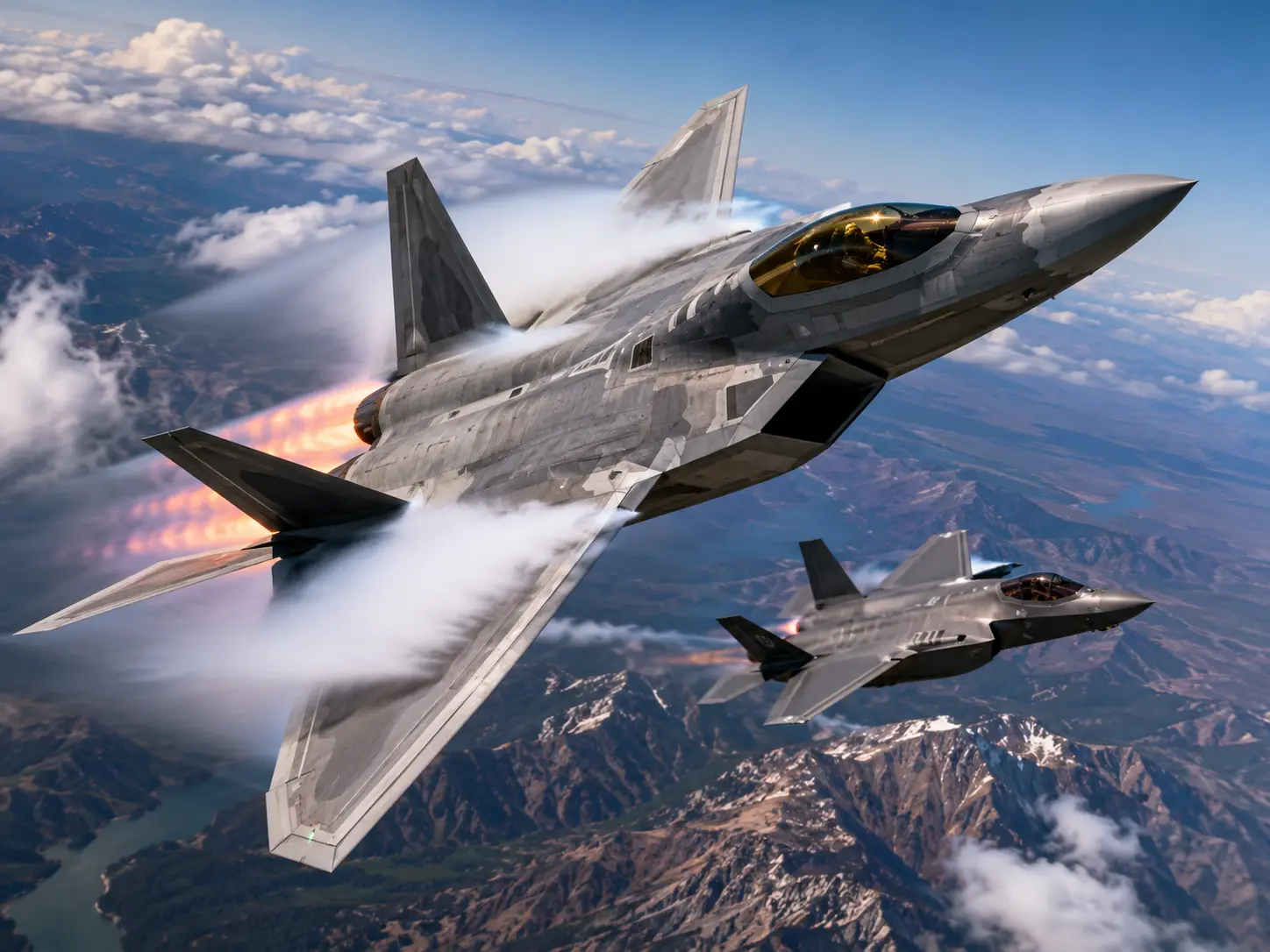
Top Speed Mach 2.25
The F-22 Raptor hits an unmatched velocity of Mach 2.25, easily outpacing the Mach 1.6 top speed of the F-35. Built purely as an air superiority fighter, its sleek aerodynamic profile minimises parasitic drag. This allows pilots to intercept distant combat threats rapidly before enemy defensive systems can react.
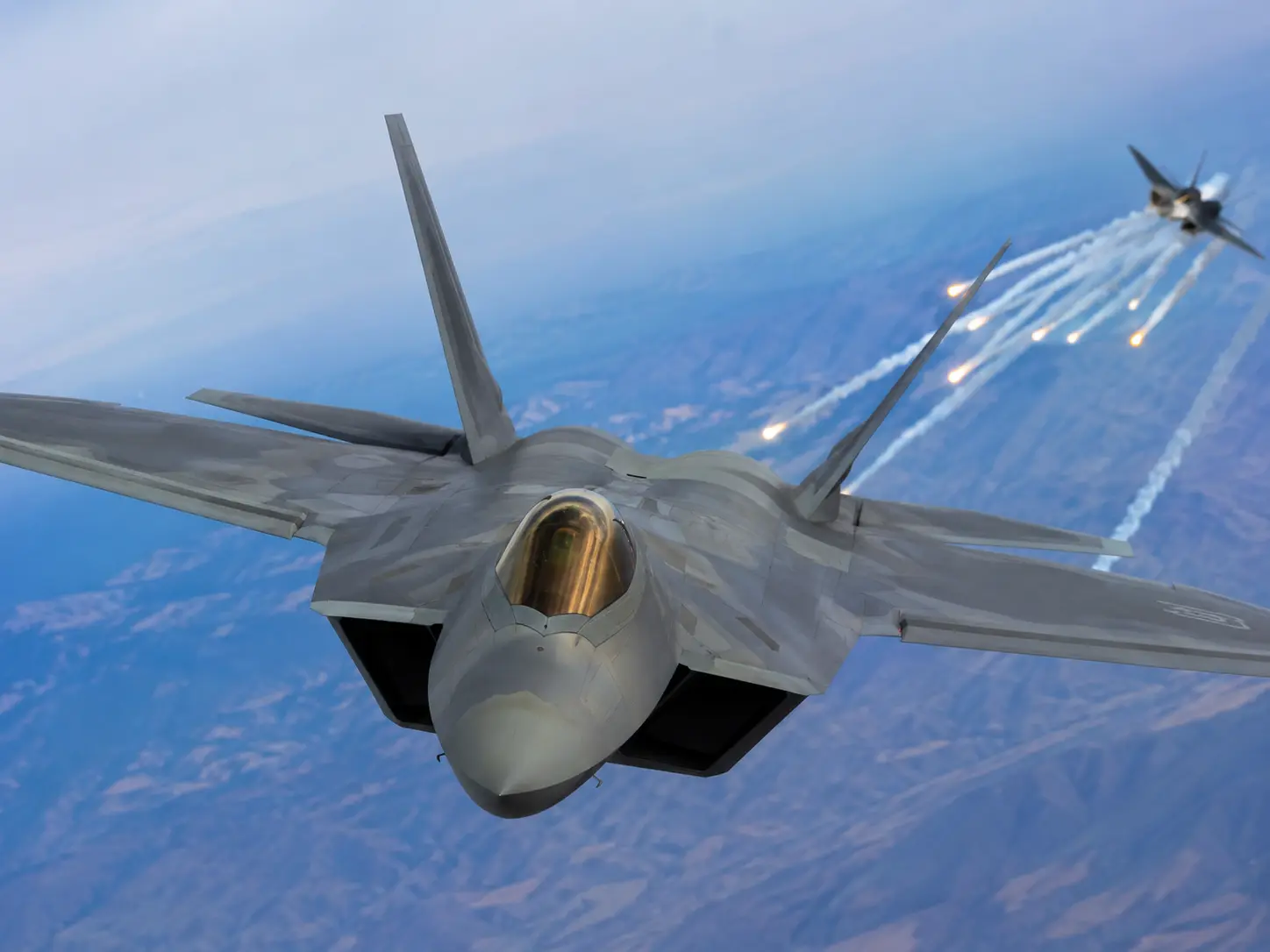
Dual Engines 70,000lb Thrust
Two Pratt & Whitney F119 turbofan engines give the Raptor roughly 70,000 pounds of total thrust with afterburners. In contrast, the newer F-35 relies on a single engine producing 43,000 pounds of thrust. This massive thrust-to-weight ratio grants the older jet superior kinetic acceleration during intense aerial engagements.
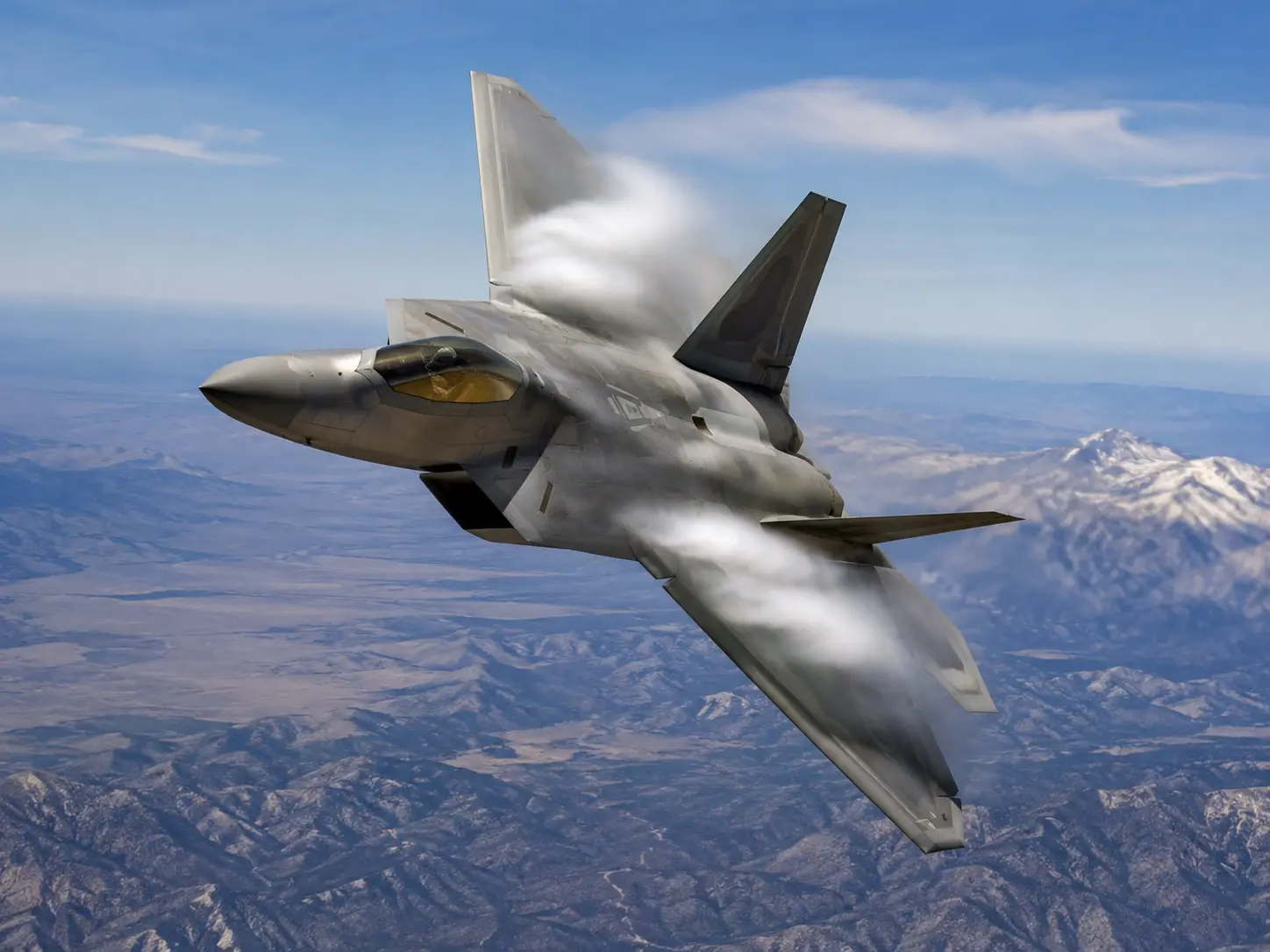
Mach 1.82 Supercruise Rate
Sustaining supersonic flight without fuel-draining afterburners is possible due to the Mach 1.82 supercruise capability of the F-22. Modern multirole fighters like the F-35 lack this specialised engineering feature entirely. Consequently, the Raptor covers immense operational distances at supersonic velocity while conserving vital fuel reserves.
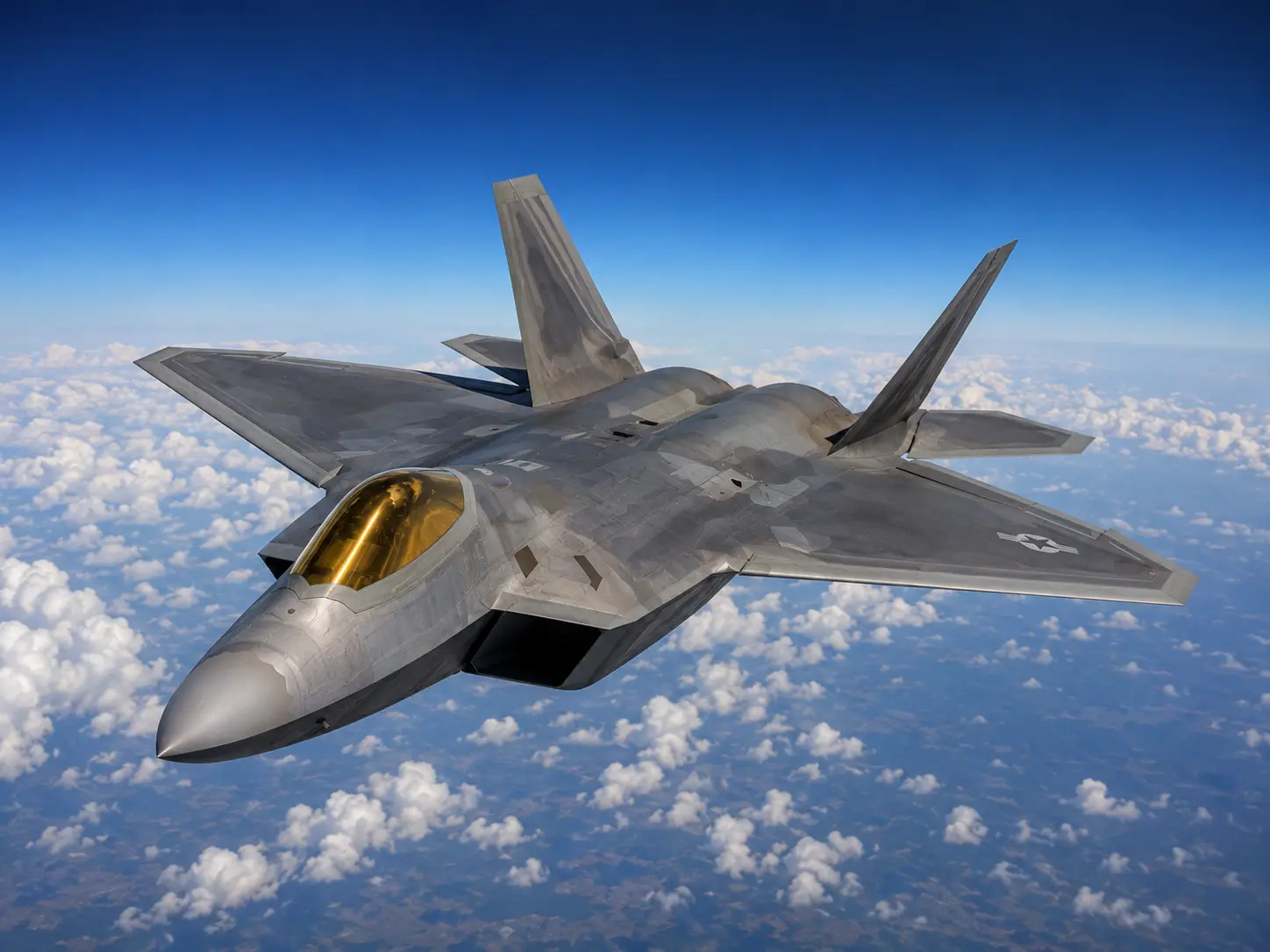
Climbs 62,000ft Per Minute
Raw twin-engine power enables the Raptor to ascend vertically at an extraordinary 62,000 feet per minute. The heavier, bulkier airframe of the F-35 climbs at a much slower rate of 45,000 feet per minute. This rapid ascent lets F-22 pilots seize high-altitude kinetic dominance immediately after takeoff.
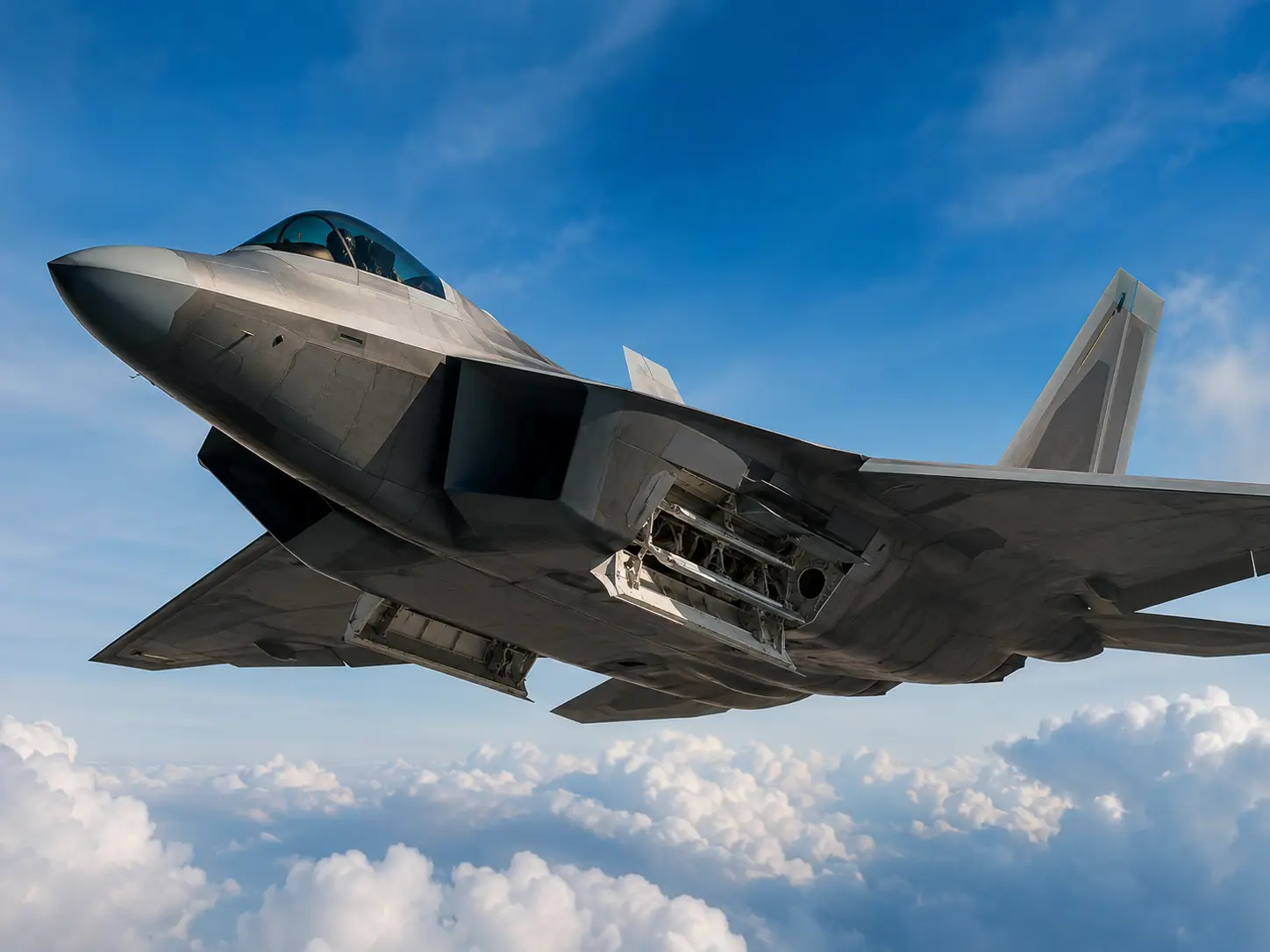
Nozzles Vector 20 Degrees
Specialised two-dimensional exhaust nozzles direct engine thrust up or down by 20 degrees. This pitch authority maintains absolute aircraft manoeuvrability even in thin air at extreme altitudes. Because the F-35 features a wider fuselage for internal bombs, it trades sheer speed for multirole strike versatility.
)
)
)
)
)