Why supersonic missiles like 'BrahMos' still matter in hypersonic era?

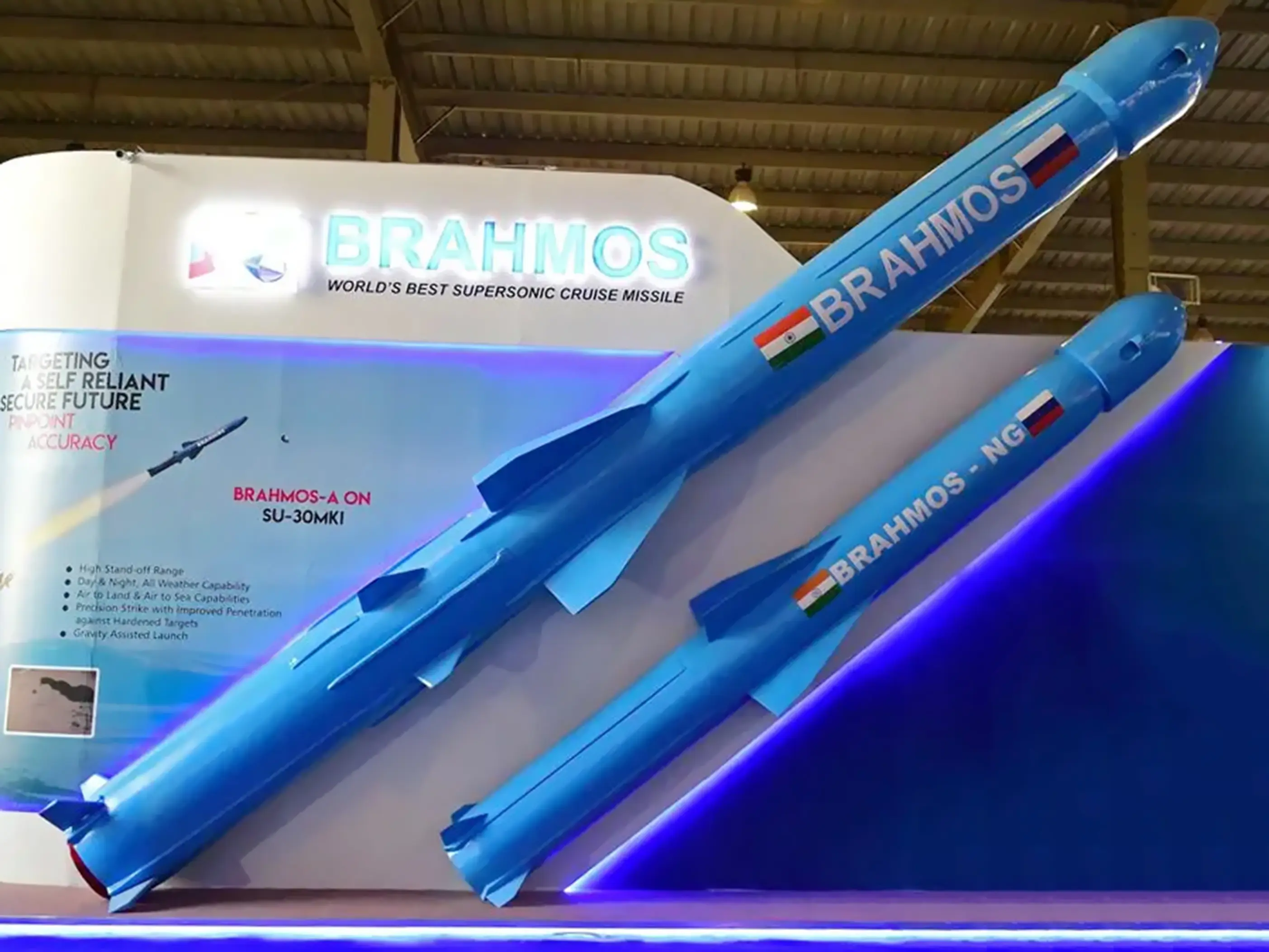
Supersonic missiles travel at two to three times the speed of sound, giving them short time-to-target performance. This allows forces to respond quickly to emerging threats, conduct time-critical strikes and reduce the window for adversary countermeasures.
1. Supersonic Missiles Offer Proven Reliability
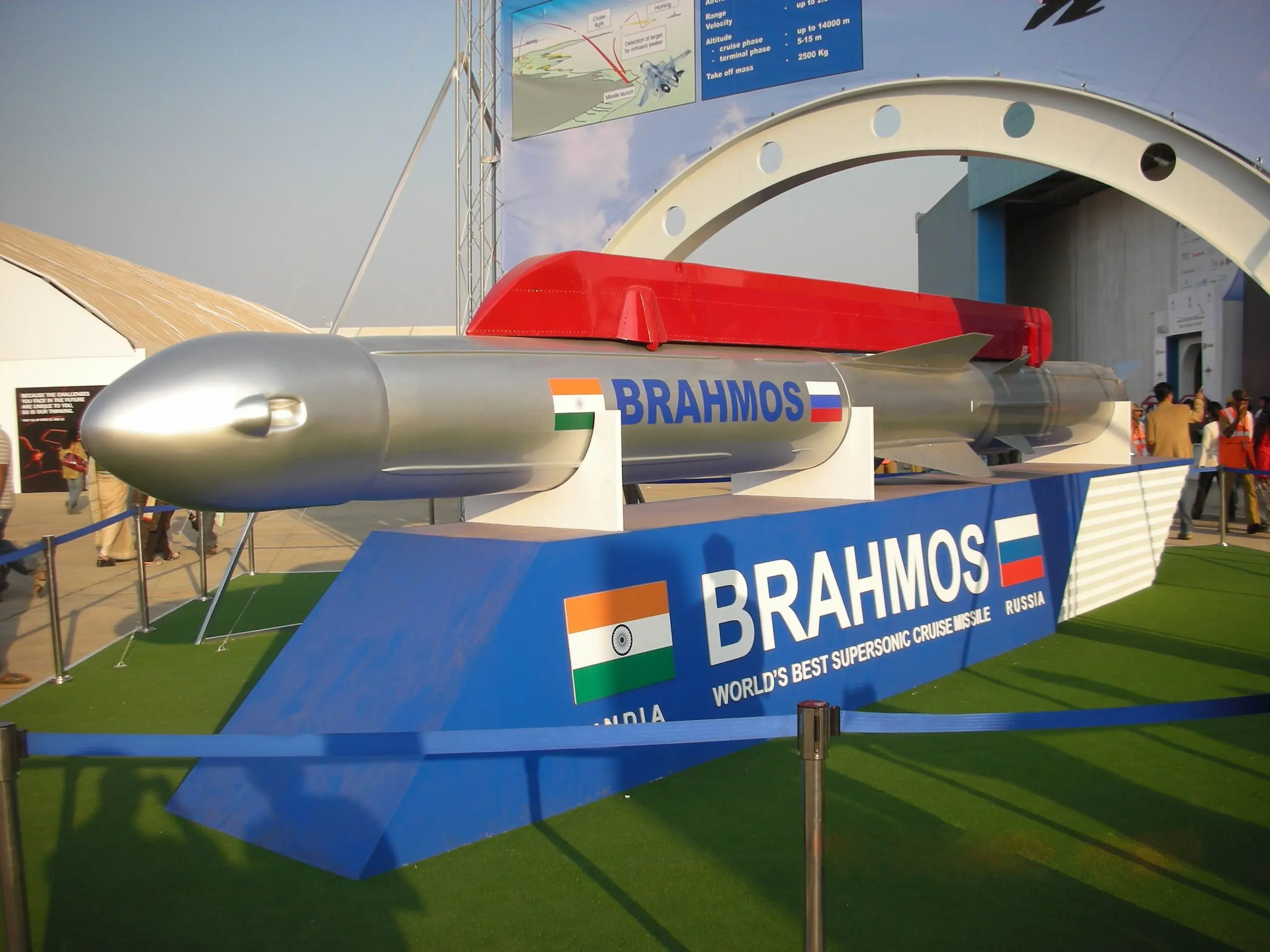
Supersonic systems like BrahMos have undergone extensive trials and deployment, giving armed forces predictable performance across weather, terrain and electronic environments. Their maturity makes them dependable weapons even as hypersonic systems continue development.
2. Lower Reaction Time for Both Offensive and Defensive Roles
Supersonic missiles travel at two to three times the speed of sound, giving them short time-to-target performance. This allows forces to respond quickly to emerging threats, conduct time-critical strikes and reduce the window for adversary countermeasures.
3. Easier Integration Across Platforms
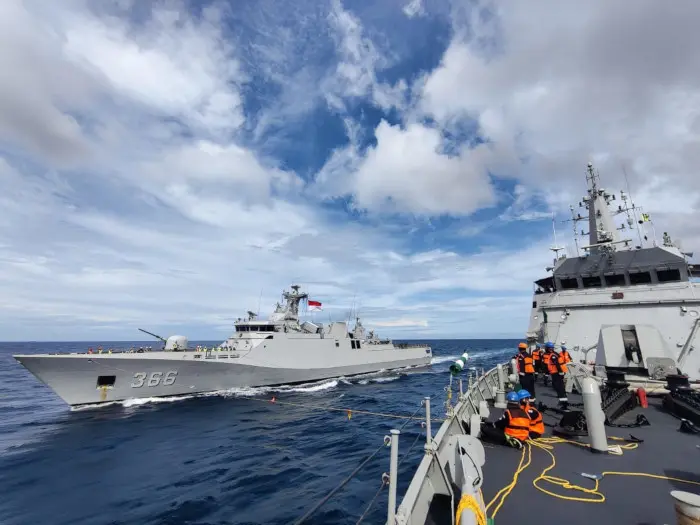
Supersonic systems can be integrated into existing land, air and sea platforms without major redesign. This compatibility provides operational flexibility that newer hypersonic systems, still undergoing integration trials, do not yet offer at scale.
4. Cost-Effective Deployment for Regular Missions
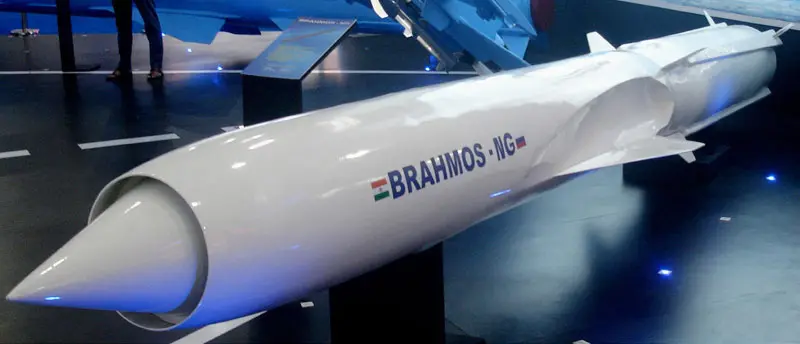
Supersonic missiles are significantly cheaper to produce and maintain compared with hypersonic systems, which involve advanced materials and complex propulsion. This makes supersonic platforms suitable for frequent operational readiness drills and routine deterrence missions.
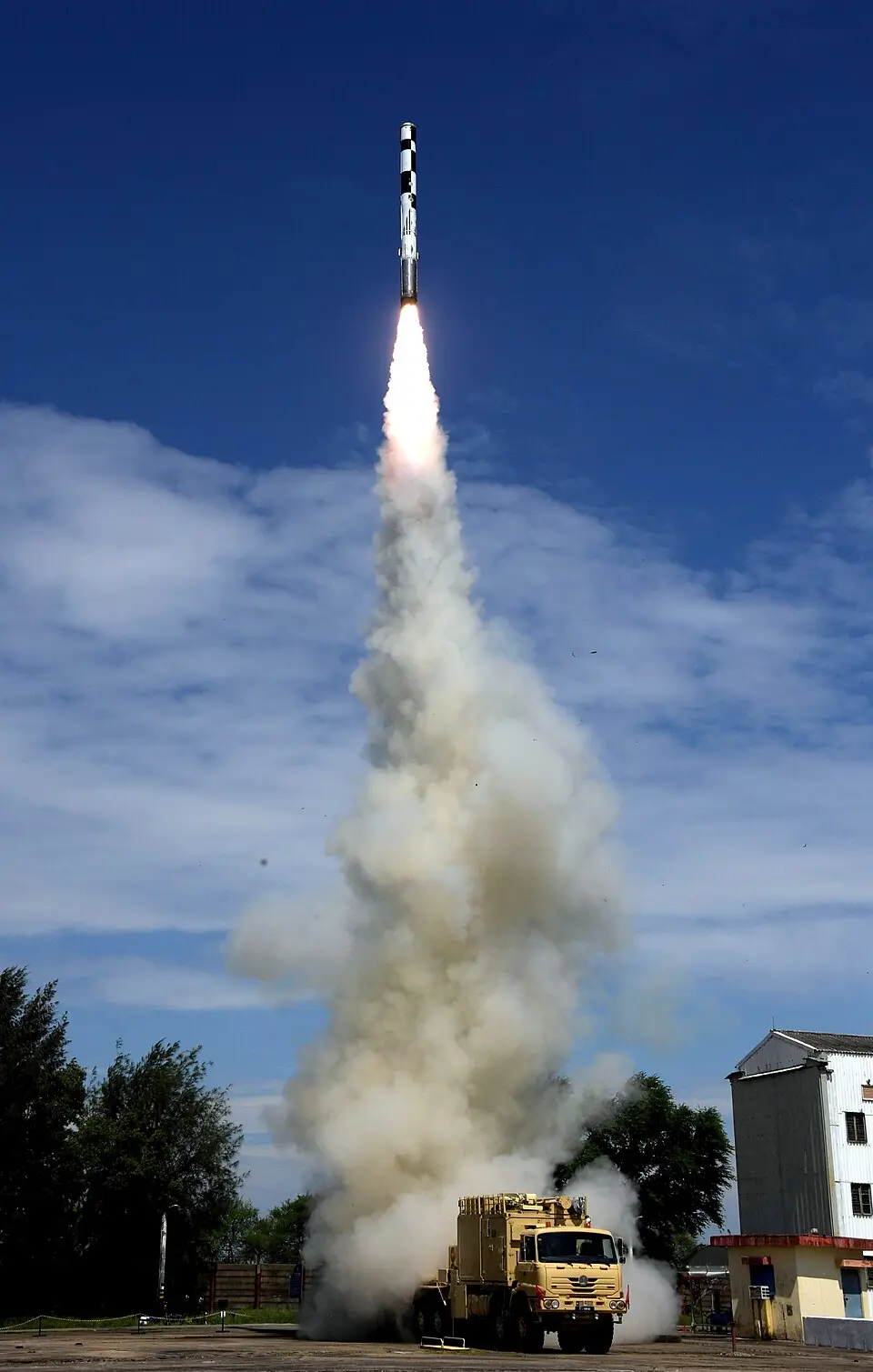
5. Strong Penetration Capability Against Most Defences
With high speed, sea-skimming or terrain-following flight profiles and low flight altitudes, supersonic missiles remain difficult to detect and intercept. Most current air-defence systems are challenged by their speed and manoeuvrability, keeping them highly relevant.
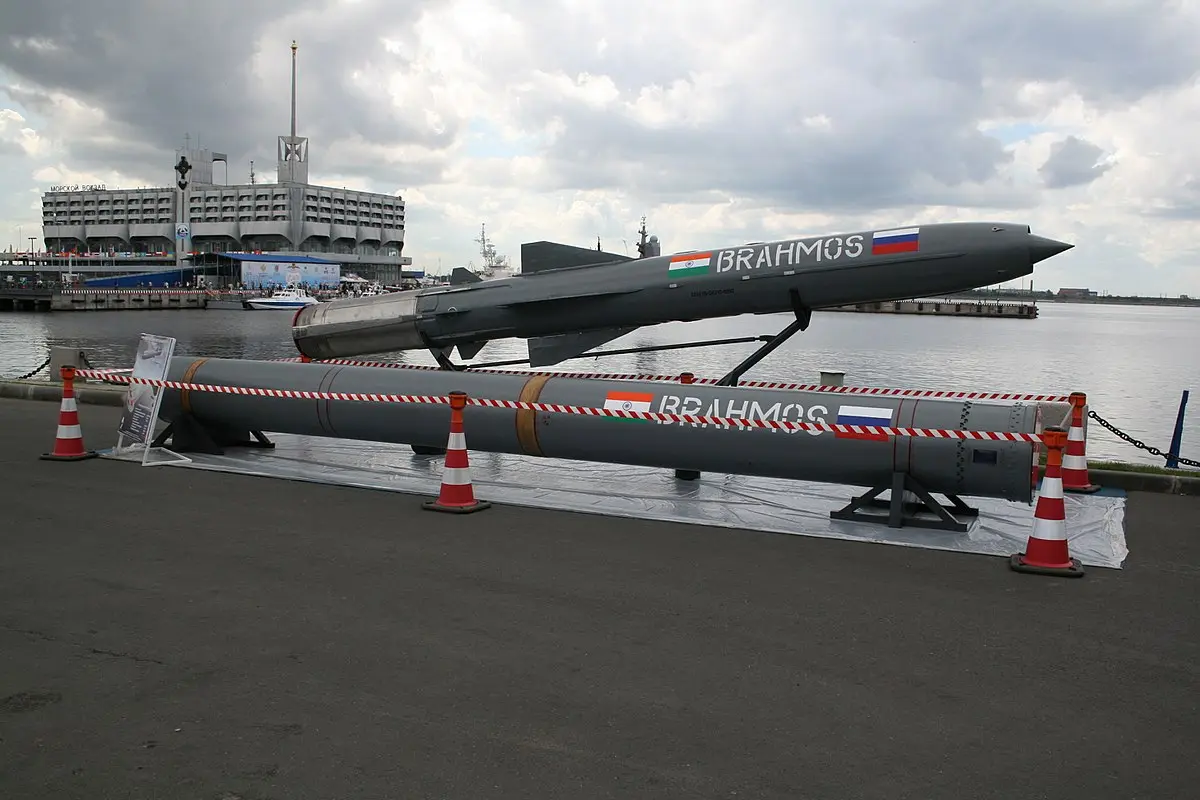
6. Complementary Role With Hypersonic Weapons
Supersonic missiles and hypersonic weapons serve different operational purposes: one for high-volume, flexible missions, the other for strategic penetration. Armed forces continue to field both because they address separate layers of a modern deterrence posture.
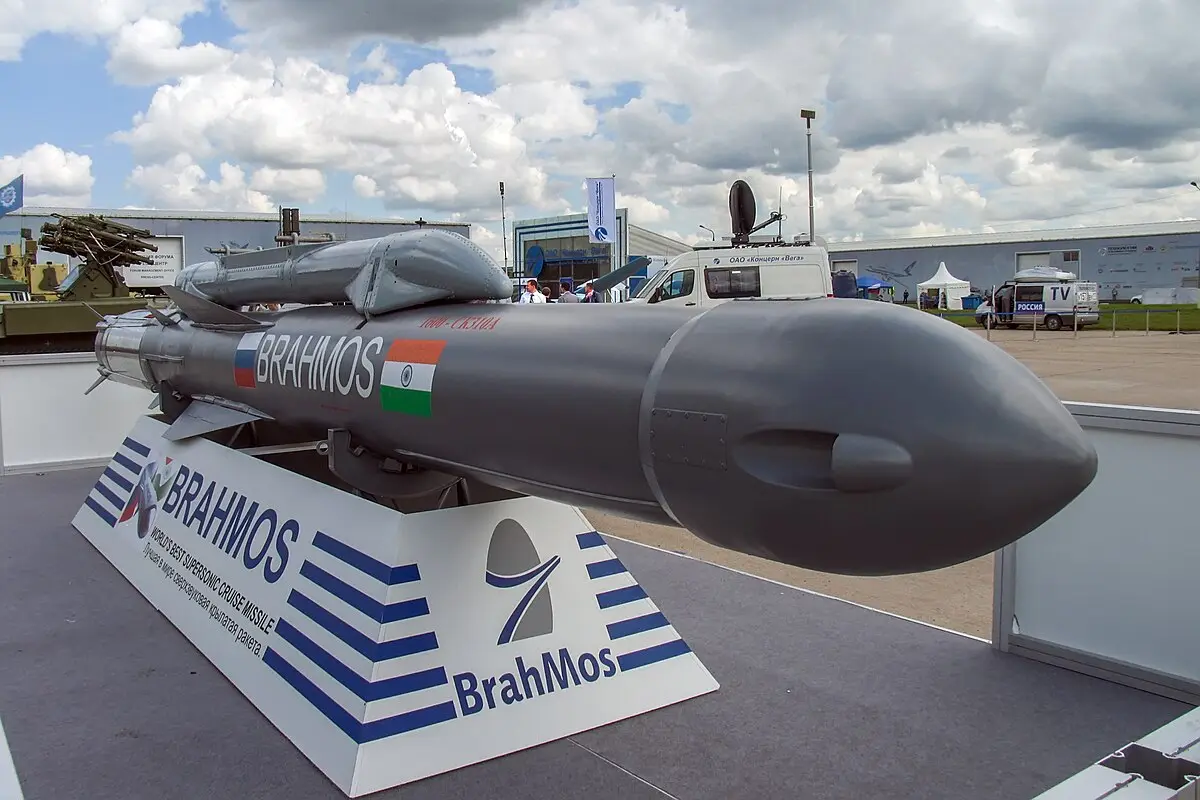
7. Immediate Availability for Real-World Operations
Many countries, including India, already deploy supersonic systems in frontline units. Their readiness level and existing training infrastructure ensure they remain essential tools for real-time operations, even as hypersonic technology advances.
)

)
)
)