Why Su-57 fighter jets are almost impossible to detect on radar

Russia’s Su-57 stays hidden with stealth shaping, radar-absorbing materials, internal weapon bays and electronic warfare. These tricks make it hard to spot or lock, giving it time to act first. Know more about stealth air combat. Read more below.
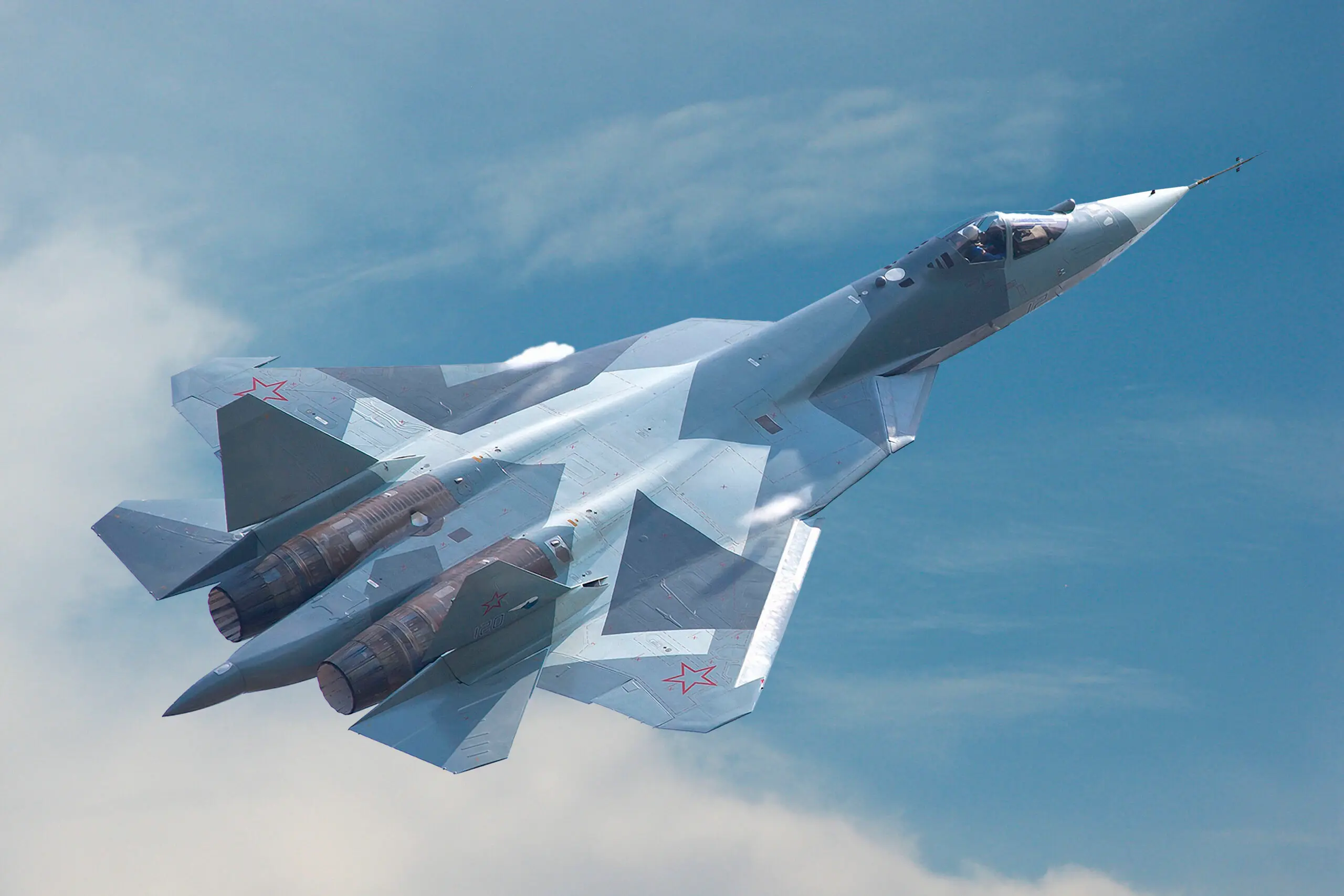
Stealth by design
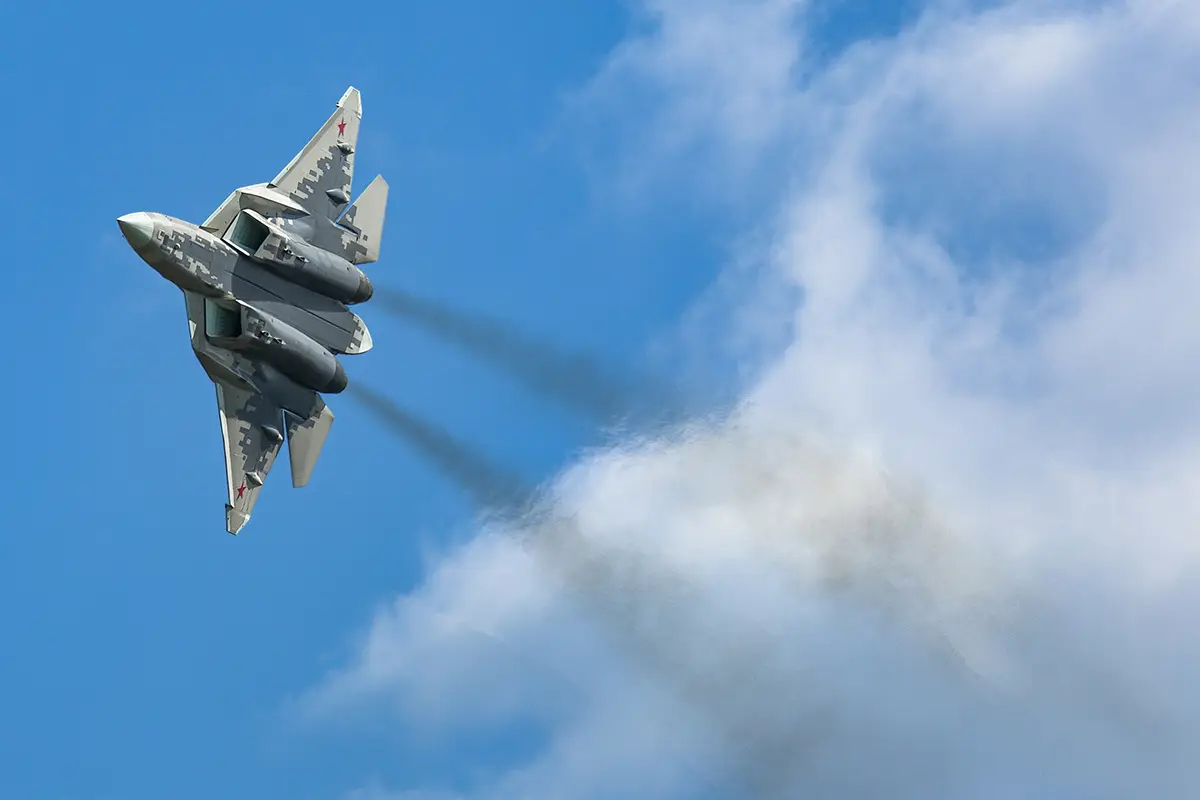
The Su-57’s edges and surfaces are carefully angled to scatter radar waves away from enemy radars. Its smooth body joins, outward-canted tail, and blended wing-fuselage design reduce radar “returns” especially from the front, allowing the fighter to keep lift and move freely at sharp angles of attack.
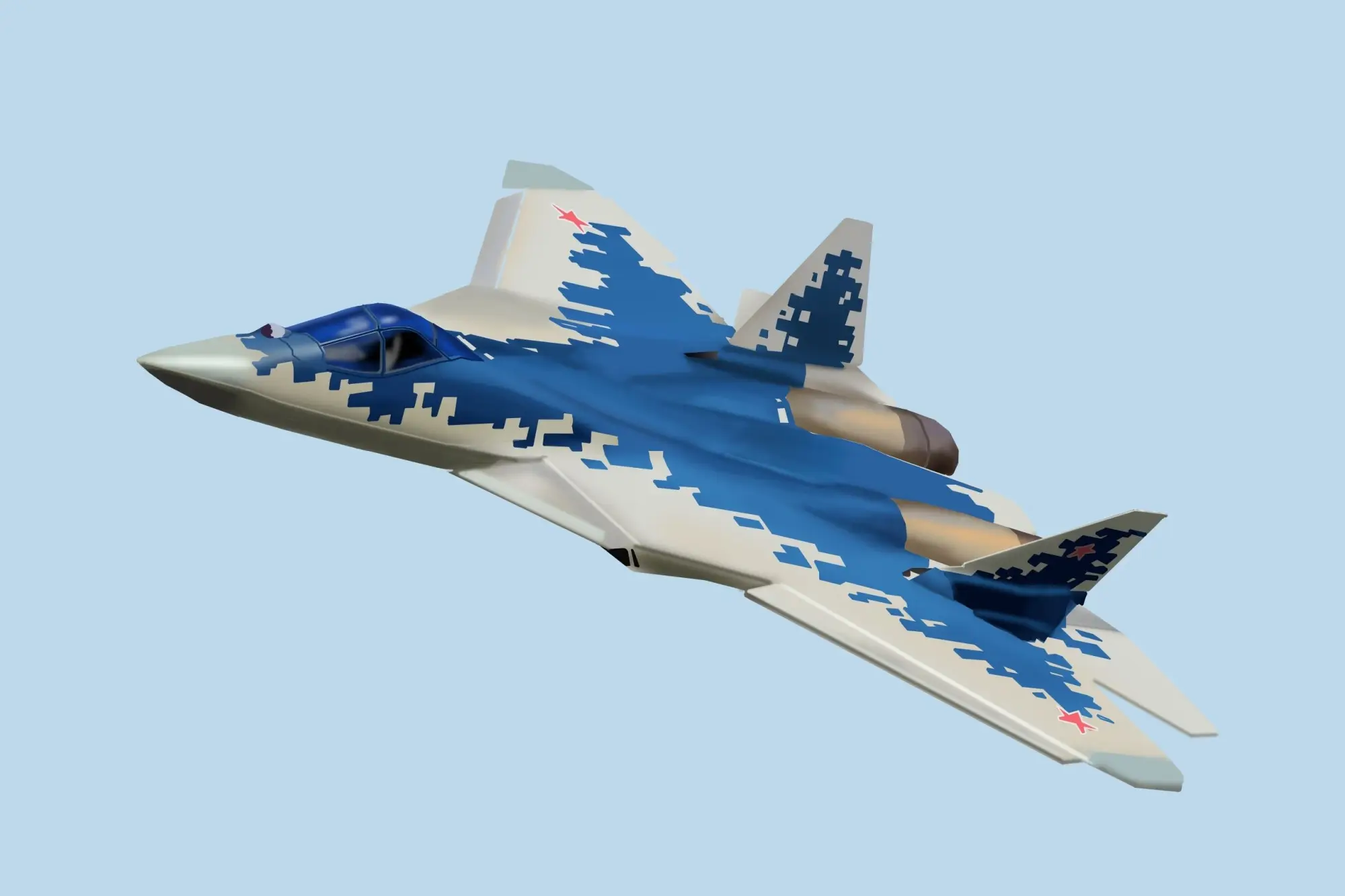
Special coatings and fine details
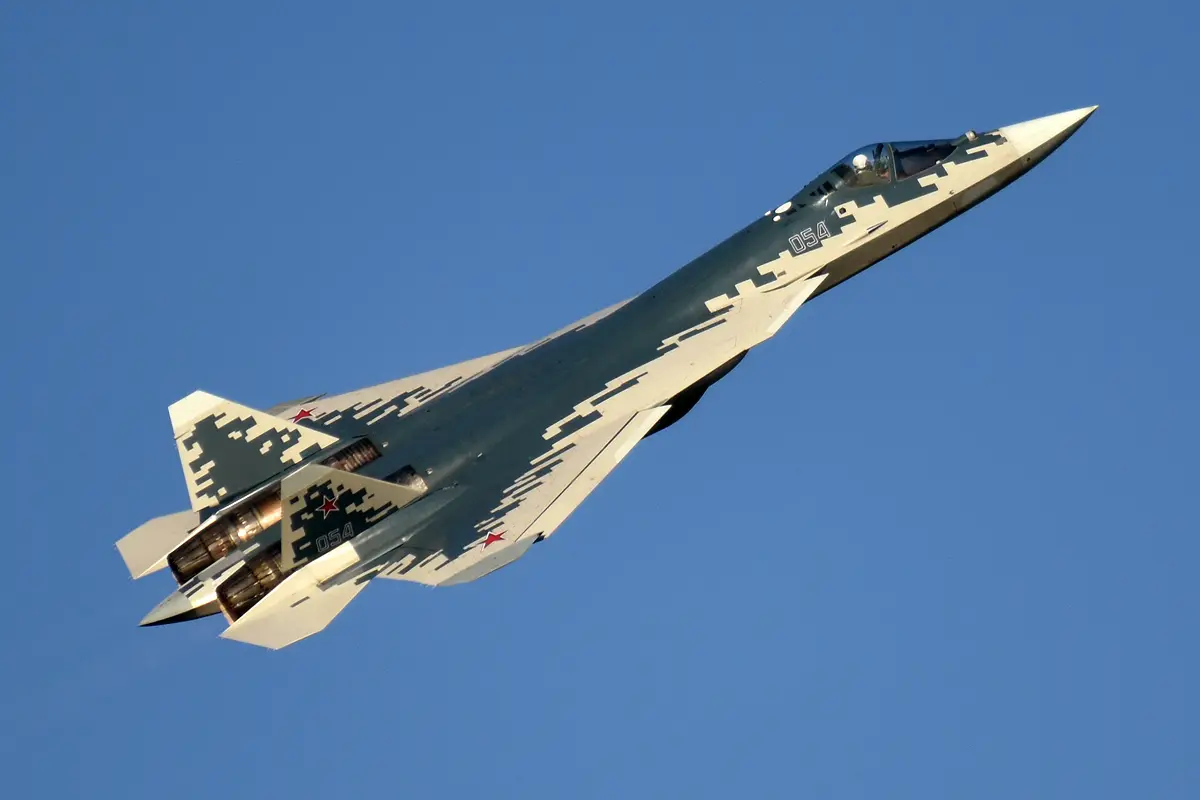
Radar-absorbing materials (RAM) cover much of the Su-57, including thinner but highly effective coatings and treated engine ducts. Sawtooth panel lines and serrated doors break up clear radar “hotspots,” helping the jet stay low-profile through most search bands used by modern tracking systems.
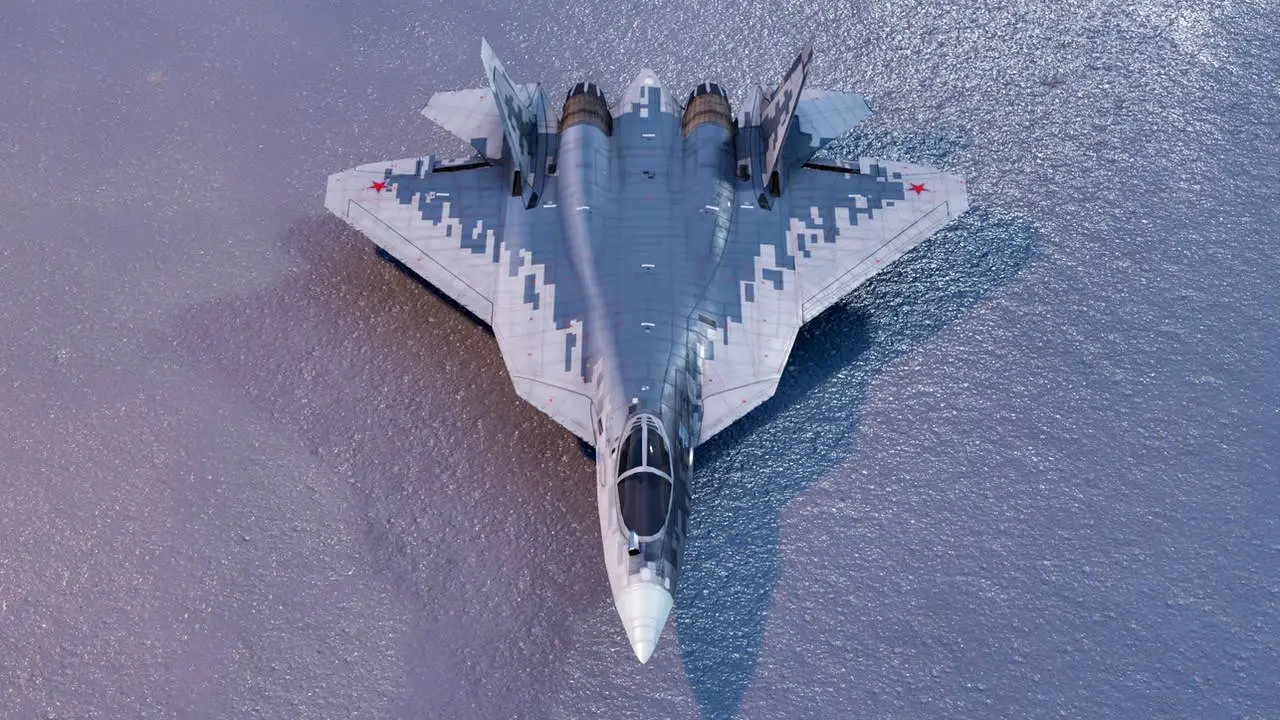
Concealed weapons for cleaner shape
The Su-57 keeps all its weapons and sensors inside internal bays instead of hanging them below the wings. This clean underbody means radar waves can’t bounce back from pylons or bombs, so the signature remains much lower when flying in hostile airspace.
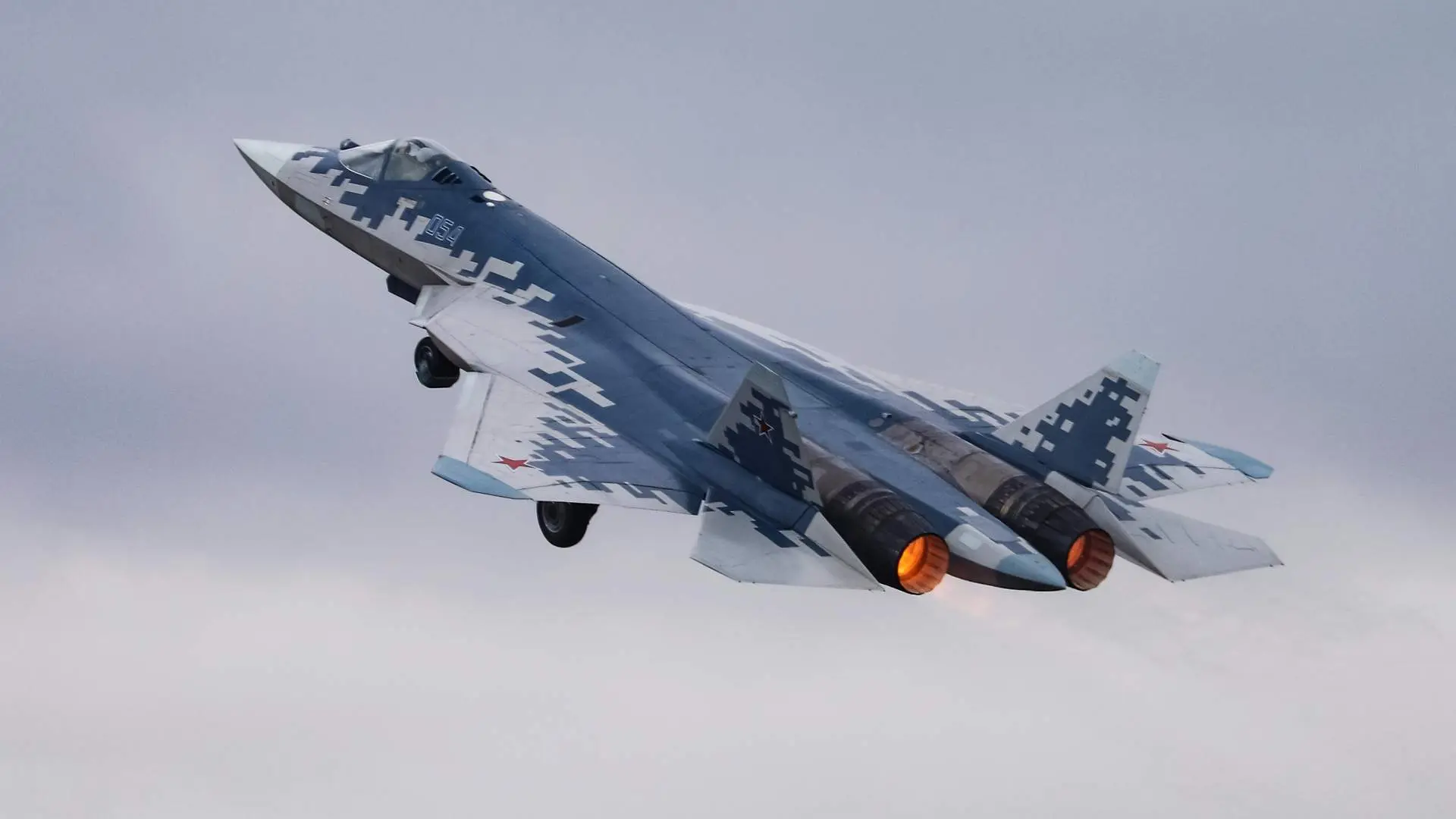
Masking engine signals and heat
Special nozzle shaping and partial curving of engine inlets block radar and infrared “glow” that often gives away fighters at high speeds. The canopy is also coated to hide cockpit instruments and reduces reflection by up to 30 per cent, according to technical reports.
Electronic warfare support
Russia equips the Su-57 with powerful electronic countermeasures like the L402 Himalayas system. This set-up can jam radars, send out deceptive signals, and even launch towed decoys to trip up incoming enemy missiles during strikes.
Sensor discipline and quiet stalking
When conditions are risky, pilots can switch off most emitting sensors and listen passively using infrared search and off-board targeting to “see” without being seen. The Su-57 includes modes that send sharply focused or coded radar “pings,” making the signal much harder to pick up by enemies until the very last moment.
What does it all mean in real combat?
The Su-57 is not fully invisible, but its design delays detection, degrades radar quality, and complicates missile tracking. Studies suggest its frontal radar cross-section is roughly 0.1-1 sq. metre thirty times less than a classic Su-27, giving the pilot critical seconds to attack or escape before a confident firing solution is possible.
)
)
)
)
)