Why SpaceX has launched disease-causing bacteria to the International Space Station?

Research has already shown that space conditions can alter bacterial behaviour. This study could help scientists develop strategies to stop infections before they become untreatable, both for astronauts on long missions and for people here on Earth.
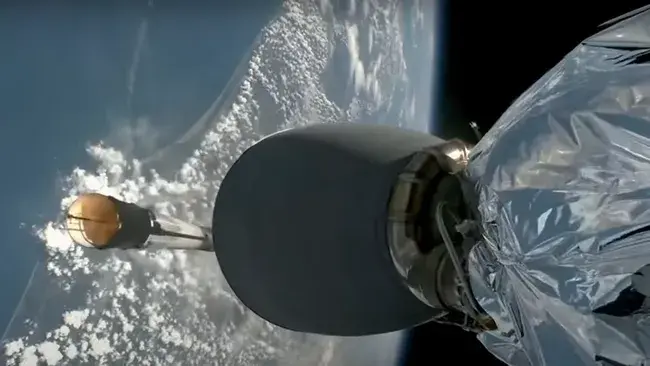
A Hidden Passenger on Crew-11
When SpaceX’s Crew-11 mission blasted off toward the International Space Station (ISS) on August 1, it wasn’t just astronauts making the trip. Alongside them was a far more unsettling passenger: disease-causing bacteria. These microbes aren’t an accident, they’re the focus of a bold new scientific experiment.
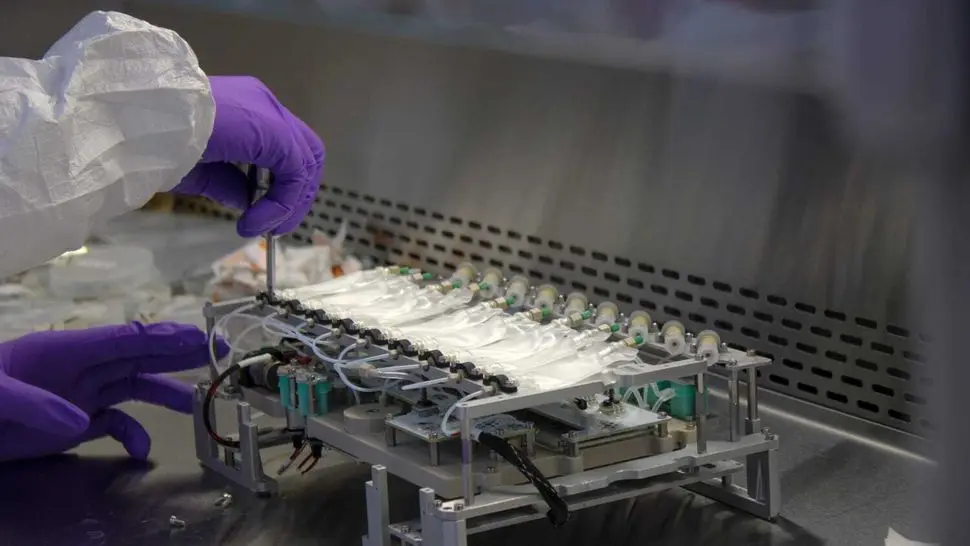
Why Launch Pathogens into Orbit?
Scientists from Israel’s Sheba Medical Center, working with US space tech company SpaceTango, are trying to answer a critical question: how does microgravity change the way bacteria behave? The concern is that pathogens might grow faster, become more infectious, or develop dangerous antibiotic resistance in space.
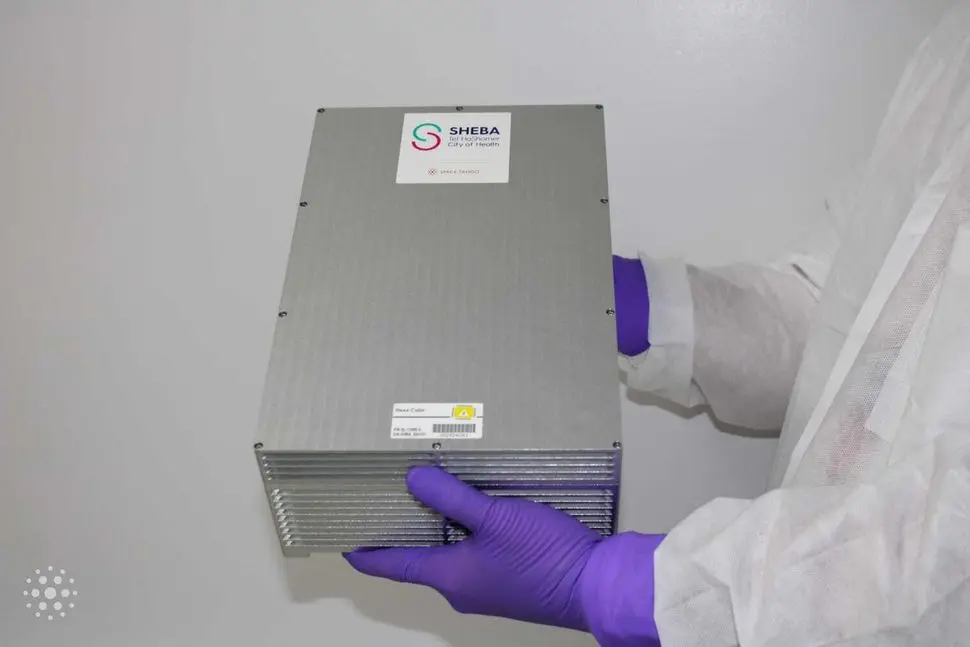
The Three Dangerous Species on Board
The mission carries strains of E. coli, Salmonella bongori, and Salmonella typhimurium. On Earth, these bacteria can cause severe illness. In orbit, scientists want to see if low gravity changes their growth rate, gene expression, or resistance to treatments.
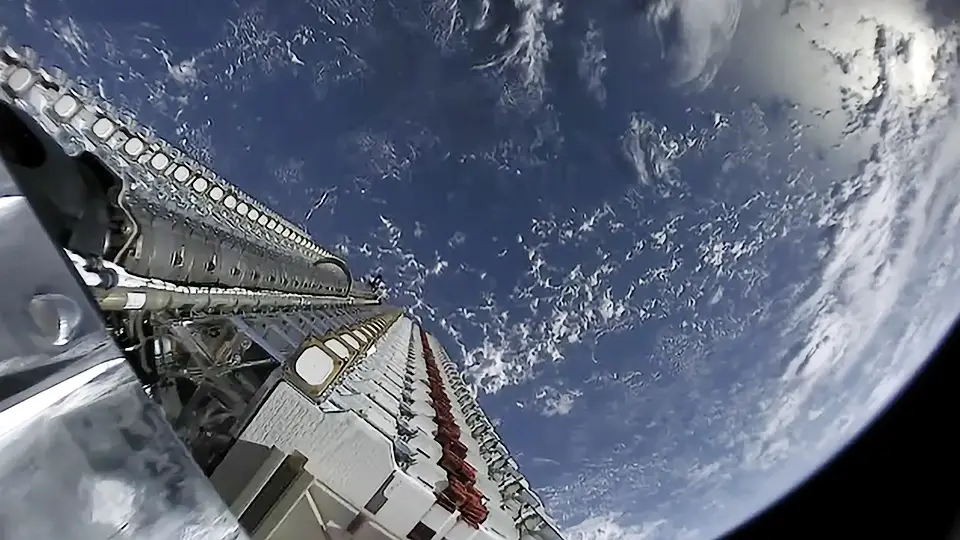
The Experiment in Space
Once aboard the ISS, the bacteria will be grown in microgravity, then frozen at -80°C to preserve their state. After returning to Earth, they’ll be compared to identical samples grown under normal gravity, revealing any genetic or behavioural changes.
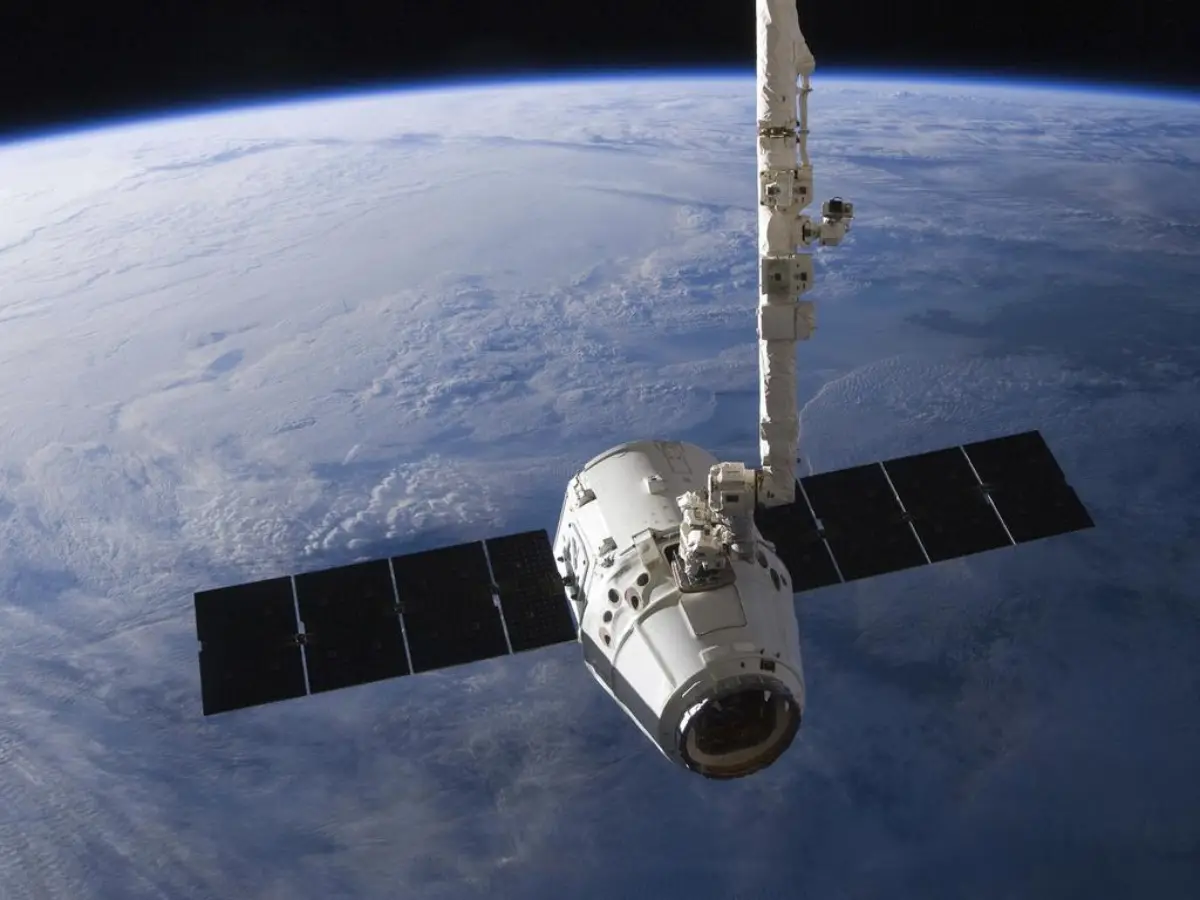
A Threat Beyond Earth
Research has already shown that space conditions can alter bacterial behaviour. This study could help scientists develop strategies to stop infections before they become untreatable, both for astronauts on long missions and for people here on Earth.
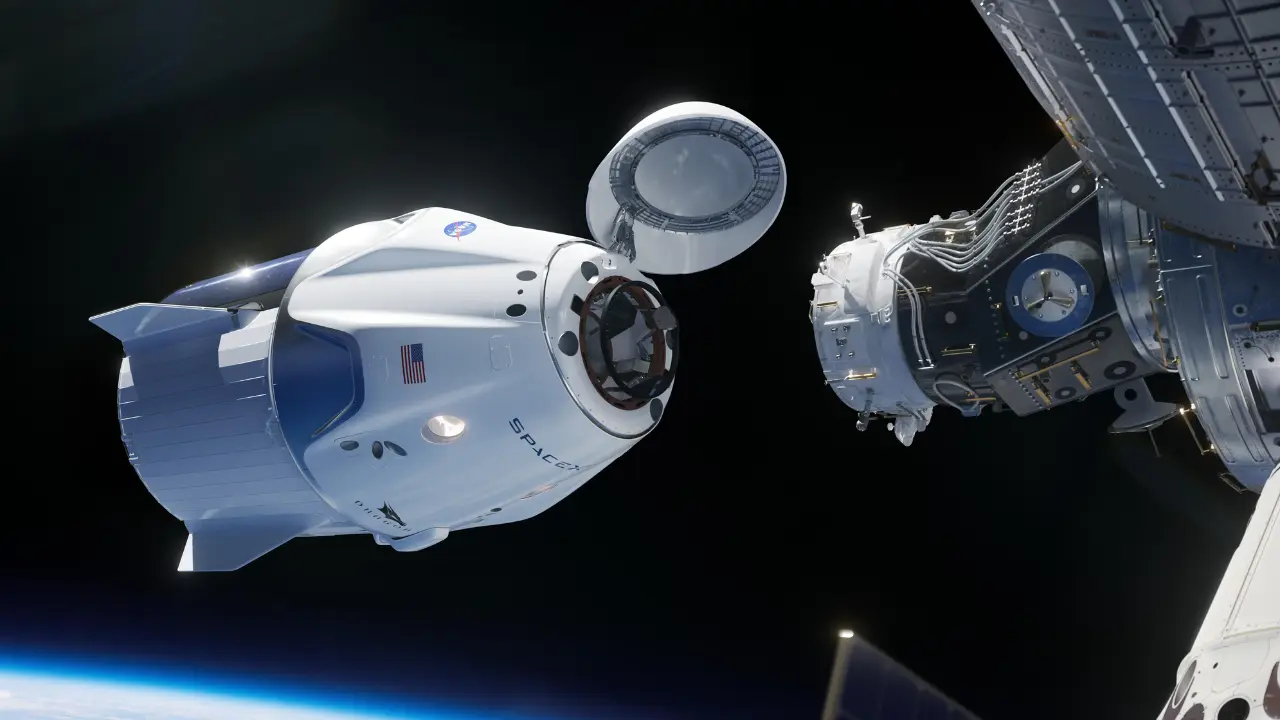
Why This Matters for Astronauts
Astronaut health is already challenged by muscle loss, immune system changes, and skin conditions in microgravity. If bacteria also become more aggressive or resistant in space, the risks to crews on deep-space missions could rise dramatically.
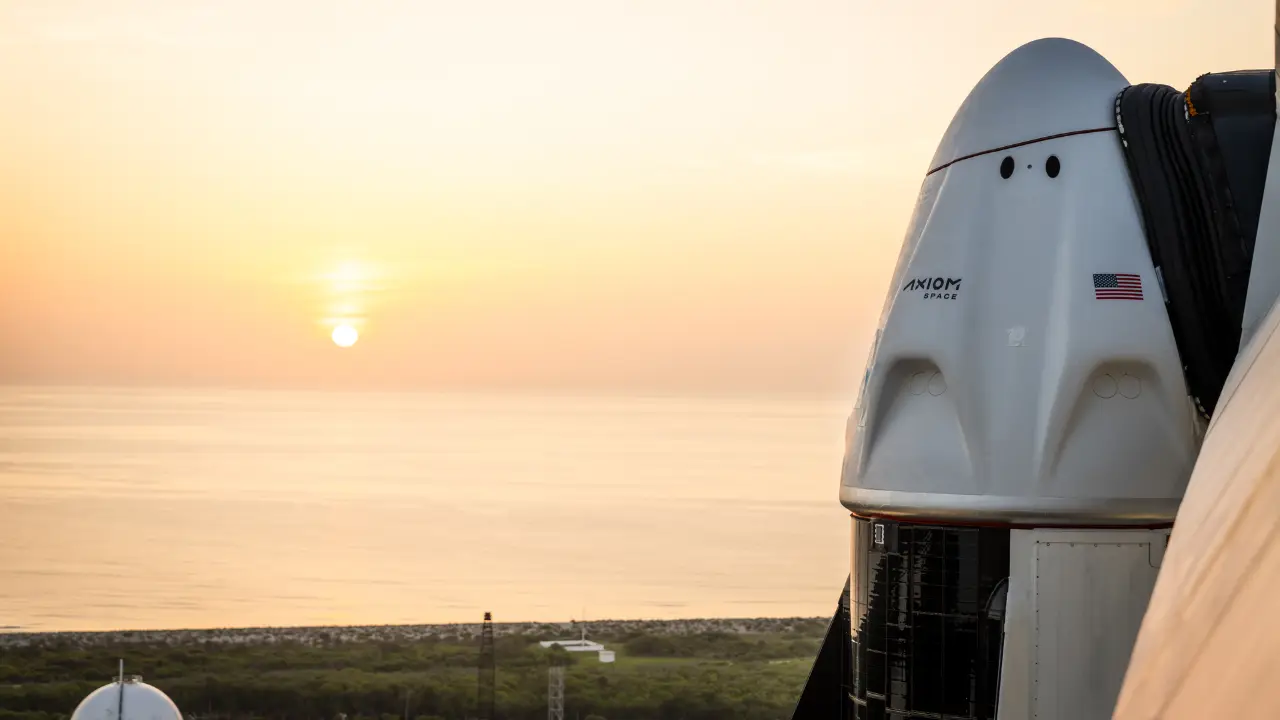
The Bigger Picture
The goal isn’t to make space more dangerous, it’s to understand threats before they strike. By mapping how harmful bacteria adapt in space, scientists hope to protect both future explorers and Earth’s population from superbugs that could otherwise catch us off guard.
)
)
)
)
)