Could one satellite replace an S-400 radar?

A satellite cannot replace the S-400 radar due to data latency, low solar power, atmospheric clutter, and predictable orbits. While AMTI satellites offer early warning, batteries need high-powered, low-latency ground radars to guide interceptors.Untitled Summary
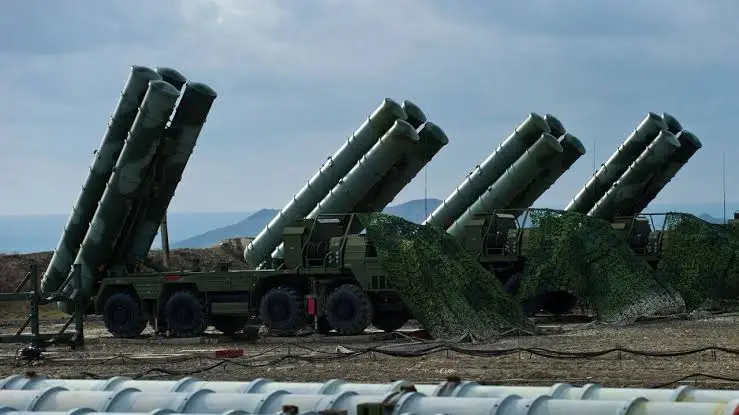
The Orbital Vision
Military strategists envision a future where space-based Airborne Moving Target Indicator (AMTI) satellites track fighter jets from orbit. However, replacing a massive ground-based air defence radar like the S-400's with a single satellite remains scientifically impossible.

The Latency Bottleneck
The S-400 executes a lethal kill chain in 9 to 10 seconds because its radar connects directly to the interceptors. A satellite must beam tracking data down to Earth, process it, and relay it to the battery—introducing deadly latency that allows supersonic targets to escape.
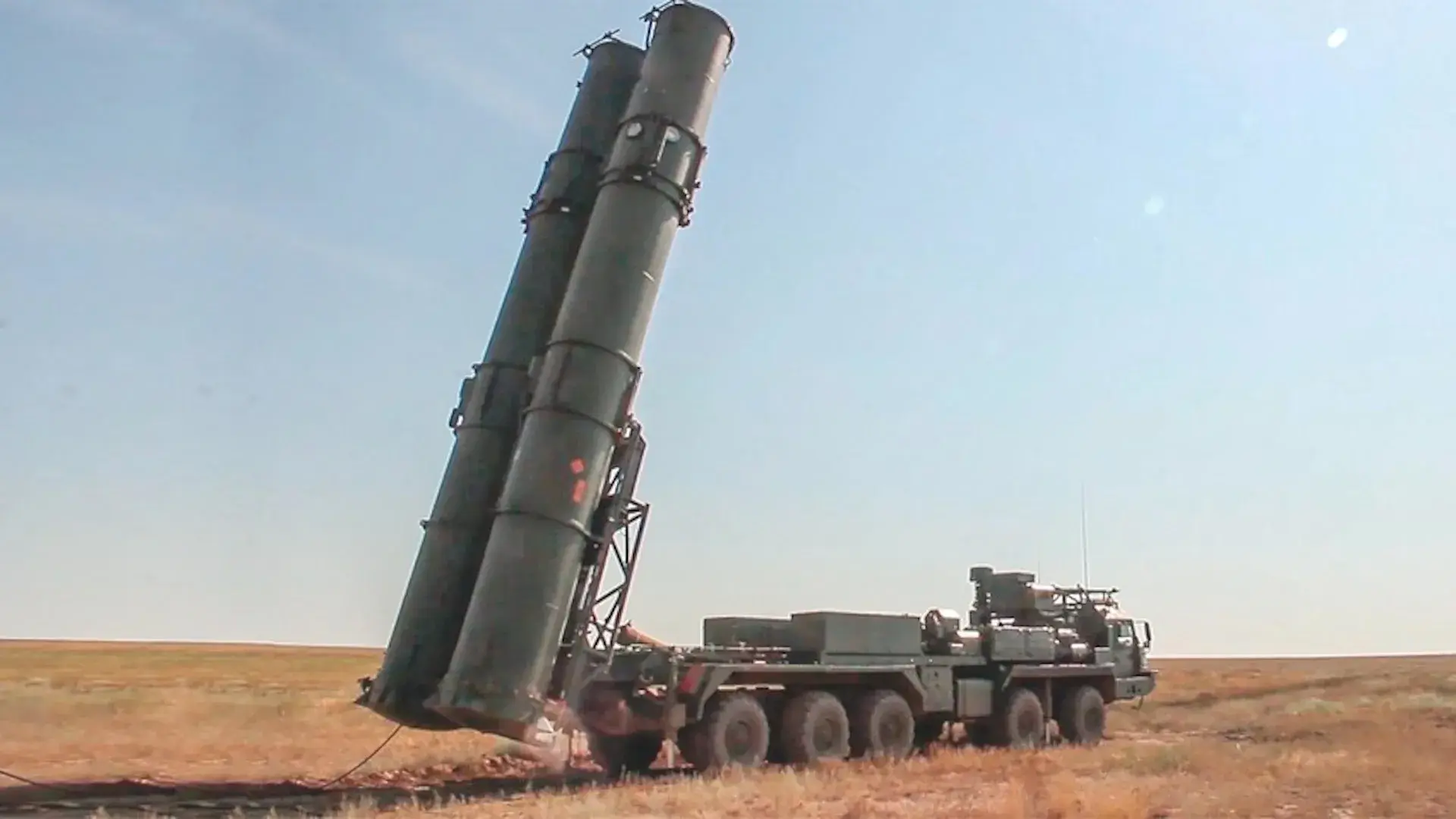
The Power Deficit
Ground-based radars like the S-400 use massive diesel generators to blast the sky with highly concentrated electromagnetic energy. In contrast, satellites rely on solar panels, which severely restricts their raw broadcast power and limits their ability to instantly burn through heavy electronic jamming.
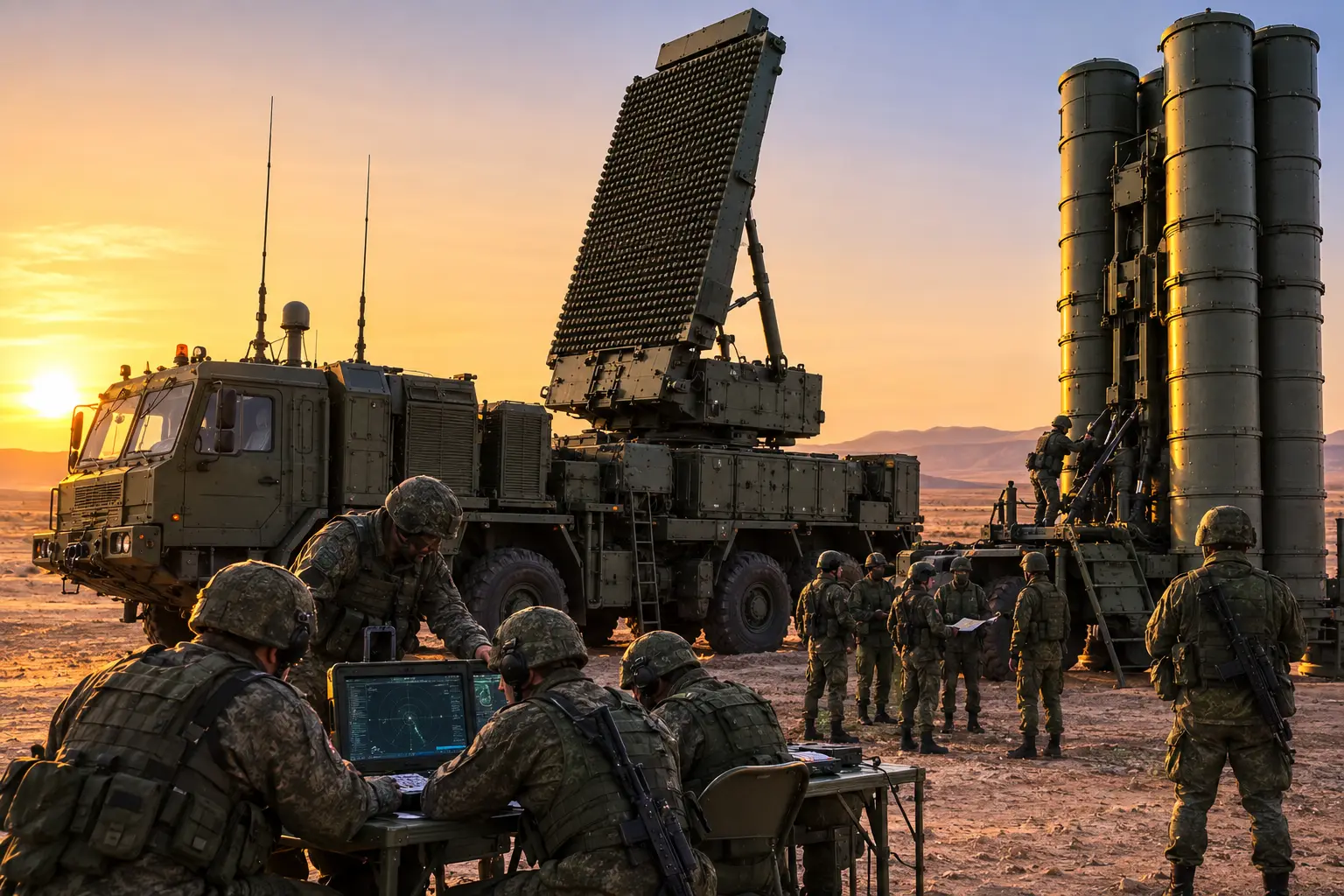
The Clutter Challenge
Because a satellite looks down at the Earth, its radar must filter through massive amounts of atmospheric clutter, clouds, and terrain reflections. Ground-based S-400 radars look up into the clean, empty sky, making it significantly easier to isolate and track stealth aircraft.
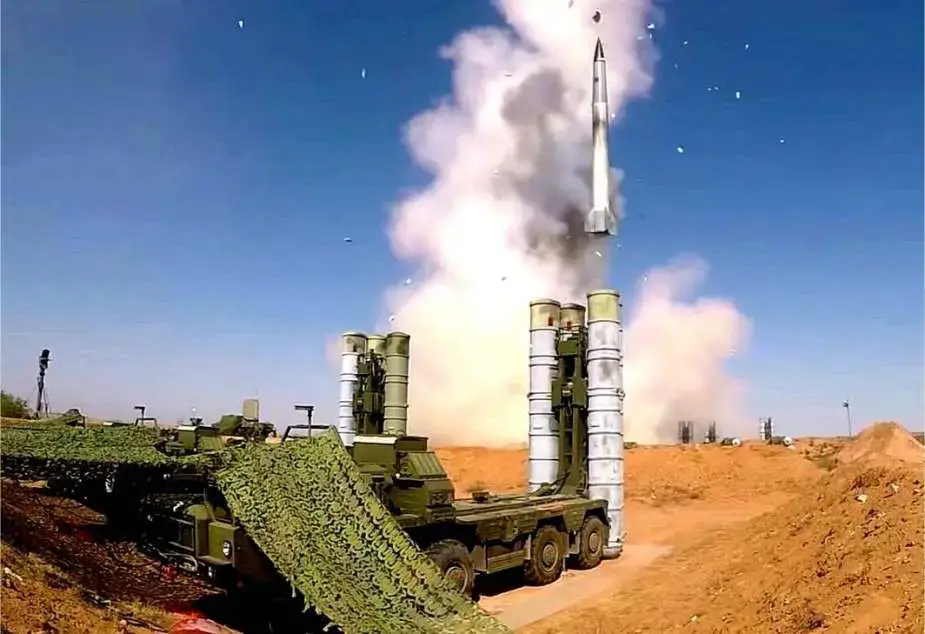
The Re-Visit Window
A single Low Earth Orbit satellite travels at roughly 27,000 kilometres per hour, meaning it only observes a specific battlefield for a few minutes. To replicate the continuous 360-degree radar coverage of one S-400, a military would need a massive constellation of dozens of satellites.
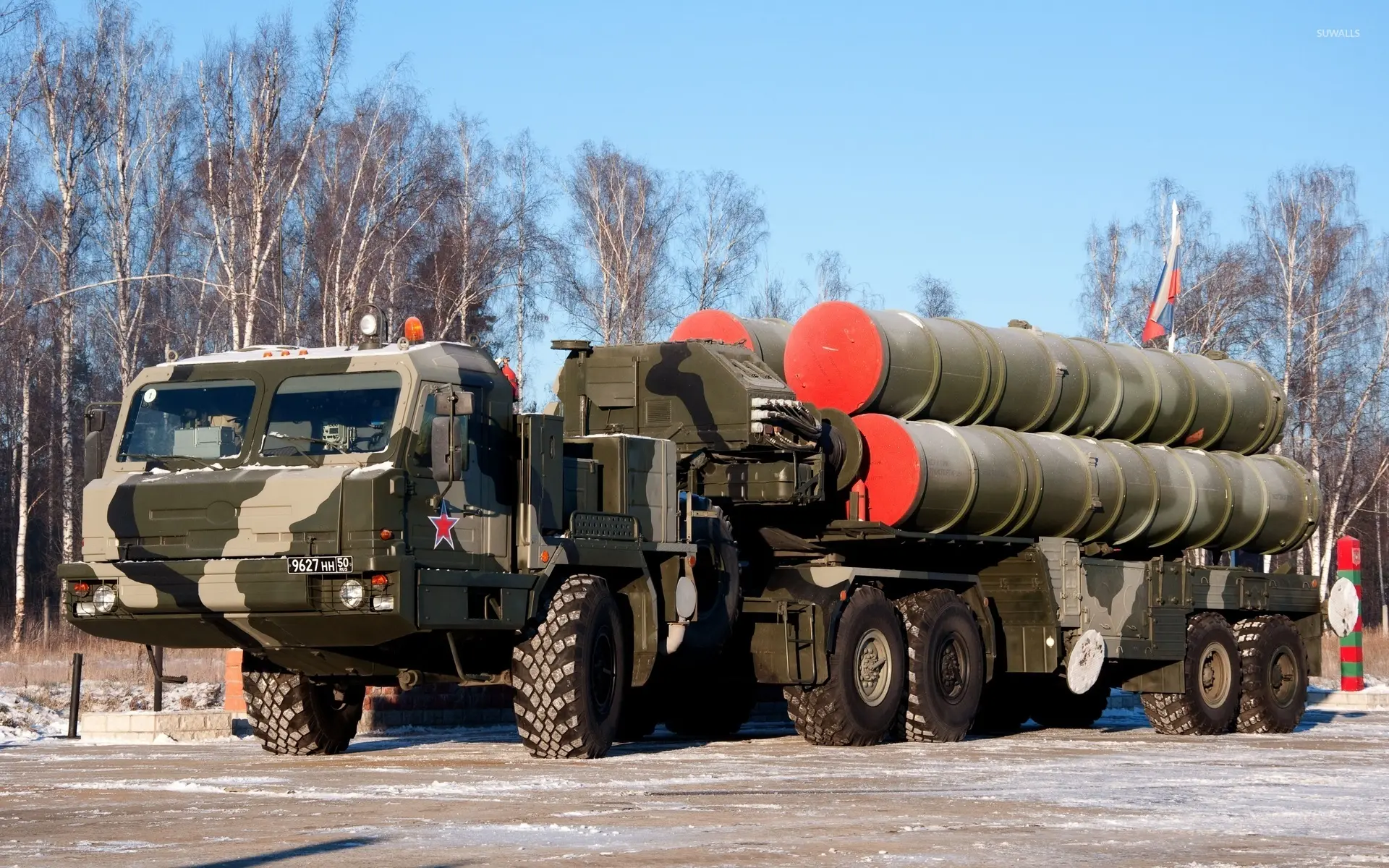
Predictable Vulnerability
S-400 batteries survive by hiding in dense forests and using rapid shoot-and-scoot tactics to evade airstrikes. Satellites, however, follow completely predictable orbital physics, making them highly vulnerable to being permanently blinded by lasers or destroyed by anti-satellite missiles during a major war.
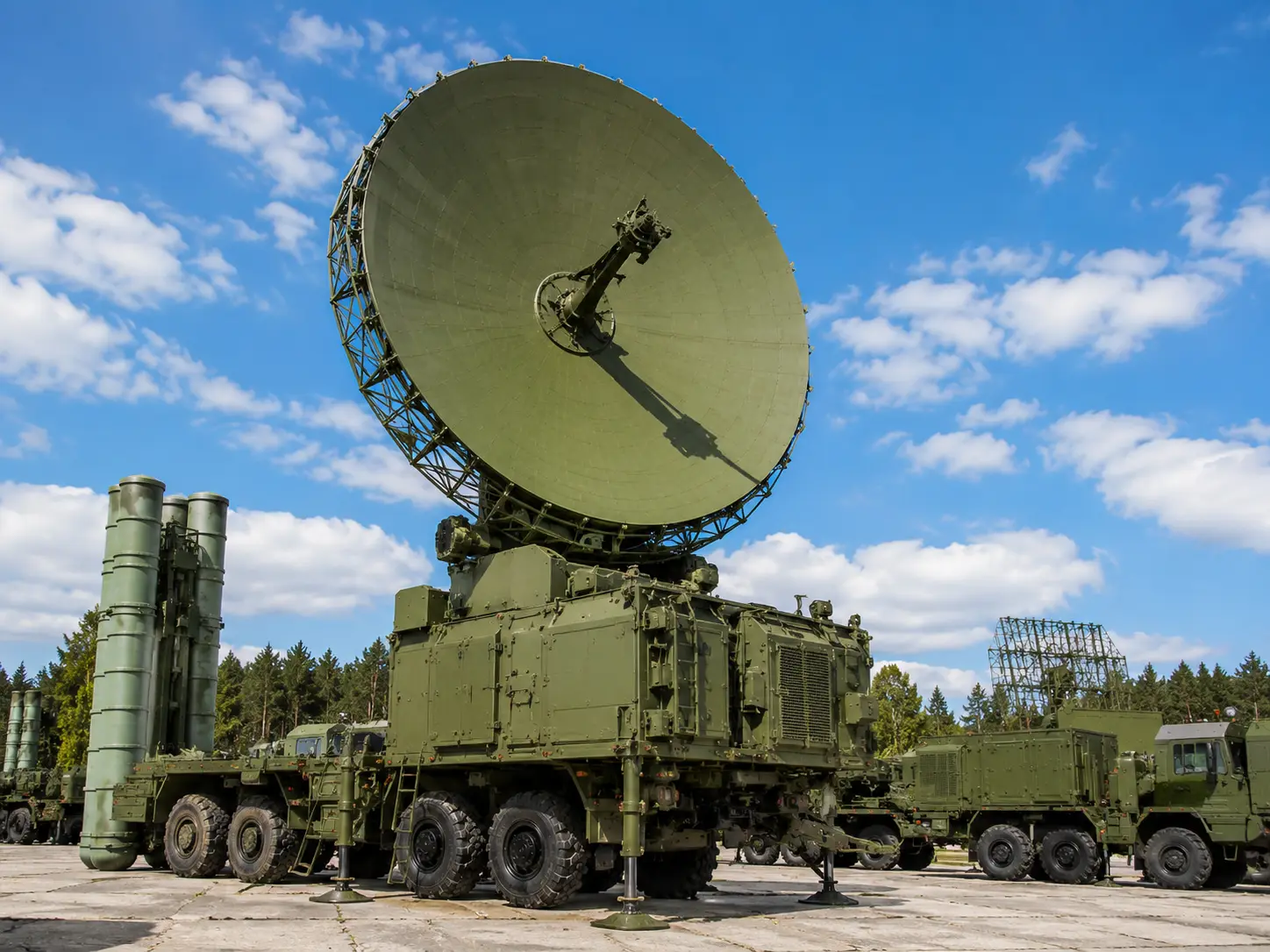
The Ultimate Verdict
One satellite can never replace a tactical S-400 radar. While future AMTI constellations will provide excellent early warning, surface-to-air batteries will always require their own high-powered, low-latency ground radars to physically guide Mach 14 interceptors to their targets.
)
)
)
)
)