Why space suits can’t be mass-produced?

Space suits cannot be mass-produced because each one needs custom sizing, hand engineering and thorough testing. Every suit is unique, tailored to the astronaut and mission.
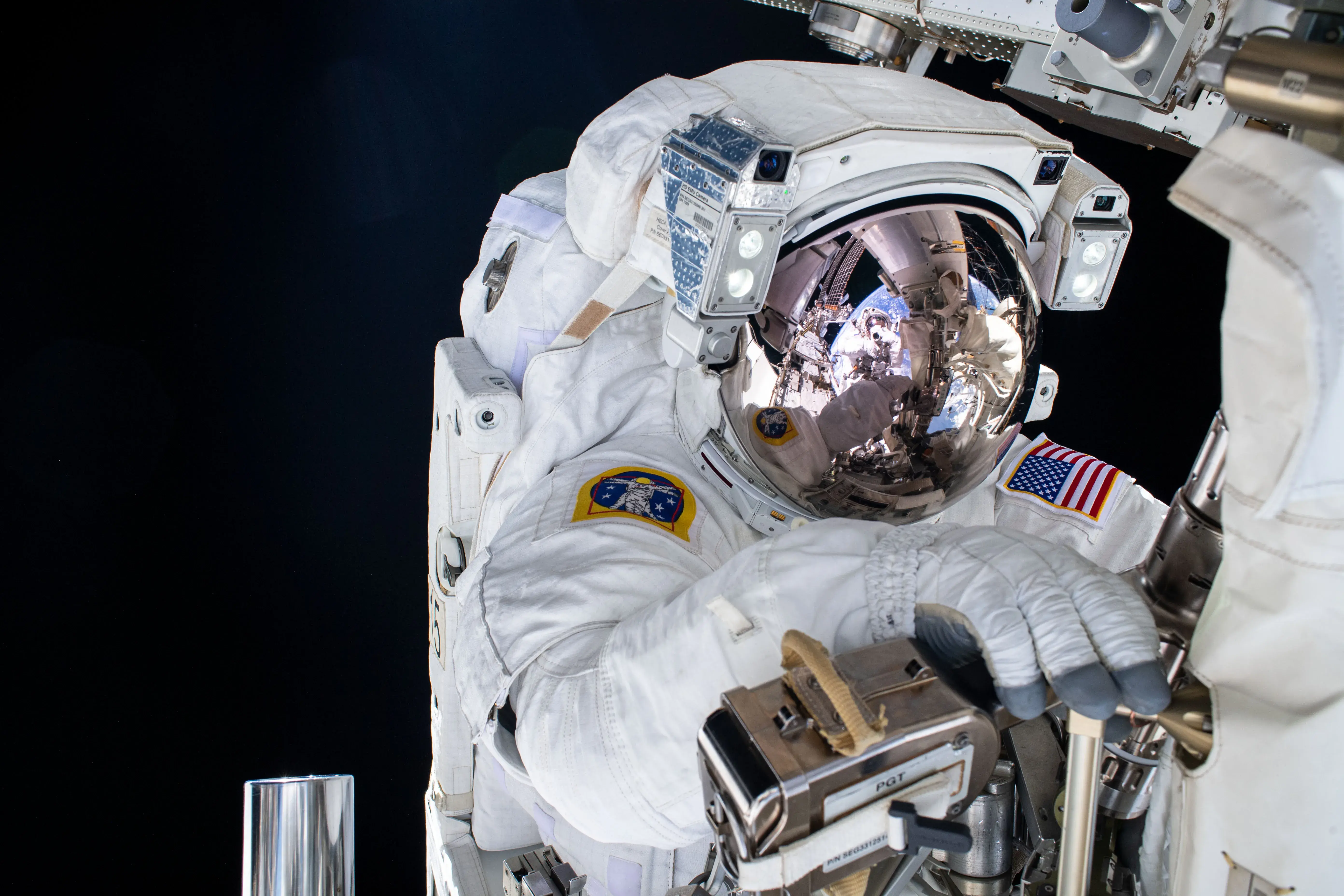
Space suit
A space suit is much more than clothing. Each suit is a complex life-support system, custom-built for each astronaut and every mission. Unlike everyday uniform, every space suit is handmade and stitched with care to keep astronauts safe in space.
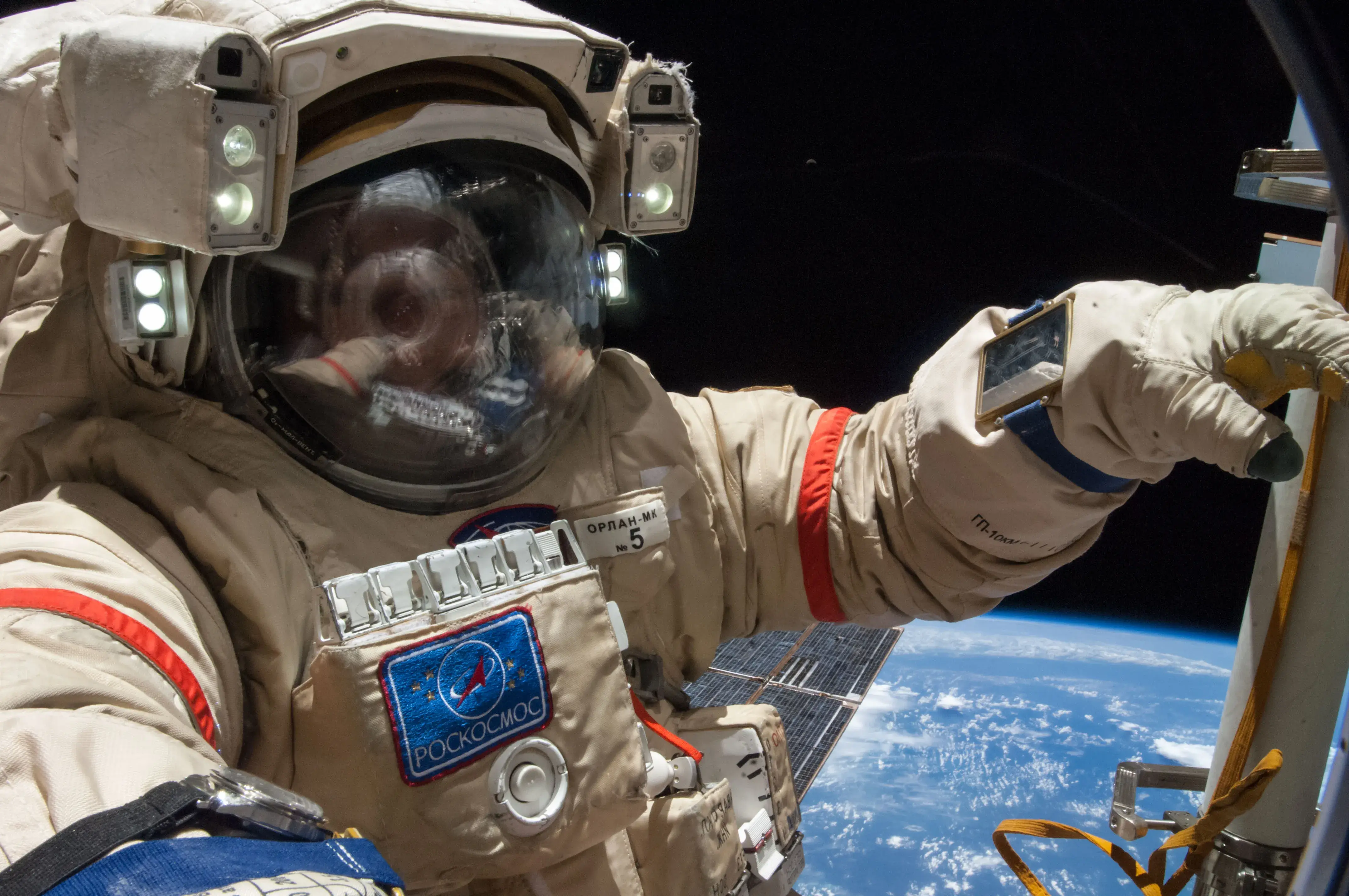
Modern space suits
Modern space suits have up to sixteen layers, including fragile insulation, robust protection and advanced electronics. These layers come in unique shapes and thicknesses, often cut and sewn by hand, because machine sewing cannot handle so many delicate materials at once.
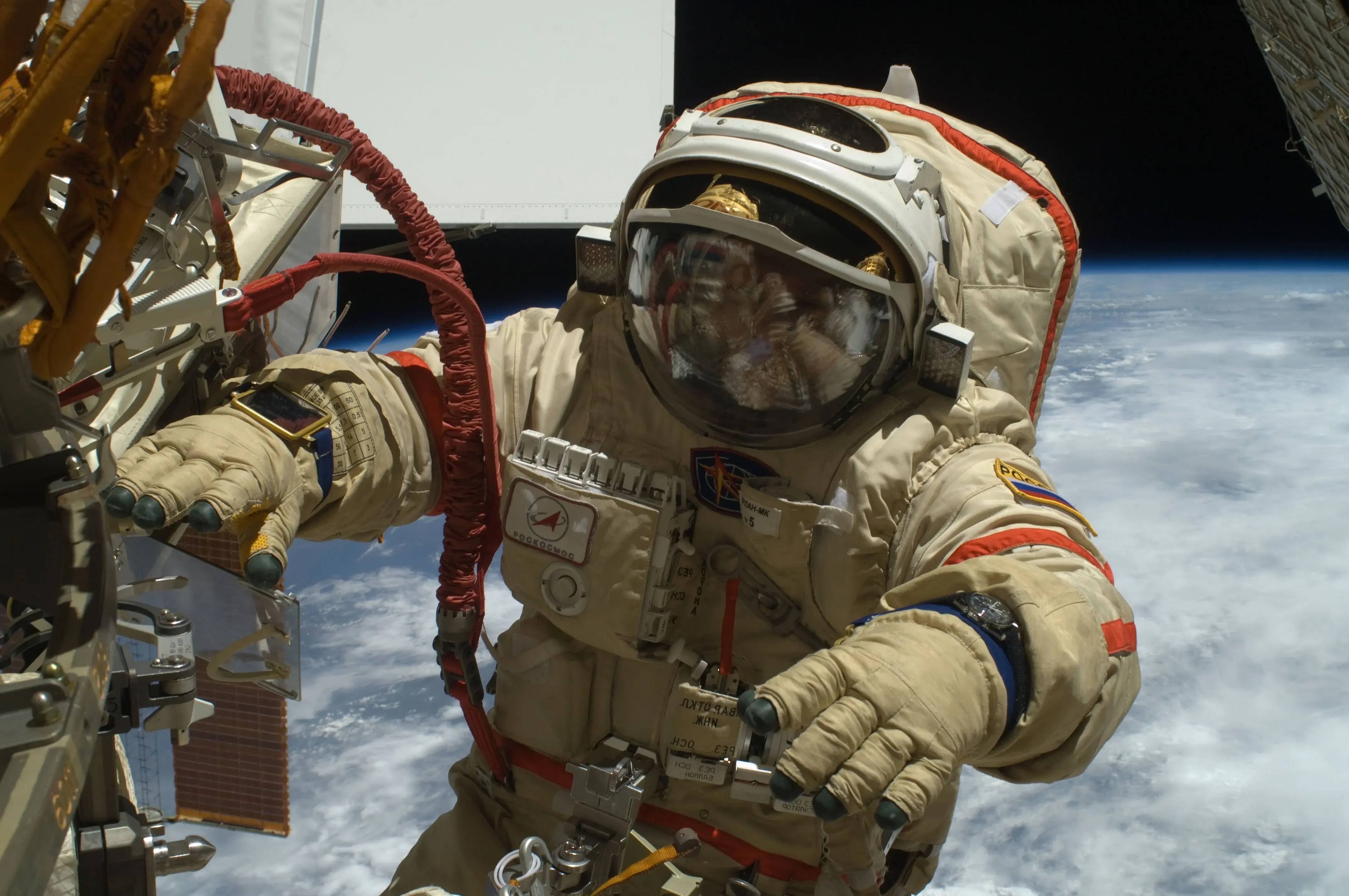
A suit must fit an astronaut exactly
A suit must fit an astronaut exactly. Astronauts come in many shapes and sizes. Custom tailoring guarantees movement, comfort and safety even after the body changes due to microgravity. NASA's own reports show that a poor fit can cause pain and even risk the success of a mission.
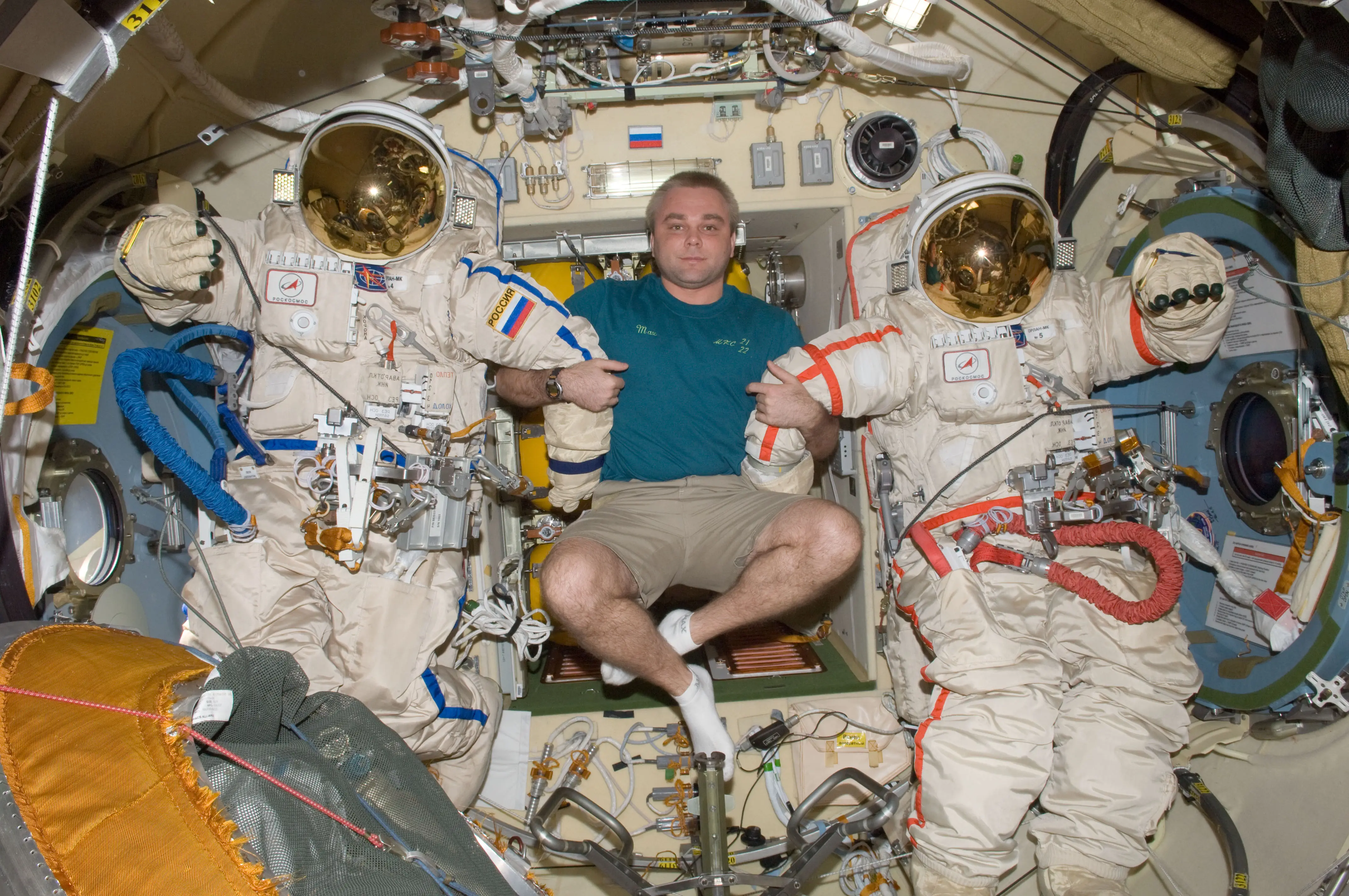
Different suit design
Every mission and destination demands a different suit design. Suits for the Moon, Mars or deep space each need special materials, features and sizing. That means engineers create suits one at a time, testing each one thoroughly before a launch.
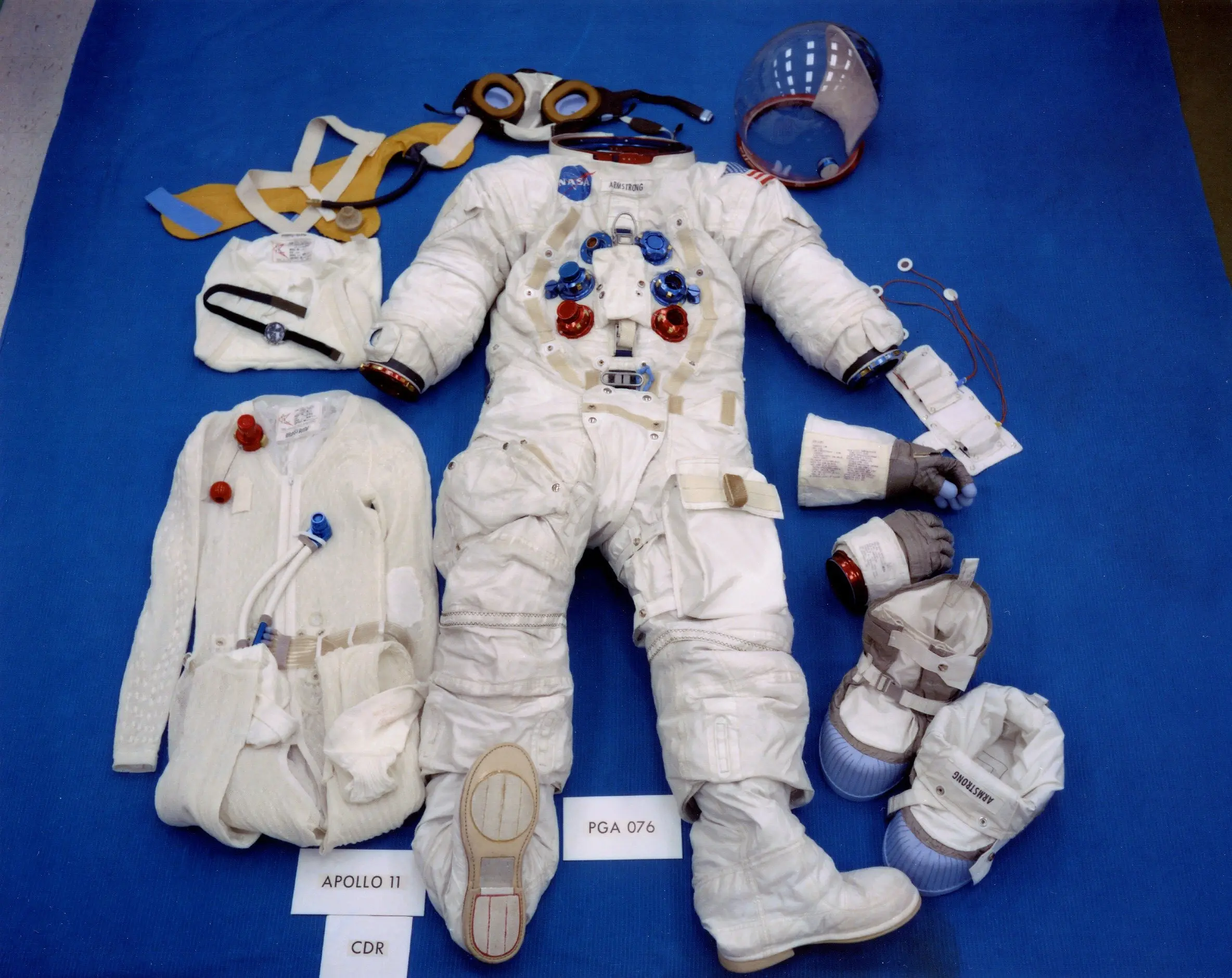
single suit takes months of skilled technical work
Designing and making a single suit takes months of skilled technical work. Designers use precise digital scans, specialised materials and detailed manual construction to get everything correct from the gloves to the helmet to the pressure layers.
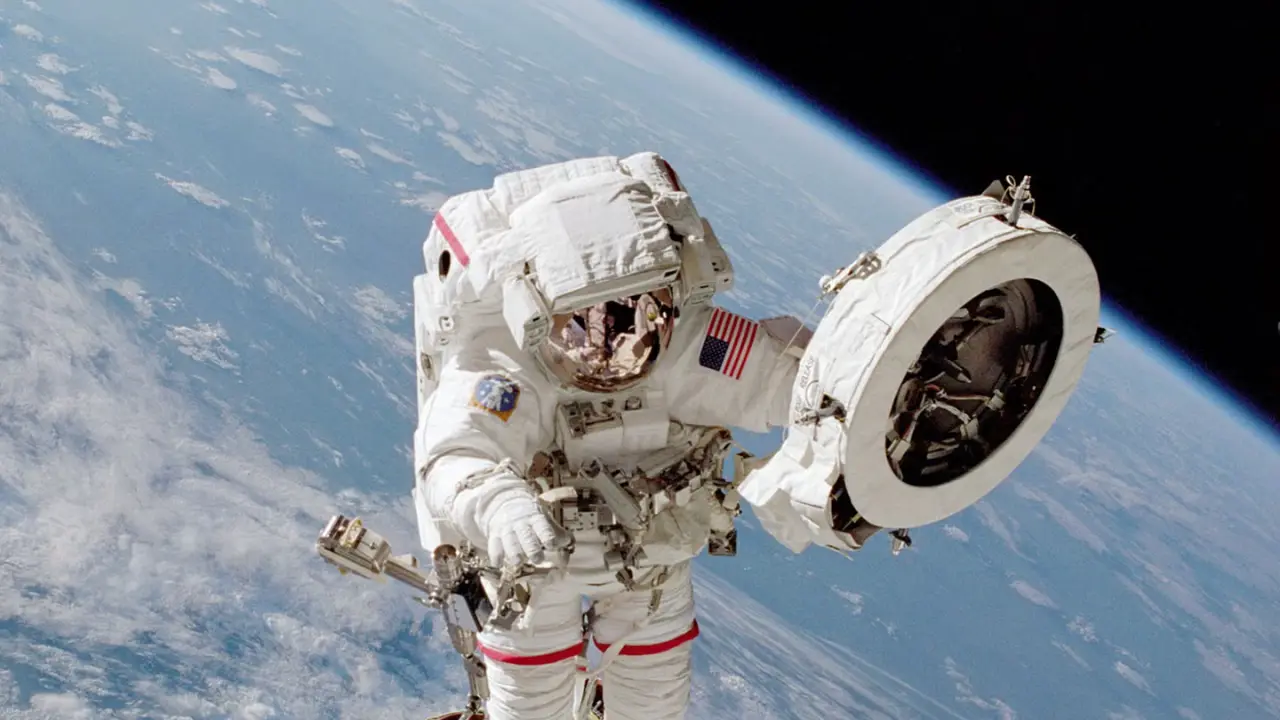
Advanced technology
Even with advanced technology, the risk of error means strict, hand-built processes remain best. A tiny mistake in a seam or layer could mean a dangerous leak. This is why every suit receives detailed checks and tests by multiple experts and why mass production is not safe or reliable for space operations.
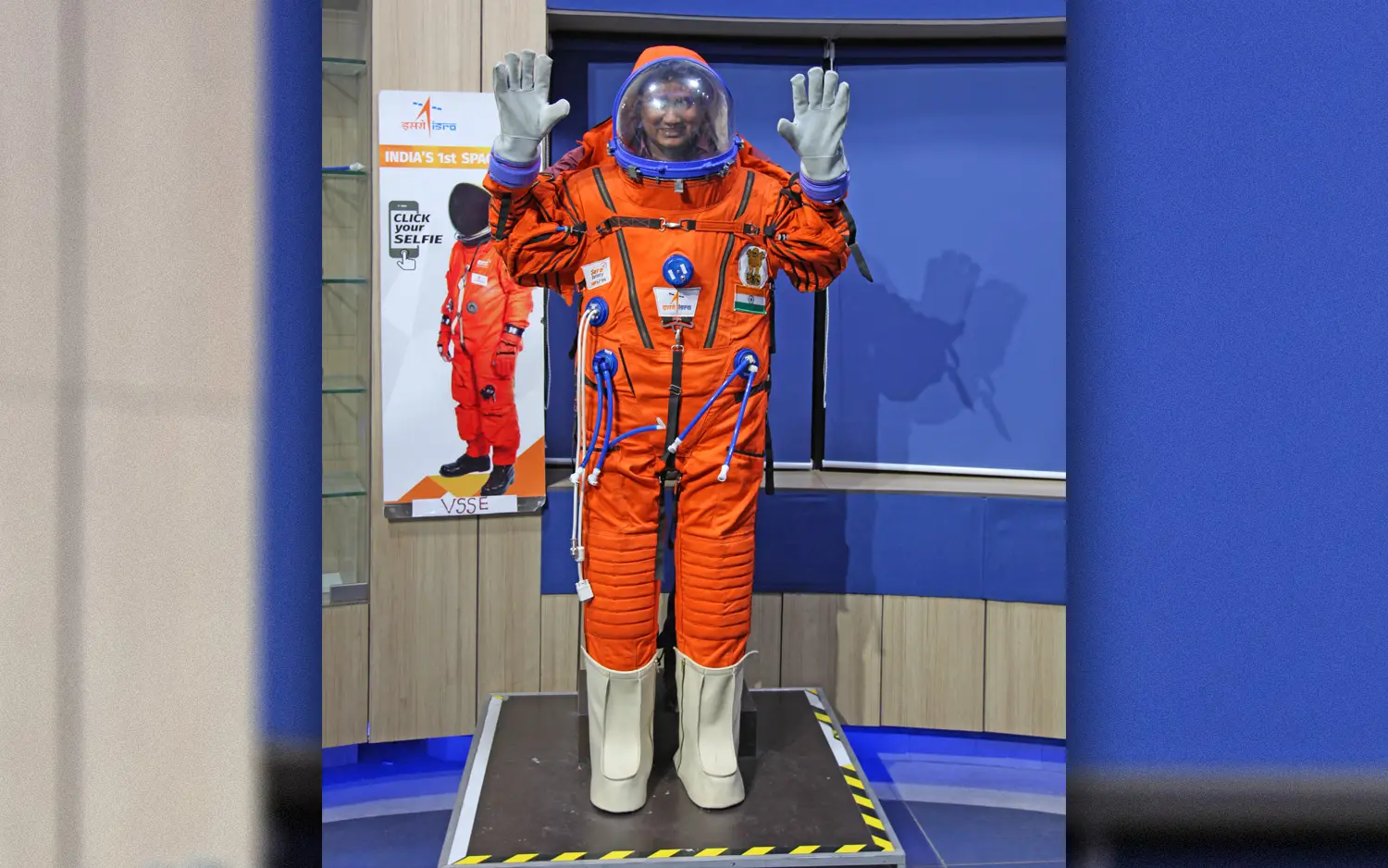
Space suits represent a blend of human skill, technology
Space suits represent a blend of human skill, technology and custom engineering. They are one-of-a-kind creations for unique people and tasks. Making them on an assembly line would sacrifice safety and reliability. To know more about the secrets inside these suits, read more below.
)
)
)
)
)