Why space scientists fear solar flares the most

Solar storms are hitting harder than expected, disrupting satellites, GPS and even space missions. From radiation spikes to collapsing orbits, new solar activity is exposing weaknesses we rarely notice until everything suddenly stops working.
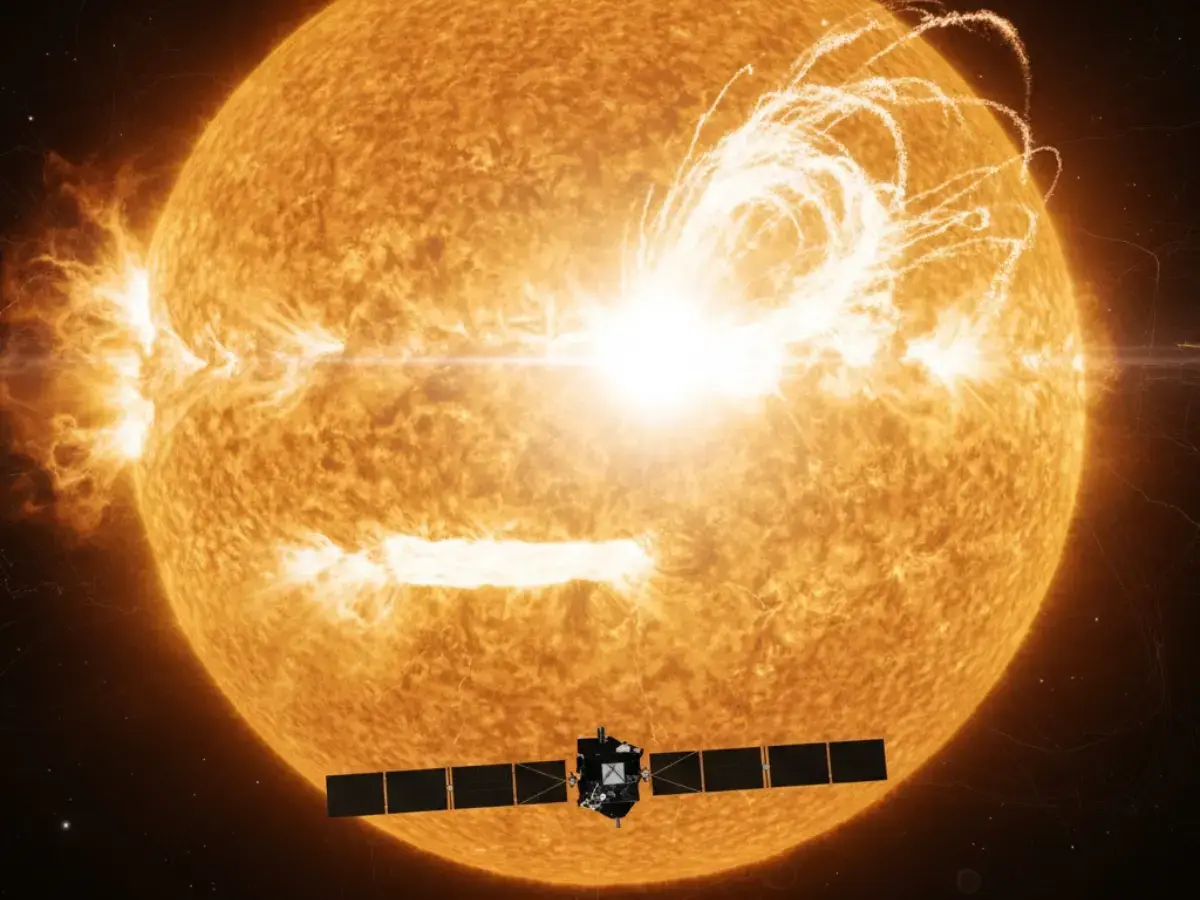
The X5.1 Flare That Delayed Blue Origin
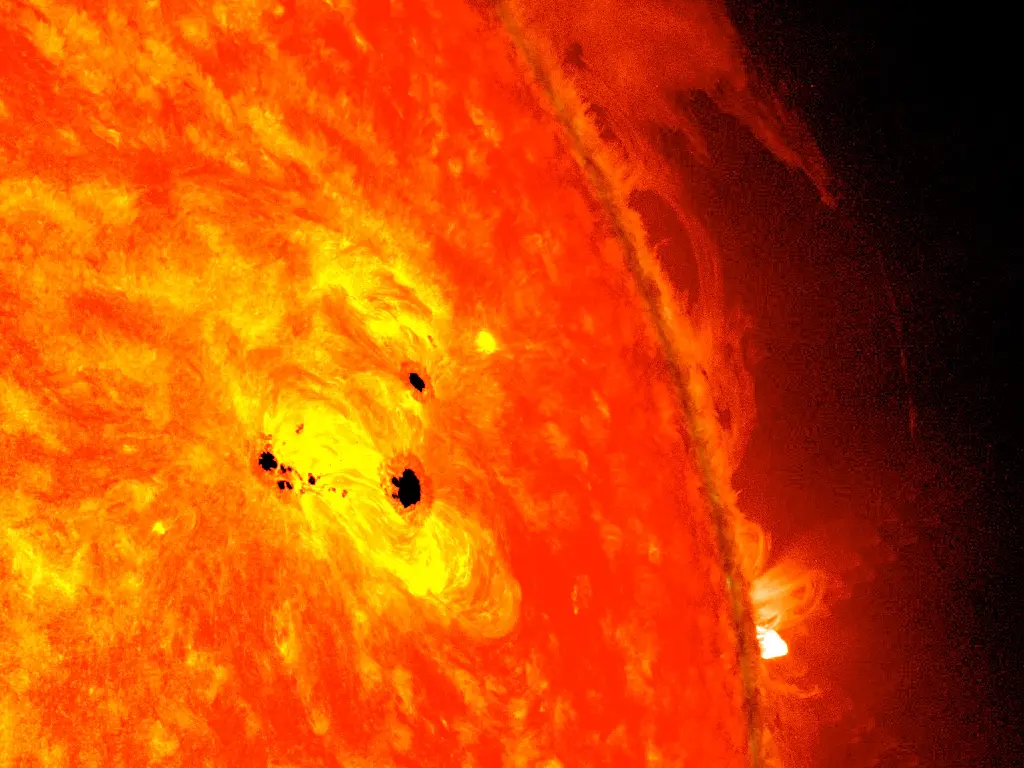
On November 11, 2025, sunspot AR4274 unleashed the strongest X5.1-class solar flare of the year. The blast triggered R3-level radio blackouts across Africa and Europe, forcing mission delays.
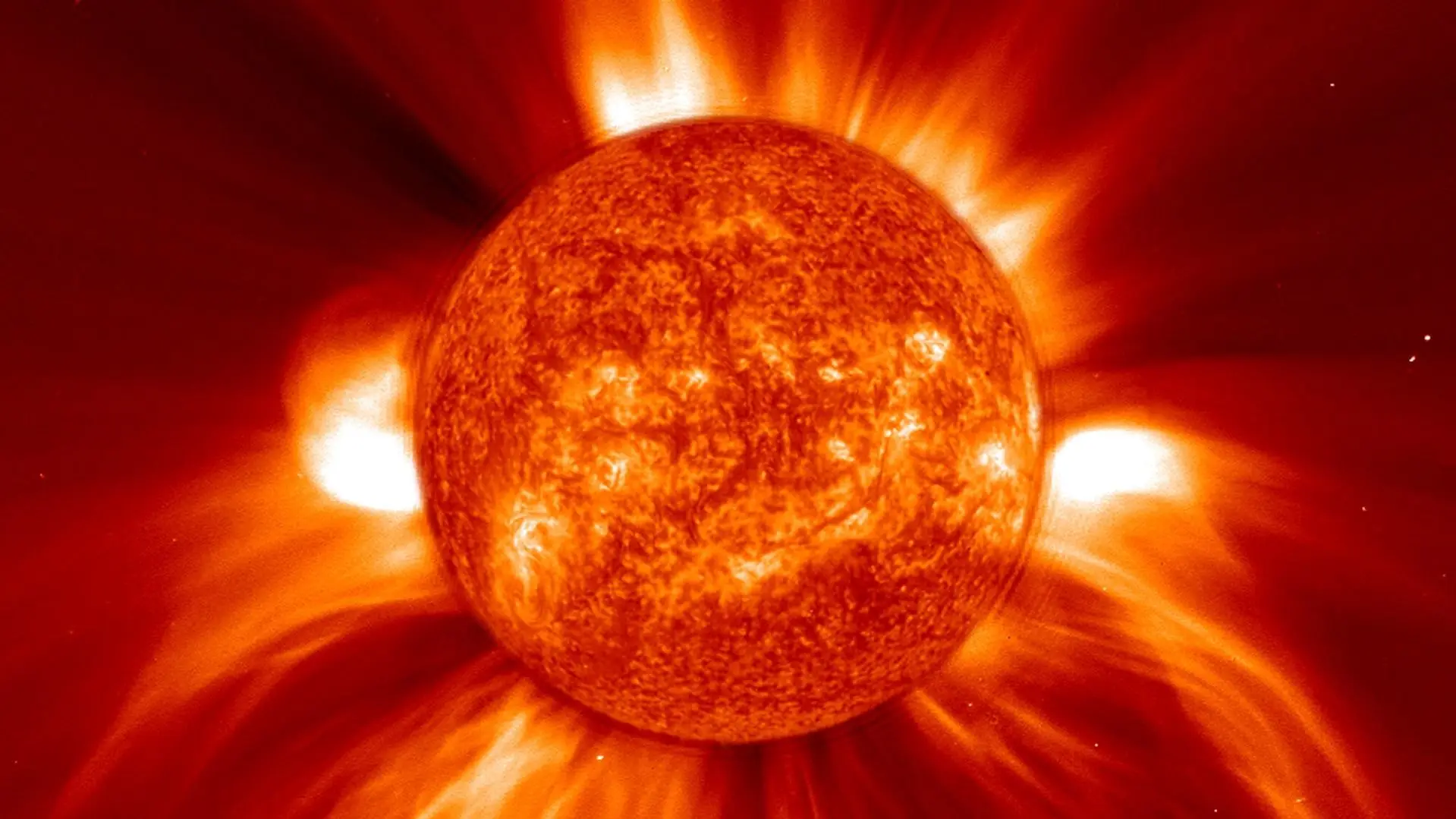
Coronal Mass Ejections - Billions of Tons of Plasma
CMEs expel billions of tons of solar plasma and magnetic fields toward Earth. They travel at speeds up to 6,000 km/s and reach Earth in 15-60 minutes, with virtually no warning time.
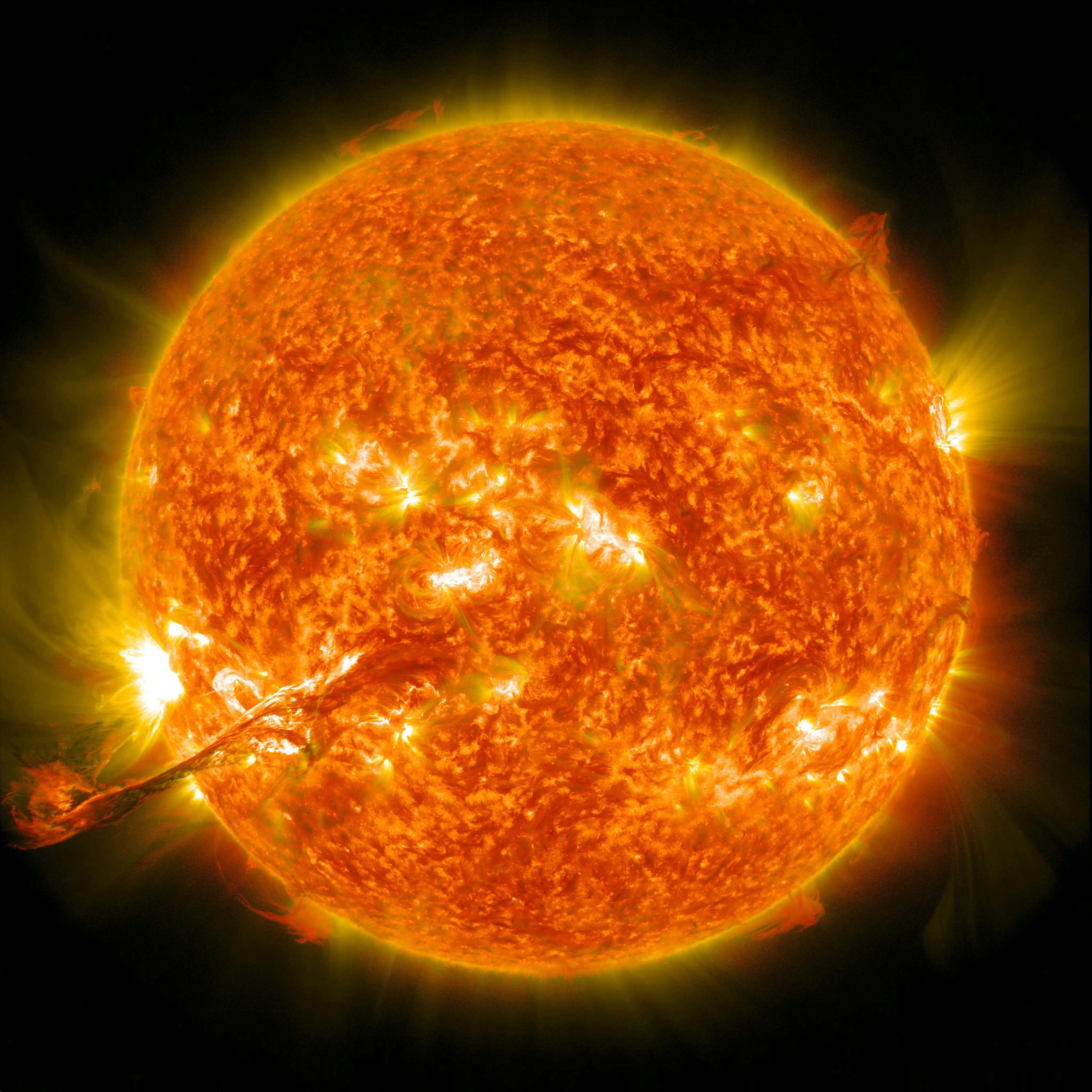
Radiation Damage to Satellite Electronics
Solar radiation surges can permanently damage satellite electronics from power disruptions to chipset failures. A single CME in 2024 damaged or destroyed satellites costing hundreds of millions of dollars.
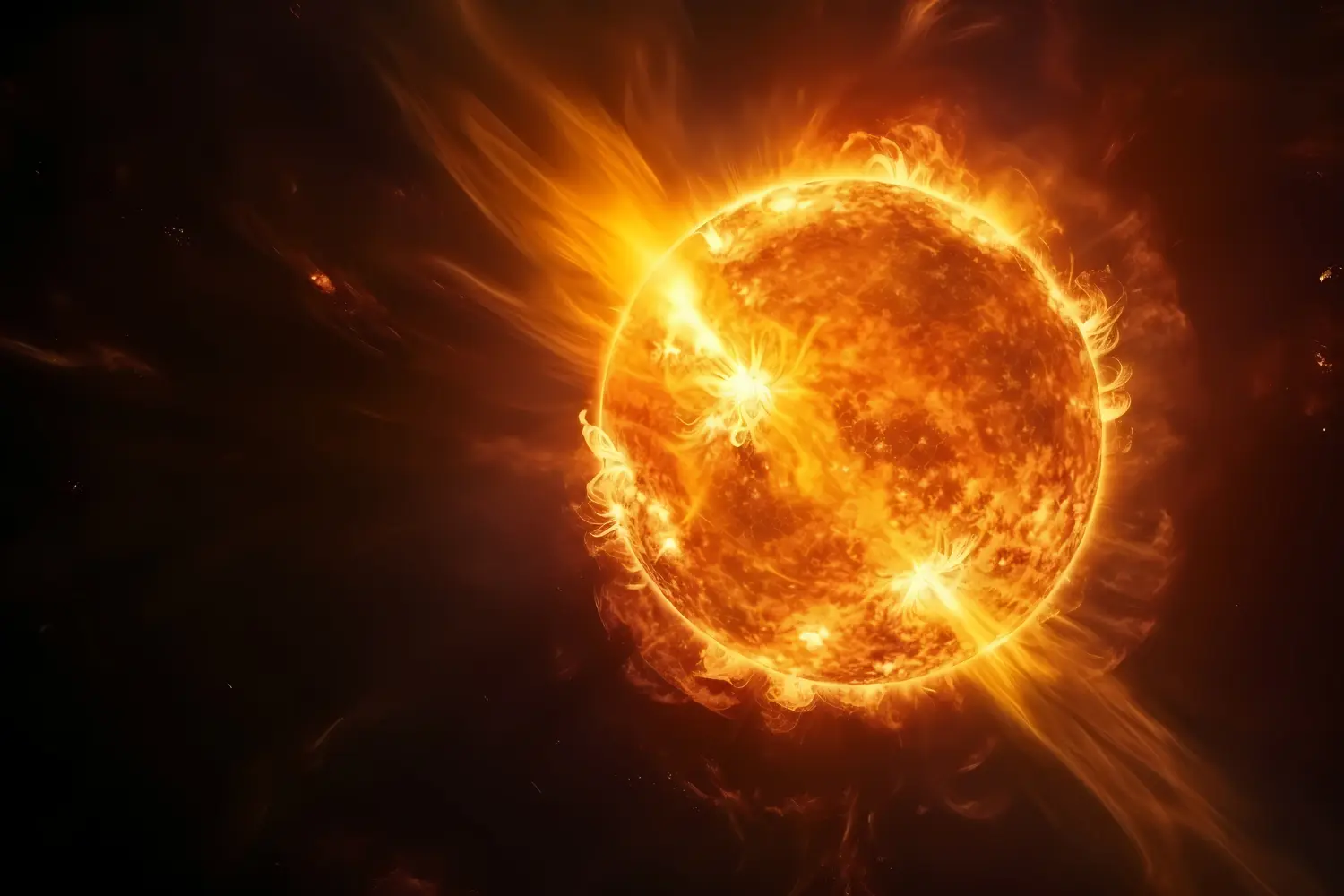
GPS and Navigation System Disruption
Solar flares ionise Earth's upper atmosphere, making GPS accuracy drop from 1-2 metres to 20-50 metres. This disrupts commercial shipping, aviation, and emergency services relying on location data.
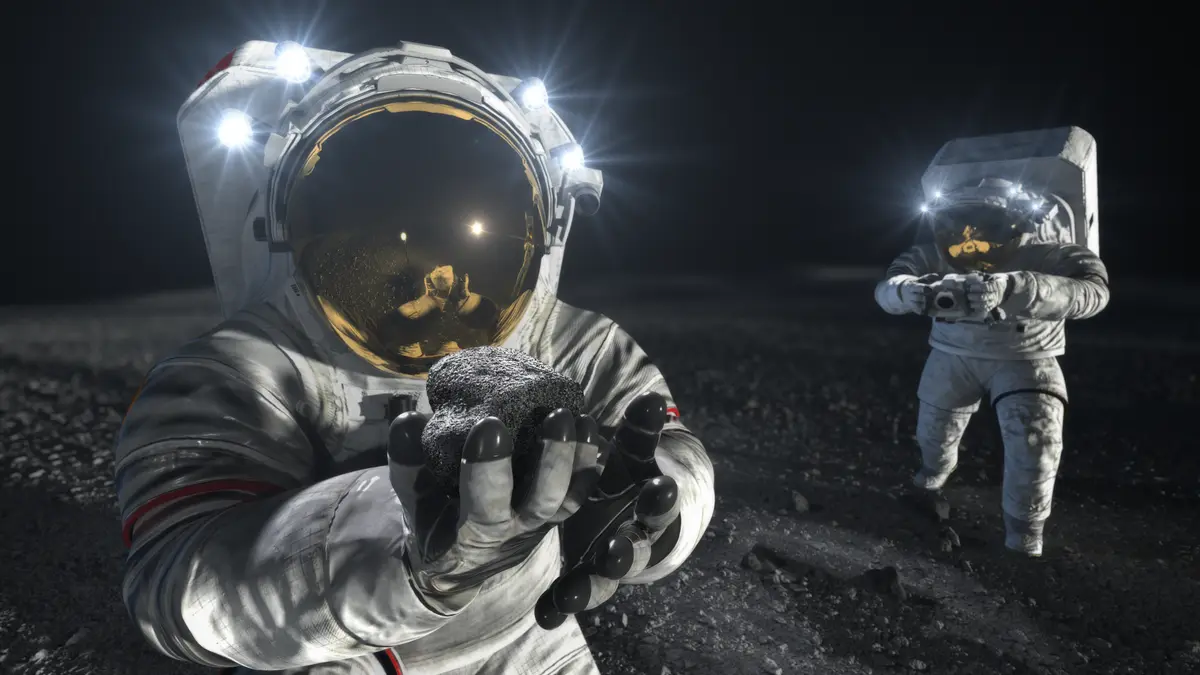
Astronauts Face 1,000x Radiation Exposure
During large solar energetic particle events, astronauts on the Moon receive radiation doses exceeding 1,000 times Earth levels inside space suits. This exceeds lifetime exposure limits by tenfold.
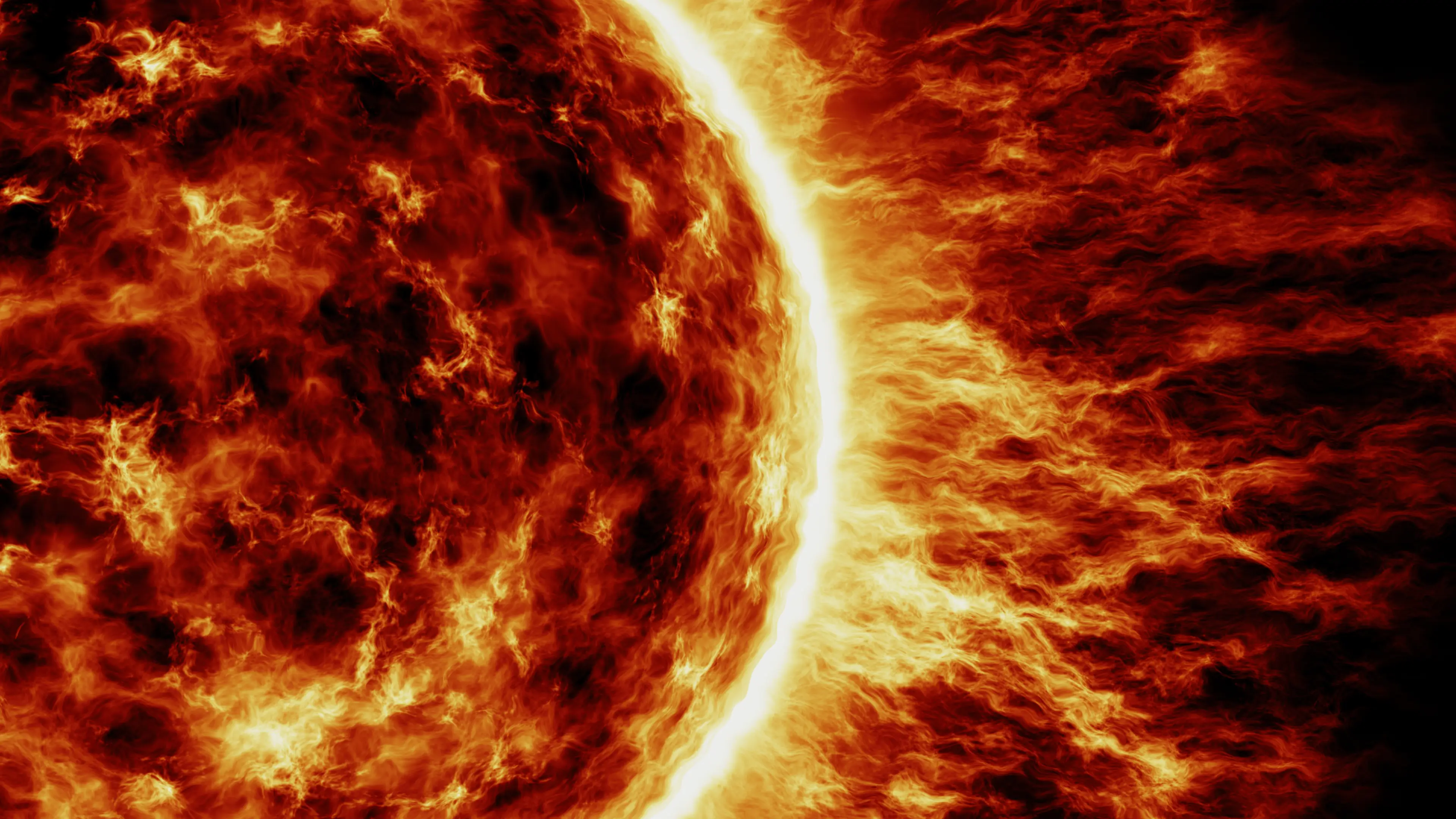
Atmospheric Drag Collapses Satellite Orbits
Solar storms heat the upper atmosphere, increasing drag on low-Earth orbit satellites. Operators must burn fuel to maintain altitude, and collision prediction becomes impossible when satellites slip 20-30 km off course.
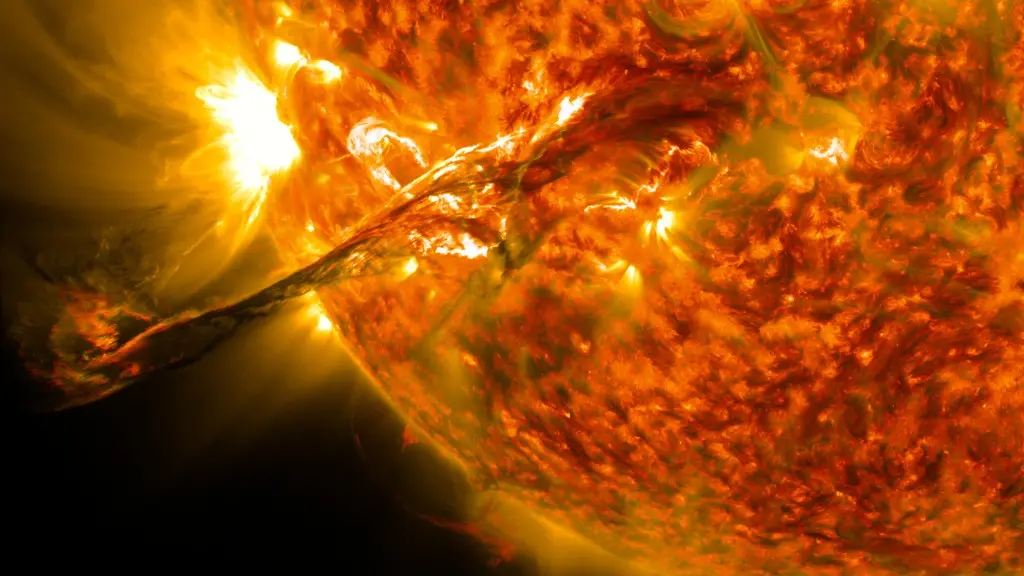
The Carrington Event - History's Warning
The 1859 Carrington Event created auroras visible at the equator and caused telegraph fires globally. A similar event today would destroy transformers, damage electrical grids, and cost trillions in blackouts.
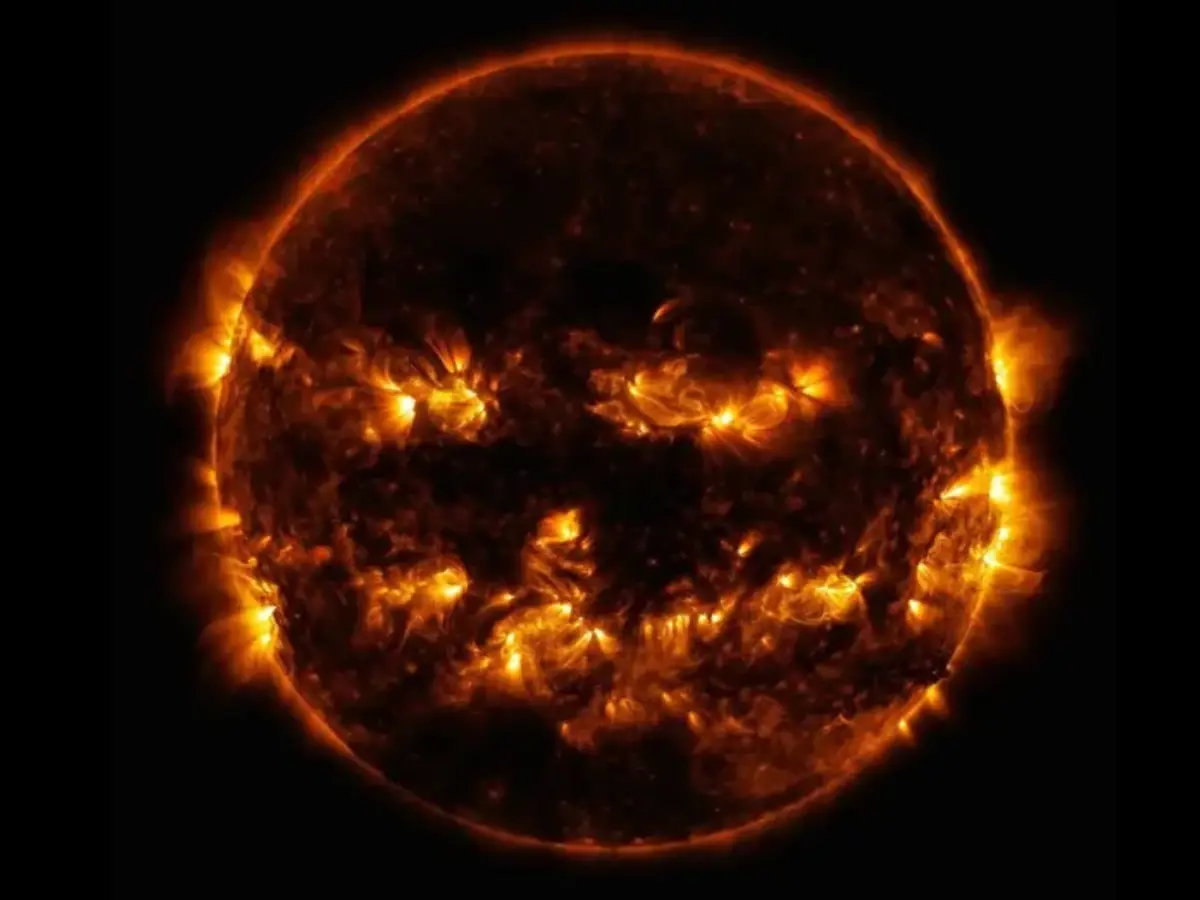
Solar Cycle 25 Exceeding Predictions
Solar Cycle 25 has produced more intense flares than forecast, with multiple X-class events in 2025 alone. Scientists worry this cycle could produce historically significant storms.
Earth's Protective Plasmasphere Collapses
During the May 2024 storm, Earth's plasmasphere contracted from 44,000 km to 9,600 km in nine hours. This shield against space particles temporarily vanished, exposing satellites to direct radiation.
Forecasting Accuracy Falls Short
Space weather models predict CME arrival times within 10 hours, leaving 12-hour operational uncertainties. Satellite operators cannot ensure collision avoidance during this window.
)
)
)
)
)