Why some rare Ferrari cars sell for more than their original price

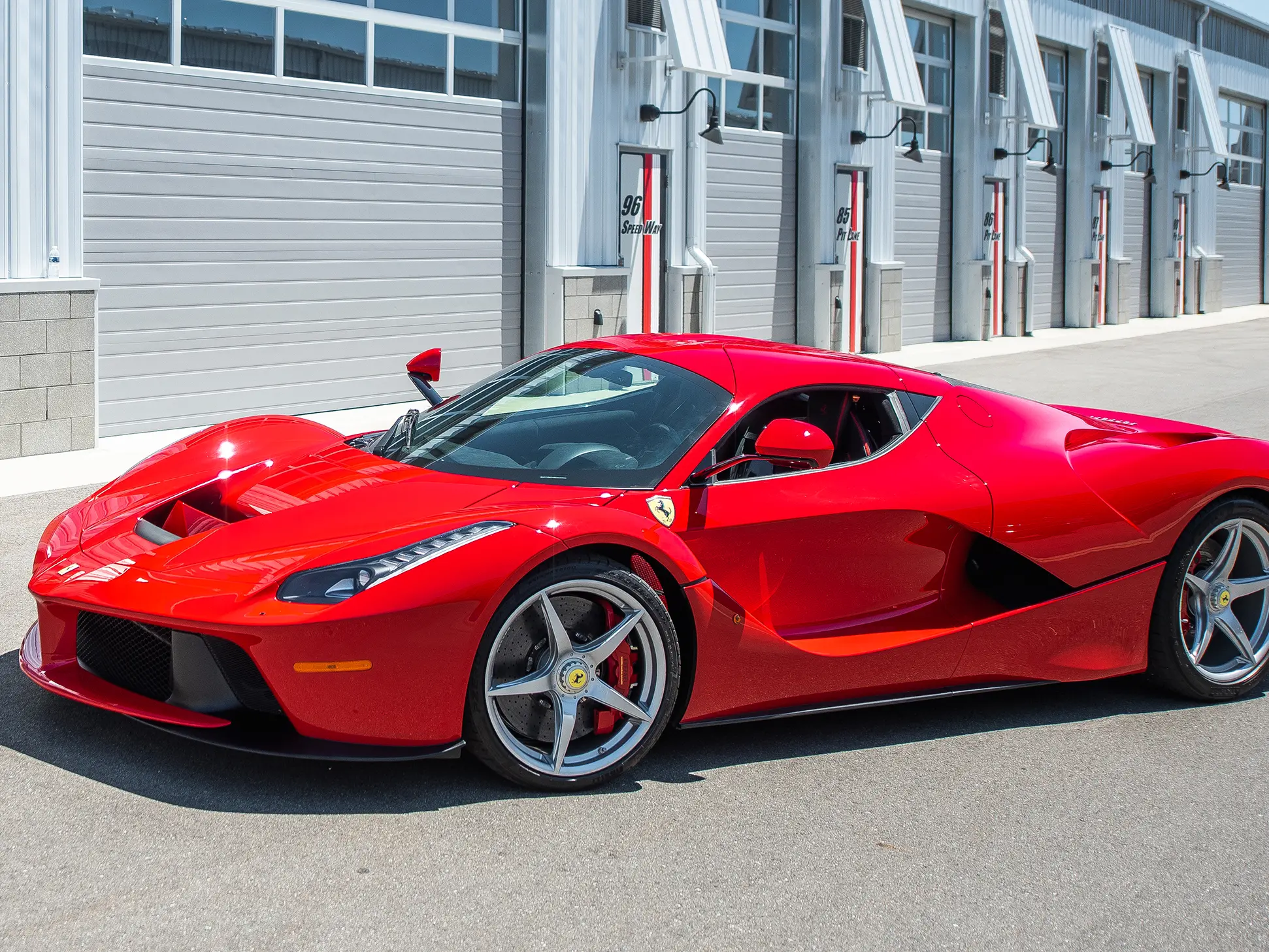
Rare Ferraris appreciate in value due to strict production limits, rich racing history, and extreme brand exclusivity. These factors push auction prices to incredible highs, like $51.7 million.
Strict production limits
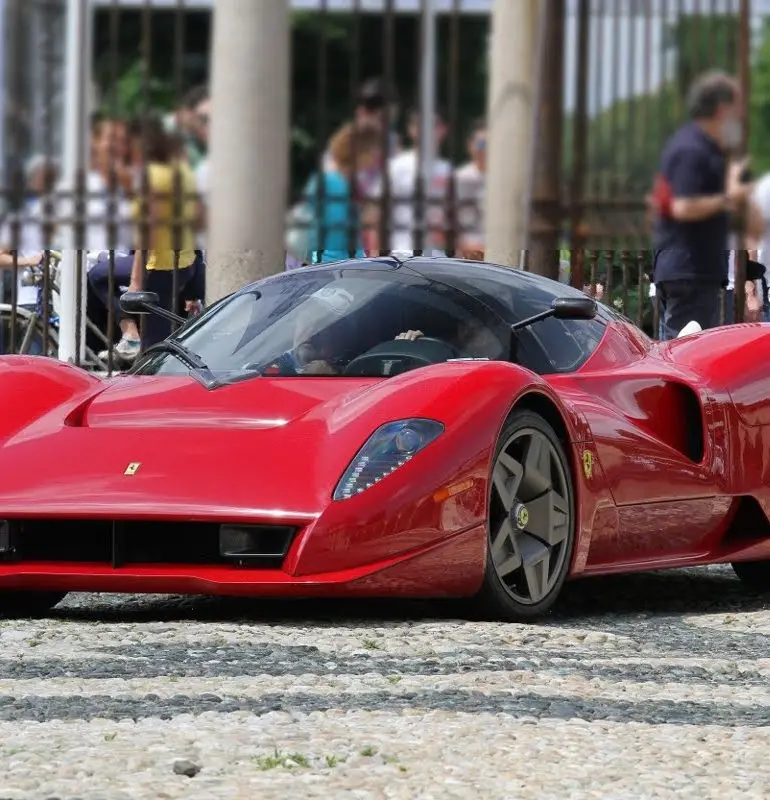
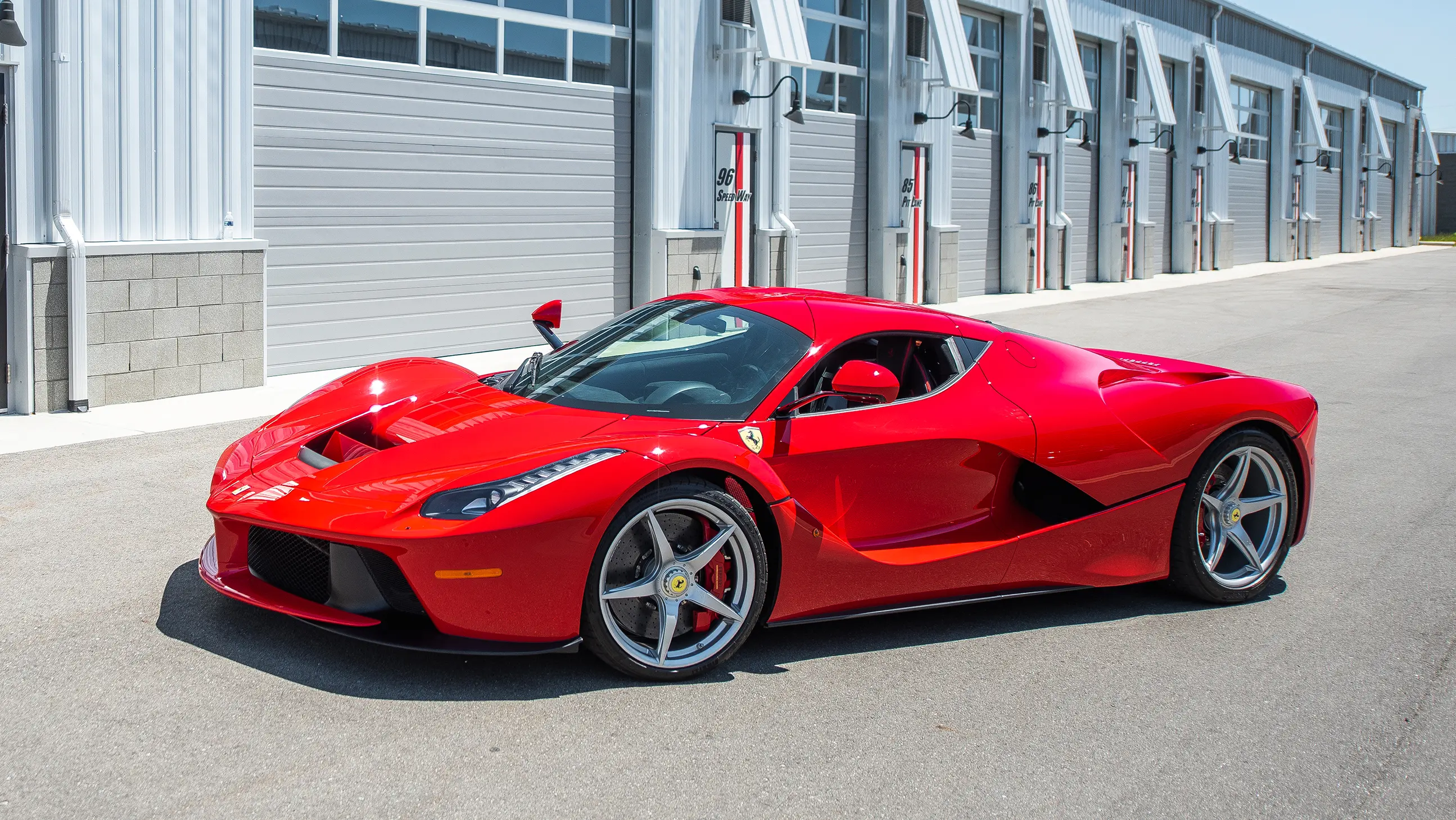
Ferrari intentionally restricts the production numbers of its most exclusive vehicles to create immense artificial scarcity. Because the company only manufactures a few hundred units of special editions, buyer demand always outpaces the actual supply. This exclusivity forces wealthy collectors into aggressive bidding wars on the secondary market.
Proven racing pedigree
A vintage Ferrari gains massive financial value if it possesses a documented history of winning major motorsport events. Cars that competed in the prestigious 24 Hours of Le Mans carry a unique historical legacy that cannot be replicated. Collectors happily pay millions extra for a chassis that famous racing drivers actually drove to victory.
Highly selective ownership
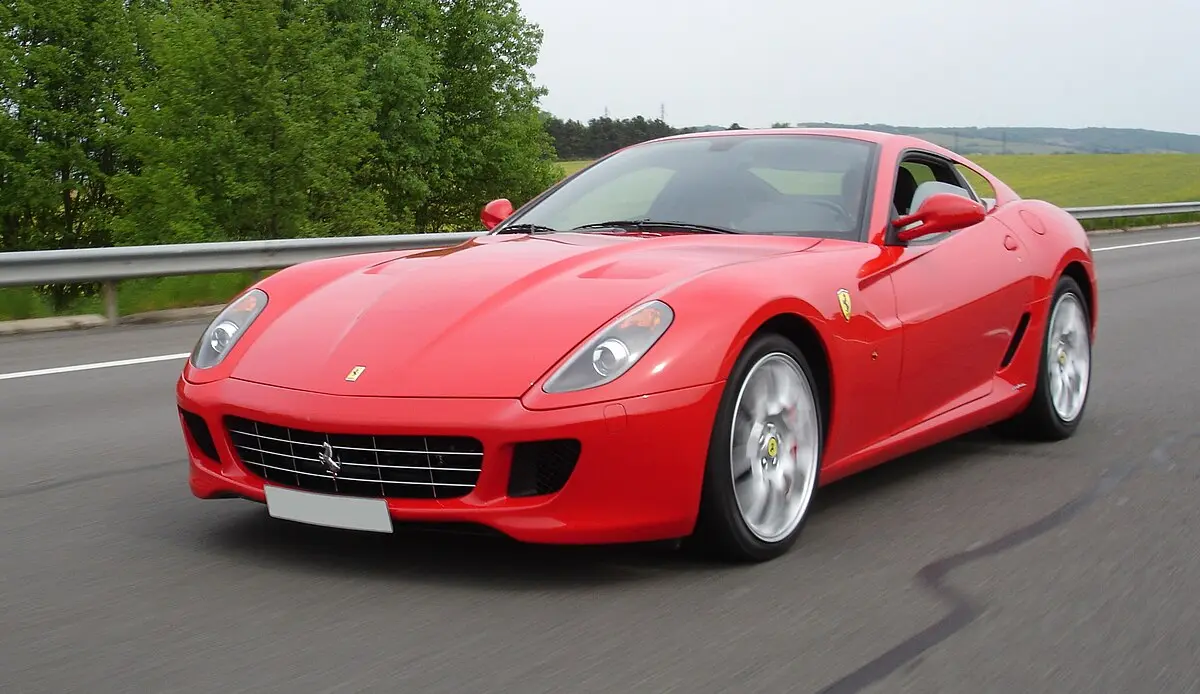
Buying a brand new, limited-edition Ferrari is not just about having enough money in the bank. The Italian manufacturer strictly controls who can purchase its rarest cars, usually inviting only the most loyal and established clients. This extreme gatekeeping forces uninvited millionaires to pay massive premiums in private sales.
Alternative financial investments
Many ultra-wealthy individuals view rare Italian supercars as highly secure financial assets that perform better than traditional stock markets. Unlike mass-produced vehicles that depreciate instantly, limited Ferraris consistently appreciate in value over the decades. Buyers know that acquiring a rare model virtually guarantees a profitable return on their investment.
Breaking auction records
The true financial power of the brand becomes visible at global auction houses where vintage models frequently break world records. In November 2023, a highly sought-after 1962 Ferrari 250 GTO sold for $51.7 million at Sotheby's in New York. These astronomical public sales continually push the entire classic car market upwards.