Why Ferrari's F1 steering wheel has so many buttons

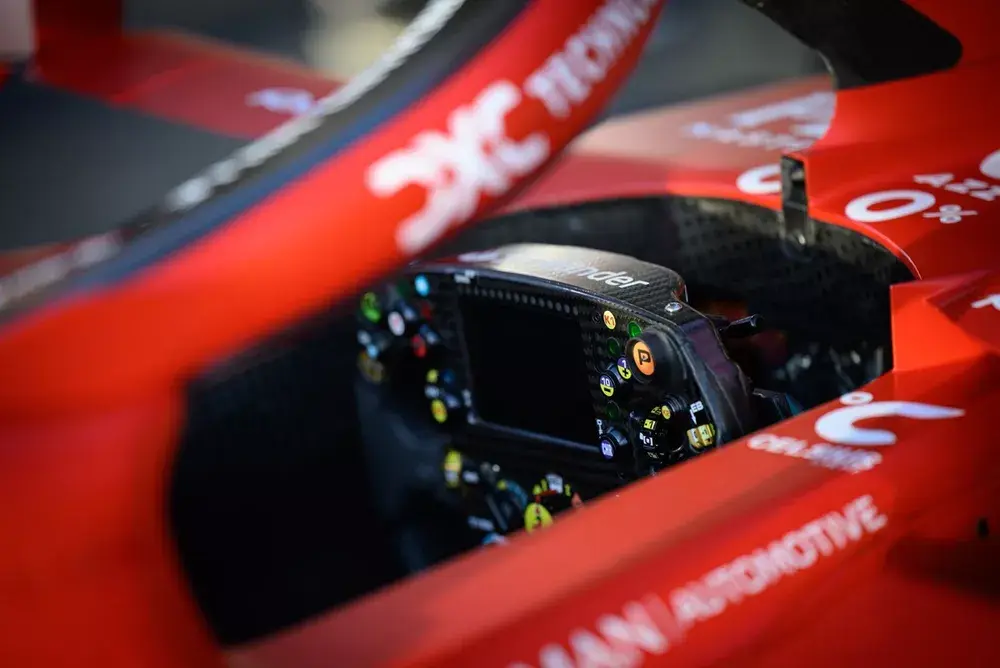
A Ferrari F1 steering wheel is a $100,000 carbon fibre minicomputer with over 20 buttons. Drivers use it to adjust brake bias, deploy hybrid electrical energy, activate aerodynamics, and communicate with engineers at 200 mph.
A $100,000 minicomputer
Constructed from aerospace-grade carbon fibre, a modern F1 steering wheel costs approximately $100,000 to manufacture. It houses between 20 and 30 distinct buttons, switches, and rotary dials, functioning as a high-performance computer that processes thousands of data points every second.
Managing the hybrid engine
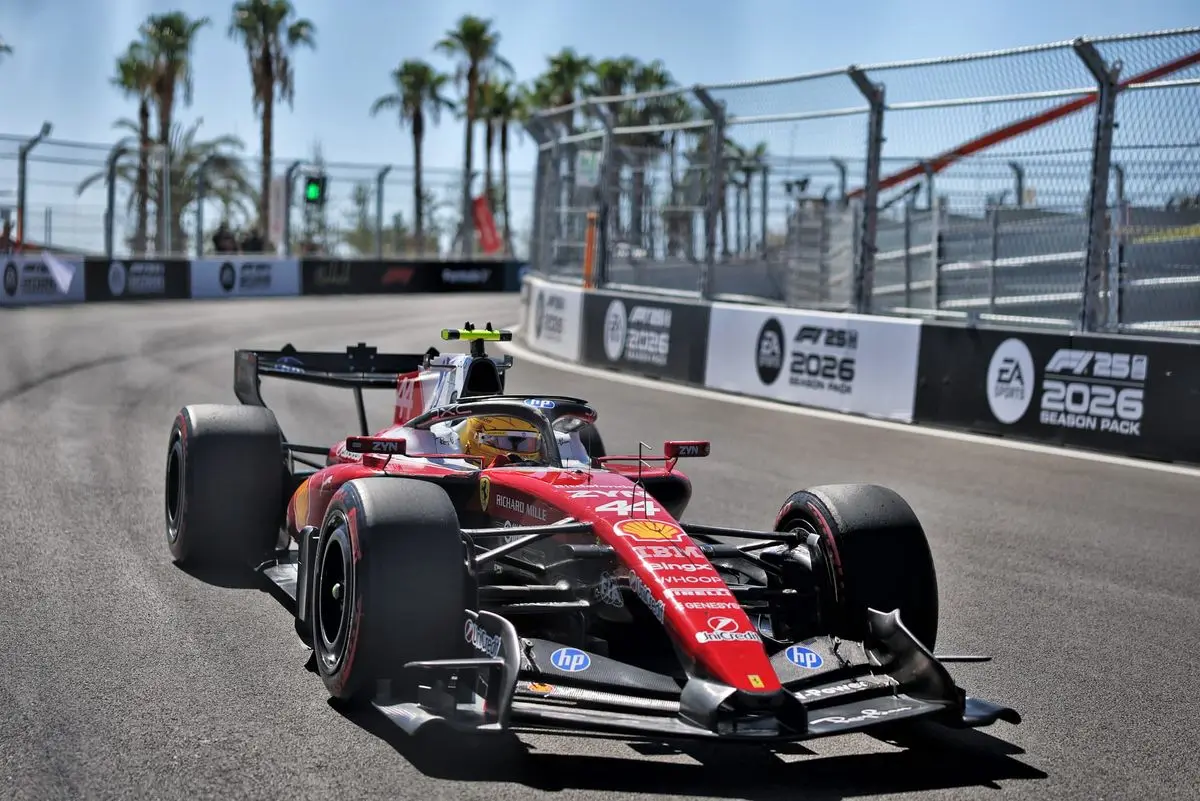
Modern F1 cars rely on highly complex hybrid power units. The steering wheel features specific rotary dials that allow the driver to manage the deployment of electrical energy from the MGU-K system, adjust the fuel consumption rate, and unleash maximum hybrid power during an overtaking manoeuvre.

Adjusting brake balance
Drivers constantly alter the car's mechanical balance for different corners. Dedicated toggles on the steering wheel allow them to shift the brake bias forwards or backwards during the actual braking phase. This maximises stopping power at the corner entry without compromising the car's overall stability.
Pit lane and communications
To avoid severe sporting penalties, drivers use a dedicated pit lane speed limiter button that electronically restricts the engine to exactly 80 km/h. The wheel also houses the radio communication button, allowing the driver to securely discuss strategic tyre changes and track conditions with their race engineer.