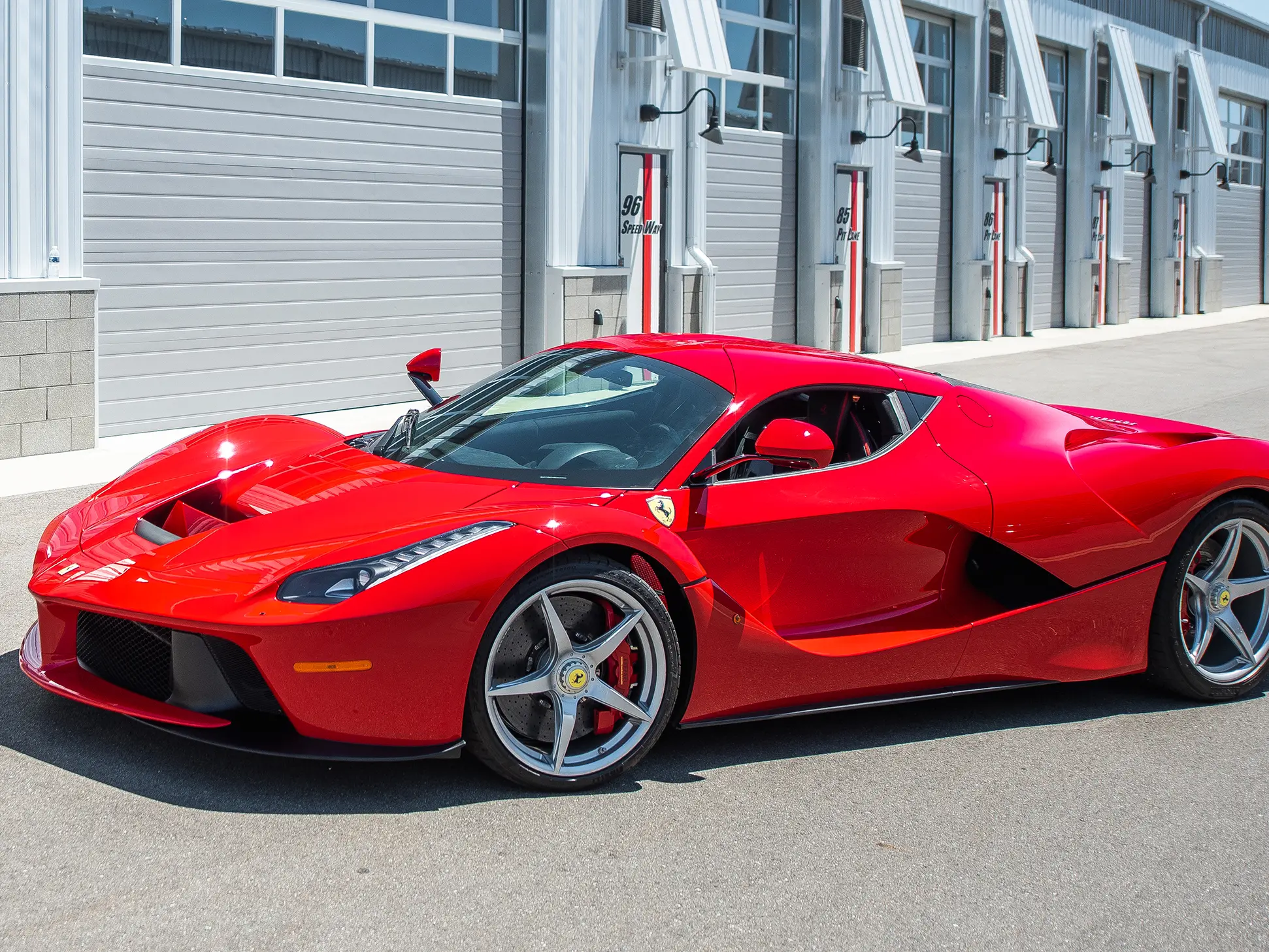
How fast can a Ferrari really go? The engineering behind its top speed

Ferrari hypercars hit 217 mph combining 1,200-horsepower hybrid V6 engines with active aerodynamics. Adaptive wings reduce air friction and generate 1,050 kilogrammes of downforce.
Hitting the 217 mph limit
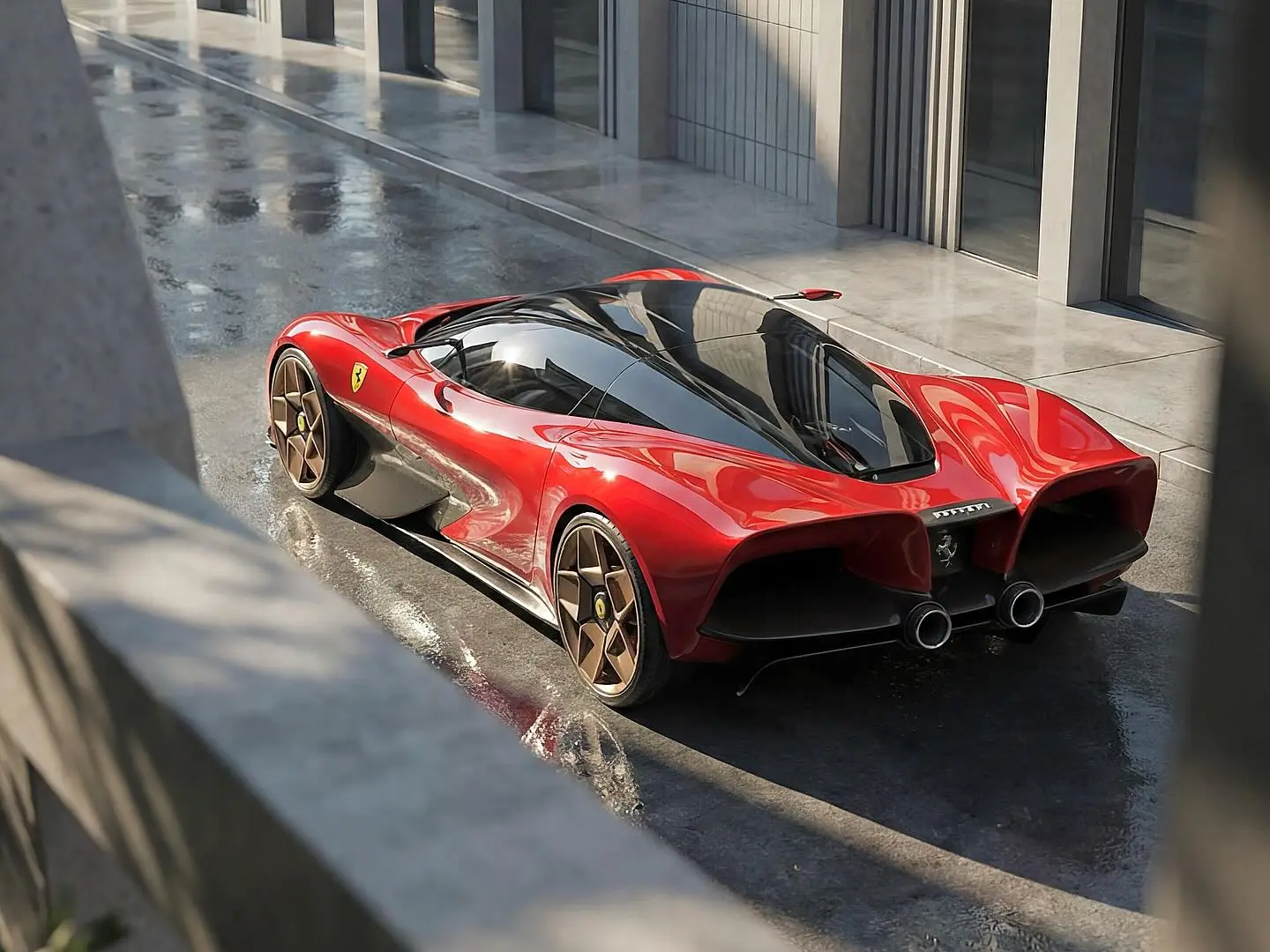
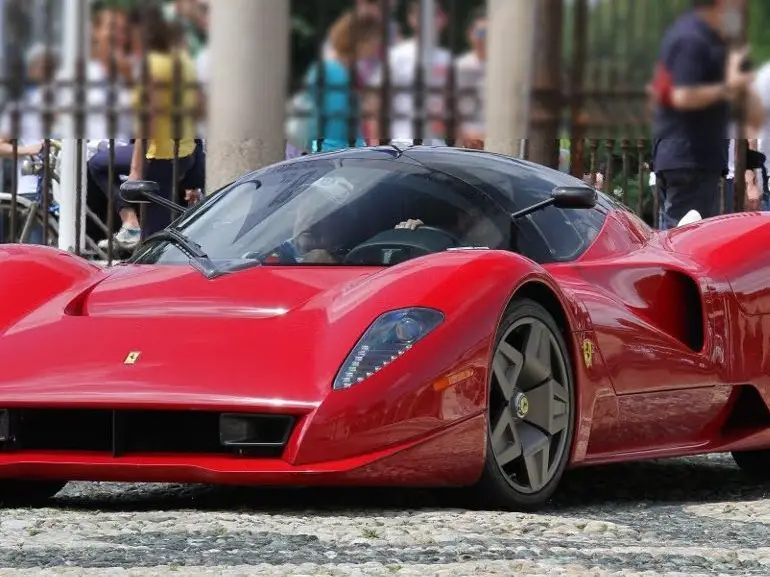
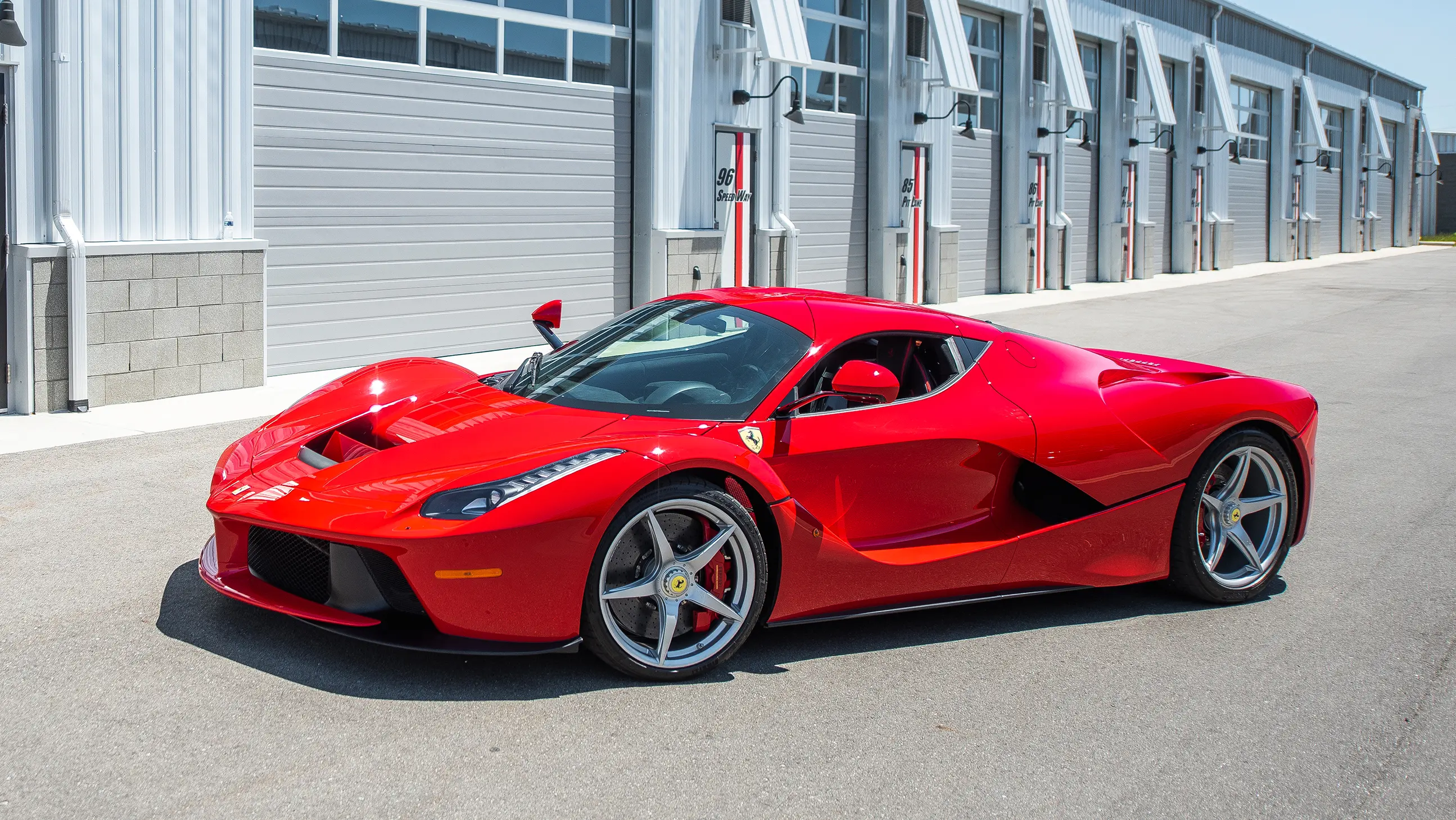
Flagship models like the Enzo, LaFerrari, and the new F80 share a maximum top speed of 217 mph (349 km/h). Pushing a road car beyond this specific velocity requires exponentially more power to overcome the massive aerodynamic wall of air resistance.
Generating 1,200 horsepower
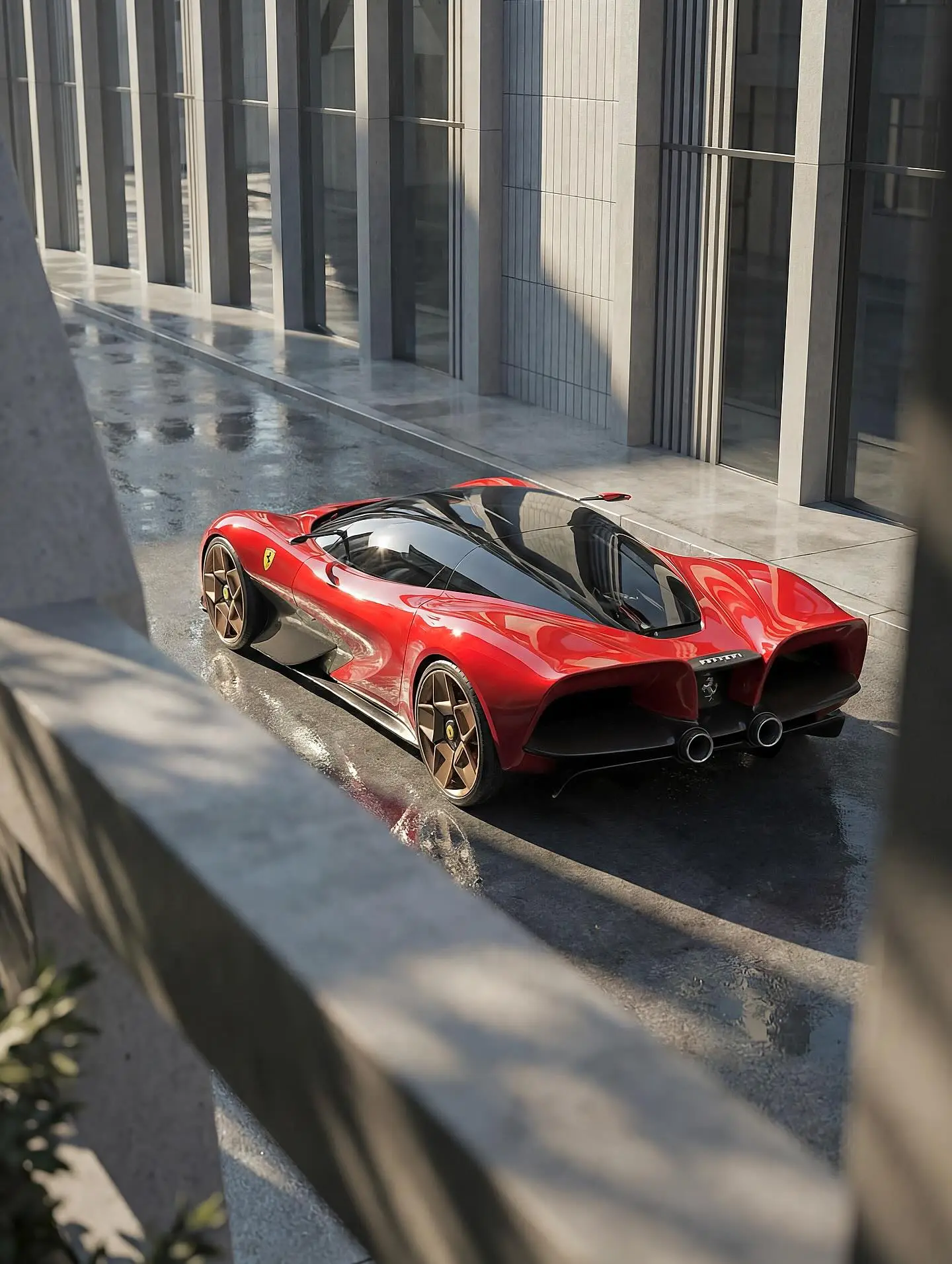
To reach these extreme speeds, modern Ferraris utilise advanced hybrid powertrains. The latest F80 combines a twin-turbocharged V6 engine with an electric front axle and motor, producing a combined 1,200 horsepower for rapid acceleration.
Ferrari Active aerodynamic wings
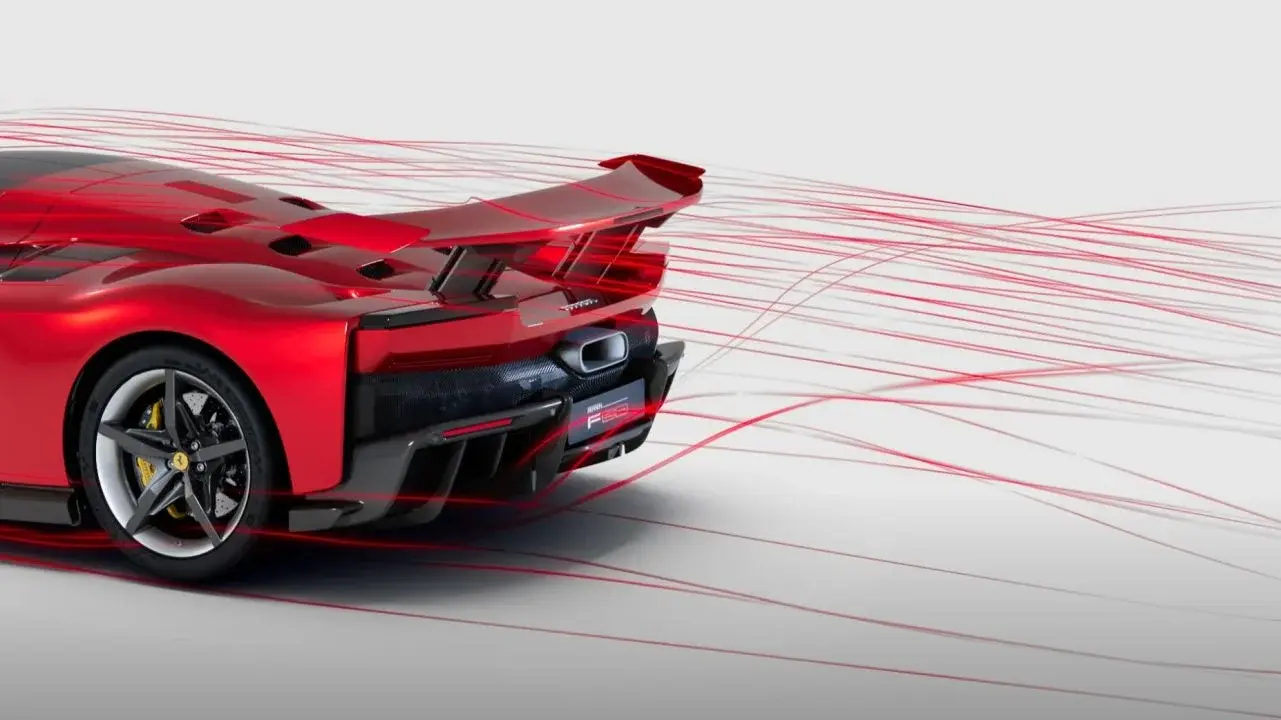
Driving at 217 mph creates severe aerodynamic lift that destabilises the vehicle. To counter this, Ferrari uses active rear wings and underbody flaps that physically adjust their angles in real time to generate 1,050 kilogrammes of downward force.
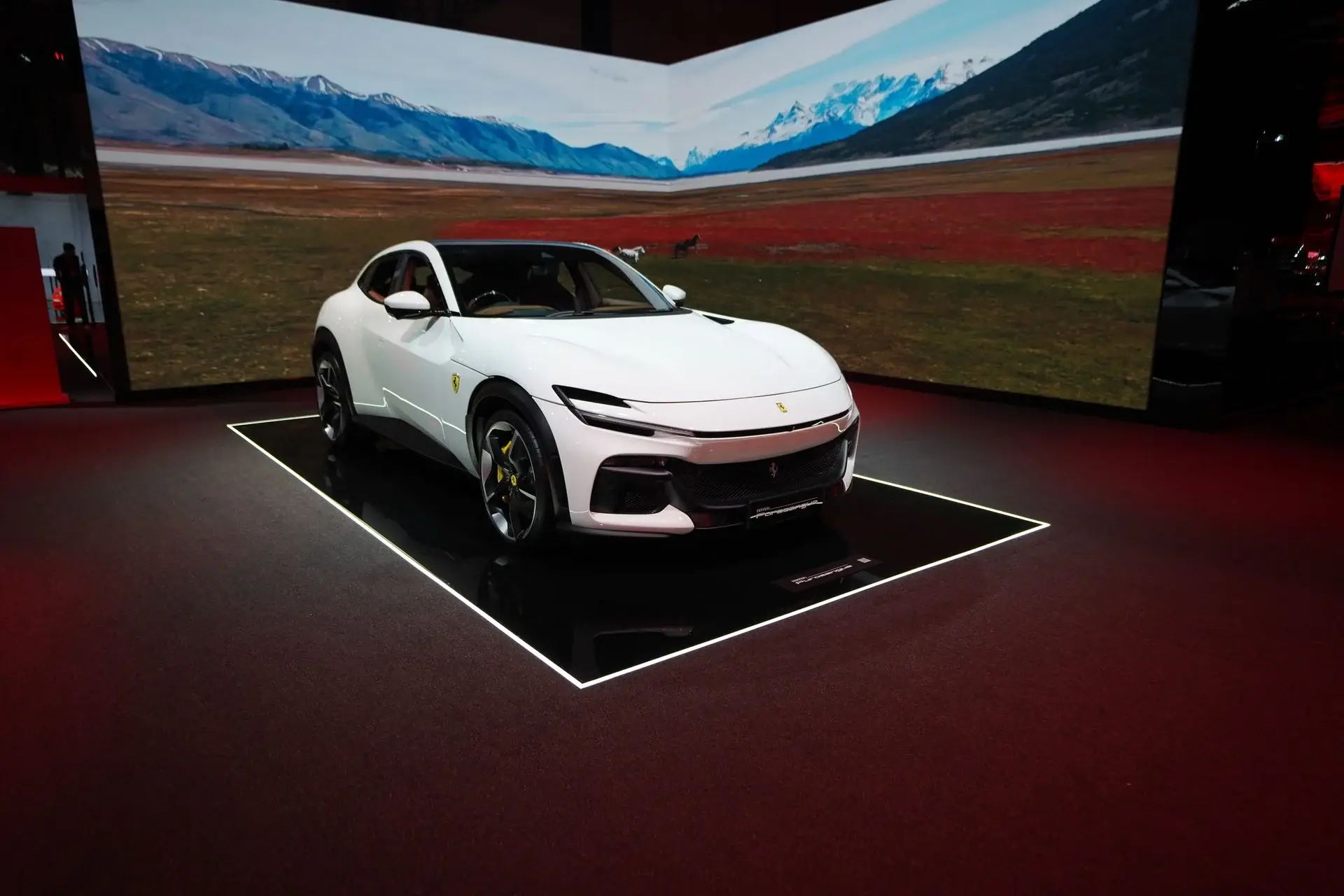
Slipping through the air
When a driver demands absolute maximum straight-line speed, the onboard computers automatically shift the active rear wings into a Low Drag configuration. This flattens the vehicle's aerodynamic profile, reducing air friction and allowing the car to accelerate further.

Seamless dual-clutch shifting
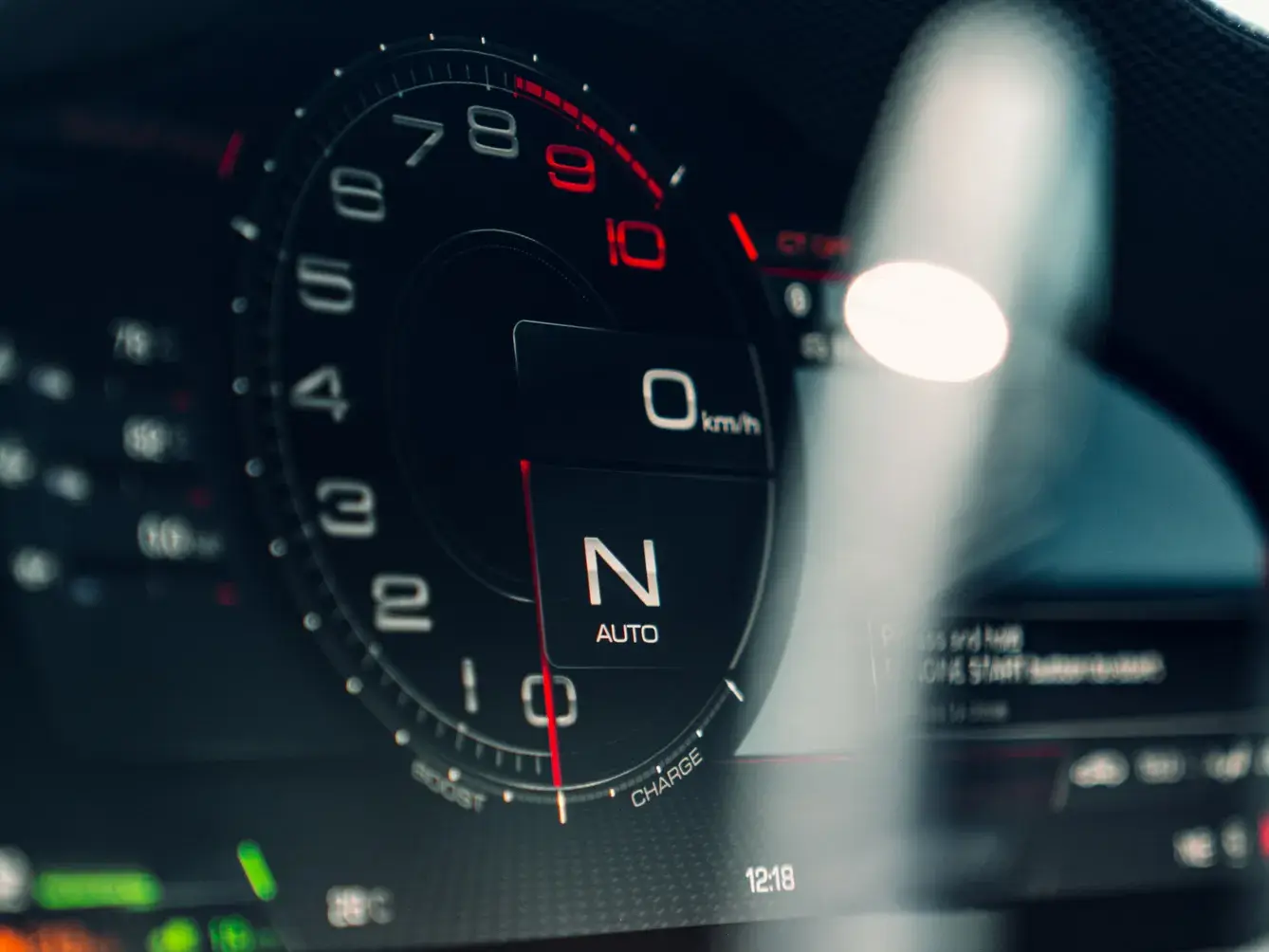
Accelerating from zero to 60 mph in just 2.2 seconds requires uninterrupted power delivery to the wheels. Ferrari employs advanced dual-clutch automatic transmissions that swap gears in mere milliseconds, preventing any loss of momentum during the high-speed sprint.