Why some fighter jets can vanish from radar screens? The world of stealth and countries leading it

From altered aerodynamics to radar-absorbent materials, stealth aircraft operate on the principle that the first side to detect the other wins the fight.
Introduction
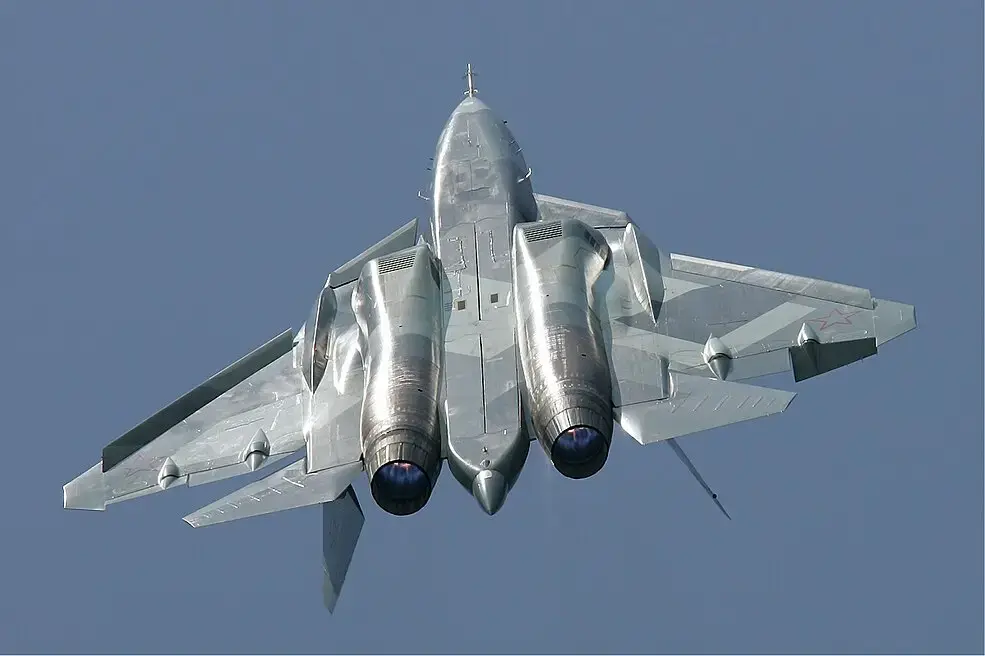
Stealth technology has become one of the defining advantages in modern air combat. Aircraft designed to be nearly invisible to enemy detection shift the balance of power long before a missile is fired. From altered aerodynamics to radar-absorbent materials, stealth aircraft operate on the principle that the first side to detect the other wins the fight. Today, only a handful of nations have successfully built true stealth fighters, and even fewer have managed to operate them in sufficient numbers.
What 'stealth' actually means
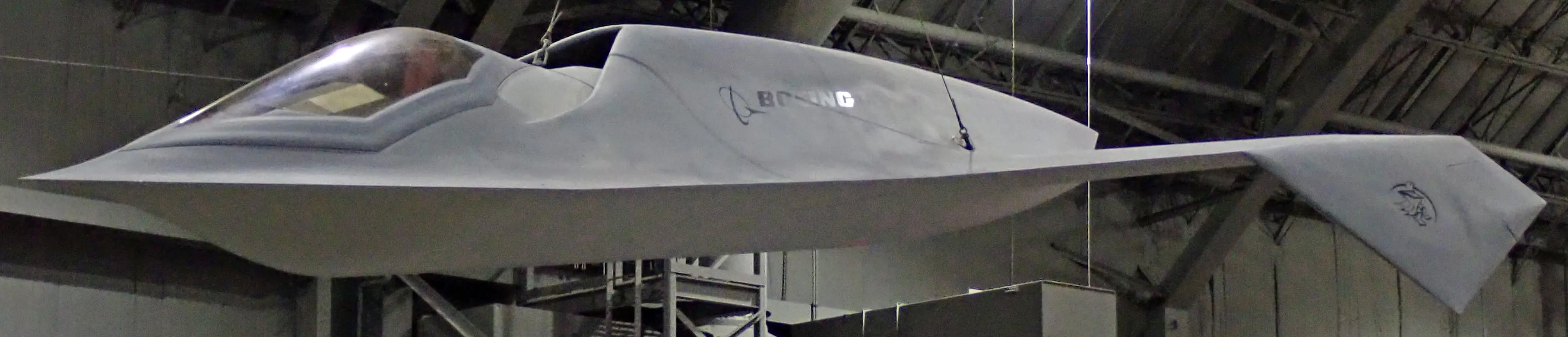
Stealth refers to the ability of an aircraft to delay or prevent detection by enemy radar and infrared systems. The central aim is to reduce the aircraft’s radar cross-section (RCS), making it appear much smaller than its physical size. A properly designed stealth aircraft does not become invisible; instead, it becomes difficult to track or lock on to, dramatically reducing the effectiveness of surface-to-air and air-to-air missiles.
The science of avoiding radar
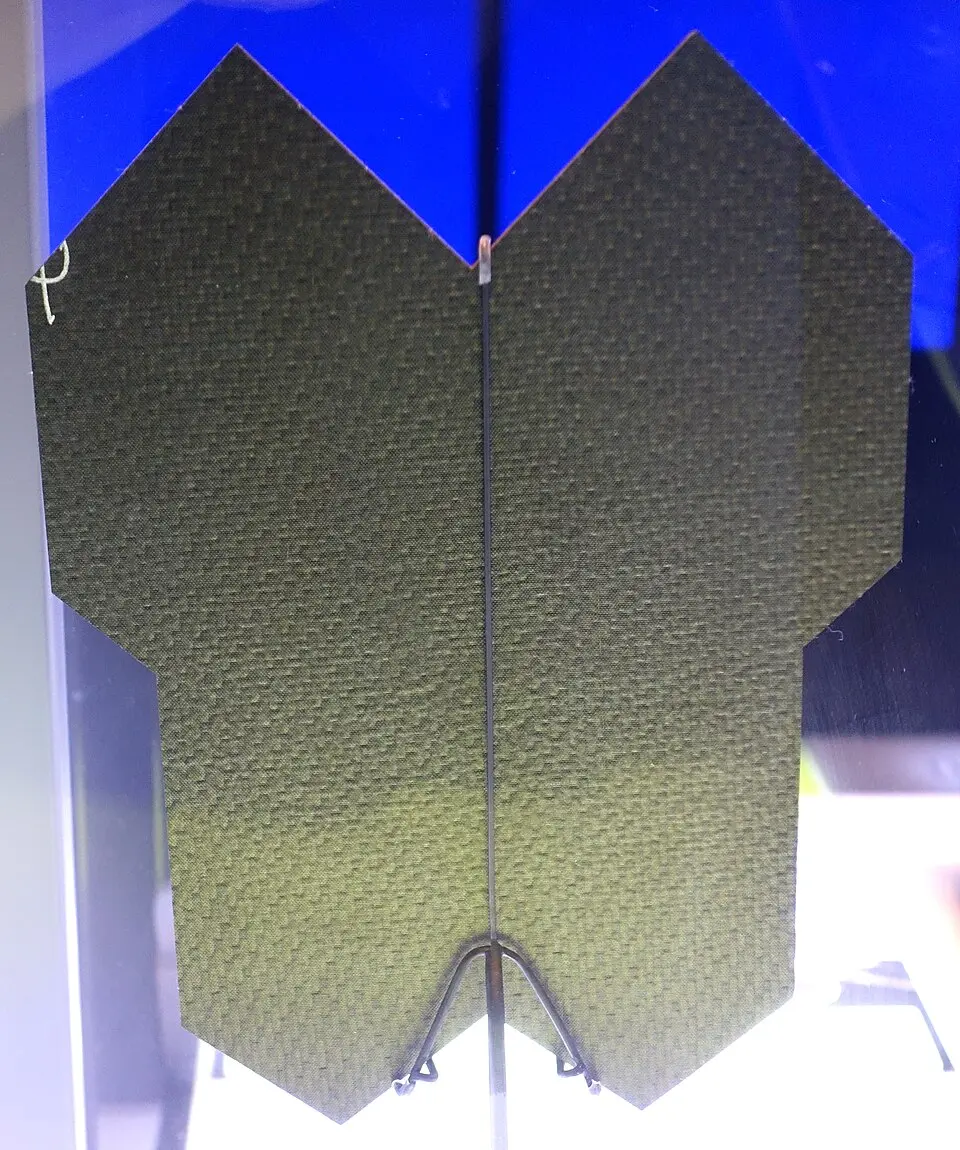
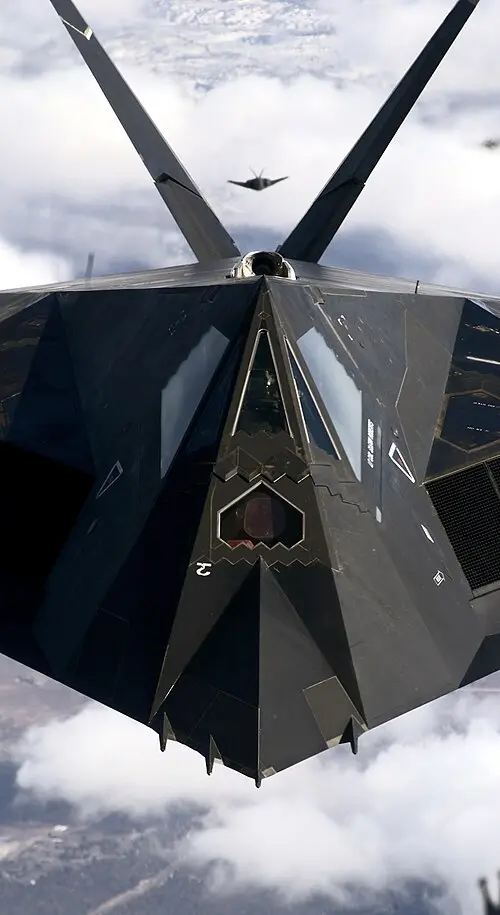
Conventional aircraft reflect large volumes of radar waves back to the radar station, creating a strong signal on the screen. Stealth aircraft counter this in two main ways: shaping and materials. Airframes are designed with sharp angles and sloped surfaces so radar signals bounce away rather than return to the source. Additionally, the body is coated with radar-absorbent material that converts electromagnetic energy into heat rather than reflecting it.
Managing heat and noise
Stealth is not just about radar. Modern detection systems also track heat signatures and acoustic patterns. To minimise infrared detection, stealth fighters hide their engine exhaust in recessed ducts and mix it with cooler external air. Noise is reduced through serrated engine nozzles, flush air intakes and internal weapon bays that eliminate the drag and whistling noise of external pylons.
The role of internal weapon bays
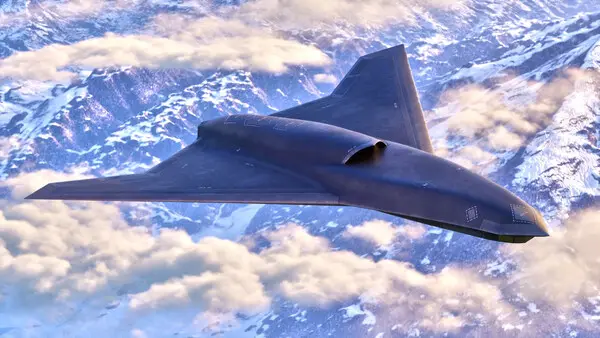
Stealth aircraft do not carry missiles or bombs under their wings during combat missions. Exposed weapons increase the radar signature dramatically. Instead, munitions are housed inside the fuselage, deployed only at the moment of firing. This design reduces drag, increases fuel efficiency and preserves stealth throughout the mission, a key requirement for deep-strike operations.
Nations that have mastered stealth
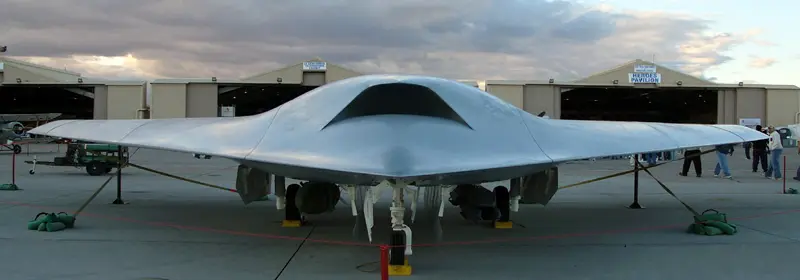
Only three countries currently field operational fifth-generation stealth fighters of their own design: the United States (F-22 and F-35), China (J-20) and Russia (Su-57). The US remains the leader, with hundreds of stealth aircraft in active service. China has rapidly expanded J-20 production, while Russia continues to operate a smaller fleet of Su-57s. Other nations, including India, Japan, South Korea and Turkey, are developing indigenous stealth programmes, though operational deployment remains several years away.
Why stealth aircraft change warfare
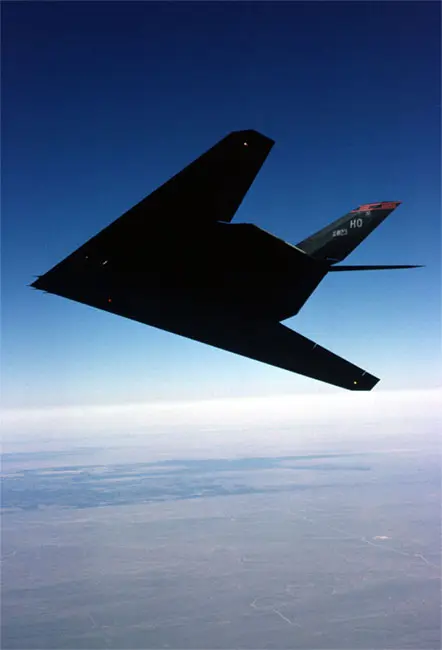
Stealth platforms can enter contested airspace, gather intelligence, strike strategic targets and exit before enemy defences can respond. This capability undermines traditional air defence systems, forcing militaries to rethink how they protect critical infrastructure. As more nations move toward integrated air defences, stealth aircraft form the backbone of modern deterrence and pre-emptive capability.
The future of stealth
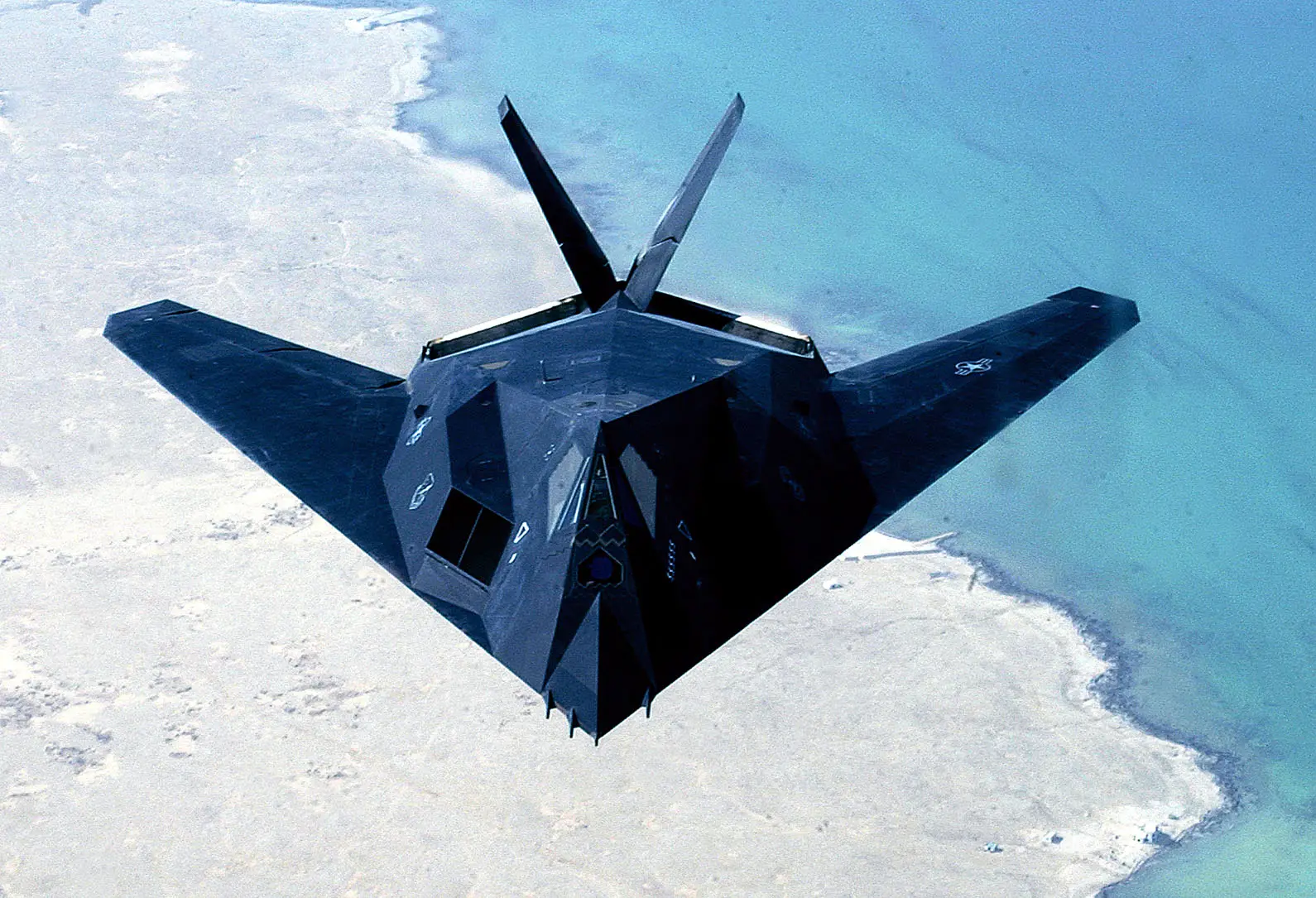
Sixth-generation projects, such as the US' Next Generation Air Dominance (NGAD), the UK-Japan-Italy Global Combat Air Programme (GCAP), and India’s Advanced Medium Combat Aircraft (AMCA), are introducing additional innovations, including AI-assisted flight, loyal wingman drones and adaptive engines. While complete invisibility remains impossible, every new iteration makes detection harder, reaction time shorter and air combat more asymmetric.

)
)

)