Why some Airbus A320s need hardware replacement, not just a software patch

A software rollback typically takes a few hours. By contrast, removing and replacing an ELAC is a maintenance task that needs a serviceable spare, certified procedures, and shop time, which can take days or weeks depending on parts availability and maintenance-station capacity.
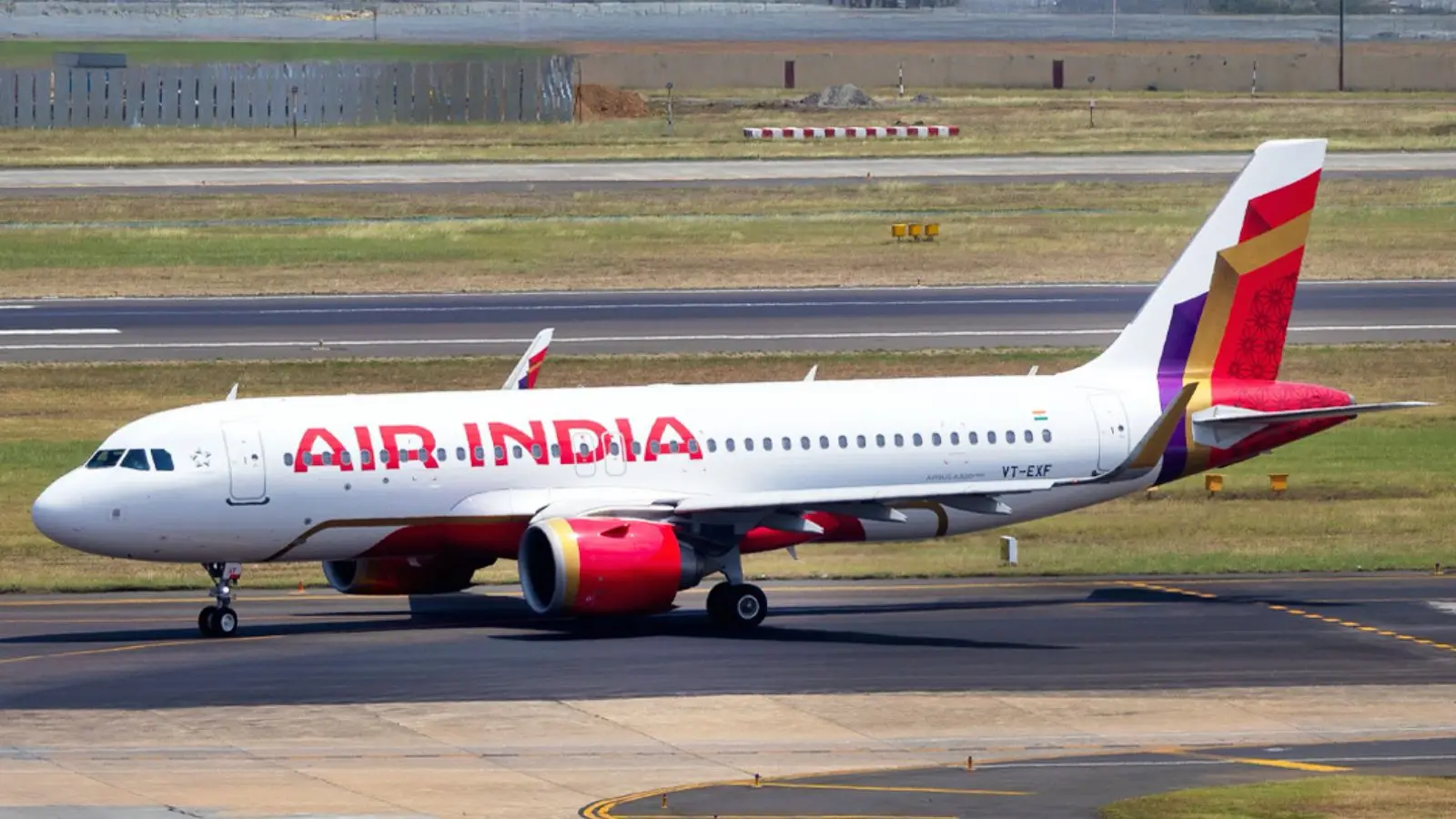
1. The problem centres on the ELAC (Elevator & Aileron Computer)
Investigations traced the fault to the ELAC unit, the computer that processes pilot side-stick inputs and commands the elevators/ailerons that control pitch and roll. The on-aircraft bulletin and regulator action specifically name ELAC as the component of concern.
2. Software rollback fixes many jets — but not all
Airbus and regulators instructed operators to revert or update flight-control software on most A320 family aircraft; that fix can be done quickly on many jets. However, not every ELAC version can be rendered safe by a software change alone, so some aircraft require a hardware change instead. Reuters and industry reports explain the two-tier response: quick software action for many, hardware replacement for a defined subset.
3. Regulators divided affected aircraft into “groups” — Group 1 must have ELAC replaced before next flight
EASA’s emergency airworthiness directive (AD) groups affected aeroplanes and explicitly requires replacement or modification of the affected ELAC on Group-1 aeroplanes before the next flight (with limited ferry exceptions). That is why some jets cannot simply be patched in place, regulation mandates physical replacement or modification.
4. Some ELAC hardware revisions are intrinsically more vulnerable to data corruption
Public reporting says the root cause involves data corruption under certain high-altitude radiation conditions (e.g., cosmic/solar particles). Certain ELAC hardware/firmware combinations are less resilient to that corruption; swapping to a serviceable ELAC unit (a later part-number / revision) is the validated mitigation for those serials. That’s why a physical unit change, not just software, is required in those cases.
5. Hardware swaps take far longer — supply and shop capacity become the bottleneck
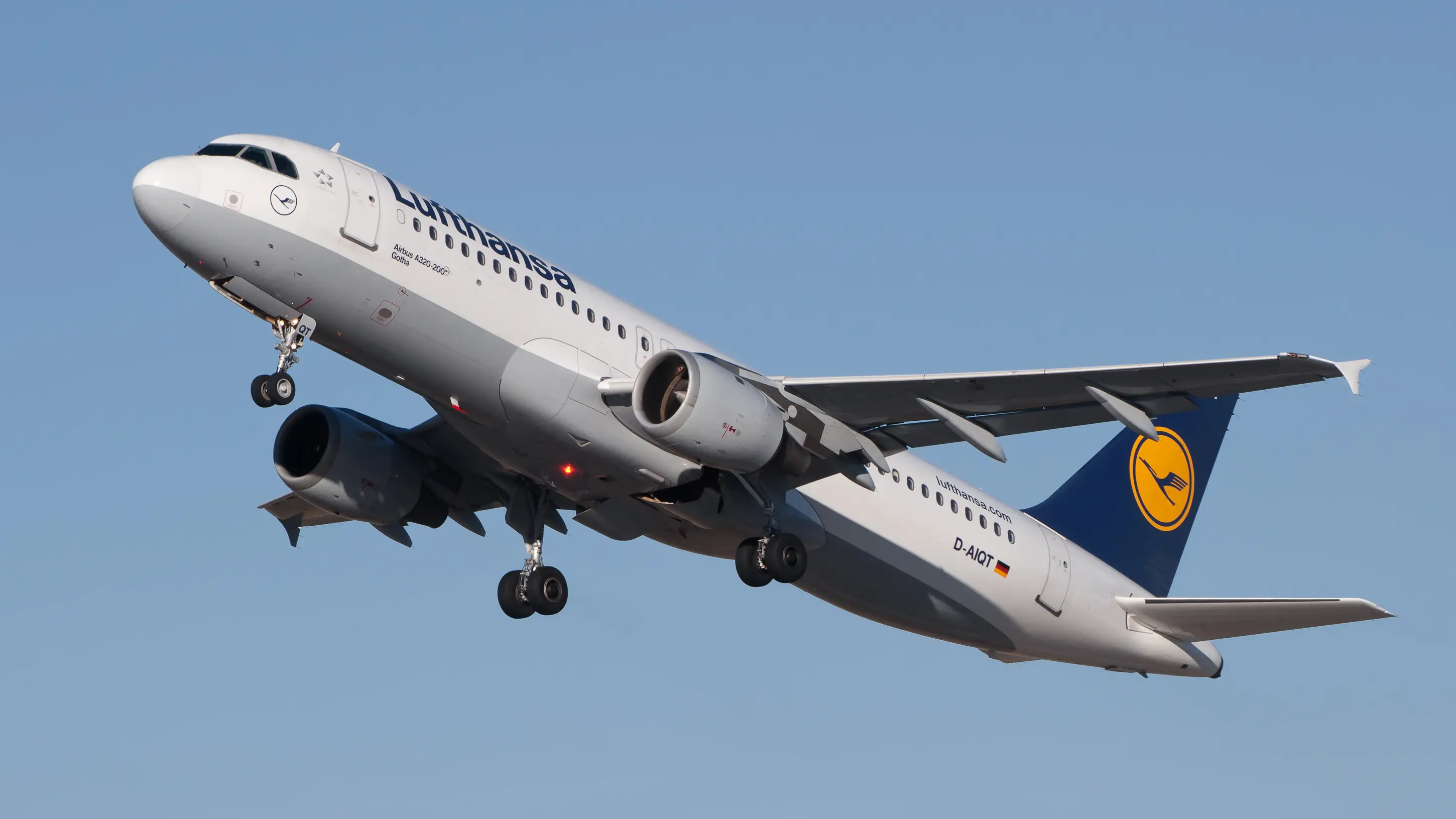
A software rollback typically takes a few hours. By contrast, removing and replacing an ELAC is a maintenance task that needs a serviceable spare, certified procedures, and shop time, which can take days or weeks depending on parts availability and maintenance-station capacity. Industry reports say thousands of jets could be affected, but several hundred to a thousand may require longer hardware work. That explains the scale of delays.
6. Redundancy rules force conservative fixes across the fleet
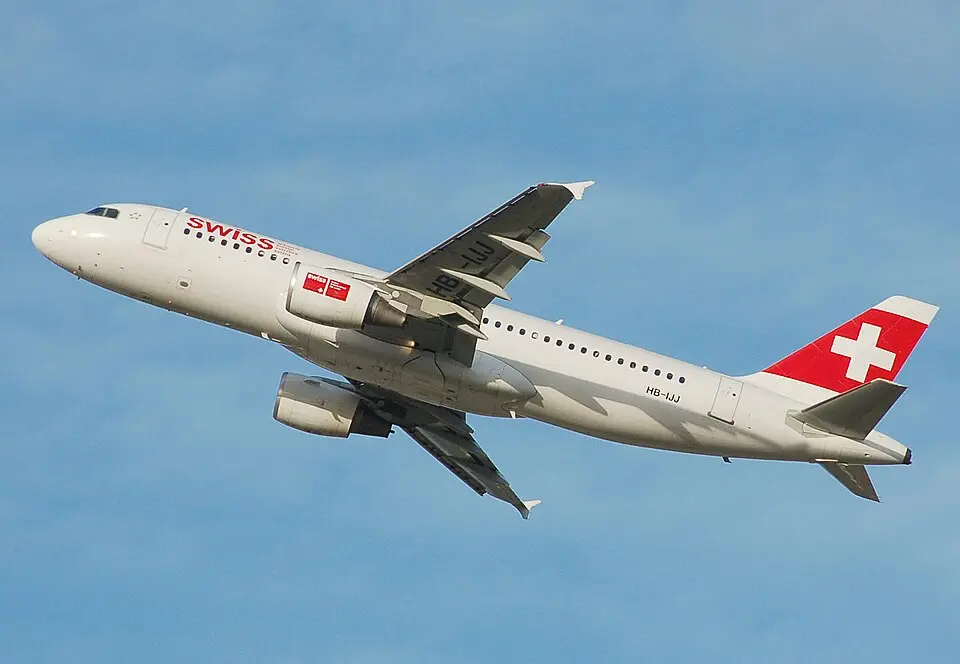
Because flight-control safety depends on redundant computers cross-checking each other, regulators and Airbus are conservative: if one ELAC variant is suspect, operators must ensure no aircraft flies with a mix of suspect and serviceable parts that could defeat redundancy. That systemic safety reasoning drives physical replacement mandates rather than a lighter software-only approach. (See EASA AD and Airbus service instructions.)
7. Bottom line — safety, certification and hardware realities make some fixes physical, not digital
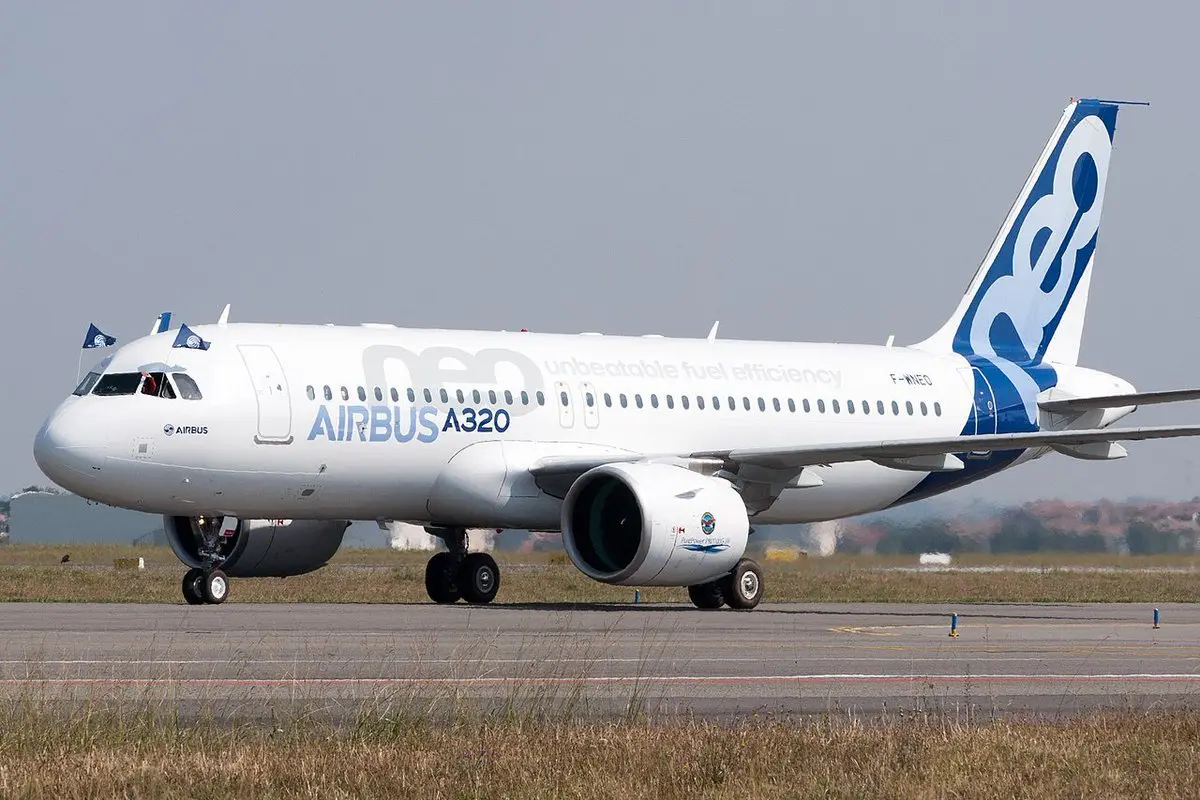
Technically, software is faster; practically, safety and certification mean some ELACs must be swapped to a validated hardware/firmware state before flight. The result: many aircraft will be quickly back in service with a software rollback, but a defined subset will remain grounded longer while ELAC units are replaced or upgraded, a distinction Airbus, EASA and airlines all emphasise.
)
)
)
)
)