Why scientists want a ‘Voyager 3’ mission?

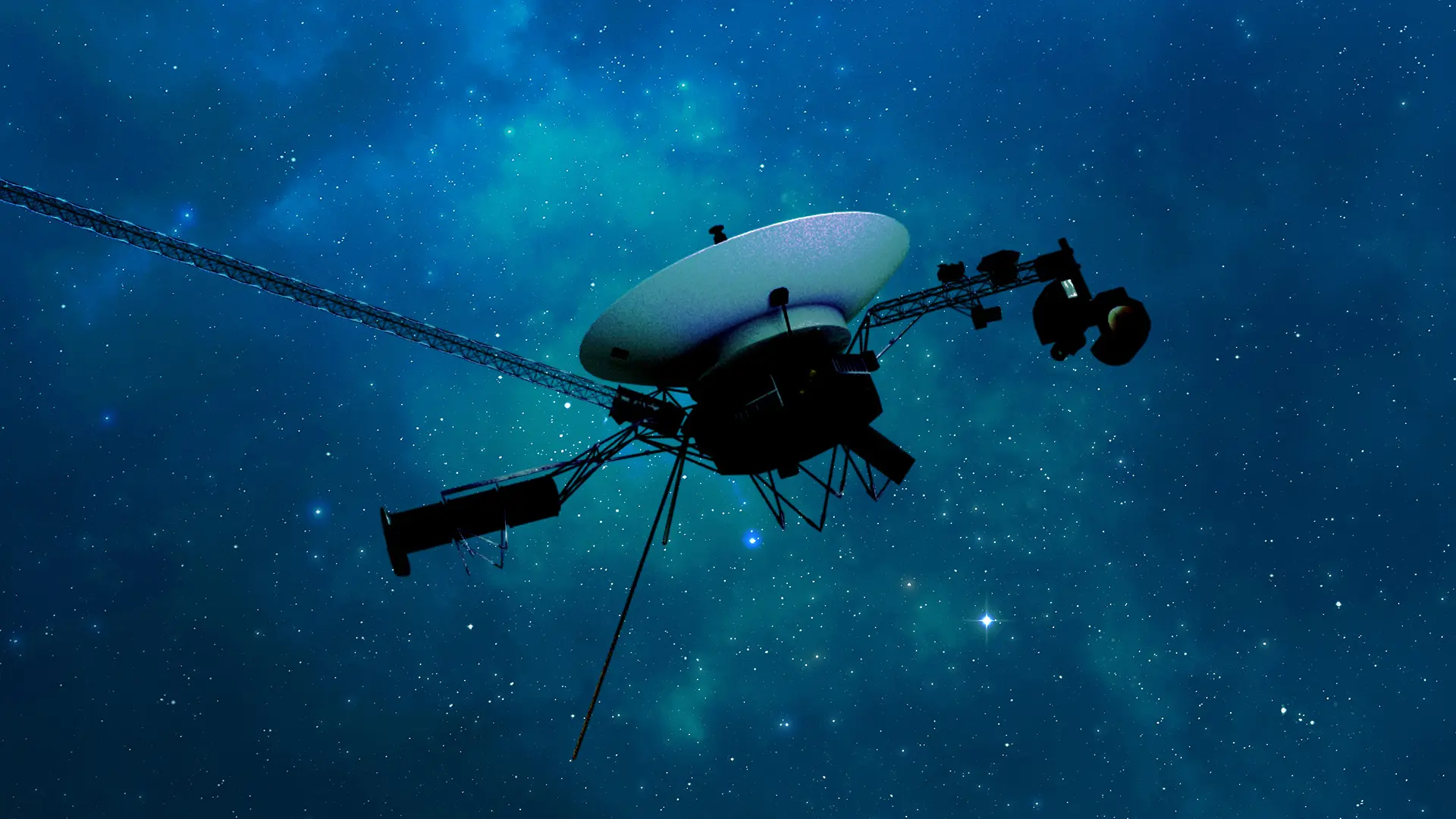
Voyager 3 could serve as a pathfinder, mapping the hazards and opportunities of interstellar space for the next generation of explorers.
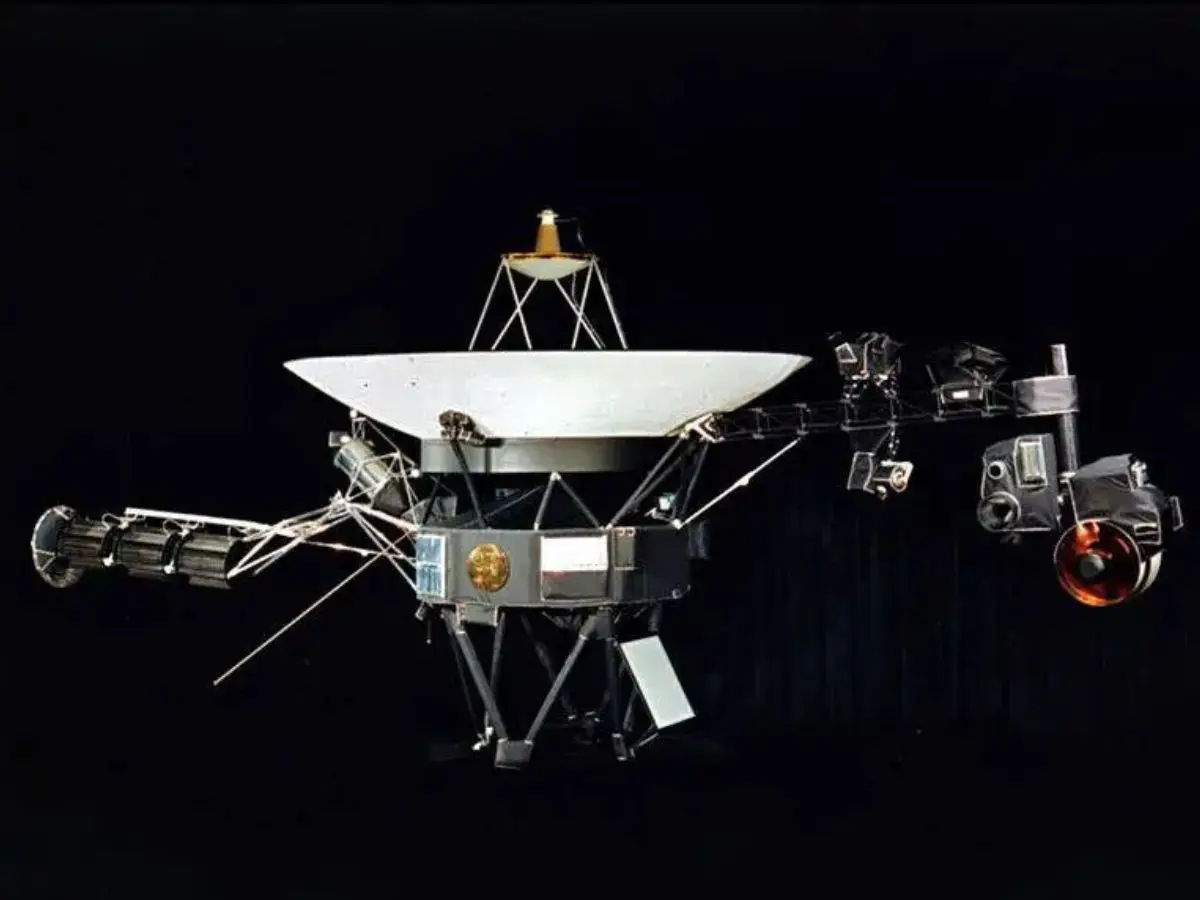
Voyager’s Legacy Still Shapes Space Science
The twin Voyager spacecraft, launched in 1977, gave us humanity’s first close-up views of Jupiter, Saturn, Uranus, and Neptune. Beyond that, they entered interstellar space, sending back data about cosmic radiation and magnetic fields that no other spacecraft has ever recorded. Scientists see these discoveries as unfinished business. A new Voyager, often imagined as “Voyager 3,” would build on that foundation and continue exploring the cosmic frontier.
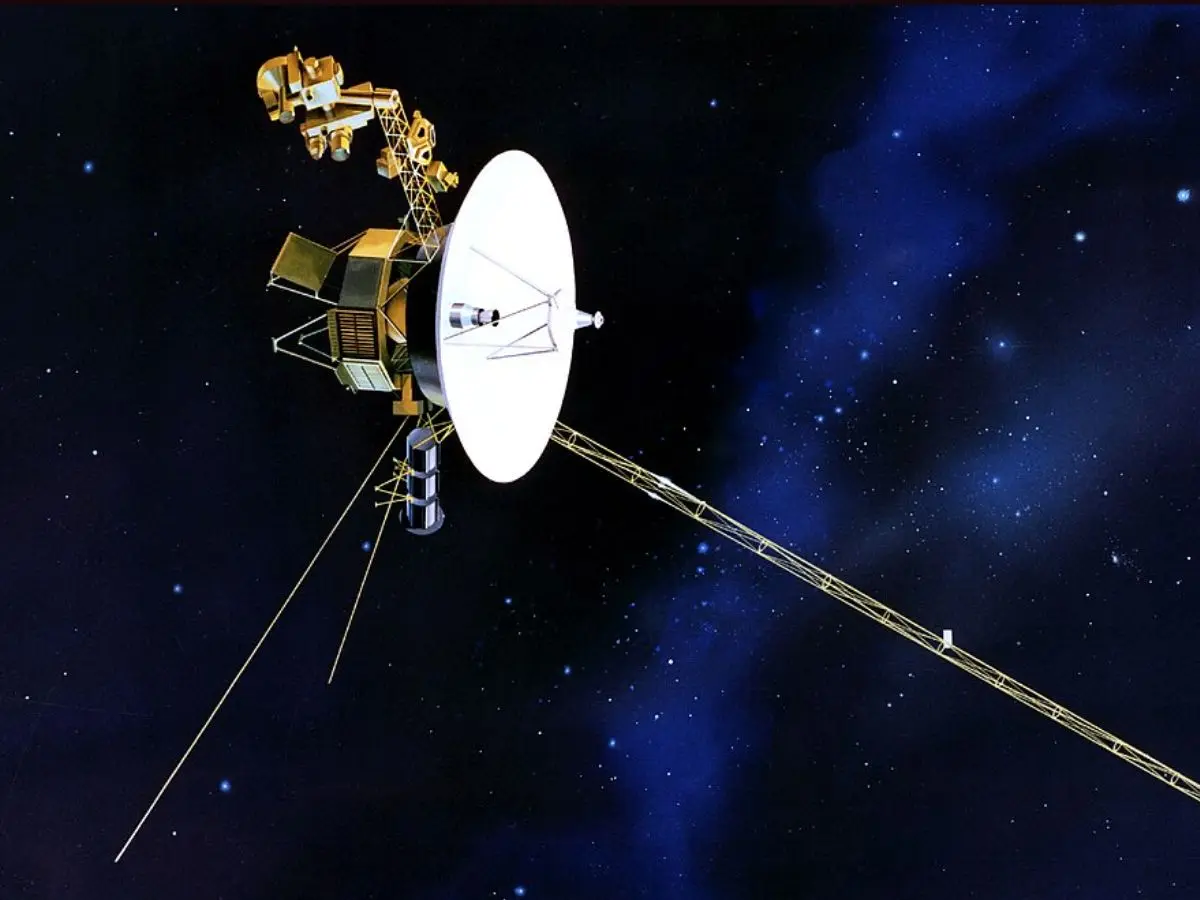
Technology Has Leapt Forward Since 1977
Voyager 1 and 2 were launched using technology from the 1970s: tape recorders for data, radio transmitters weaker than a car headlight, and instruments that now seem primitive. Today, advanced sensors, AI-based navigation, faster computers, and nuclear batteries with longer lifespans could make Voyager 3 vastly more capable. A new mission could do what Voyager never could, map interstellar plasma in detail, capture sharper images, and transmit richer data back to Earth.
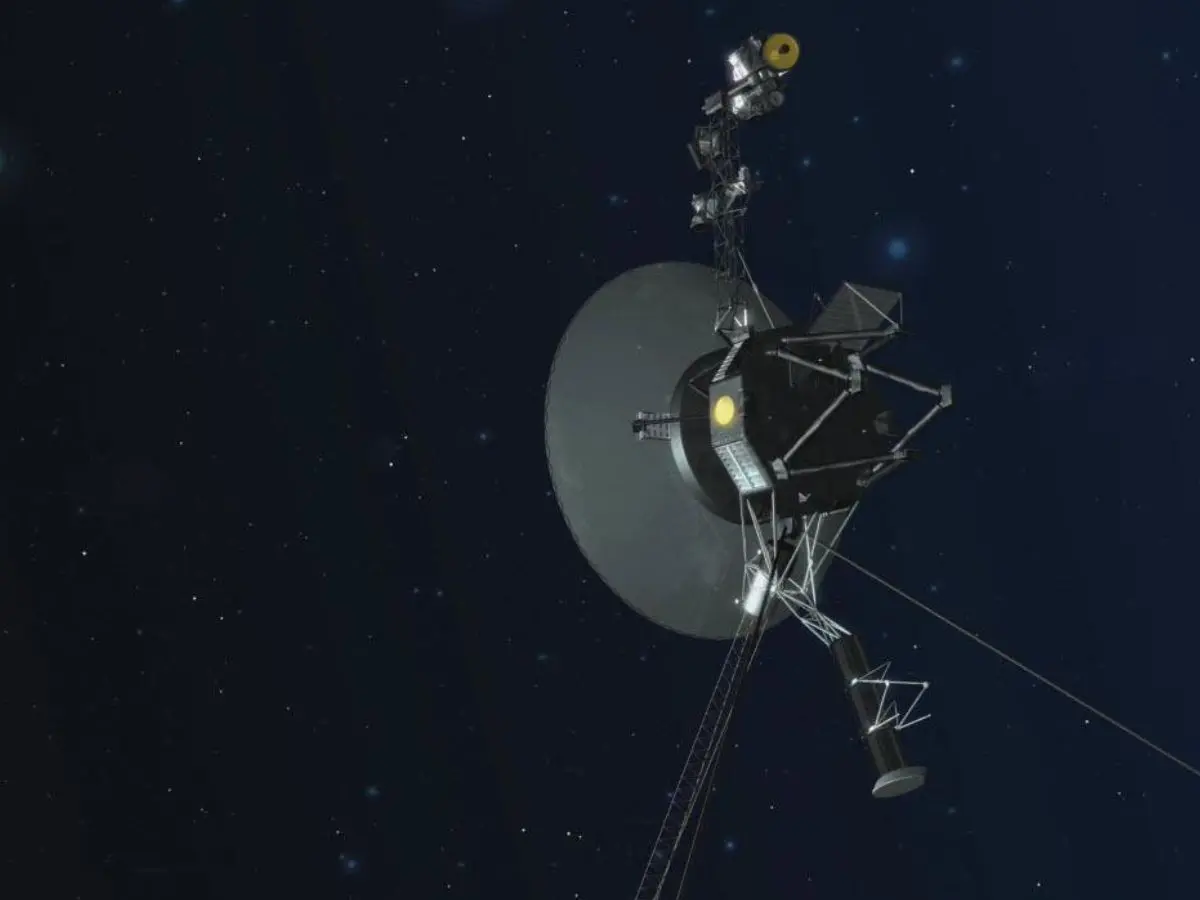
The Need to Study the Interstellar Medium
Both Voyagers are now sampling the edge of interstellar space, but their instruments were never designed for that environment. Voyager 3 could be custom-built to measure interstellar particles, magnetic fields, and galactic radiation with precision. These readings would answer one of science’s biggest questions: how the Sun’s protective bubble, the heliosphere, interacts with the rest of the galaxy.
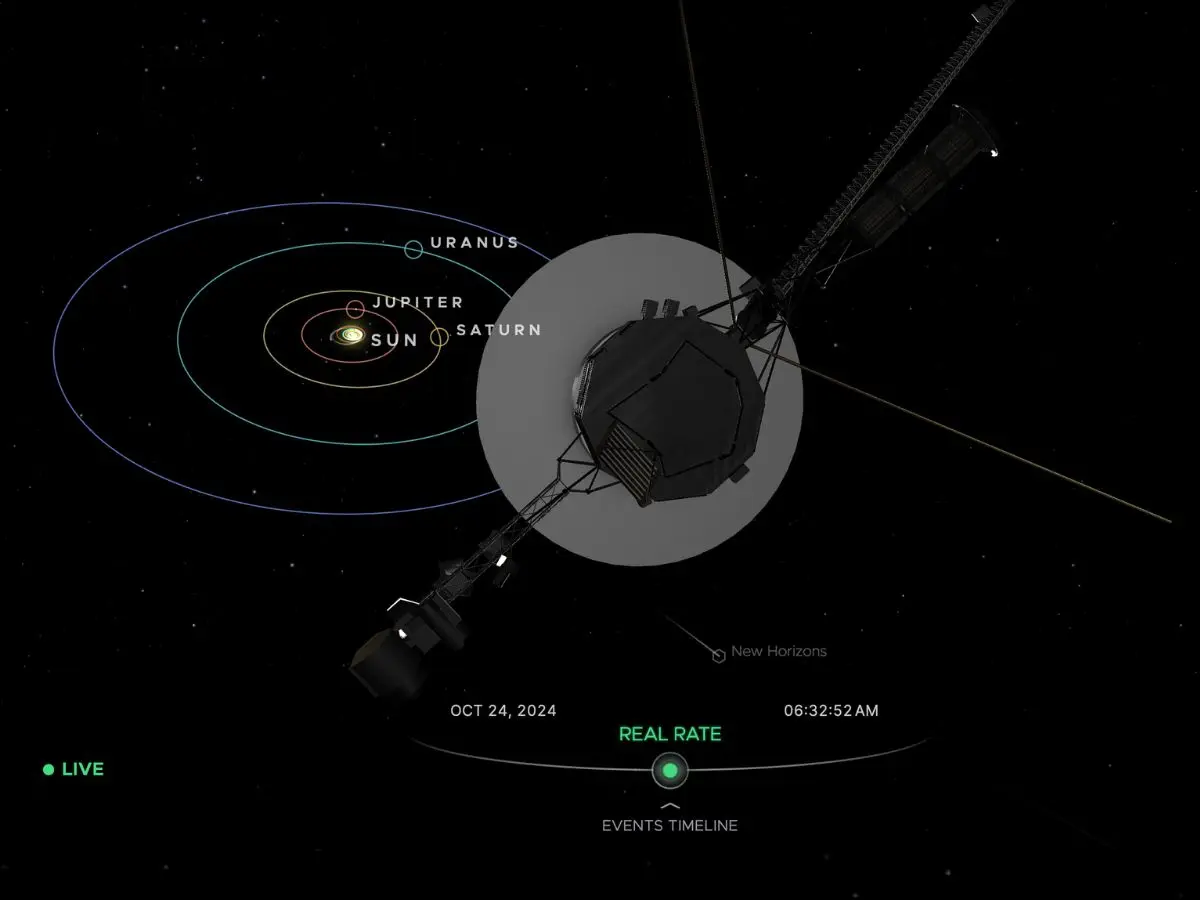
Preparing for Future Interstellar Travel
A Voyager 3 mission wouldn’t just be about science, it would be about preparation. If humans ever send probes or even crewed missions beyond our Solar System, understanding the environment beyond the heliosphere will be critical. Voyager 3 could serve as a pathfinder, mapping the hazards and opportunities of interstellar space for the next generation of explorers.
A New “Golden Record” for Humanity
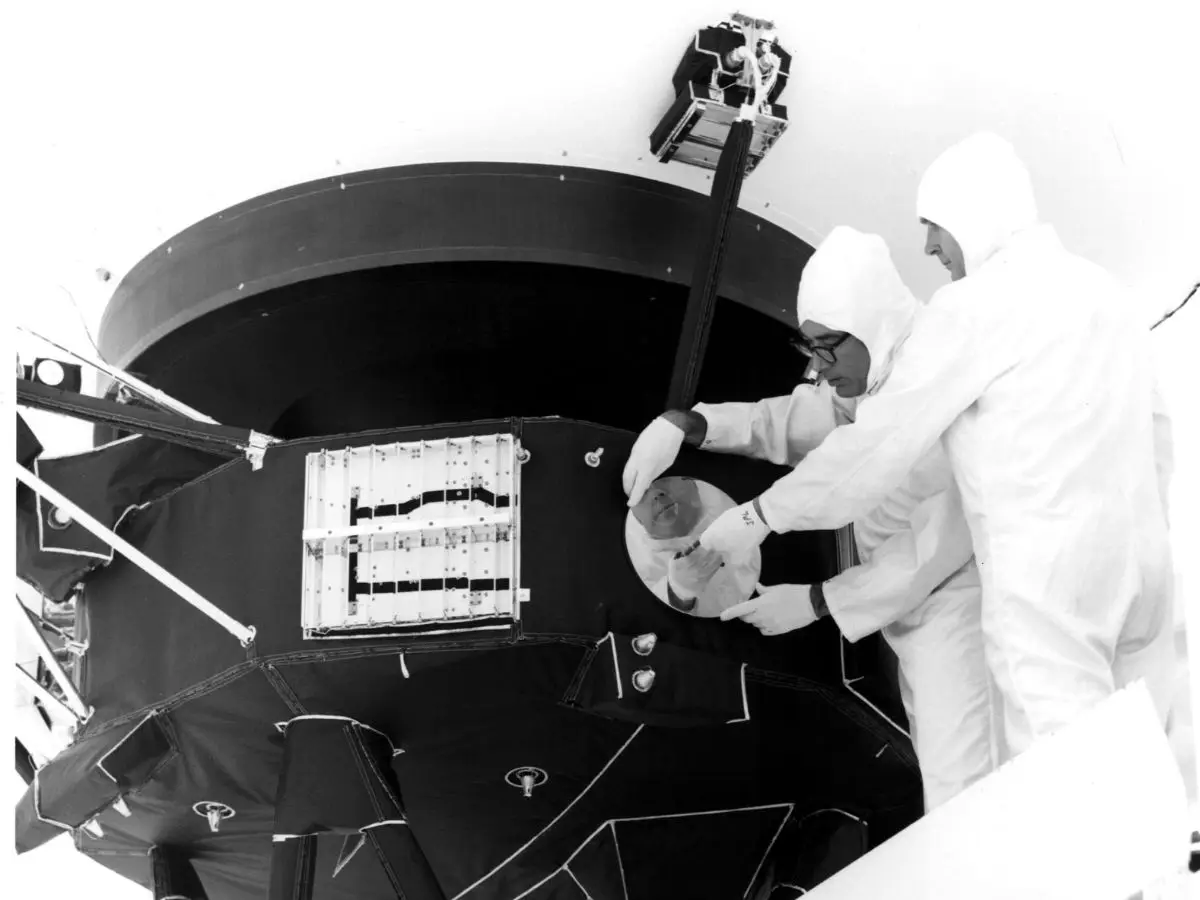
Voyager’s Golden Record is one of the most iconic symbols of human culture in space. Scientists and cultural thinkers argue that Voyager 3 should carry a new version, updated with digital archives of humanity’s art, music, knowledge, and maybe even AI-driven messages for extraterrestrials. It would be both a science mission and a cultural statement about who we are today, nearly 50 years after the first record left Earth.
Timing Is Critical
Launching a Voyager 3 mission soon would take advantage of planetary alignments that happen once every 175 years, making it easier to slingshot past the outer planets and gain speed toward interstellar space. Missing that window would mean waiting decades. For many scientists, this is the most compelling reason to act now: if humanity doesn’t launch Voyager 3 in this generation, the chance may not come again for a lifetime.
)
)
)
)
)