Why scientists call Voyager’s 'Firewall' the solar system’s border checkpoint?

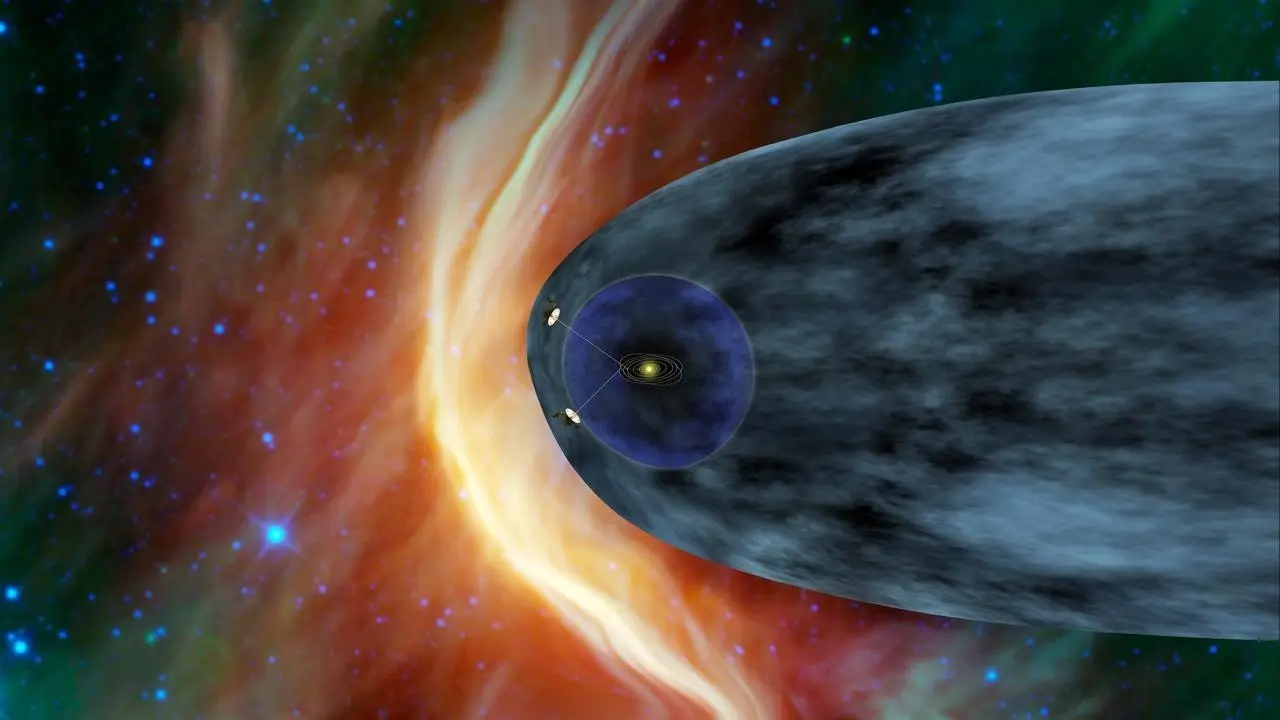
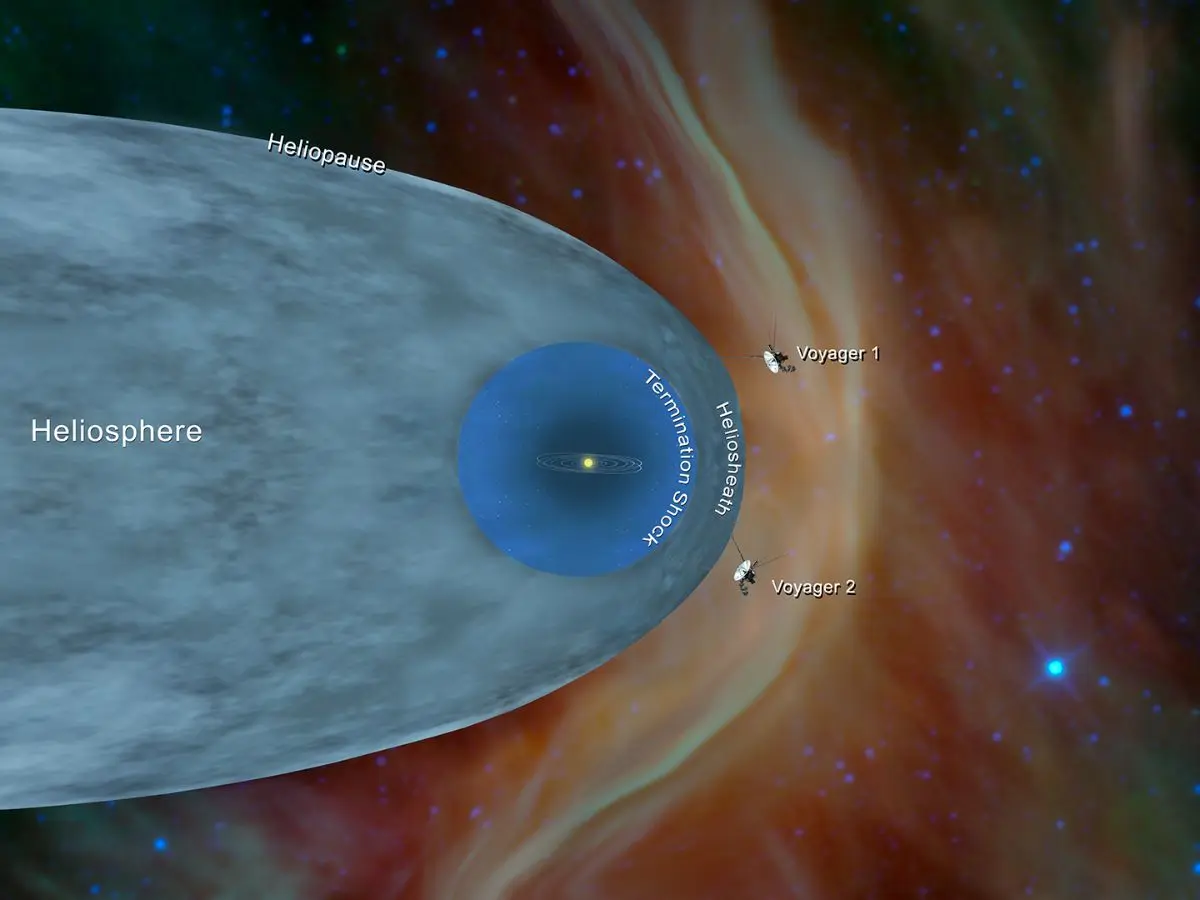
The firewall separates the Sun’s solar wind bubble (heliosphere) from the interstellar medium. Scientists see it as a border checkpoint, marking the point where solar control ends.
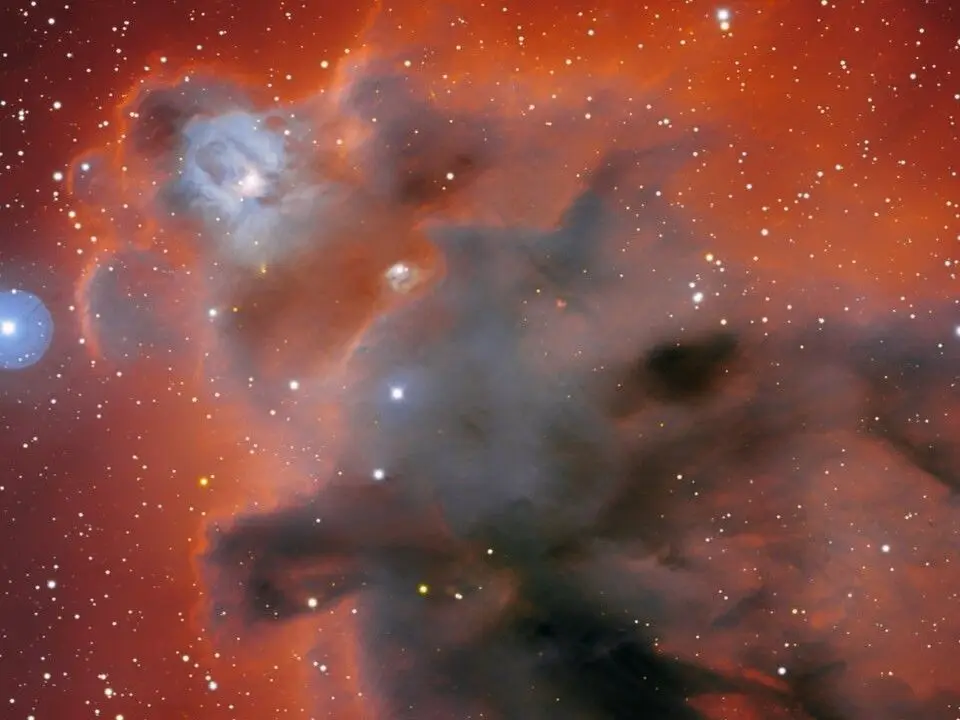
The Solar Boundary
Voyager 1 and 2 crossed the heliopause, the outermost edge of the Solar System’s influence. This is where the solar wind slows and collides with interstellar plasma.
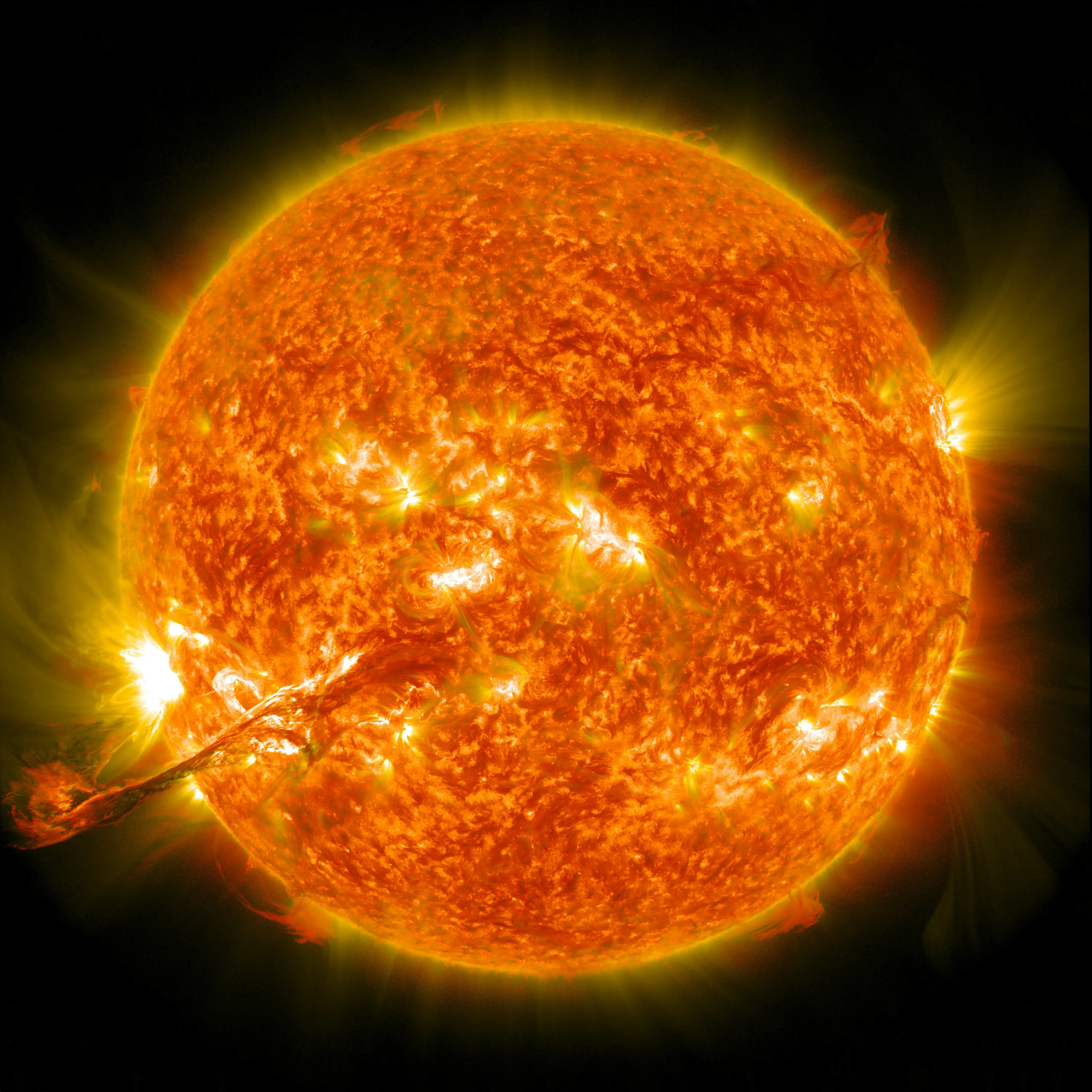
The Firewall Zone
At this boundary, Voyager detected a rise in plasma density and magnetic fields, which scientists nicknamed the “firewall.” It acts like a transition zone rather than a wall of flames.
A Natural Border
The firewall separates the Sun’s solar wind bubble (heliosphere) from the interstellar medium. Scientists see it as a border checkpoint, marking the point where solar control ends.
Filtering Cosmic Rays
This boundary slows and deflects some cosmic radiation, preventing the inner planets from being fully exposed. Like a checkpoint, it screens what enters the Solar System.
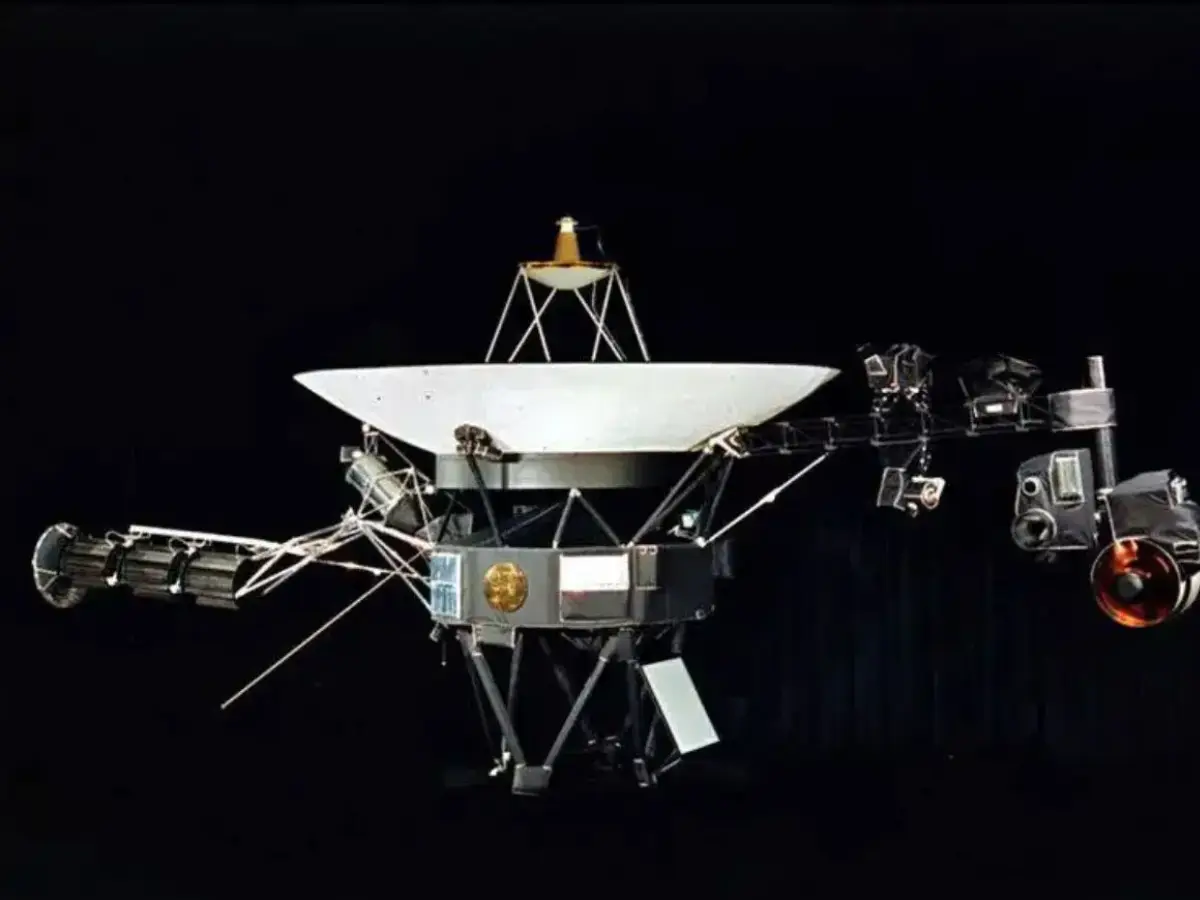
Voyager’s Passport Through
When Voyager crossed, it provided direct measurements of this frontier for the first time. Its data confirmed that the firewall is not a barrier but a transition zone between two cosmic regions.
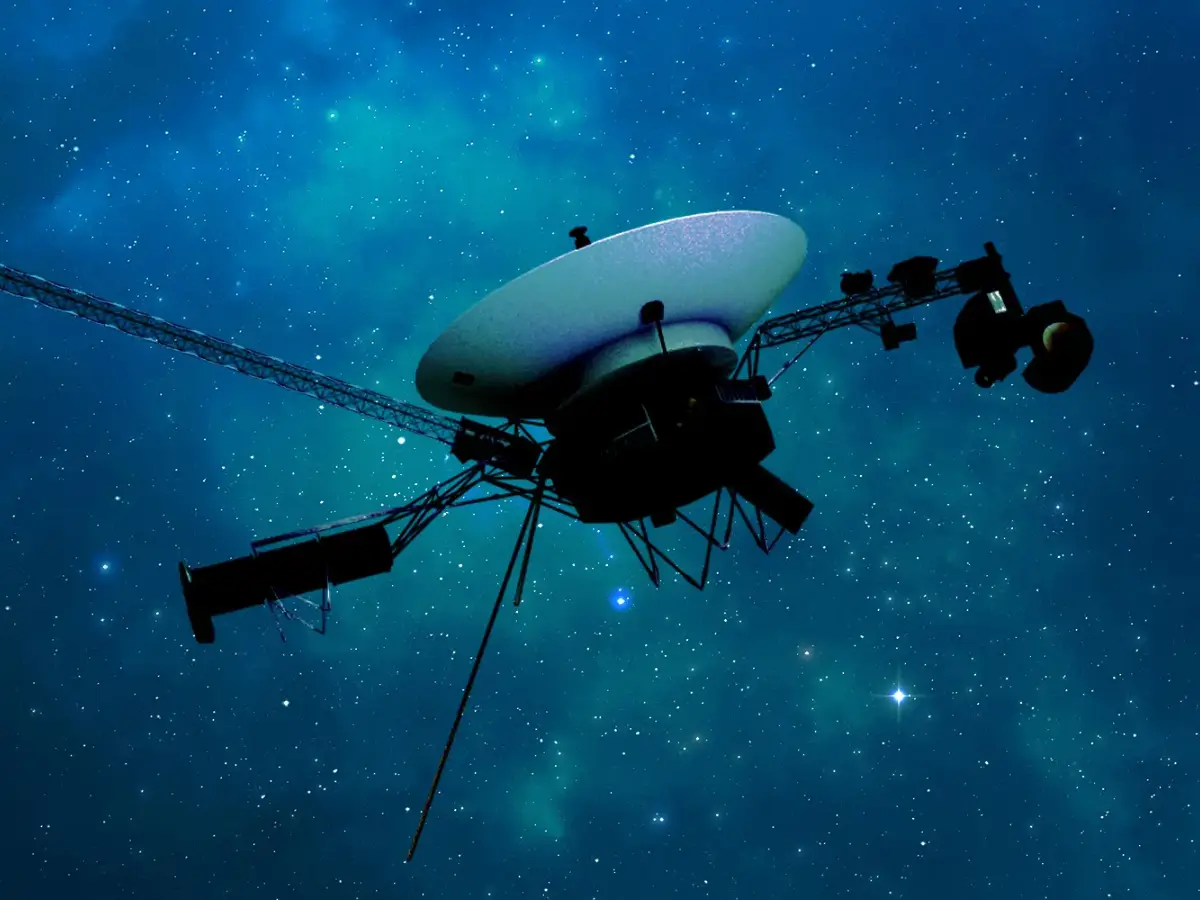
Constantly Shifting Line
The firewall border is not fixed. Its position changes depending on the strength of the solar wind, making it more like a flexible checkpoint than a permanent fence.
Why the Term Matters
By calling it a border checkpoint, scientists help explain its role: not as fire, but as a boundary system that marks the end of our Sun’s domain and the beginning of interstellar space.
)
)
)
)
)