Why S-500 uses cold-launch technology

S-500 uses cold-launch to eject missiles pneumatically before engine ignition, enabling four-second response time engaging 10 simultaneous targets at 600 km range. Protects truck chassis from exhaust damage.
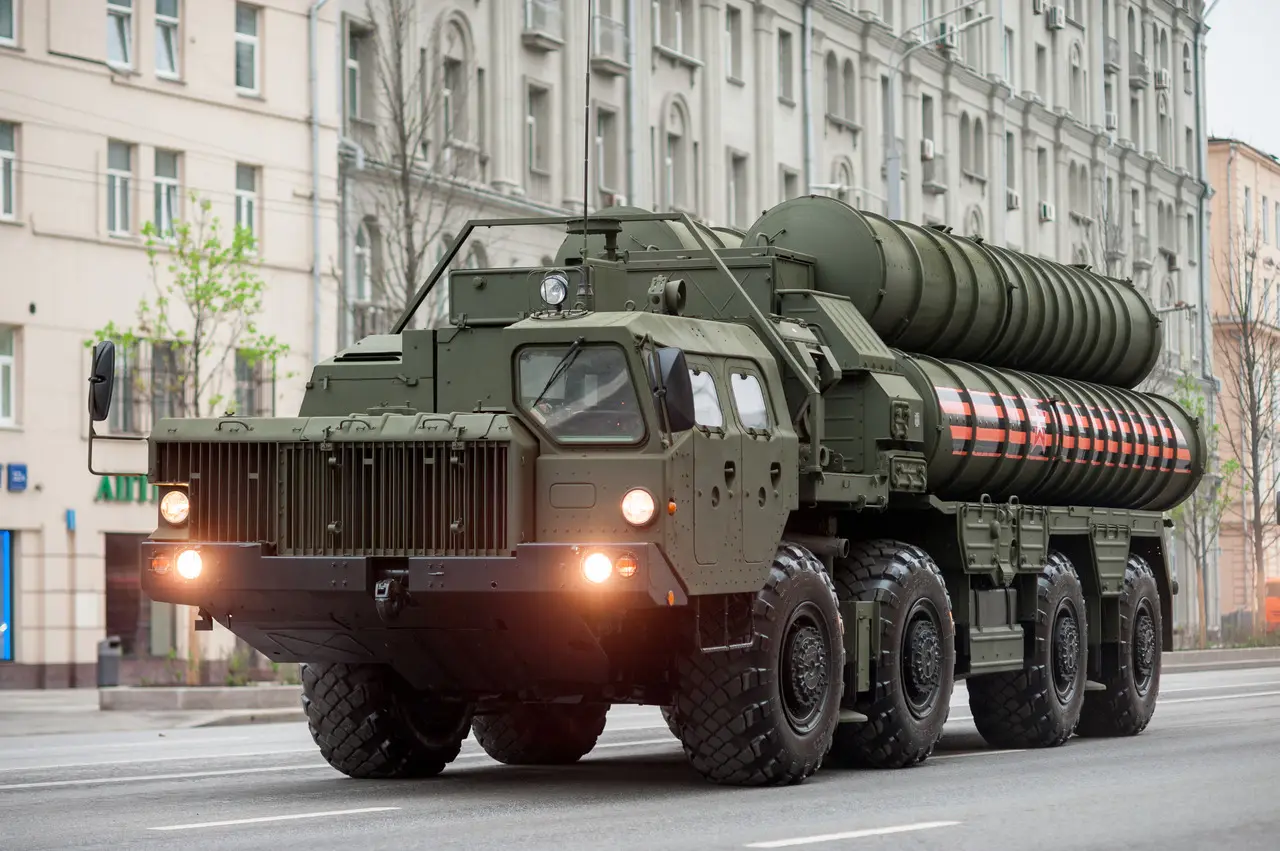
Cold-Launch Technology Fundamentals Explained
S-500 cold-launch technology ejects missiles from vertical tubes using pneumatic pressure or gas generators before rocket engines ignite at altitude. Traditional hot-launch systems fire rocket motors inside tubes, creating extreme exhaust temperatures exceeding 2,000°C that damage launcher trucks permanently. Cold-launch separates these processes, allowing missiles to exit clean tubes and activate engines safely above ground level. This method reduces launcher maintenance costs, extends equipment lifespan, and eliminates rapid tube degradation typical with hot-launch systems used on S-300 and S-400 variants.
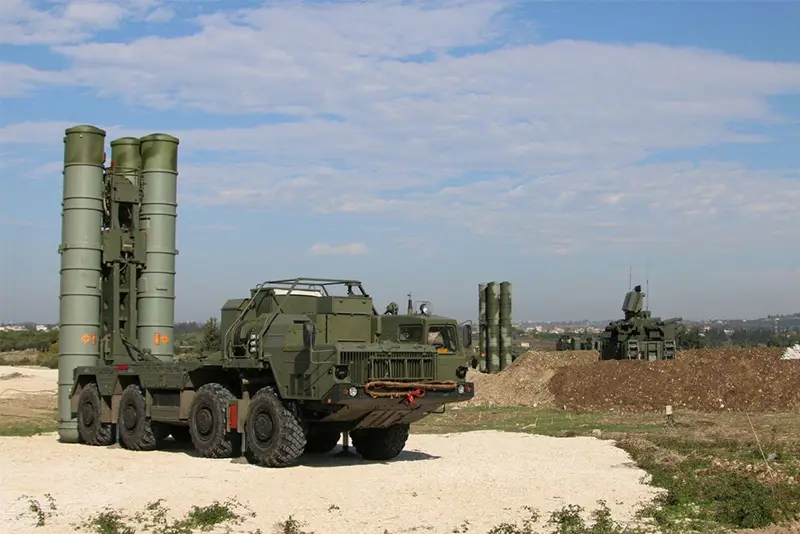
Vertical Launch Tube Configuration: Four or Two Missiles
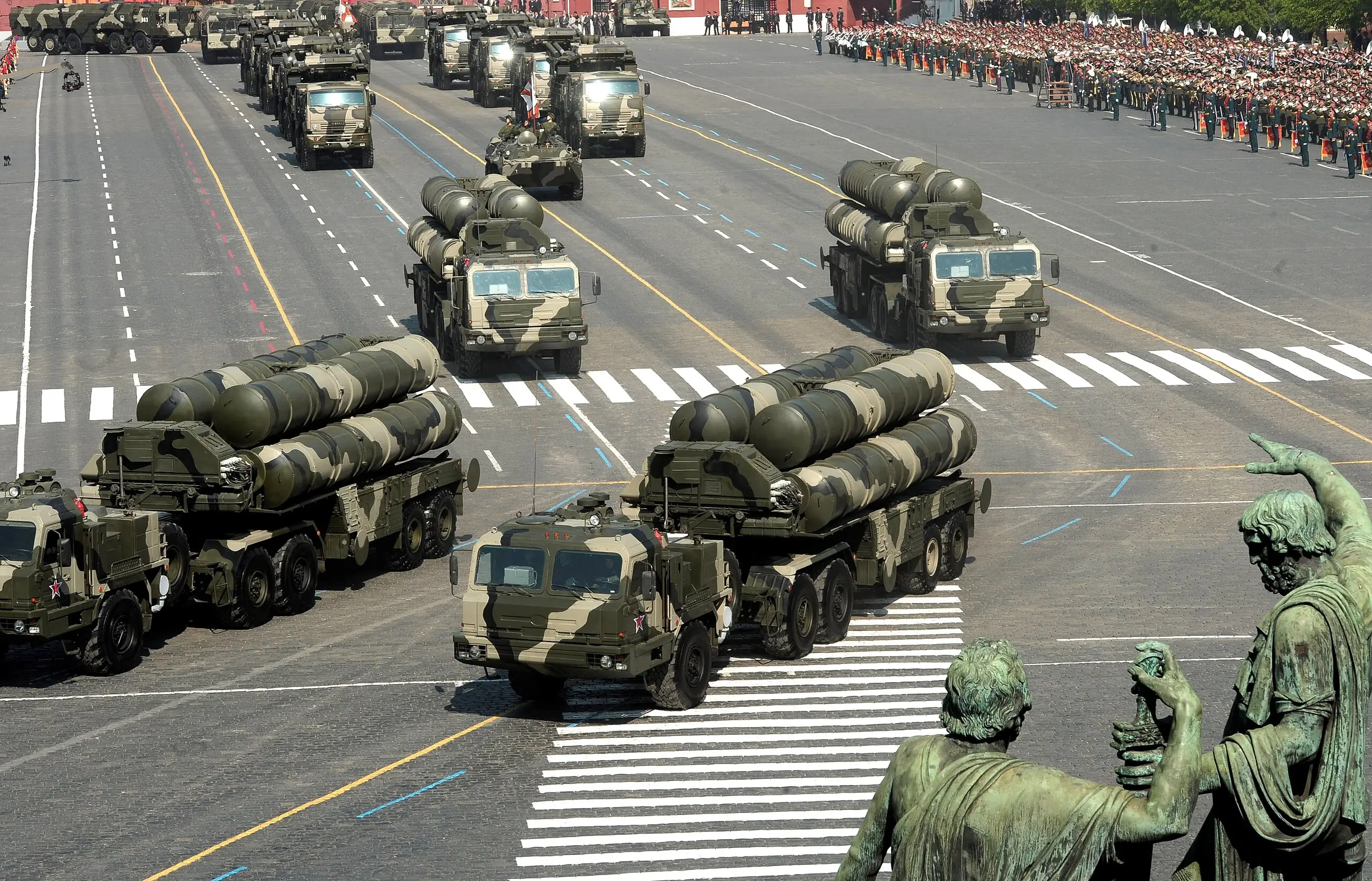
S-500 launch vehicles mount either four 40N6M air-breathing missiles or two 77N6 ballistic interceptors in vertical tubes. The 77P6 launch vehicle based on BAZ-69096 10x10 truck carries these vertically-oriented canisters. Vertical orientation enables rapid target engagement across all altitudes and directions without requiring launcher rotation. The rigid mounting absorbs shock and mitigates vibrations during acceleration. Vertical launch tubes decrease target acquisition-to-launch time dramatically compared to angled or horizontal launchers, critical for intercept scenarios involving hypersonic threats.
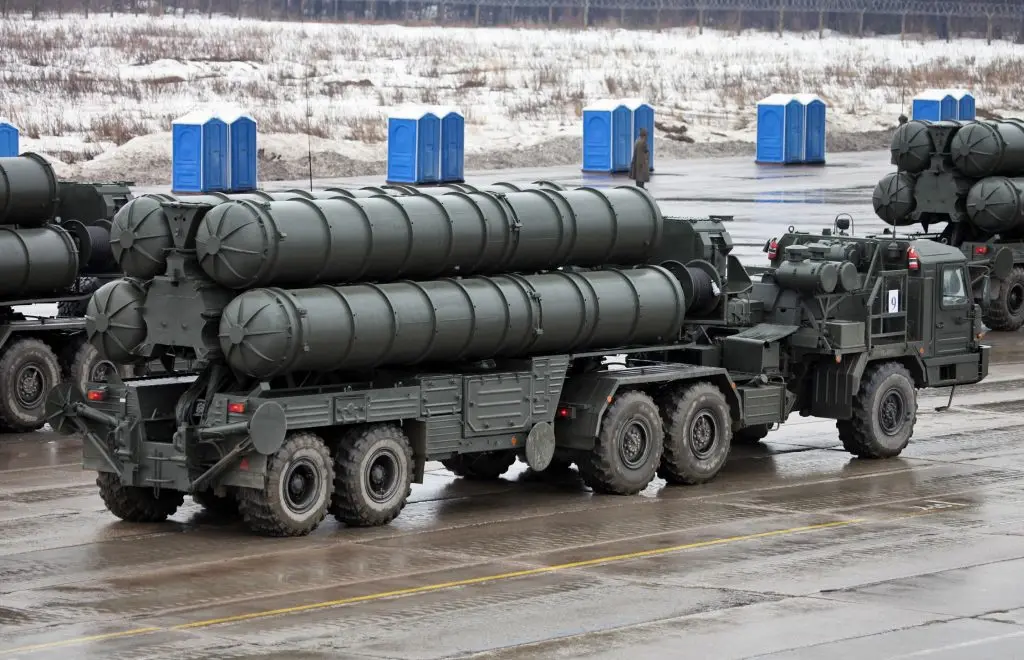
Four-Second Response Time Operational Advantage
S-500 achieves response time under four seconds from target detection to missile launch, significantly faster than previous-generation air-defence systems. Cold-launch technology enables this rapid response by eliminating mechanical launcher repositioning requirements. Once targets are detected by radar complex operating at 2,000 kilometre range, fire control systems compute intercept geometry whilst missiles remain vertically-aligned and launch-ready. This four-second capability proves critical against hypersonic threats travelling at speeds exceeding Mach 20, which require instantaneous defensive reactions.
Simultaneous Multi-Target Engagement: Ten Targets
S-500 can detect and simultaneously engage up to ten ballistic missile warheads or hypersonic targets flying at speeds reaching 7 kilometres per second. Cold-launch technology permits rapid sequential firing of missiles whilst maintaining targeting accuracy for each individual threat. Fire control systems distribute engagement priority based on threat assessment, altitude, and approach vector. This simultaneous engagement capability represents a significant advancement over S-400 systems limited to fewer concurrent targets, providing enhanced protection for strategic installations and military forces across broader geographical areas.
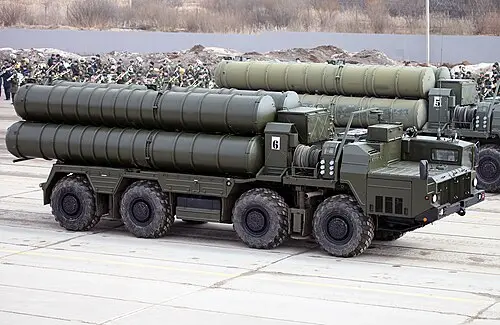
Pneumatic Gas Generation System Propels Missiles
Cold-launch uses pressurised gas-either compressed air or chemical gas generators - to eject missiles vertically at velocities approximately 100-150 metres per second. This pneumatic propulsion system operates independently from main rocket engines, which ignite only after missiles clear launcher tubes and attain sufficient altitude. Gas generators produce thrust through combustion reactions contained within sealed systems, eliminating exhaust exposure inside tubes. This separation permits safe launcher vehicle operation in proximity to fuel supplies and electrical systems without thermal damage risk typical with hot-launch systems.
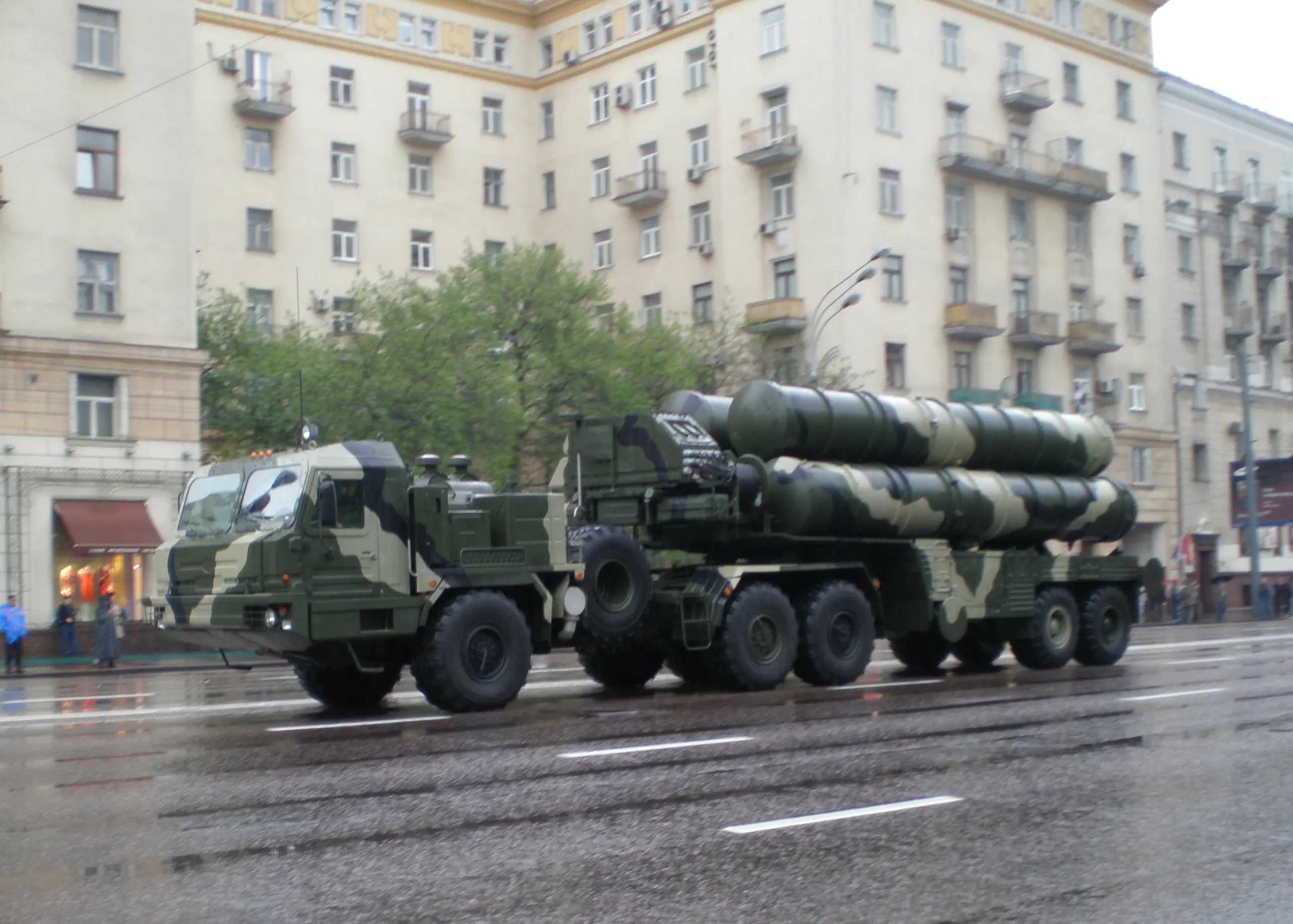
Detection Range 2,000 km Versus Launch Range 600 km
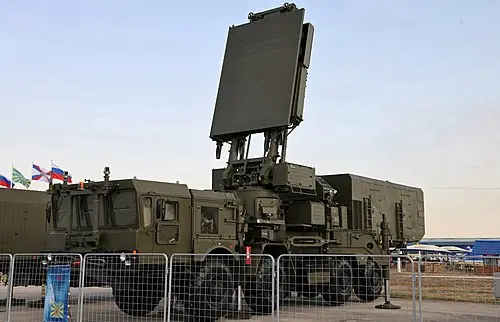
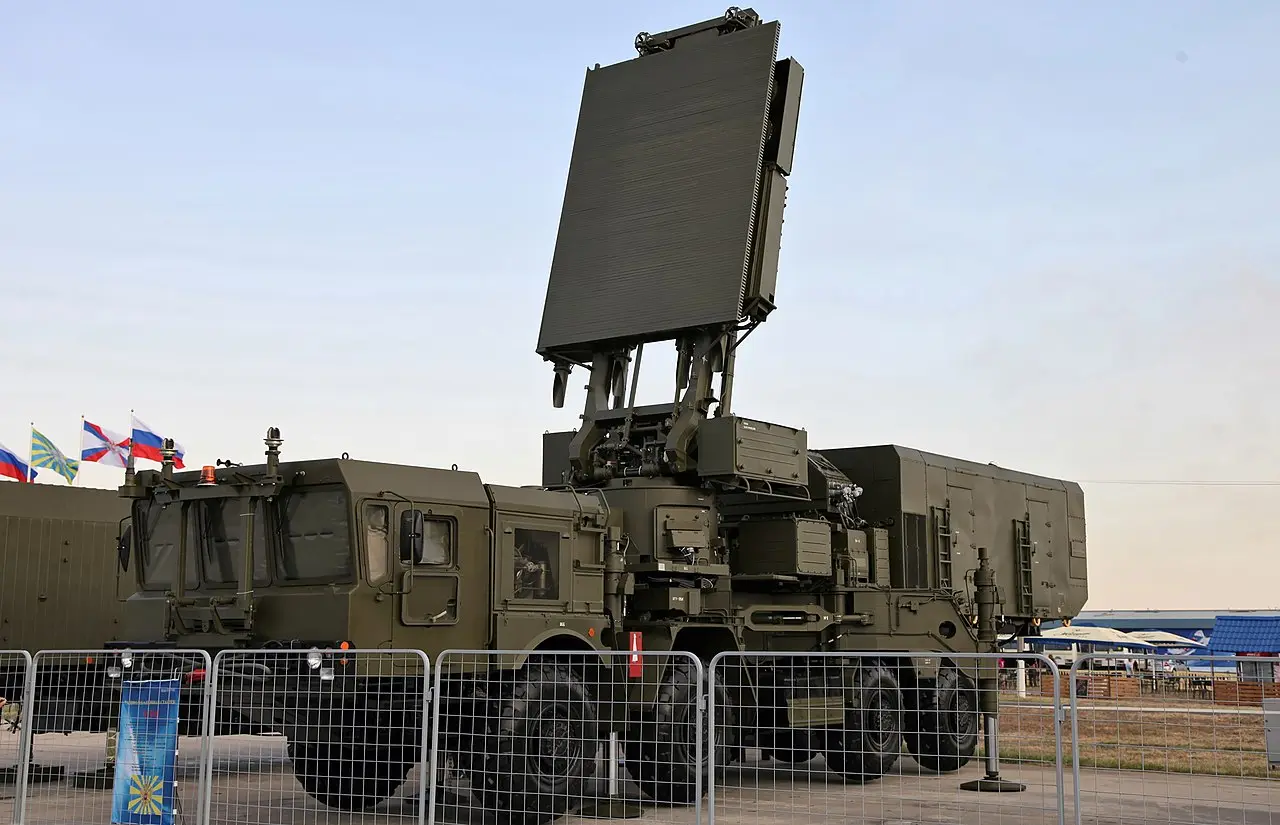
S-500 radar complex detects ballistic missiles and aircraft at ranges reaching 2,000 kilometres, far exceeding the engagement range of 600 kilometres for anti-ballistic missiles or 500 kilometres for air-defence roles. This range asymmetry permits strategic early warning and force deployment decisions based on incoming threat trajectories detected at extreme distances. Cold-launch technology enables rapid fire control transitions once threats enter the 600 kilometre engagement envelope. The 91N6E(M), 96L6-TsP, 76T6, and 77T6 radar vehicles provide comprehensive target acquisition across threat spectrum.
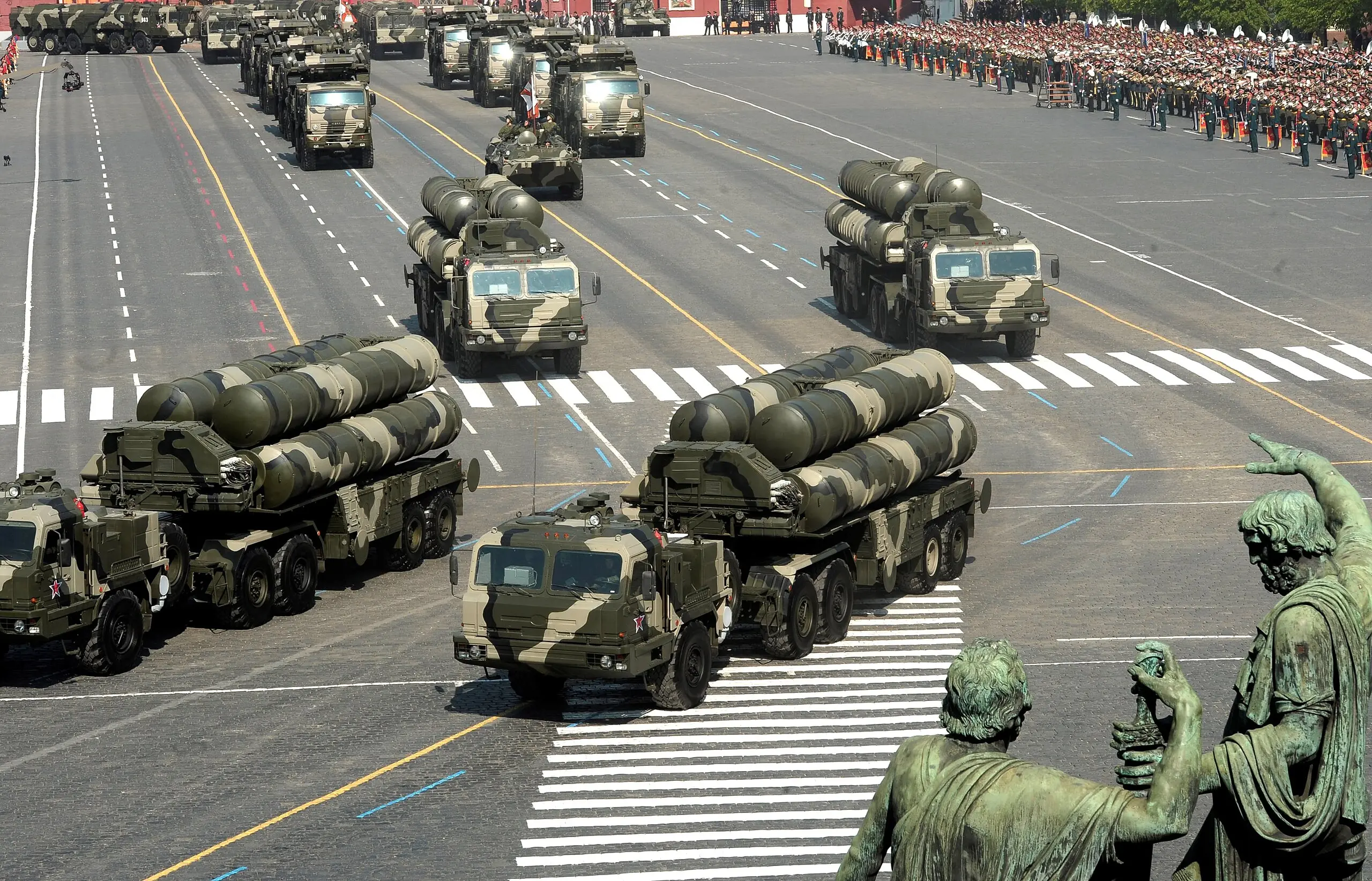
Altitude Capability Reaches 200 Kilometres Exospheric Zone
S-500 interceptors reach altitudes up to 200 kilometres, enabling engagement of targets within exospheric space where low-orbit satellites and aerospace vehicles operate. Cold-launch vertical orientation combined with advanced 77N6 ballistic interceptors achieves this extreme altitude performance. Traditional air-defence systems operate within tropospheric and lower stratospheric altitudes below 50 kilometres. S-500's space-defence capability positions Russia ahead in anti-satellite warfare technology, countering emerging threats from orbital reconnaissance and communications platforms.
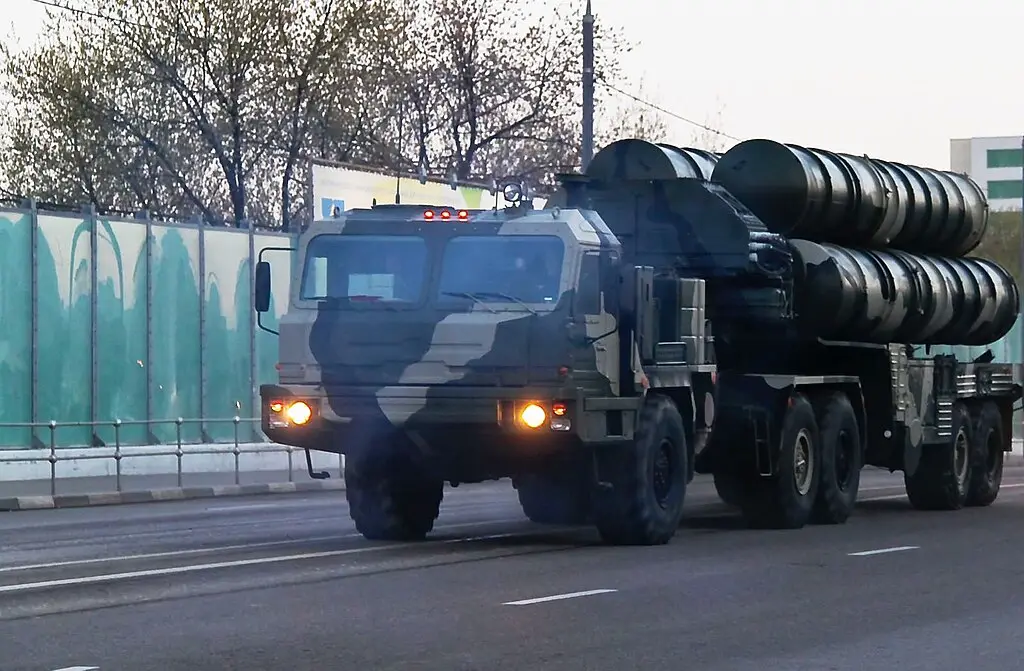
Kinetic Hit-to-Kill Interception Method
S-500 employs kinetic hit-to-kill technology where interceptor missiles collide with targets at extreme velocities, destroying threats through impact force alone without explosive warheads. This method contrasts traditional proximity-fused warhead systems relying on detonation and fragmentation. Kinetic interception permits precise targeting with minimal collateral damage, critical for defending populated areas. Cold-launch technology ensures interceptors achieve optimal velocity profiles for kinetic kill effectiveness through initial pneumatic boost followed by continuous rocket acceleration to intercept velocities exceeding 7 kilometres per second.
40N6M and 77N6 Miss40N6M and 77N6 Missile Series Specificationsile Series Specifications
S-500 fires two primary interceptor types: 40N6M series against aircraft and cruise missiles reaching 400 kilometre range, and 77N6 ballistic interceptors reaching 600 kilometre range for anti-ballistic missile roles. Cold-launch technology accommodates both missile series within identical vertical tube infrastructure, providing operational flexibility. The 77N6 interceptors represent Russia's latest generation ballistic missile defence weapons specifically designed for hypersonic target engagement. Operational commanders select missile types based on threat classification and engagement geometry in real-time during combat scenarios.
Truck-Based Mobile Launcher Protection Benefits
Cold-launch technology protects the BAZ-69096 10x10 truck-based launcher chassis from rocket exhaust damage typical with hot-launch systems. Hot-launch exhaust reaching 2,000°C or higher degraded truck components including tyres, fuel systems, and electrical infrastructure through thermal radiation and convection heating. Cold-launch eliminates this thermal exposure, extending launcher vehicle operational lifespan and reducing maintenance overhead. Mobile deployment flexibility improves when launch vehicles require fewer repairs between firing missions, enabling rapid repositioning across defensive zones without launcher yard recovery delays.
)
)
)
)
)