Why Russian space suits look so different and what that means in an emergency

Russian and American space suits take very different design. Know how these choices affect astronauts, speed, and survival when things go wrong in orbit. Know more below.
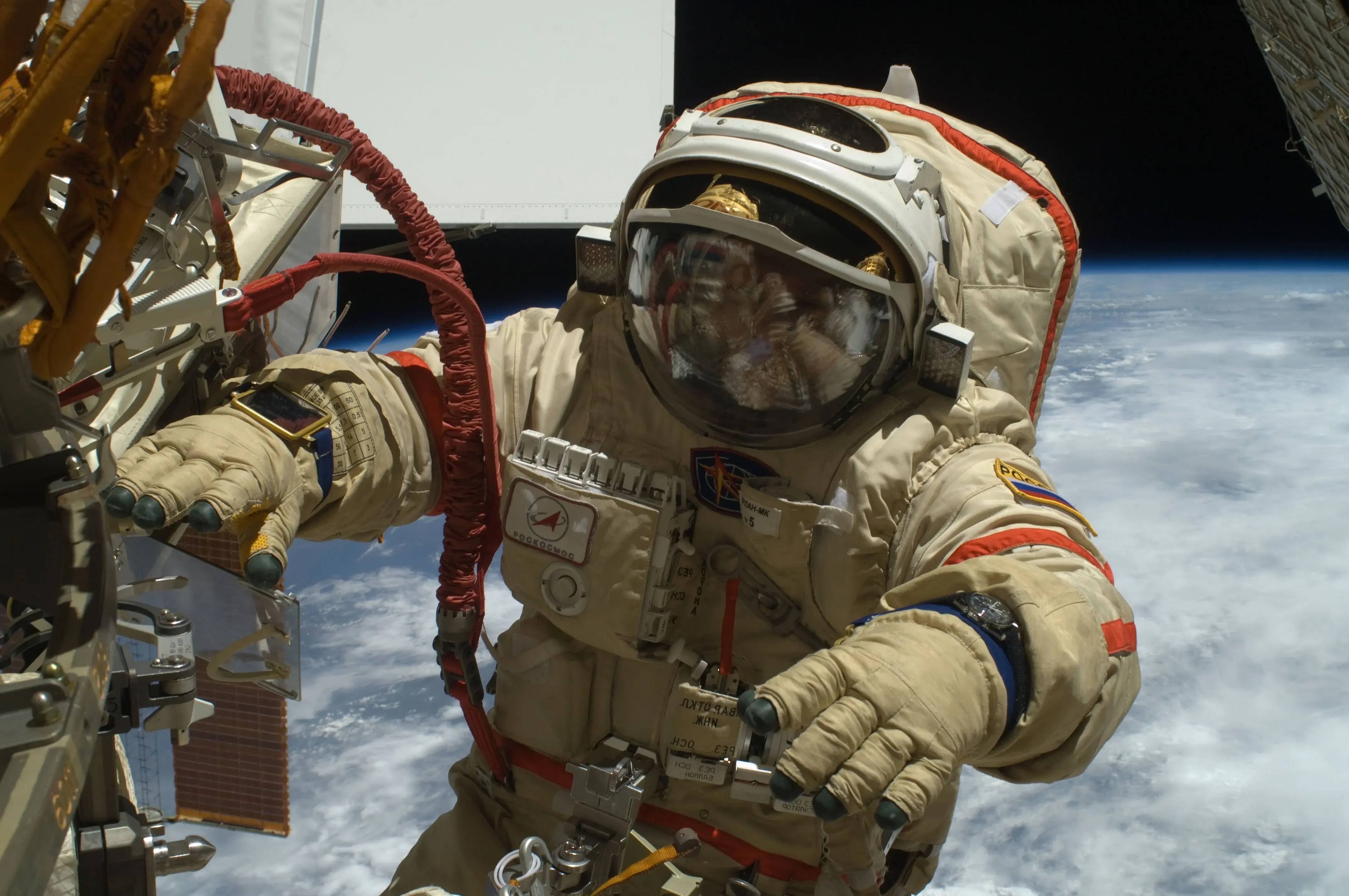
Spacesuits
Russian and American spacesuits are built with different ideas in mind. Russian cosmonauts use two main suits: the Sokol for launch and landing, and the Orlan for spacewalks. Both look and operate differently from NASA’s suits, and these differences shape how emergencies are handled.
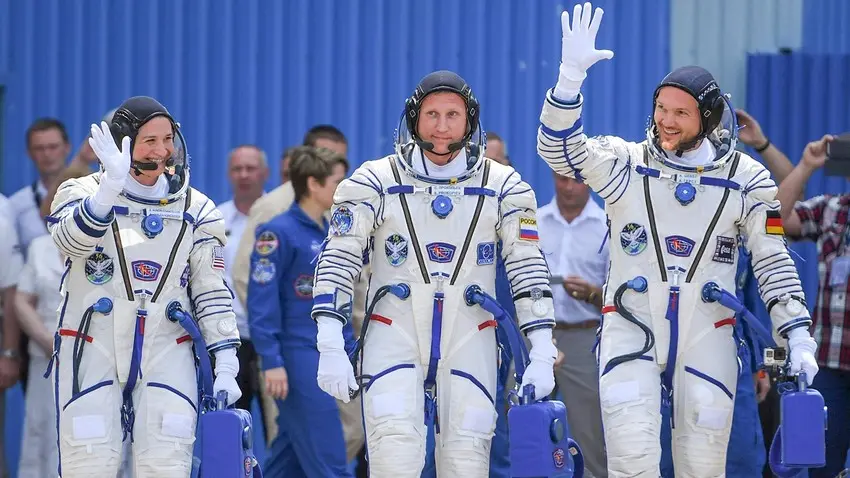
Orlan suit
The Orlan suit, used for Russian spacewalks, is a semi-rigid one-piece suit with a hard torso and flexible arms and legs. It uses a rear hatch that lets cosmonauts step in quickly taking just 5-10 minutes to put on, compared to more than 30 minutes for the NASA suit.
US Extravehicular Mobility Unit
The US Extravehicular Mobility Unit (EMU) is made from many layered parts joined together, each custom-fitted to the astronaut. It is designed for comfort and flexibility but takes longer to don and relies on help from other crew members to get ready.
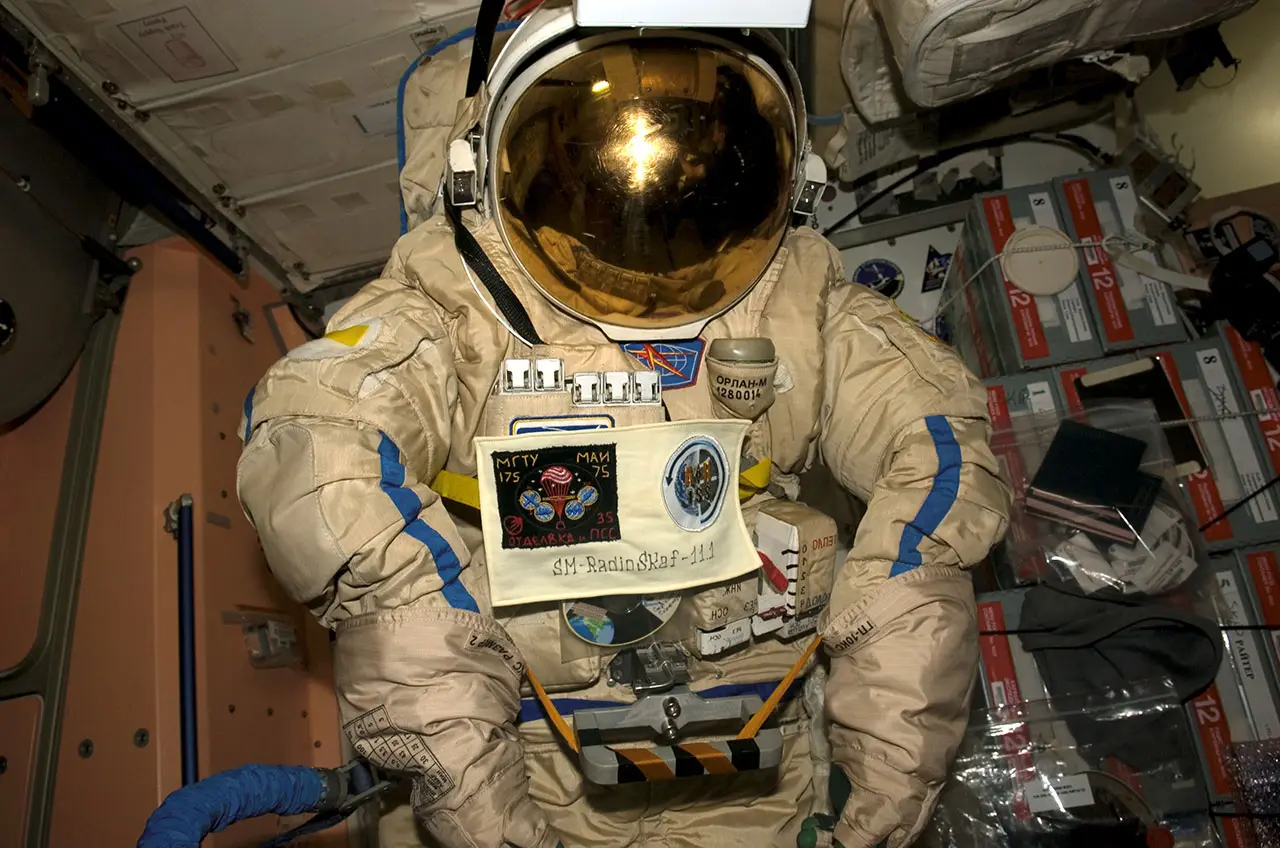
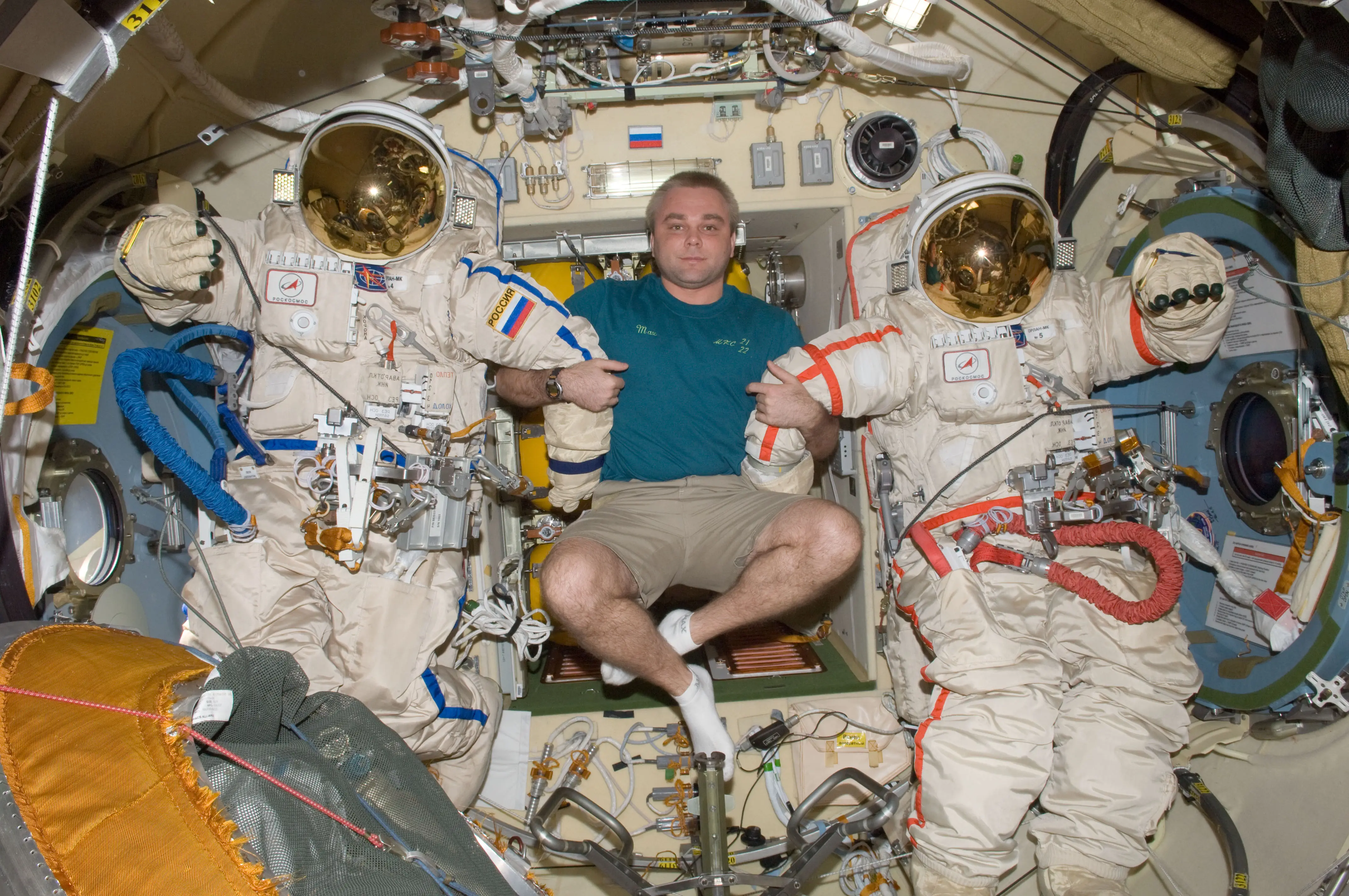
Orlan suits are robust
Orlan suits are robust and have a simple control system built onto the arm, including a display that cosmonauts can check using a mirror on their wrist. If there’s a problem, the Russian design lets a cosmonaut get back inside the spacecraft faster and often without much help.
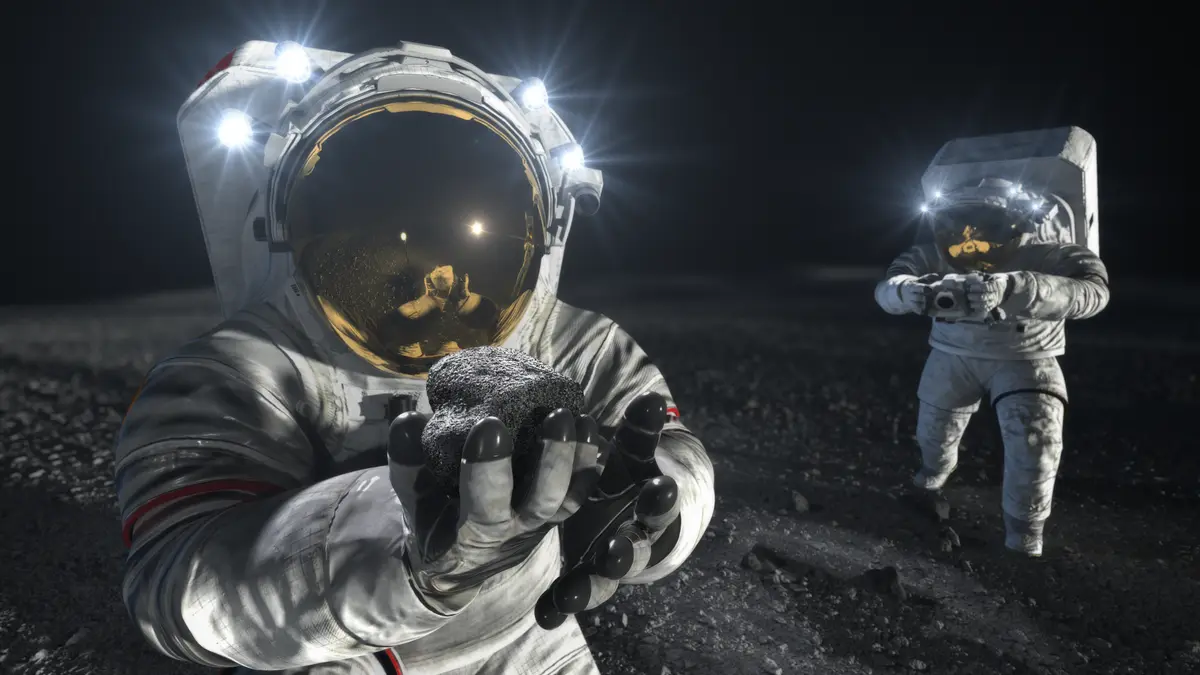
American suits
American suits offer better movement and more advanced features, with digital communications and finer controls. However, their many separate parts mean that even a small fault could complicate a quick escape or repair in an emergency.
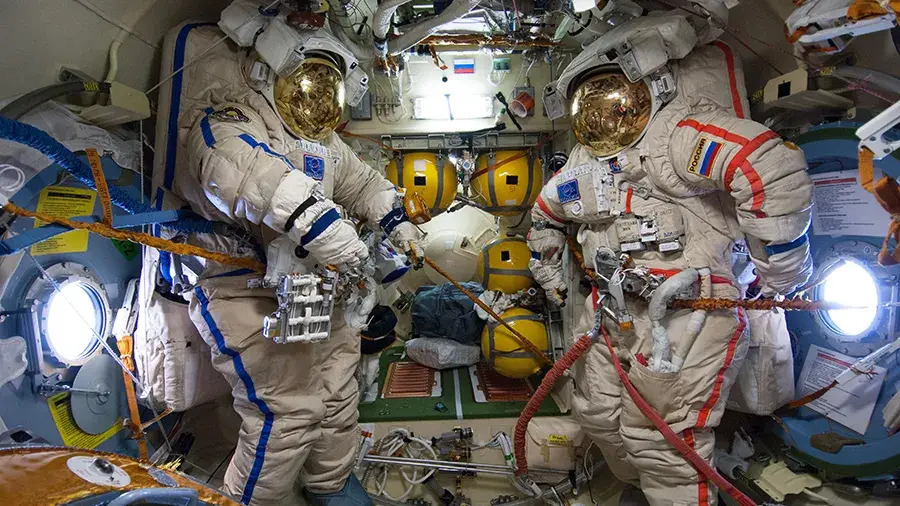
Orlan suit spacewalk
Notably, the Orlan can support a spacewalk for up to 7 hours and is modular, making repairs and upgrades easier in orbit. Its higher operating pressure (0.4 atm) compared to the US EMU (0.3 atm) also makes it faster to prepare for spacewalks, reducing time needed for astronauts to adapt.

Design contrasts
In emergencies, these design contrasts become critical. The Russian approach favours quick access and reliability; the American suit is all about comfort and advanced tech. Both get astronauts home safely, but the journey can be very different.
)
)
)
)
)