Why Russian fighter jets use landing parachutes compared to US jets

Russian fighter jets deploy tail parachutes to land safely on short, icy runways and save wheel brakes. US combat aircraft rely on long runways and powerful carbon disc brakes.
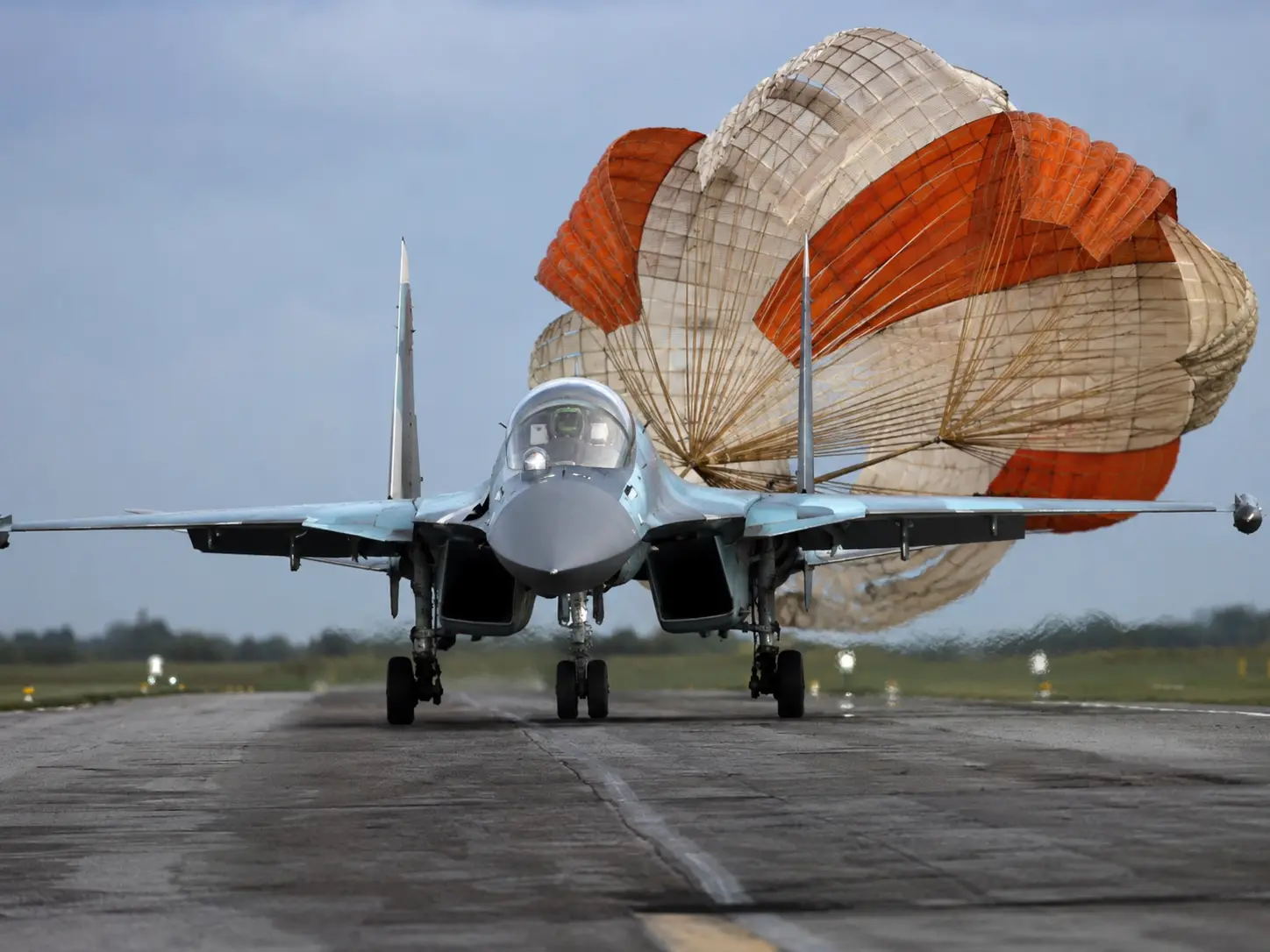
Frontline short runway doctrine
Russian military aviation doctrine assumes combat jets must operate from rough, damaged, or short frontline airstrips. Deploying a tail parachute allows heavy aircraft weighing over 20 tonnes to halt rapidly without overshooting the tarmac. This mechanical system guarantees independence from pristine airbase infrastructure.
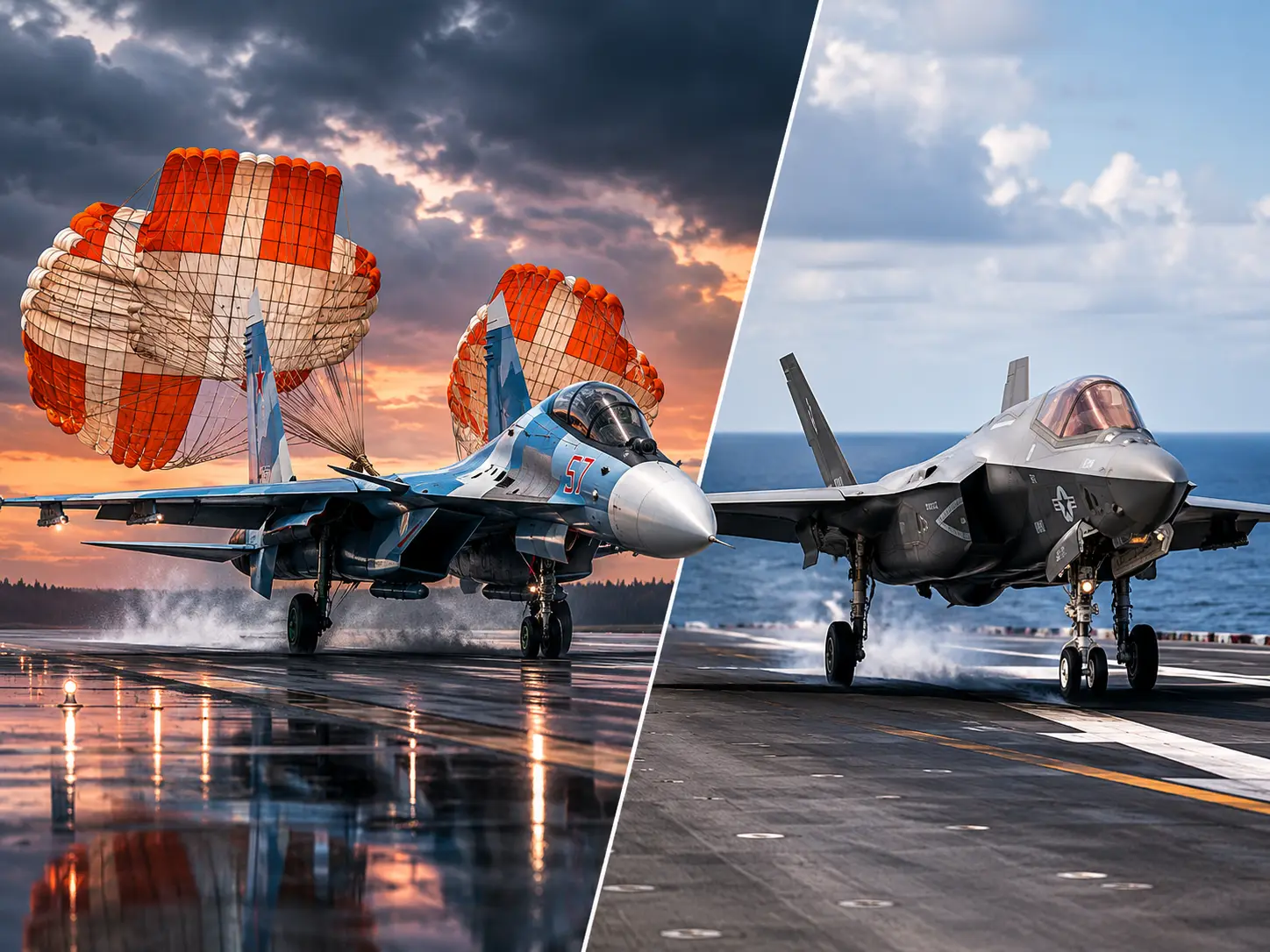
Bypassing icy winter runways
Russian airbases regularly endure freezing winter weather, leaving concrete runways coated in slippery ice and snow. Conventional wheel brakes lose vital friction on these frozen surfaces, which frequently causes dangerous skidding. Aerodynamic drag chutes bypass ground traction entirely to decelerate the jet safely.
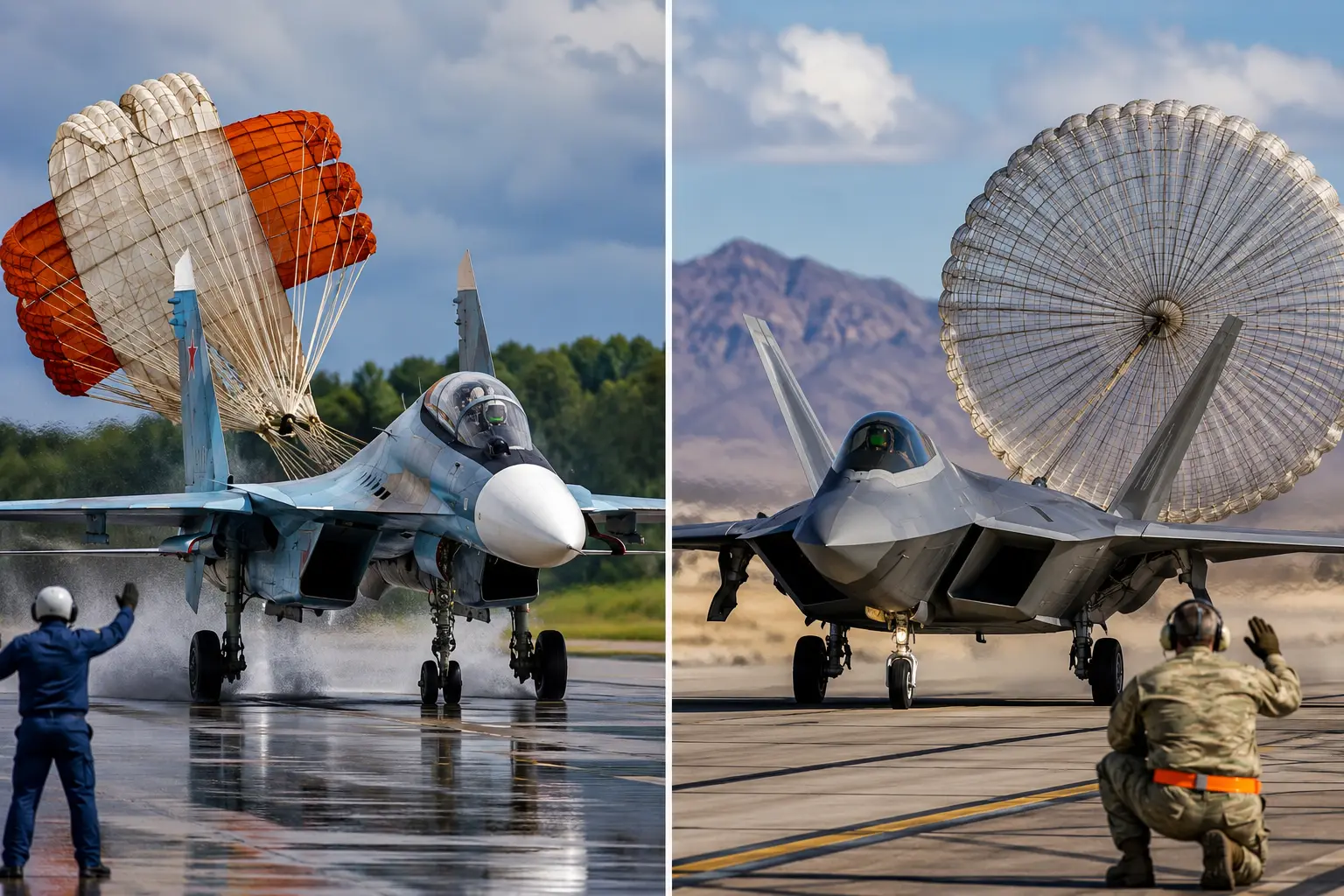
Reducing mechanical brake wear
Halting a high-speed combat aircraft generates immense kinetic heat that rapidly degrades brake discs and tyre rubber. Deploying a drogue parachute absorbs this massive mechanical stress instantly during the initial seconds of touchdown. This simple procedure significantly extends the operational lifespan of the wheel brakes.
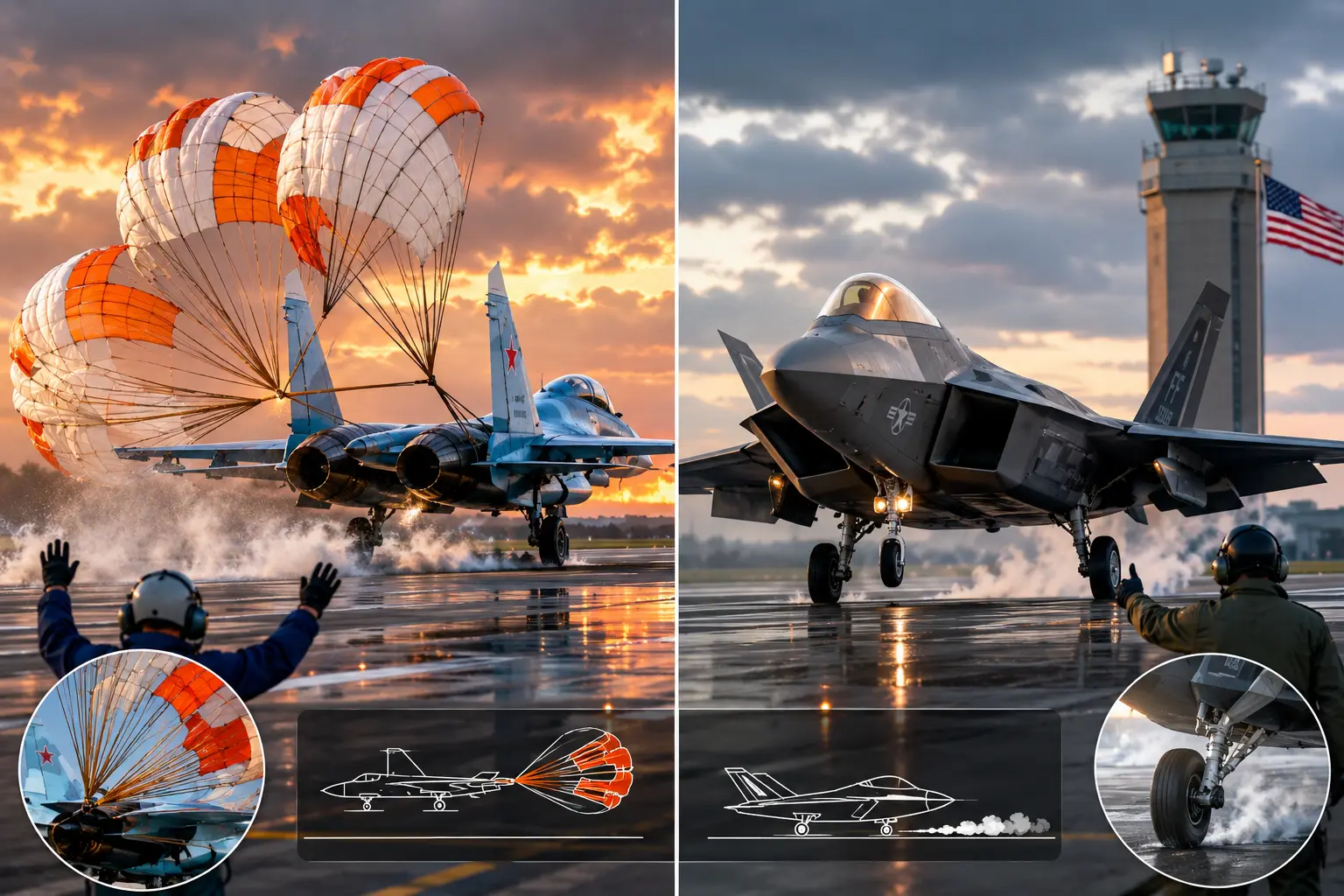
American long runway strategy
American fighter jets like the F-15 and F-16 are engineered to operate from expansive airbases with clean runways exceeding 2,400 metres. US military doctrine relies on powerful carbon disc brakes and nose-up aerodynamic tilting. This design choice eliminates the heavy ground maintenance required to retrieve and repack parachutes.
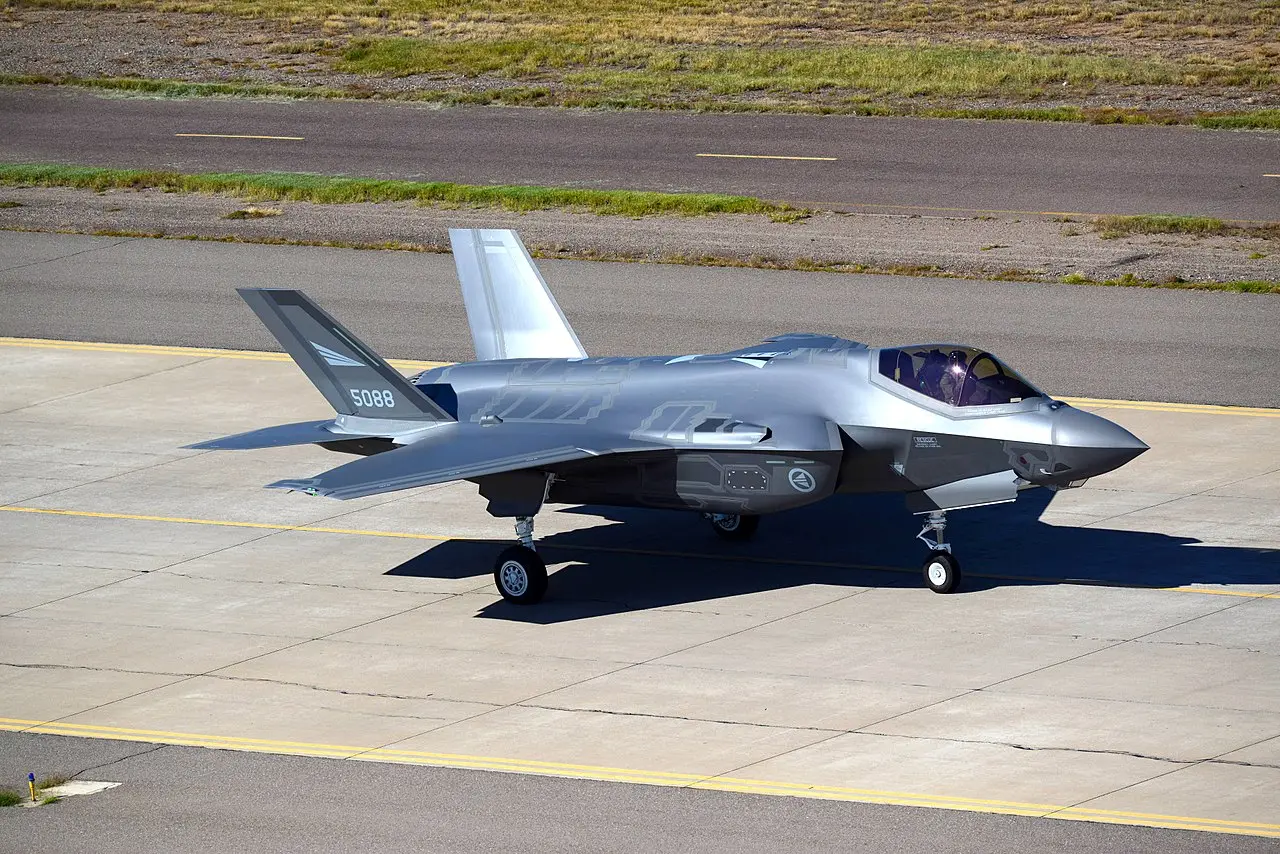
Norwegian Arctic F-35 exception
Extreme freezing environments occasionally force Western air forces to adopt this traditional deceleration method. Royal Norwegian Air Force F-35A stealth fighters carry a specialised external drag chute pod mounted on the upper fuselage. This removable aerodynamic system allows pilots to land safely across short Arctic runways.
)
)
)
)
)