Why Russian fighter jets use 3D thrust vectoring nozzles compared to US jets

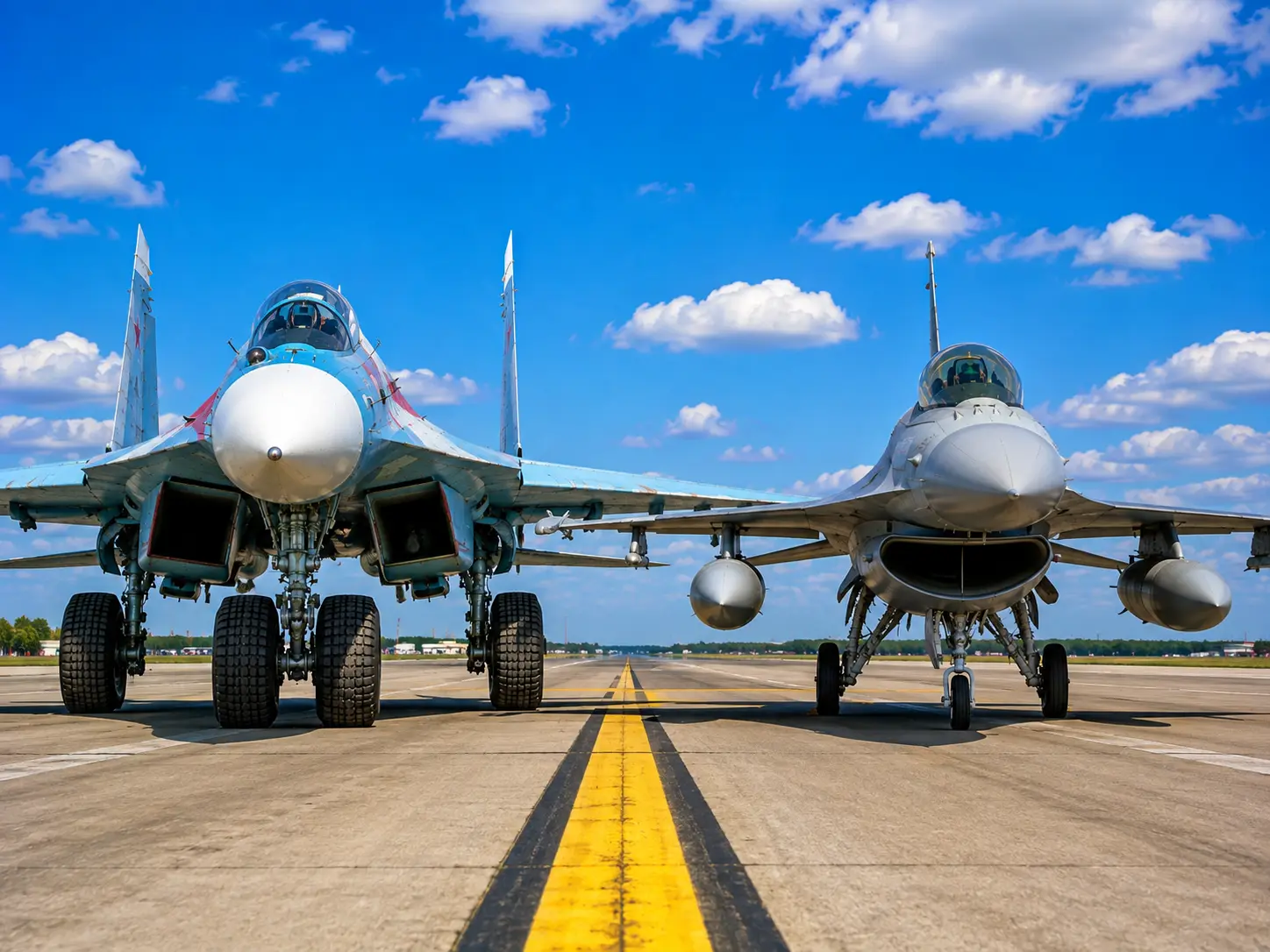
Russian jets use canted nozzles to achieve extreme dogfight agility. US jets like the F-22 rely on pitch-only rectangular nozzles to minimise infrared signatures and maintain absolute radar stealth.
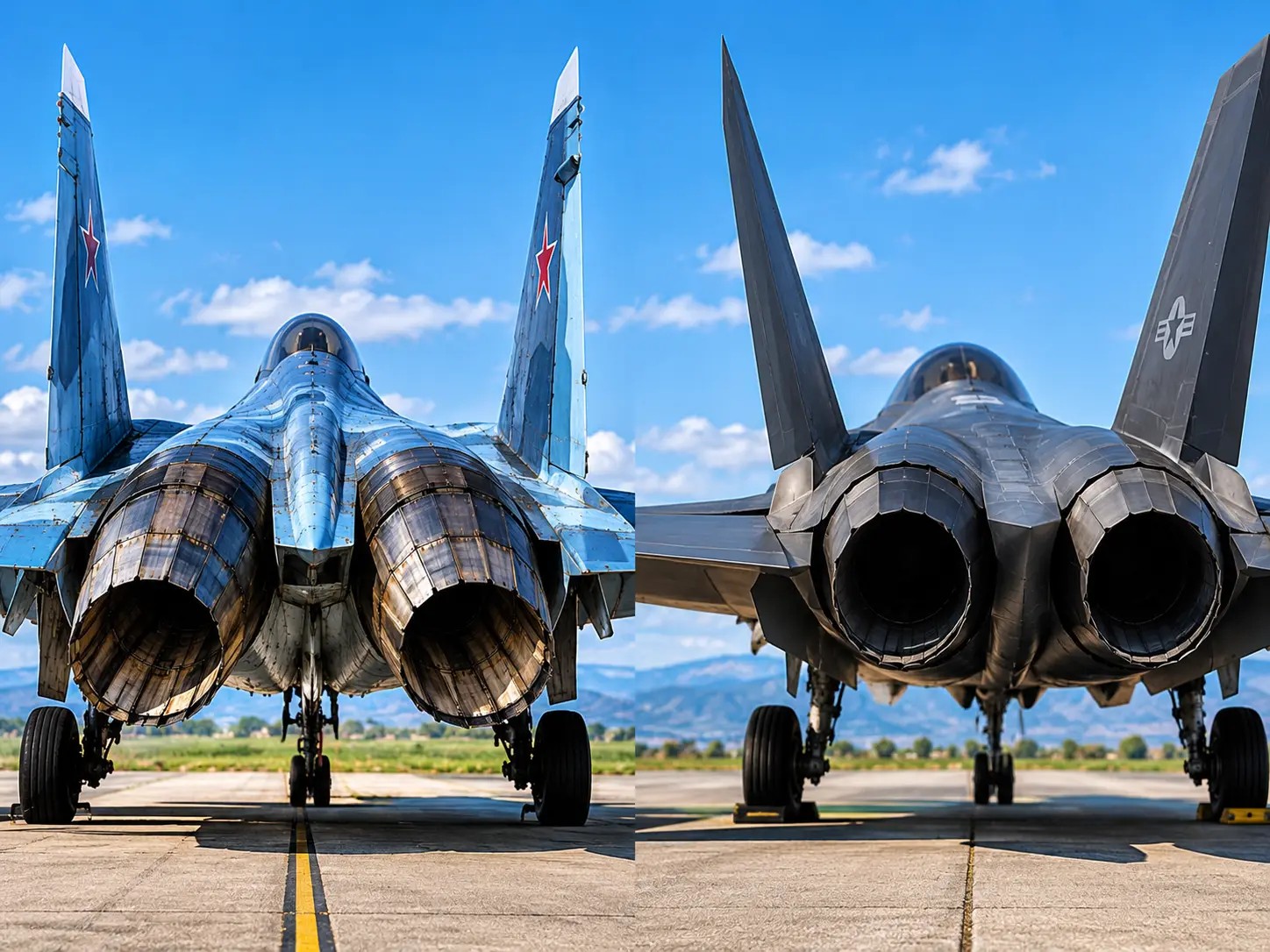
Canted V-shape design
While often colloquially called 3D vectoring, Russian jets like the Su-35 and Su-57 actually use a V-shaped canted 2D system. Their engine nozzles pivot along a single axis, but because they are mounted at a 32-degree angle, moving them differentially creates a full 3D vectoring effect. This provides extreme pitch, roll, and yaw authority.
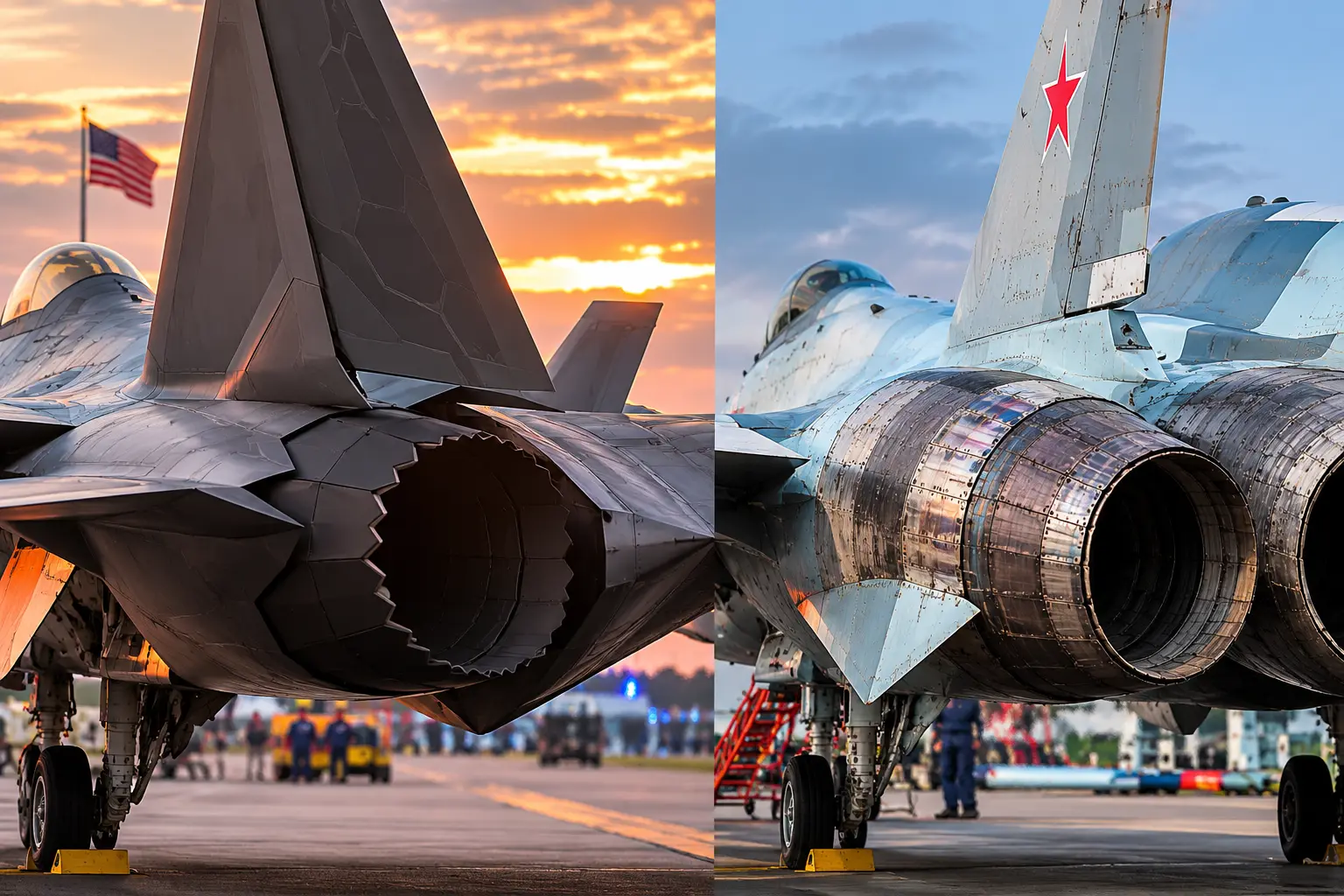
Pitch-only 2D nozzles
The American F-22 Raptor utilises traditional 2D thrust vectoring, meaning its rectangular exhaust nozzles only move strictly up and down. This pitch-only movement lacks the side-to-side yaw control seen in Russian aircraft. However, this design choice perfectly aligns with the US military doctrine of prioritising beyond visual range combat over close dogfights.
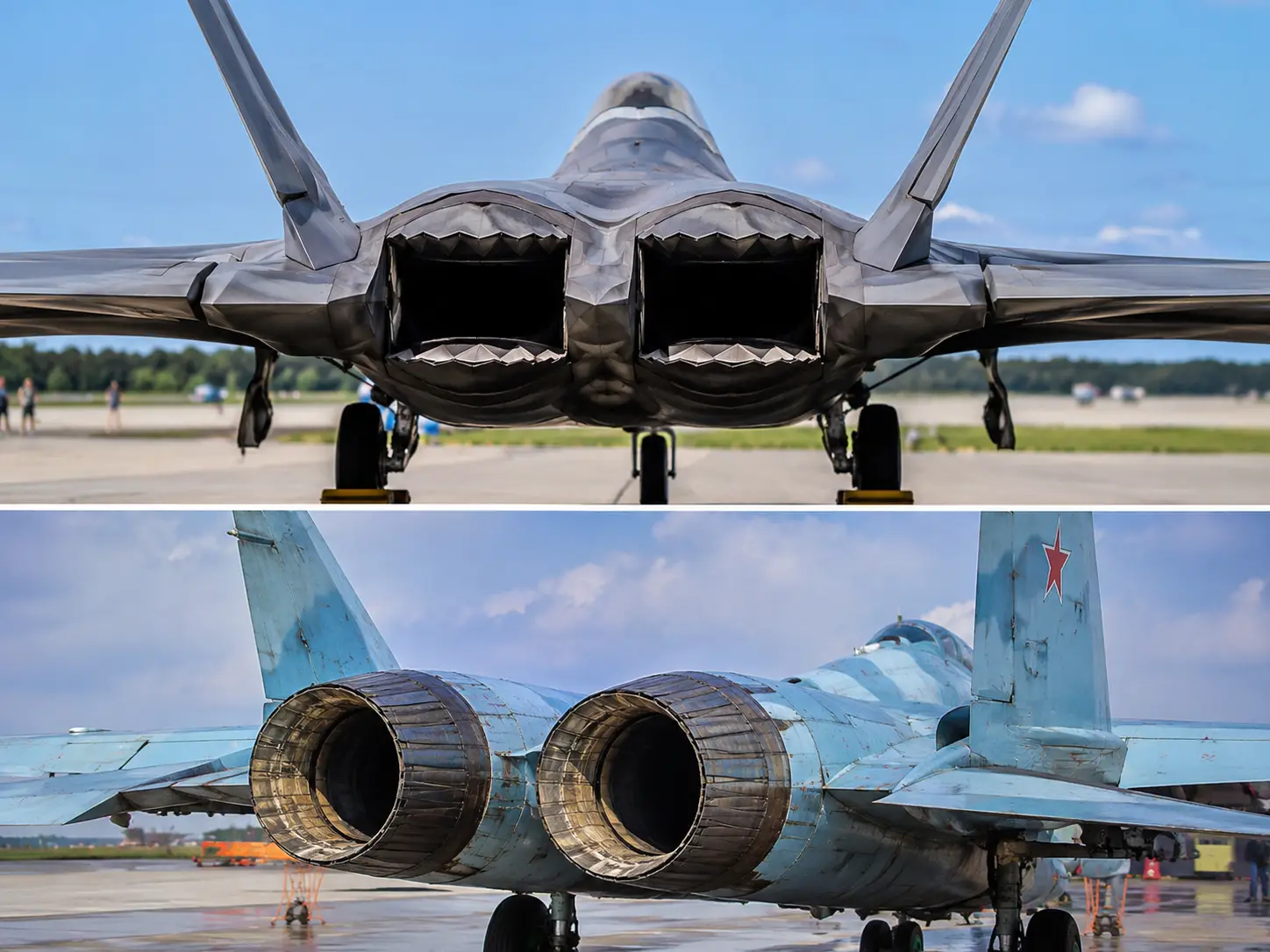
Infrared signature reduction
The US prioritises absolute stealth, which explains the flat, rectangular exhaust design of the F-22. This unique shape forces the hot engine exhaust into a wide plume that rapidly mixes with cool ambient air, drastically lowering the infrared signature. Russian circular nozzles run much hotter and are far easier for heat-seeking missiles to track.
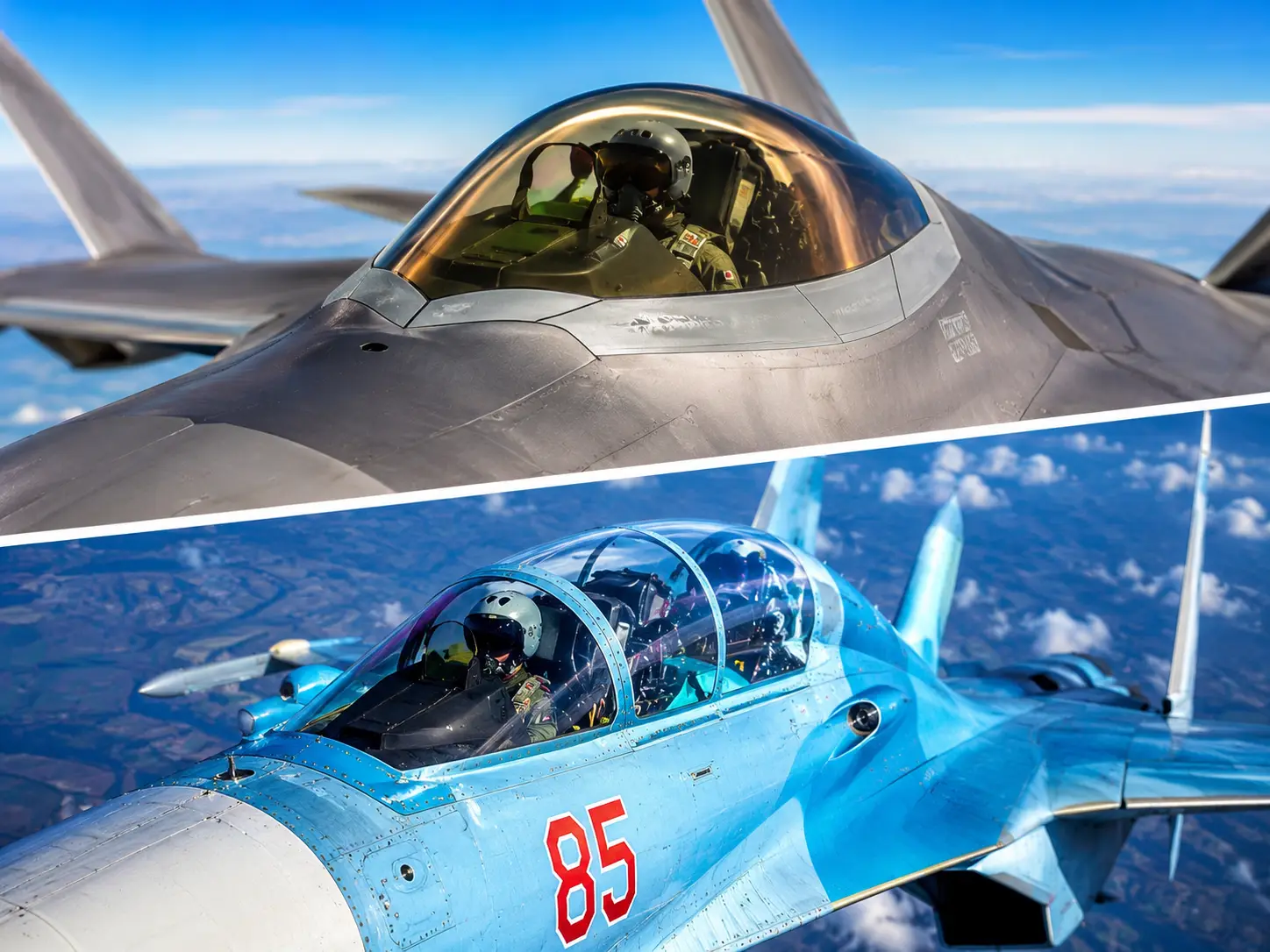
Post-stall manoeuvres
Russian canted vectoring allows pilots to maintain full aircraft control even when aerodynamic surfaces lose effectiveness at very low speeds. By directing raw engine thrust to steer, Russian pilots can execute extreme post-stall acrobatics. This agility allows them to aggressively point the aircraft nose off-axis to secure quick missile locks.
Weight and complexity
Developing true omnidirectional 3D nozzles adds immense weight and mechanical complexity to a fighter jet. By using a clever canted 2D setup, Russian aerospace engineers achieved the agility of 3D vectoring while keeping the engines lighter and easier to maintain. Meanwhile, American designers accepted less agility for maximum thermal concealment.
)
)
)
)
)