Why Russian fighter jets sit much higher off the ground compared to US jets

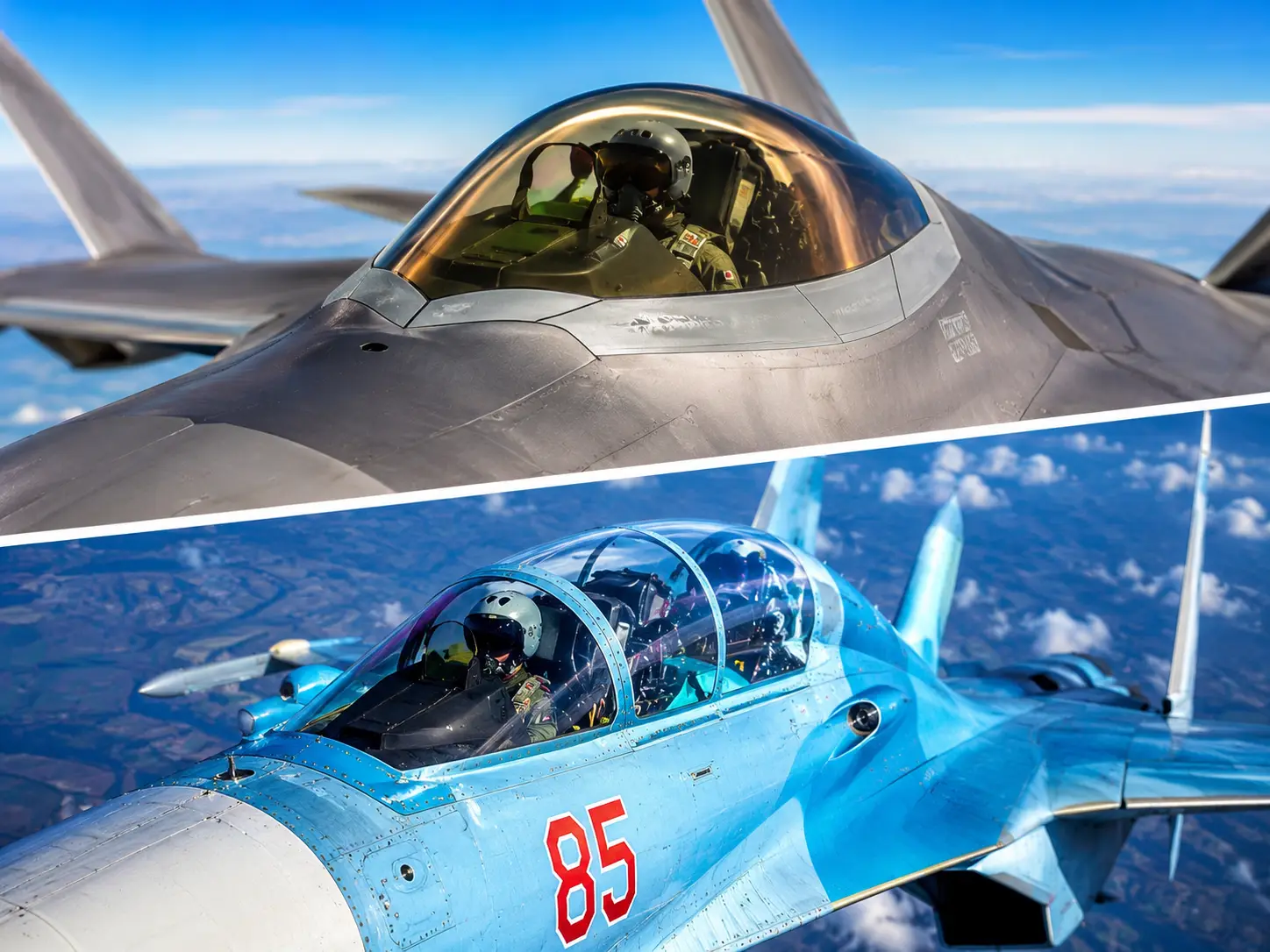
Russian fighter jets feature tall landing gear to safely operate from unpaved airstrips. The elevated height protects engine intakes from debris and provides clearance for heavy weapons.
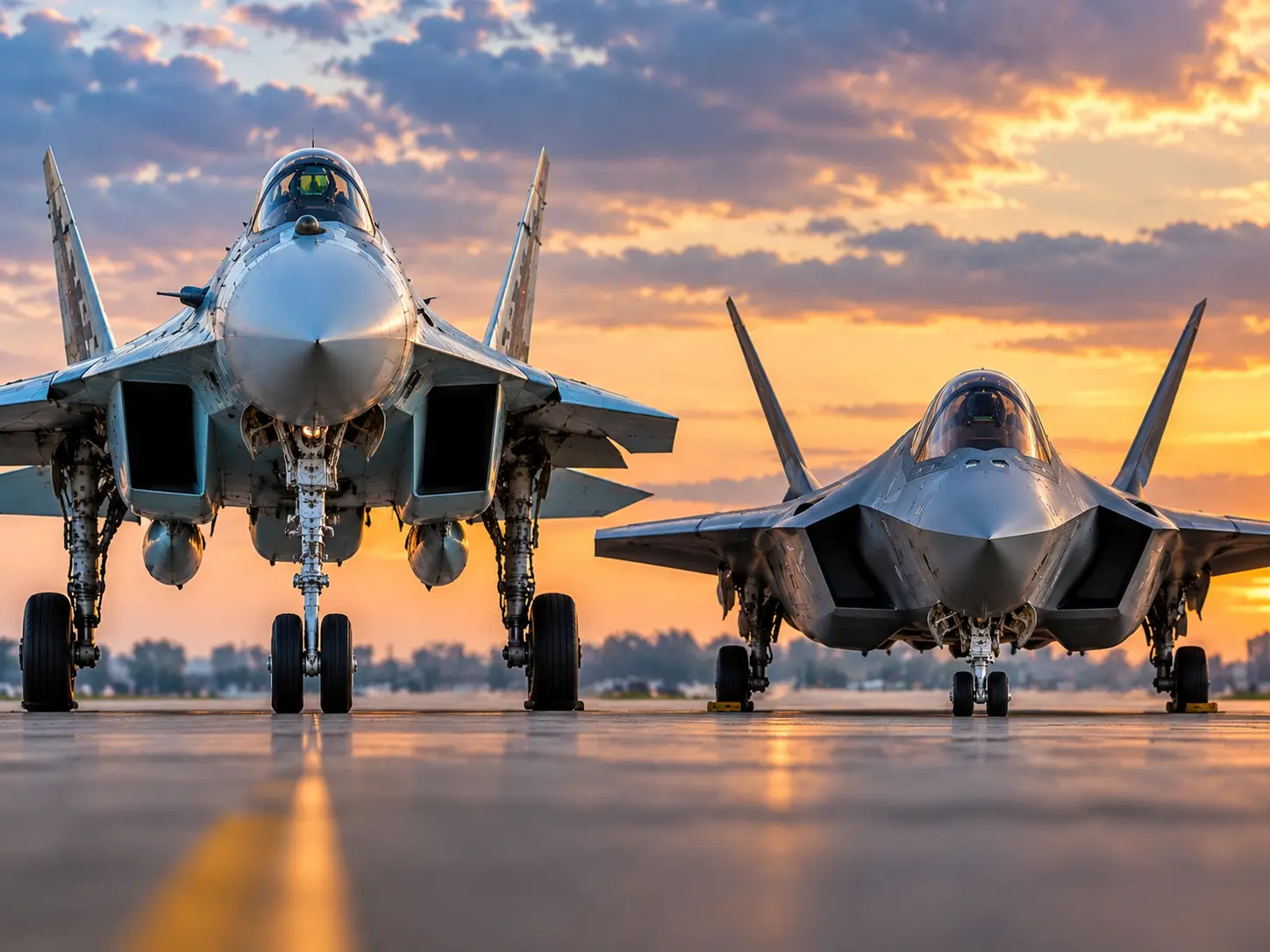
Nearly six-metre aircraft height
Russian fighters like the Sukhoi Su-27 stand nearly six metres tall to accommodate operations from rough, unpaved airfields. Unlike US jets built for smooth concrete bases, Russian doctrine requires aircraft to deploy from damaged dirt strips, necessitating a taller stance to protect the underbelly.
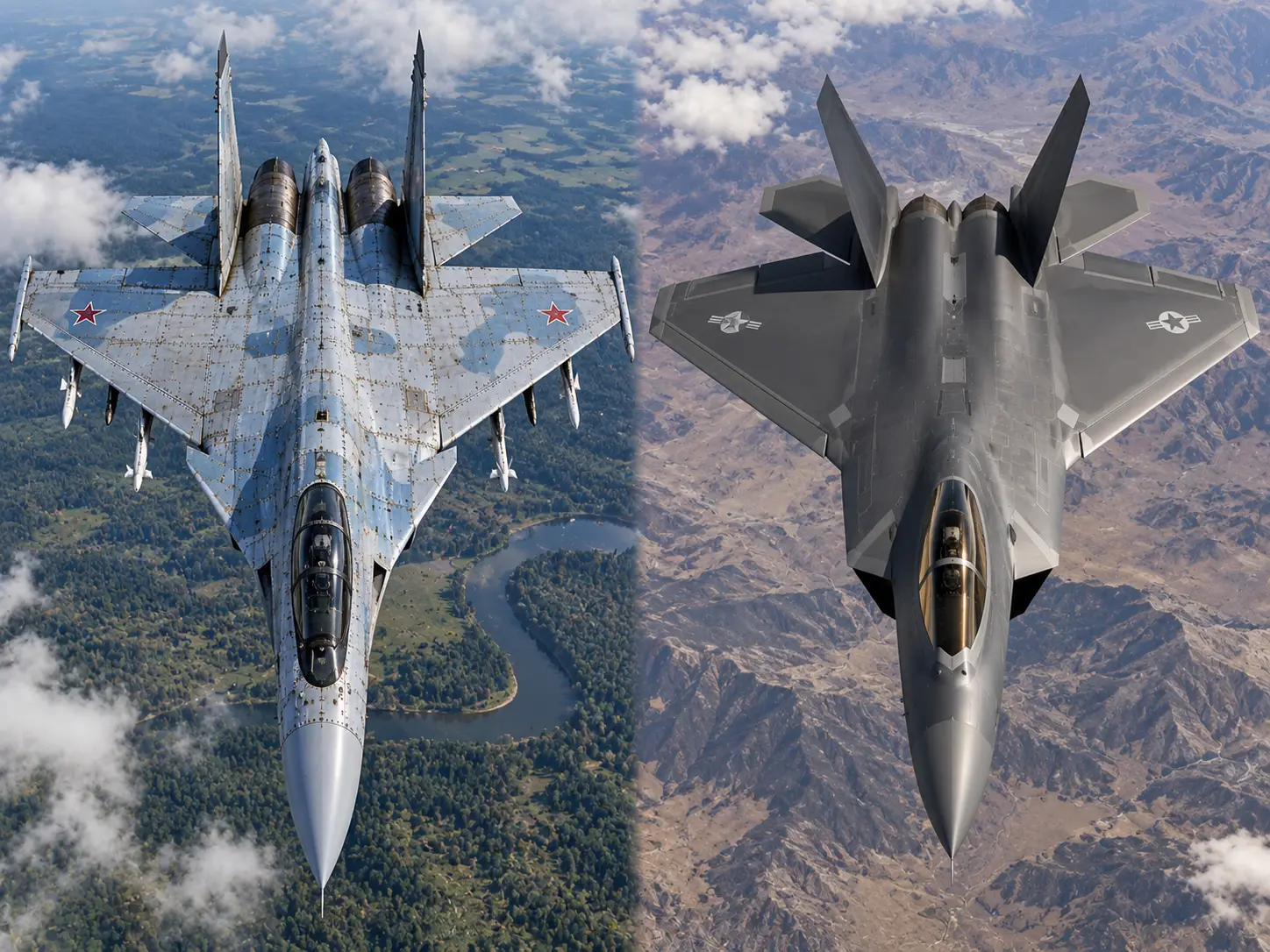
Mach 2 supersonic engines
Russian jets feature large air intakes located directly beneath the fuselage to feed their powerful engines. Sitting higher off the tarmac increases the physical distance between these intakes and the ground, reducing the risk of vacuuming up foreign object debris like rocks and mud.
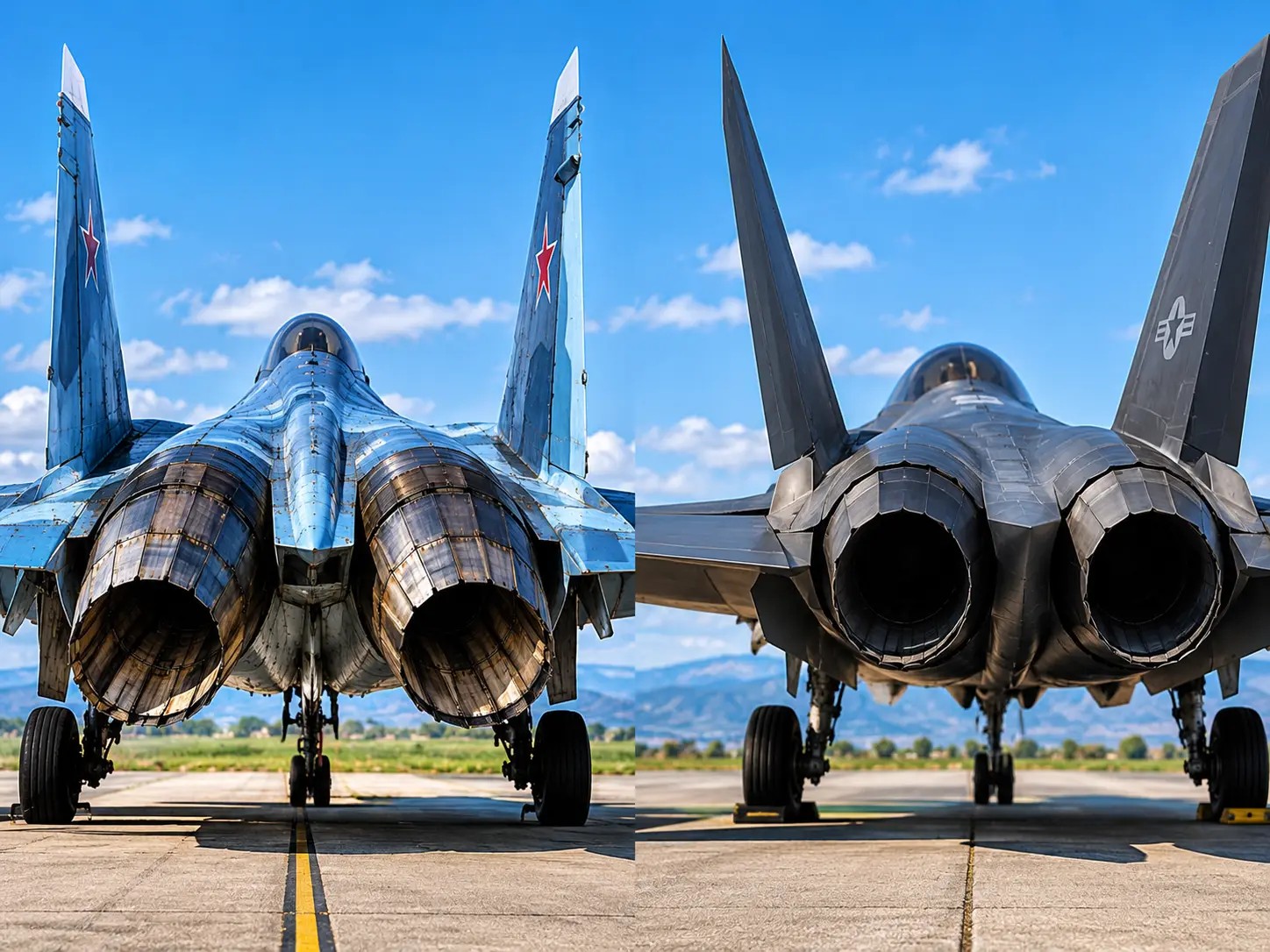
Supporting 30-tonne takeoff weights
To survive rough touchdowns on uneven airstrips, Russian military aircraft utilise long-stroke pneumatic struts. These extended suspension systems must travel a significant vertical distance to absorb the physical shock of a heavy fighter, forcing the aircraft to rest higher on the ground.
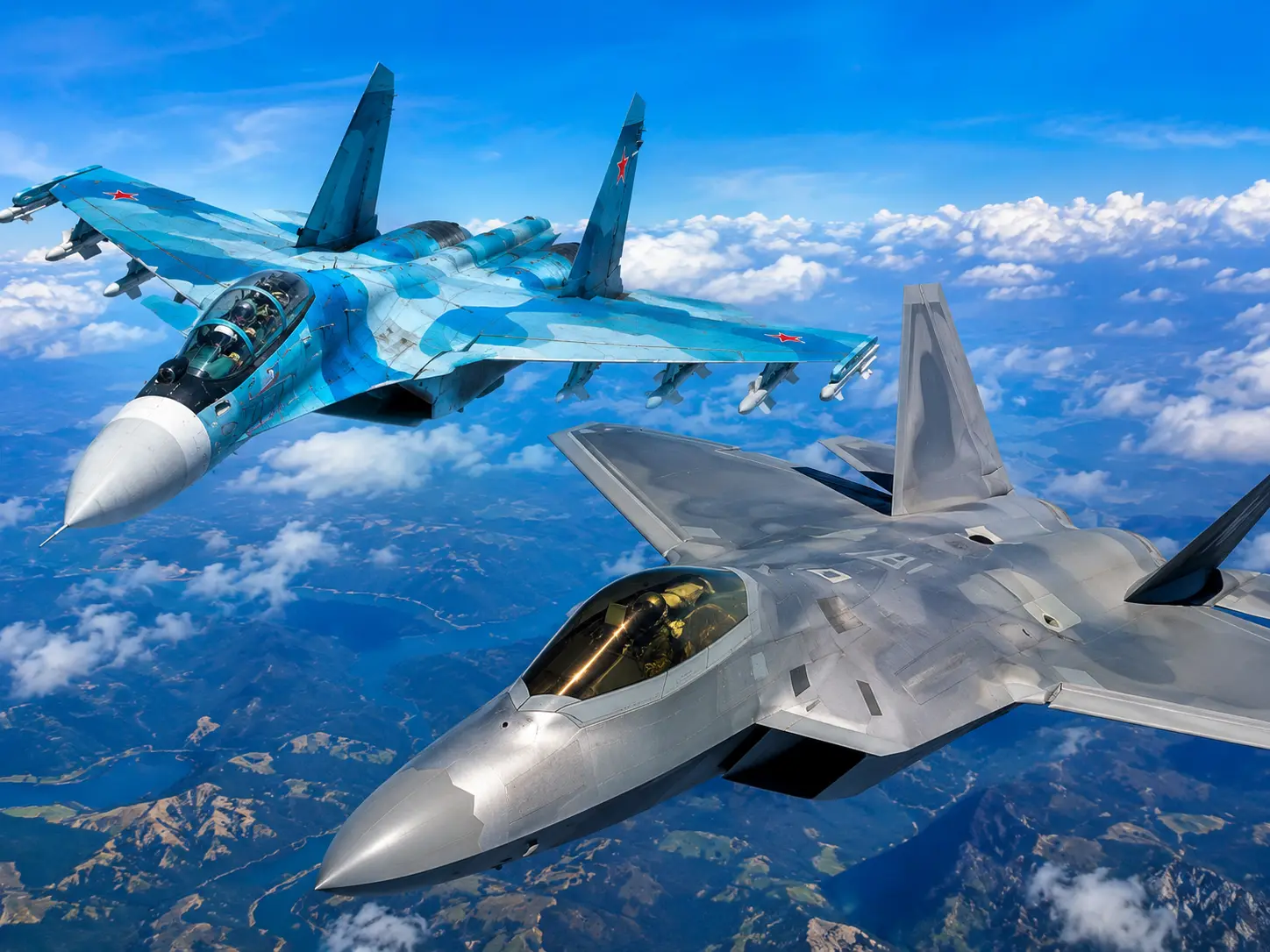
8,000-kilogramme maximum combat payloads
Engineers designed a wide, recessed central tunnel between the engine nacelles of heavy Russian fighters. The elevated landing gear provides the necessary vertical clearance to mount large ordnance, such as heavy anti-ship missiles, without them scraping the runway during takeoff.
Heavy-duty debris deflection
To mitigate runway hazards, the tall nose gear on Russian fighters is often equipped with thick mudguards. This elevated design deflects kicked-up gravel and slush back down to the ground, ensuring the rear engine intakes remain completely clear during taxiing.
)
)
)
)
)