Why Russian fighter jets lack seamless radar-absorbing coatings compared to US jets

US stealth jets feature seamless radar-absorbing coatings to remain virtually invisible. Russian engineers skip these fragile finishes on the Su-57 to ensure cost-effective ruggedness and speed.
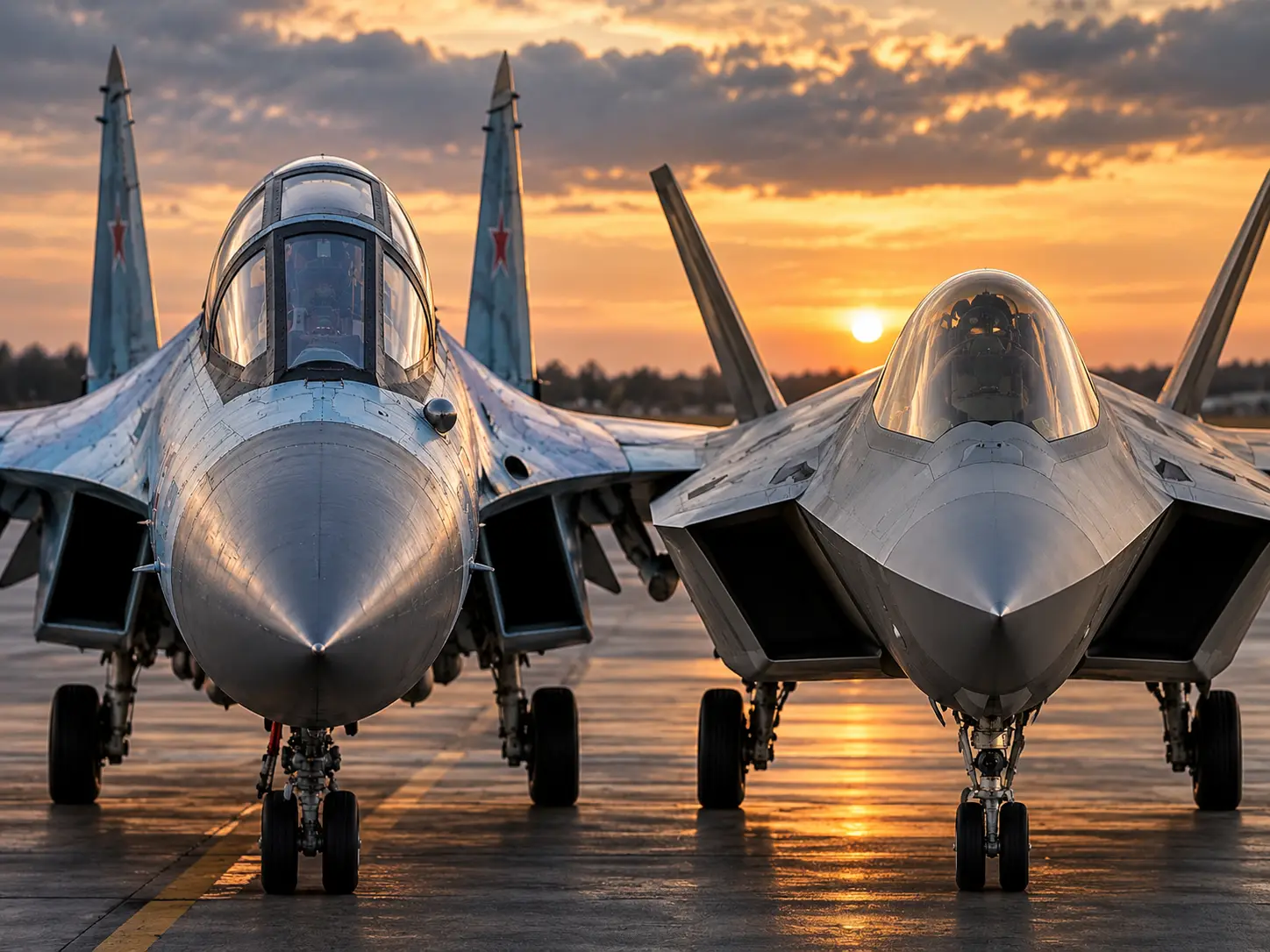
RCS up to 1 sq metre
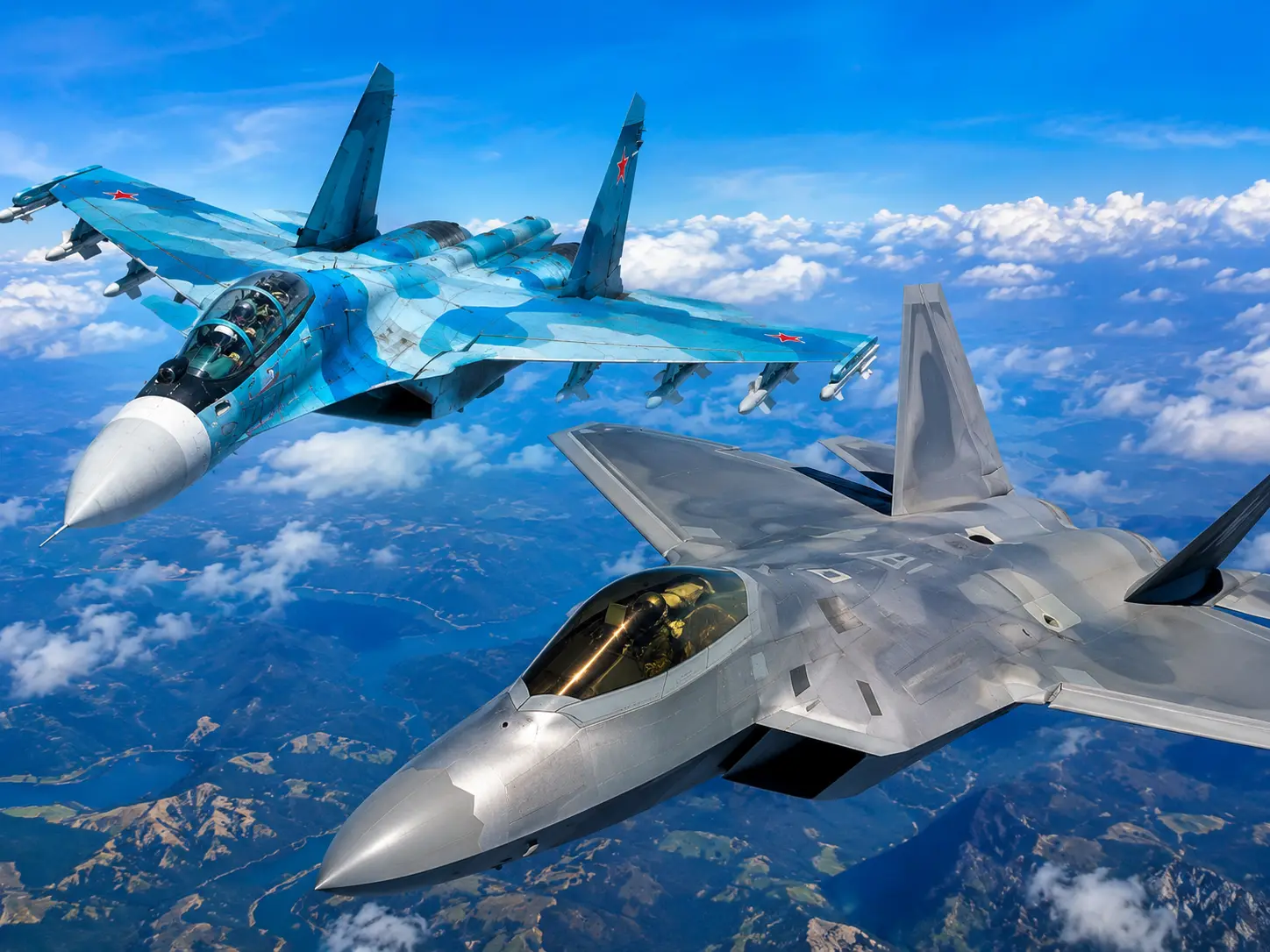
American F-35 jets use precise radar-absorbent materials and gap fillers to achieve a seamless exterior, giving them a tiny radar cross-section of 0.001 to 0.005 square metres. In contrast, the Russian Su-57 features visible panel gaps and rivets, raising its radar profile to between 0.1 and 1 square metre. Russian engineers apply these coatings only to key sections to reduce manufacturing complexity.
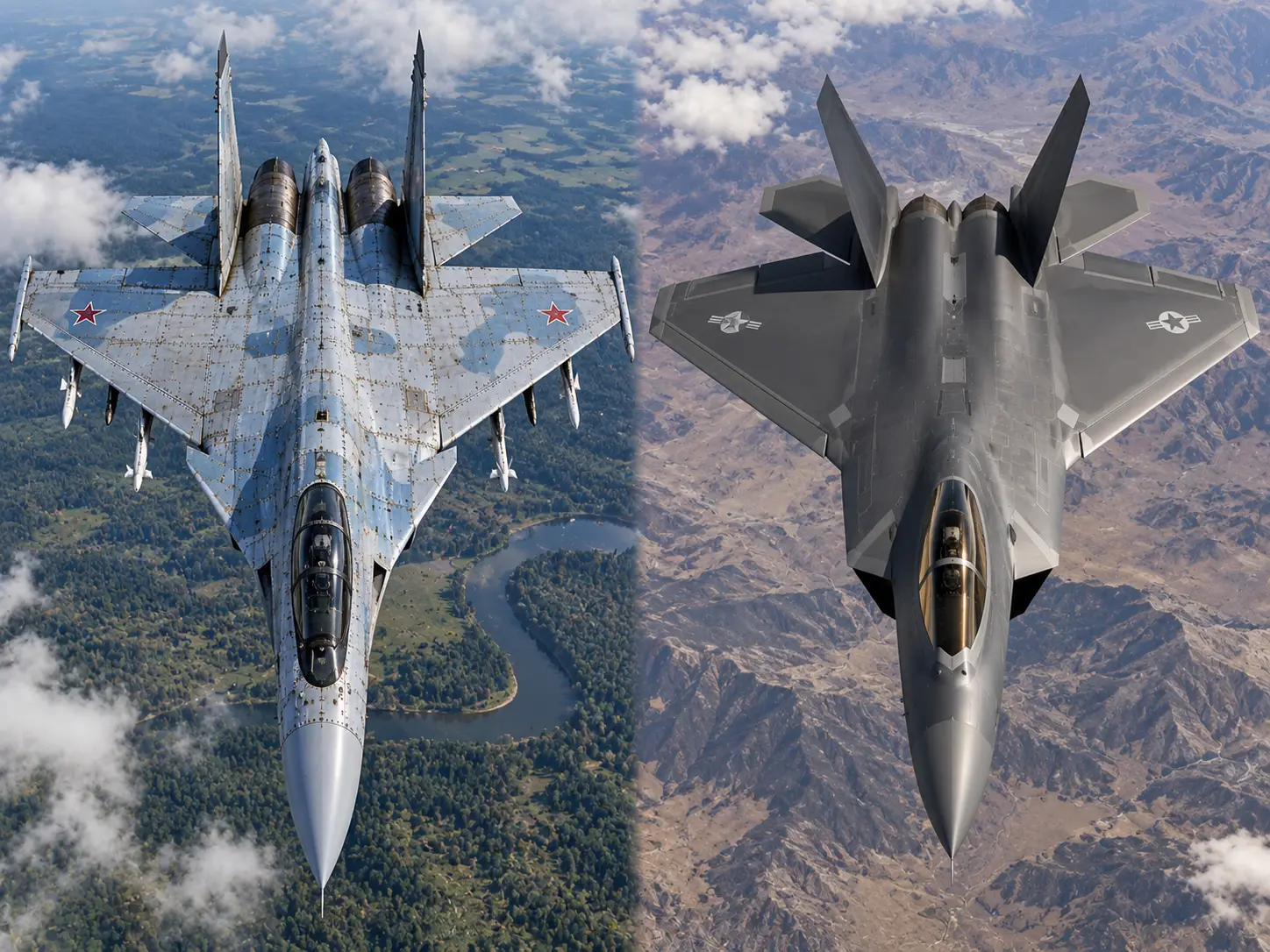
Speeds reaching Mach 2.0
Russian aviation strategy prioritises extreme speed and manoeuvrability over complete invisibility. The Su-57 achieves a top speed of Mach 2.0 and can supercruise at Mach 1.3 without using fuel-hungry afterburners. The US focuses on remaining unseen, with the F-35 reaching a top speed of Mach 1.6 to destroy targets from long distances.
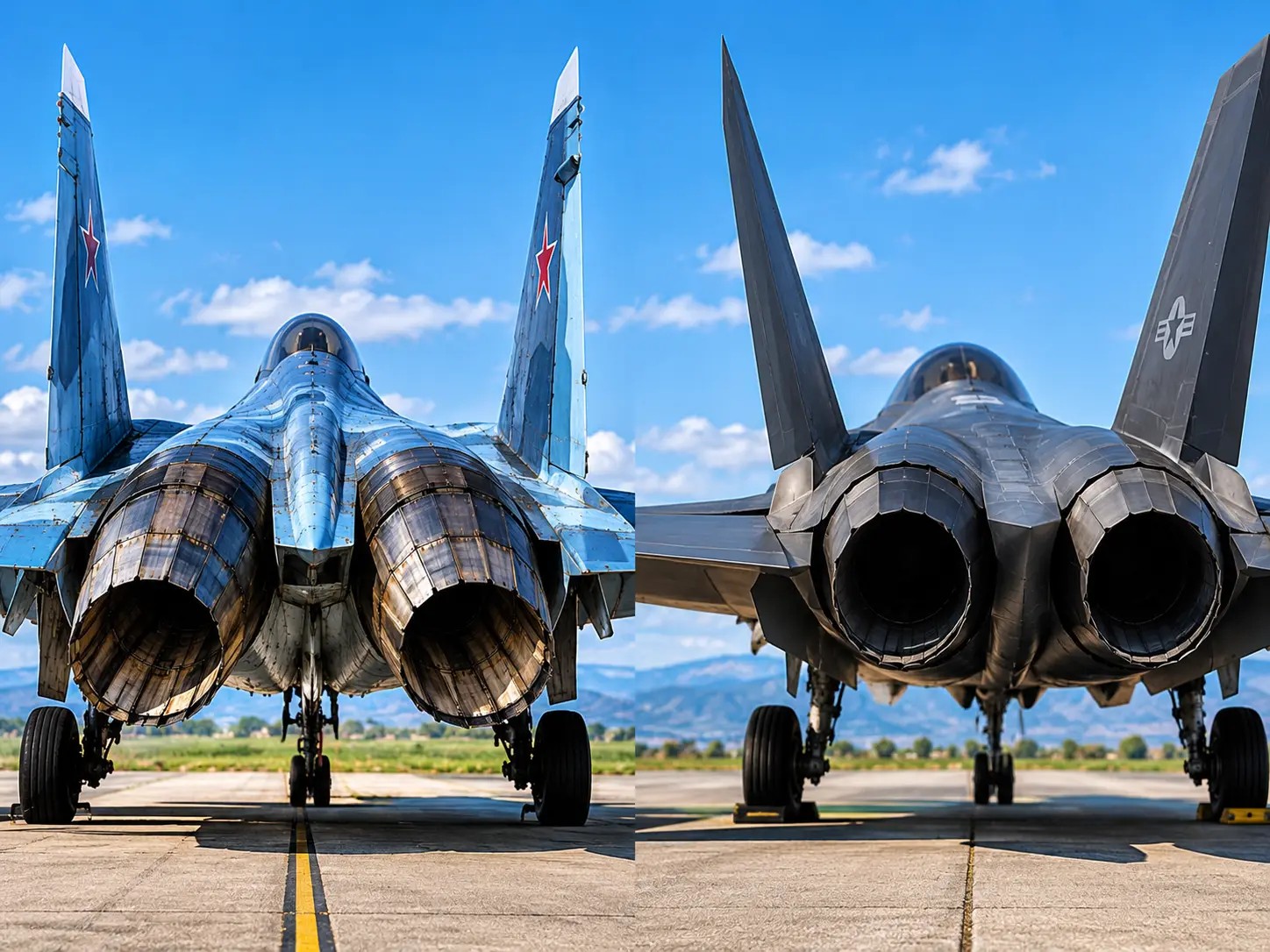
Costs under $70 million
Applying and maintaining seamless stealth coatings requires immense precision, pushing the F-35's operational cost to roughly $30,000 per flight hour. Russian manufacturers skip these fragile finishes, relying on tough composite materials that require minimal surface care. This strategy helps keep the production cost of an Su-57 between $50 million and $70 million.
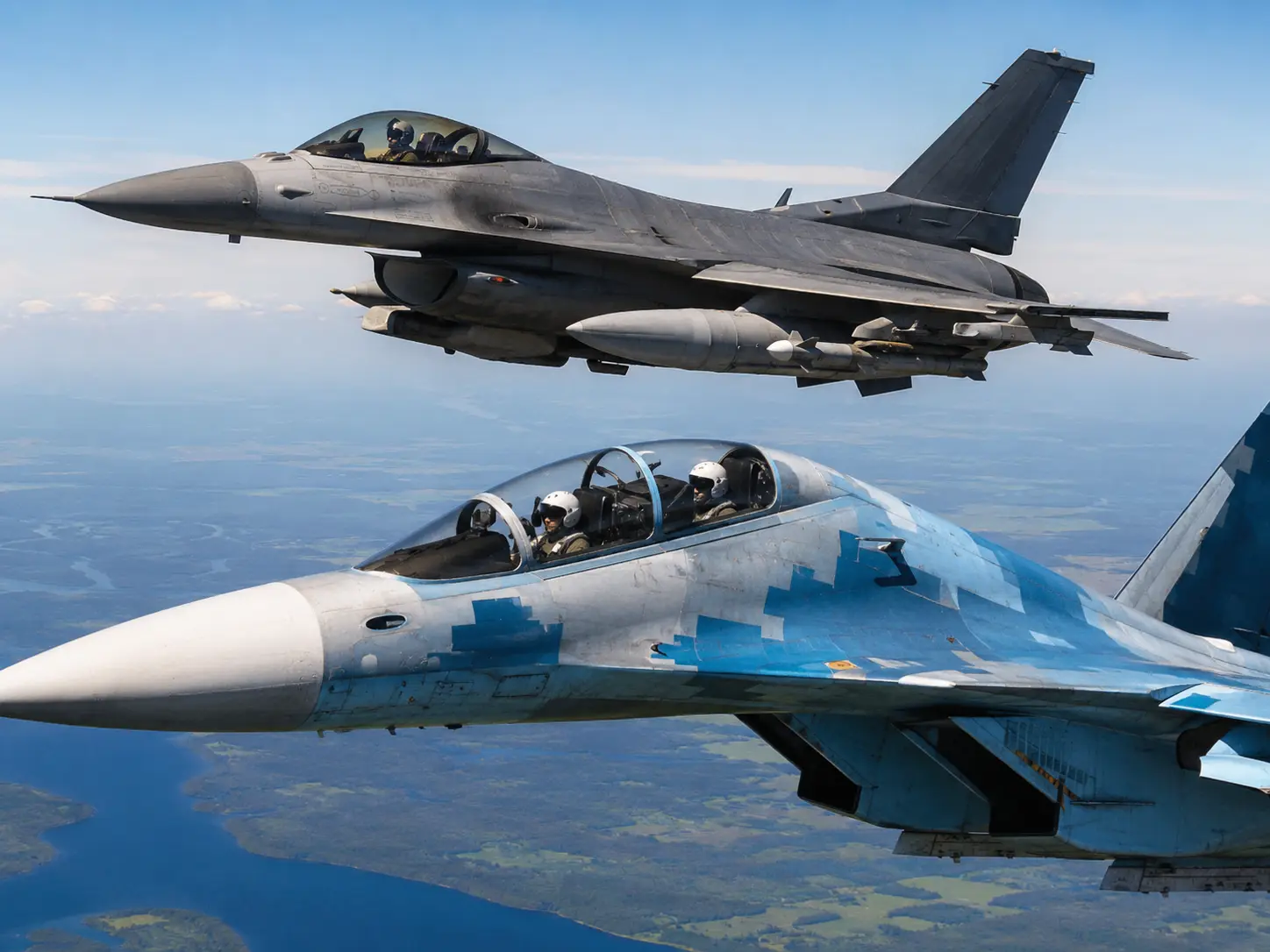
100 per cent ruggedness
Russian military doctrine requires fighter jets to operate from rough, unpaved airfields with minimal infrastructure. Maintaining a delicate, seamless stealth skin at poorly equipped forward bases is practically impossible due to flying debris and a lack of specialized hangars. Instead, the Su-57 features a rugged airframe, allowing frontline ground crews to replace damaged panels quickly.
270 degree radar coverage
To compensate for a higher radar profile, the Su-57 uses a multi-array system, including L-band wing radars that offer 270-degree coverage to detect low-observable aircraft. While the F-35 relies on highly advanced sensor fusion to create a comprehensive view of the battlefield, the Russian jet is designed as a defensive interceptor with the kinetic power to counter stealth threats.
)
)
)
)
)