Why Russian fighter jets mount nose camera balls compared to US jets

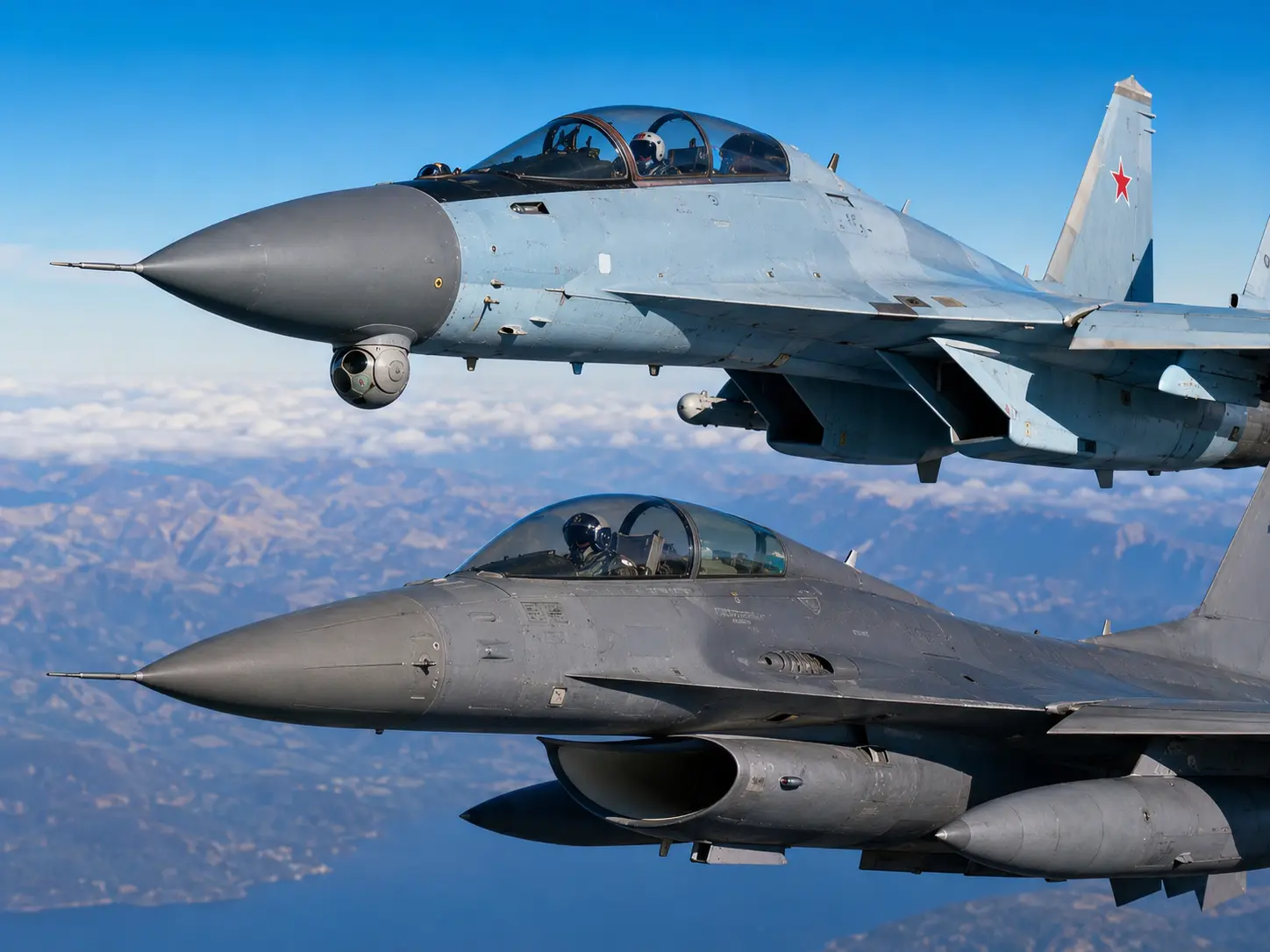
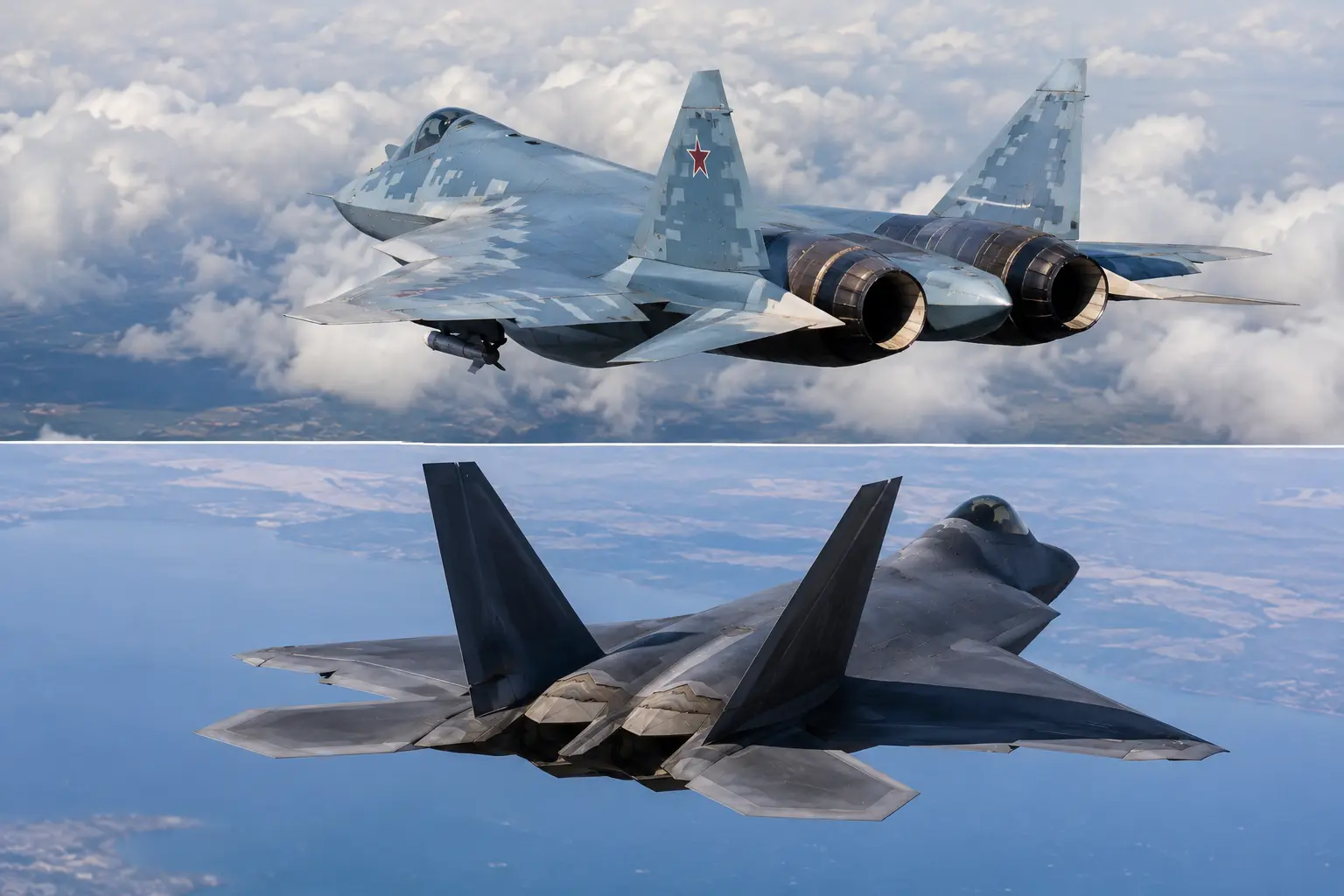
Russian jets use passive IRST domes to track heat without emitting radar. US stealth fighters avoid these reflecting domes, using flush sensors to protect their radar cross-section.
0 radar wave emissions
Russian fighters like the Su-35 mount an Infrared Search and Track sensor in a spherical housing ahead of the windscreen. This passive sensor detects aircraft heat signatures without emitting any radar waves. It allows Russian pilots to silently stalk aerial targets during combat missions.
100 per cent immunity
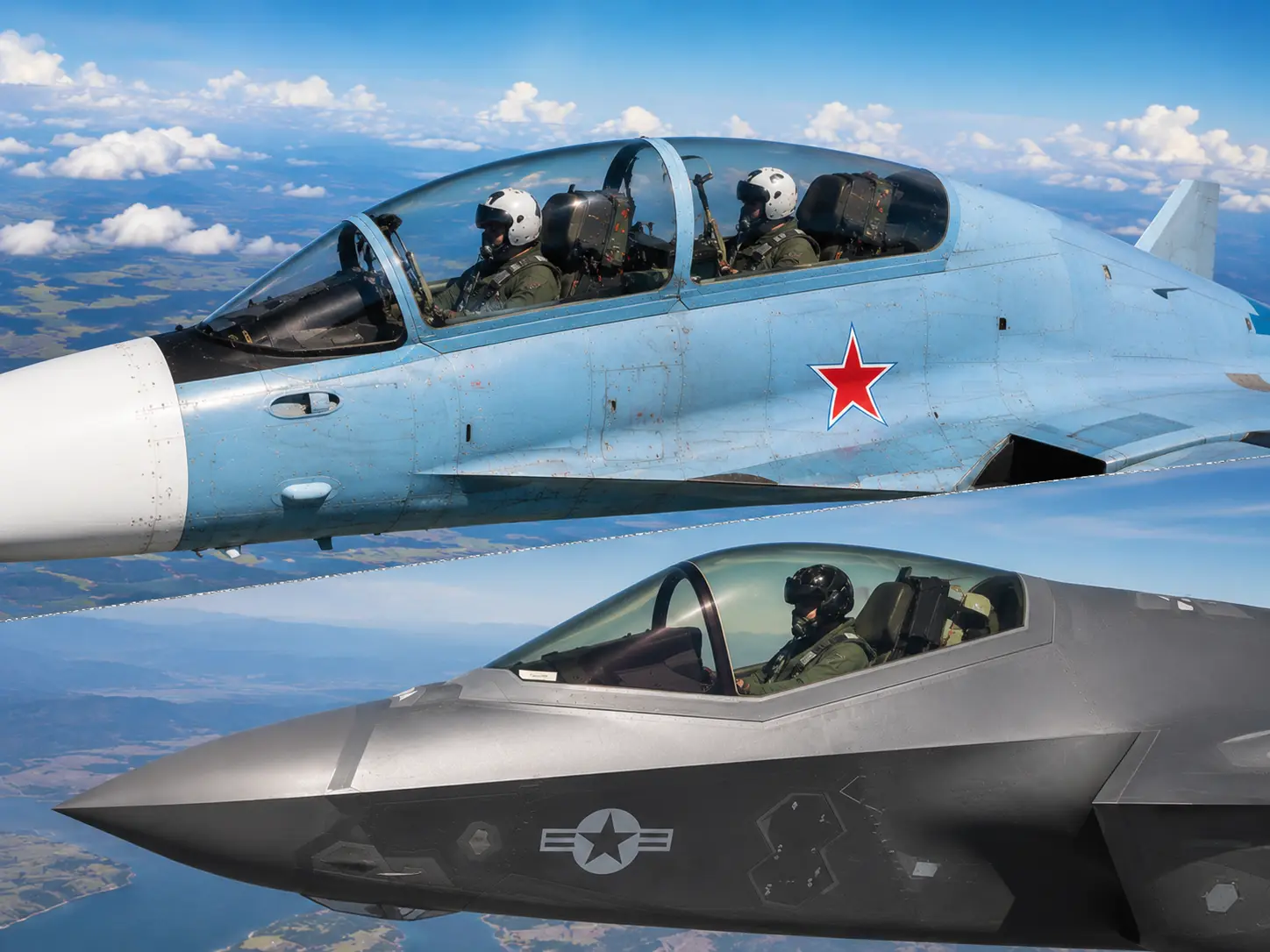
Traditional aircraft radars can be easily detected and actively jammed by advanced electronic warfare systems. Because Infrared Search and Track systems operate completely passively, they are immune to conventional radar jamming. This provides a highly reliable backup when standard radar becomes compromised.
90-kilometre tracking range
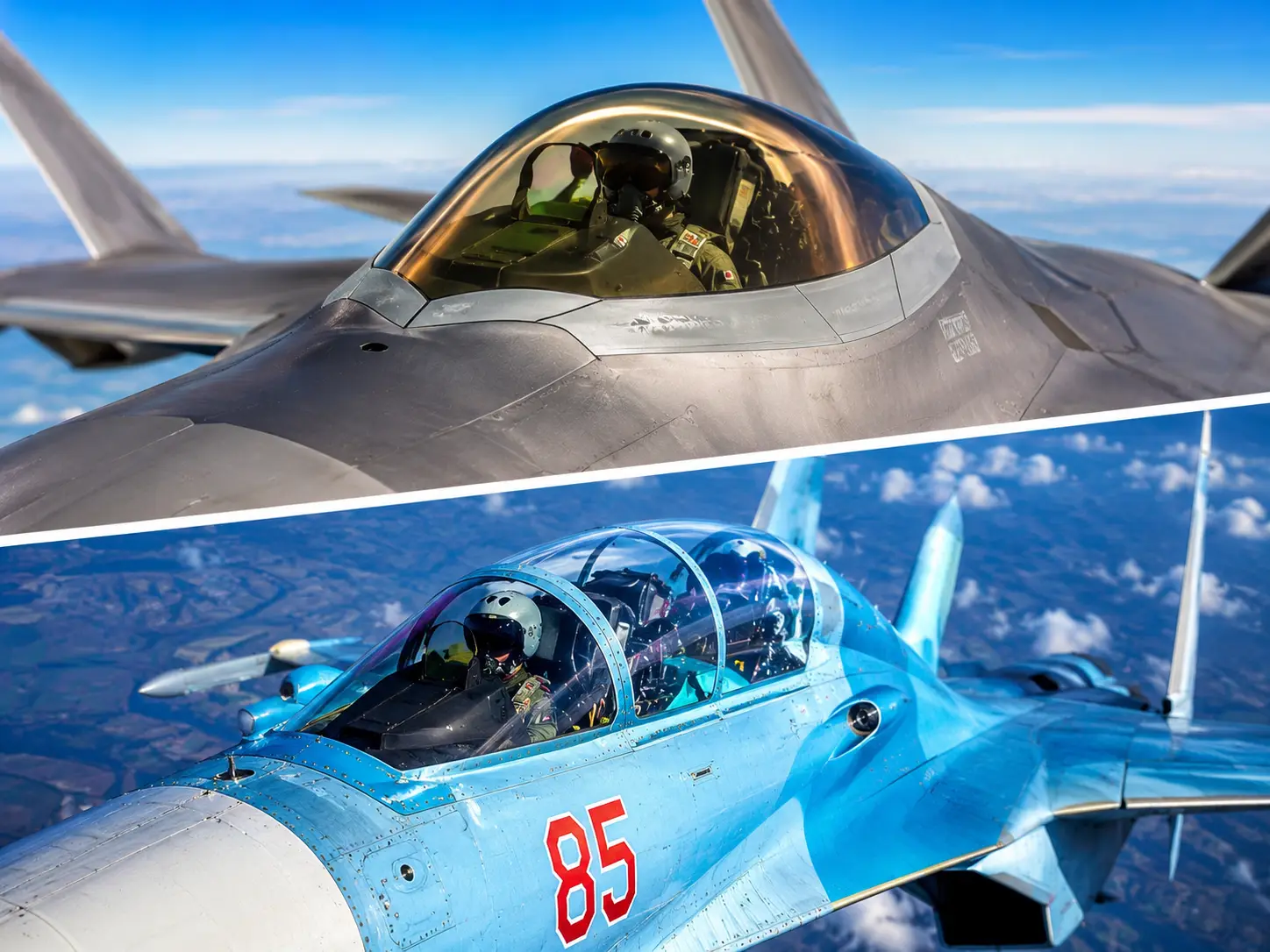
The Russian OLS-35 system can detect non-afterburning aerial targets from up to 90 kilometres away from the rear. It can also track enemy aircraft approaching head-on from a distance of 50 kilometres. This impressive range allows pilots to identify threats without turning on their own radar.
1,000-fold stealth reduction
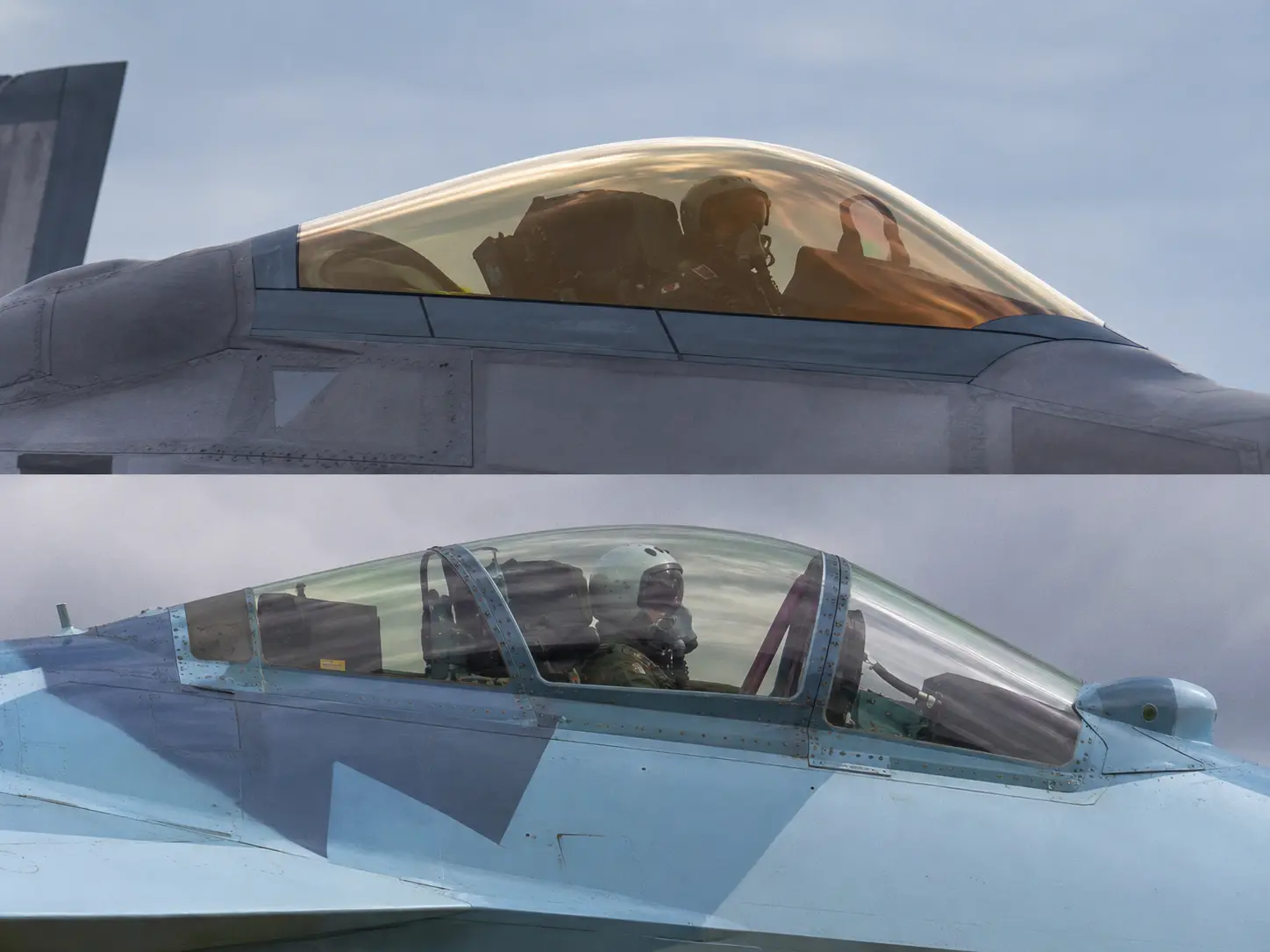
United States stealth fighters strictly avoid mounting these prominent camera domes to maintain their low radar cross-section. A large spherical housing on the nose would naturally reflect incoming radar energy back to enemy sensors. This reflection would instantly compromise the aircraft's vital stealth capabilities in hostile airspace.
$270 million embedded sensors
To maintain stealth, the United States integrates sensors like the F-35 Electro-Optical Targeting System behind flush, faceted windows. In 2025, Lockheed Martin secured a $270 million contract to add distributed infrared sensors to the F-22 Raptor. These embedded systems provide 360-degree coverage without external pods or domes.
)
)
)
)
)