Why Russian fighter helmets look bulky compared to modern US designs

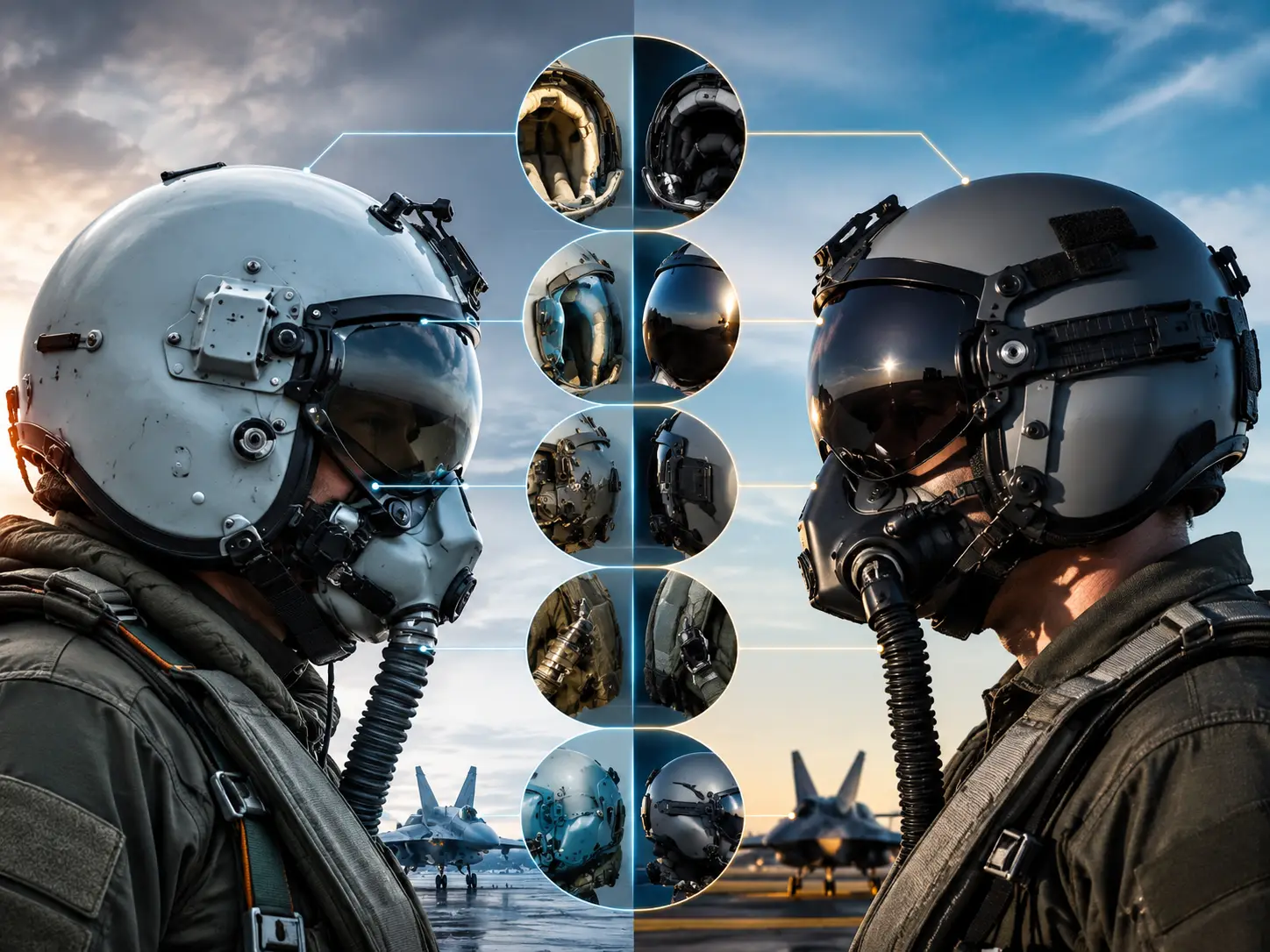
US and Russian fighter helmets reflect distinct combat philosophies. Russia uses universal, bulky helmets for quick scrambles, while America builds custom-moulded carbon fibre helmets with digital visors.
1 Universal Helmet Design
Russian fighter aircraft are built for raw warfare and simplicity, often using a single standard helmet type across different planes. This universal approach saves time during scrambles, as the bulky helmet does not need to be individually synced to each jet.
Costs Over $500,000
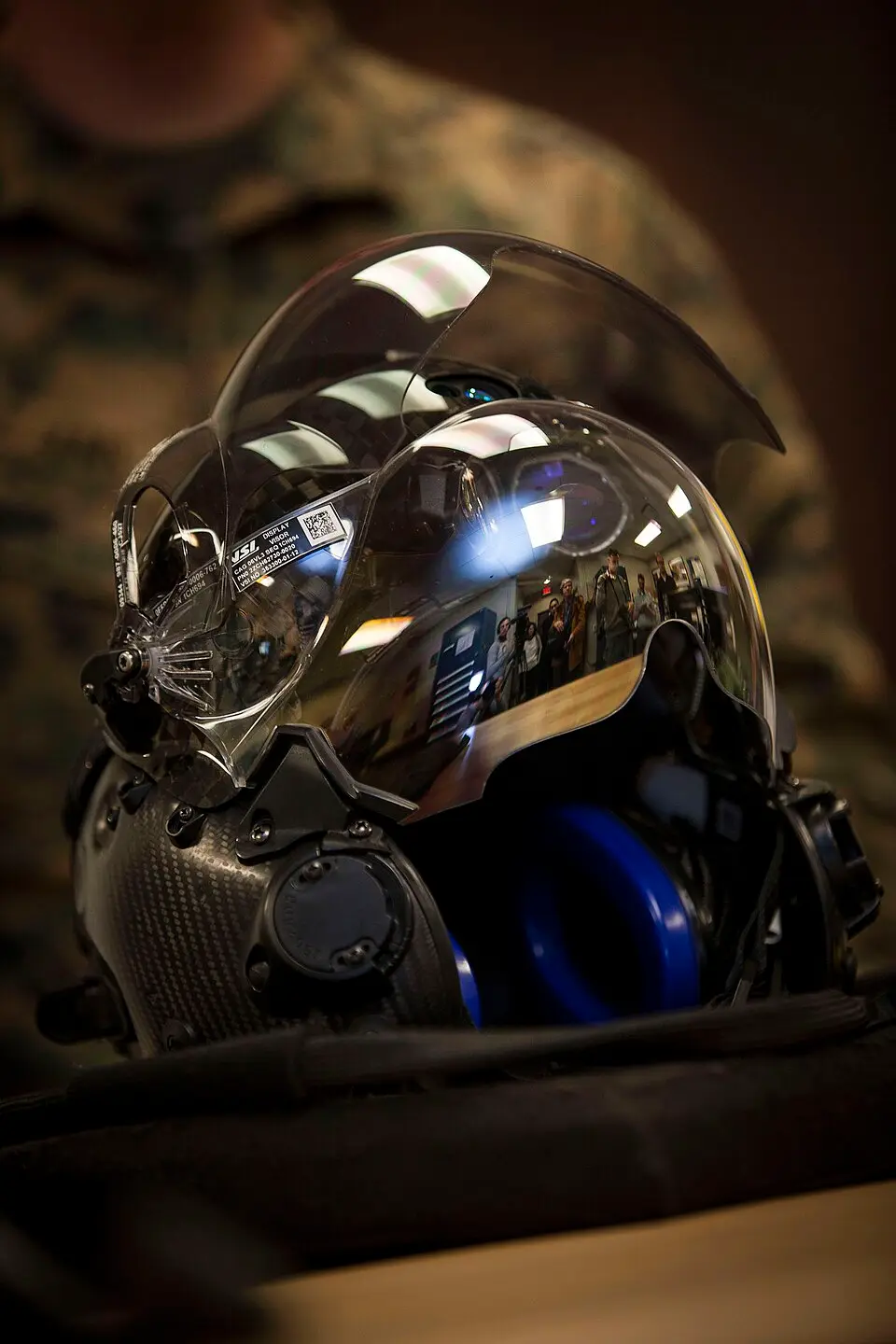
Modern American helmets, like those used by F-35 pilots, cost approximately $500,000 each. These highly advanced units completely replace the physical heads-up display in the cockpit, projecting vital flight data directly into the pilot's helmet visor.
External 90-Degree Targeting
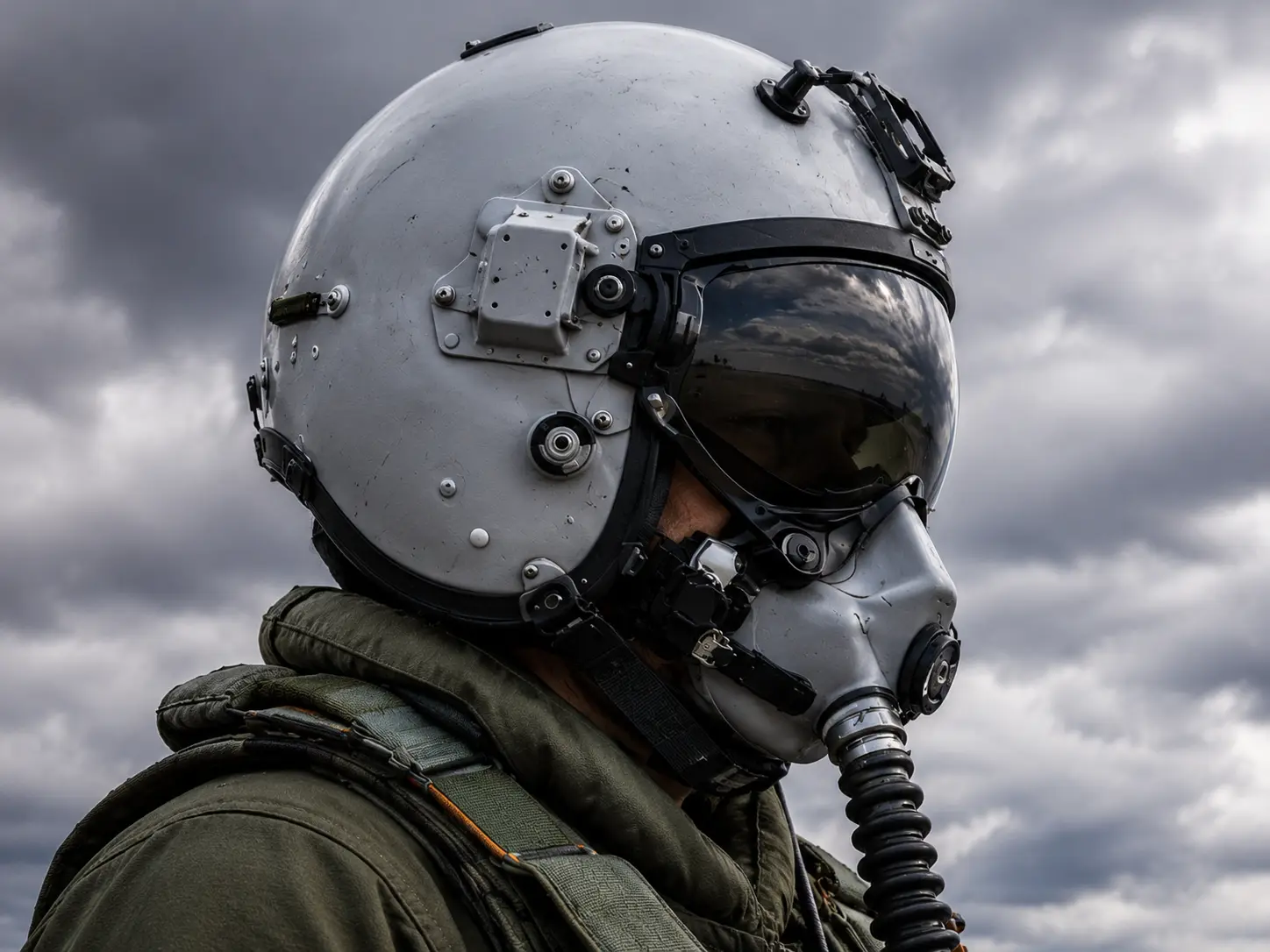
Russian designs heavily prioritise close-range combat, integrating helmet-mounted sights that allow pilots to lock onto targets at a 90-degree offset. Because these complex targeting systems were historically added as external attachments, they gave the helmets a much bulkier appearance.
3D Scanned Custom Fit
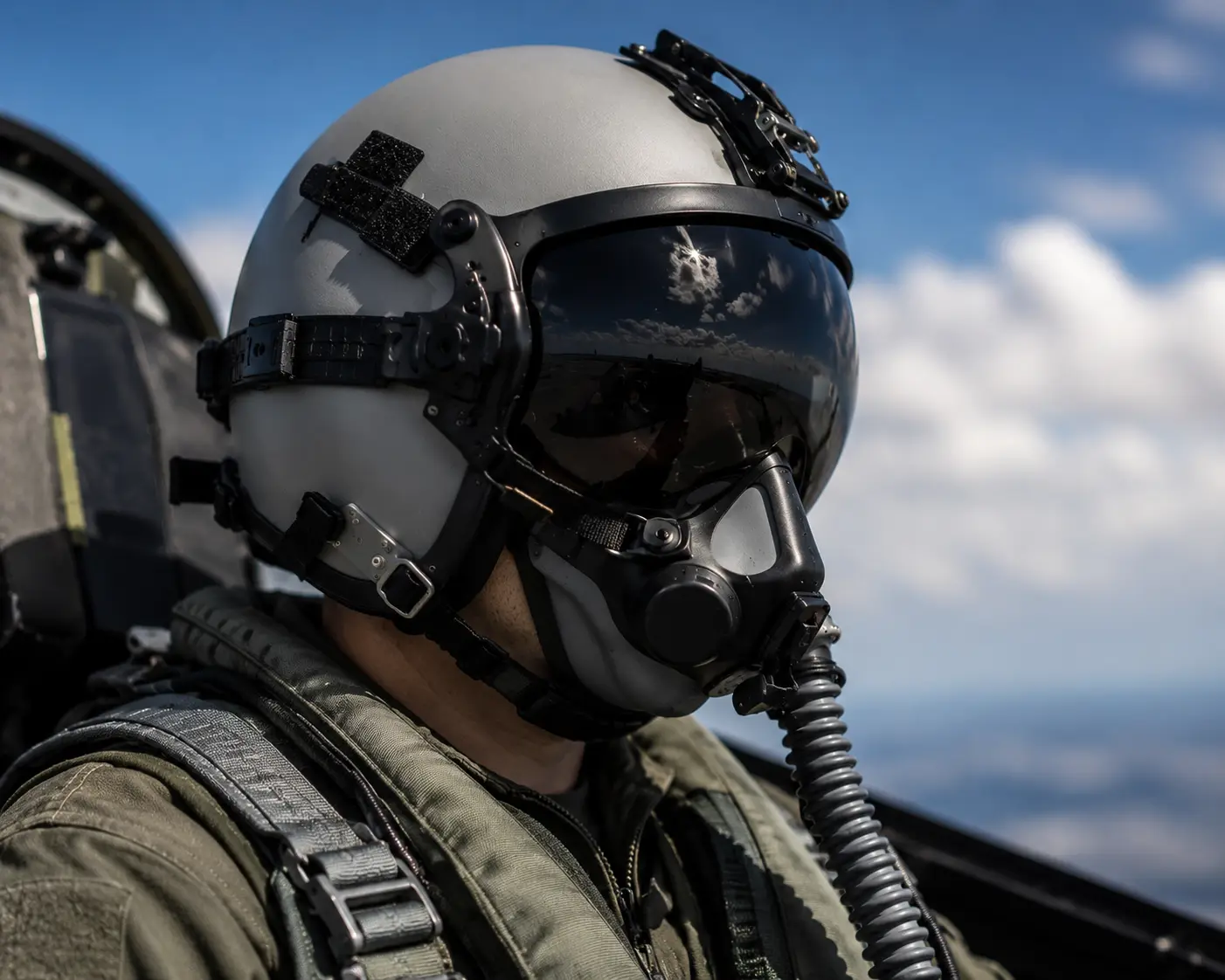
Unlike the universal Russian design, modern American military helmets are custom-built using 3D head scans to create a perfectly fitted inner liner. This tailored engineering results in a slimmer external profile while ensuring pilot safety during extreme 550 KEAS ejections.
Packs 2+ Kg Gear
Despite their sleeker exterior, modern Western fighter helmets easily weigh over two kilogrammes even before attaching night-vision systems. Advanced carbon fibre and Kevlar shells must securely hold communication gear, oxygen systems, and digital sensors to protect the pilot.
)
)
)
)
)