Why Russian ejection seats pop up arm deflectors compared to US seats

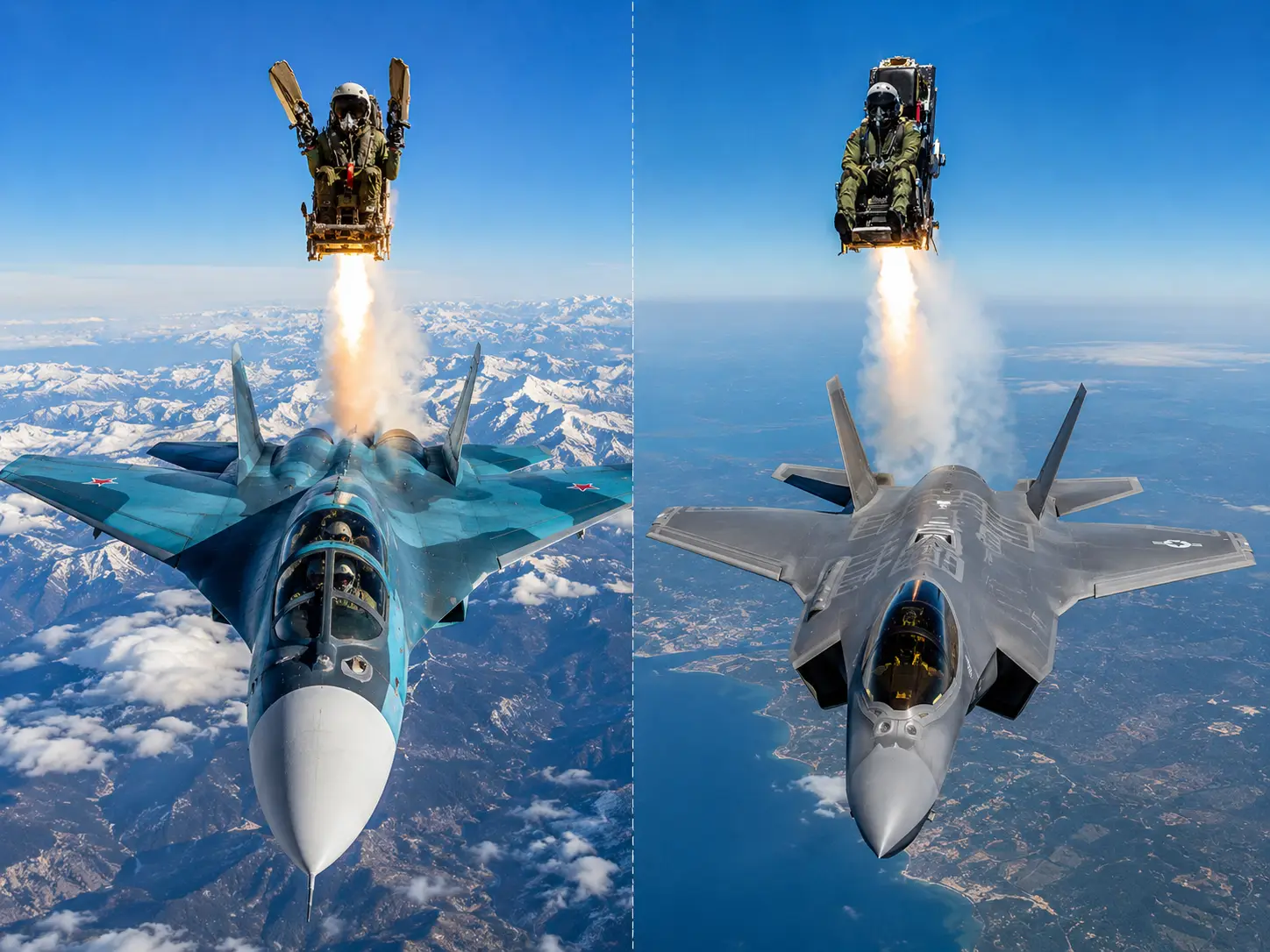
The Russian K-36 ejection seat safely extracts pilots at 755 knots using pop-up deflector shields and automated restraints. These deflectors protect the pilot's arms and legs from fatal 600-knot windblast forces during supersonic ejections.
755-Knot Ejection Speeds
The Russian Zvezda K-36 ejection seat is designed to safely extract pilots at extreme velocities. It successfully handles ejections up to 755 knots and Mach 2.5. At these speeds, the aerodynamic forces are incredibly violent and require specialised physical protection.
600-Knot Windblast Threat
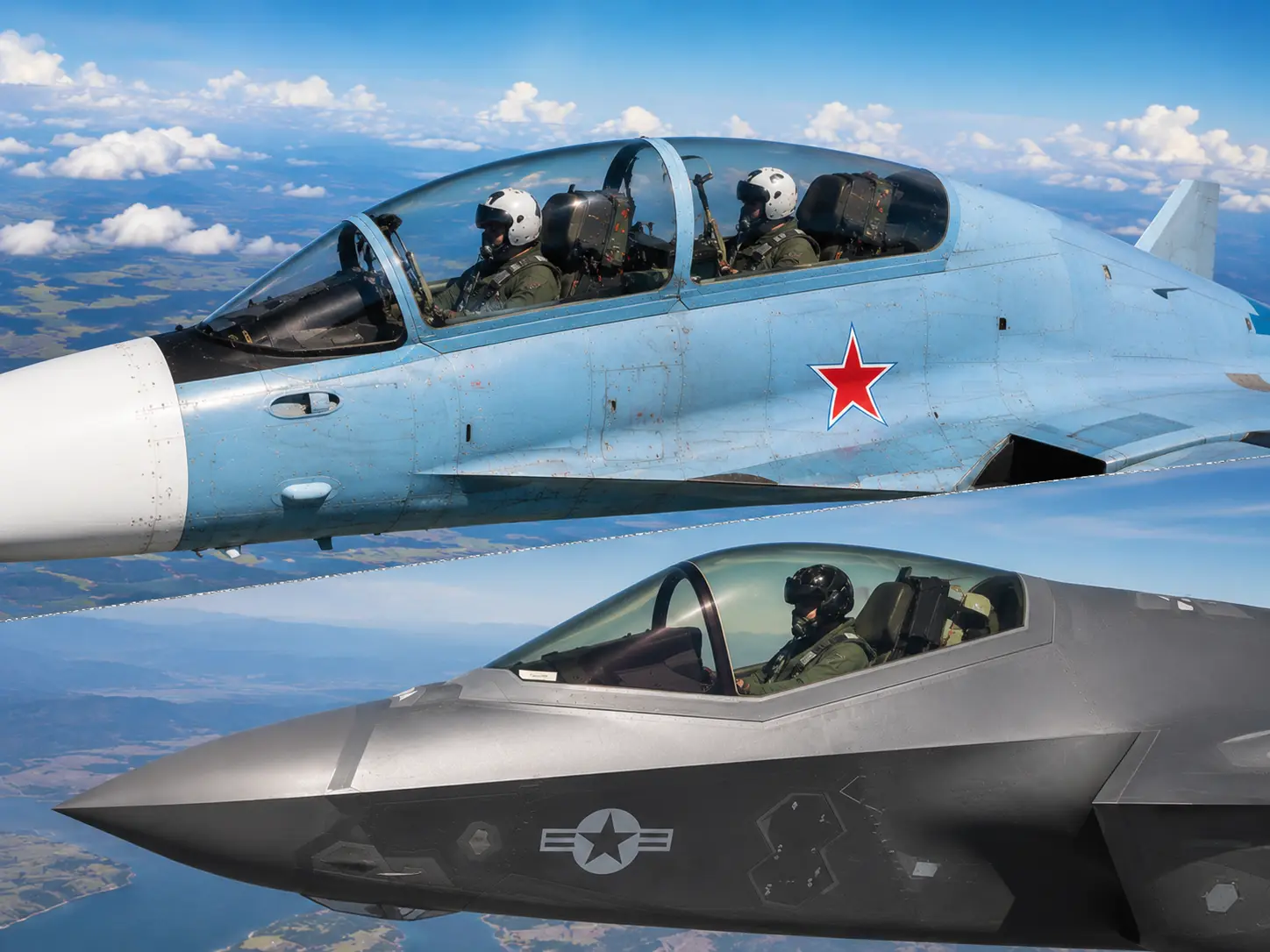
At 500 knots, the air outside a fighter jet acts like a solid wall. By the time speeds reach 600 knots, the dynamic pressure of the windblast exceeds human tolerance. This extreme airstream can violently flail a pilot's arms and legs, causing severe dislocations and fractures.
Mach 2.5 Deflector Shields
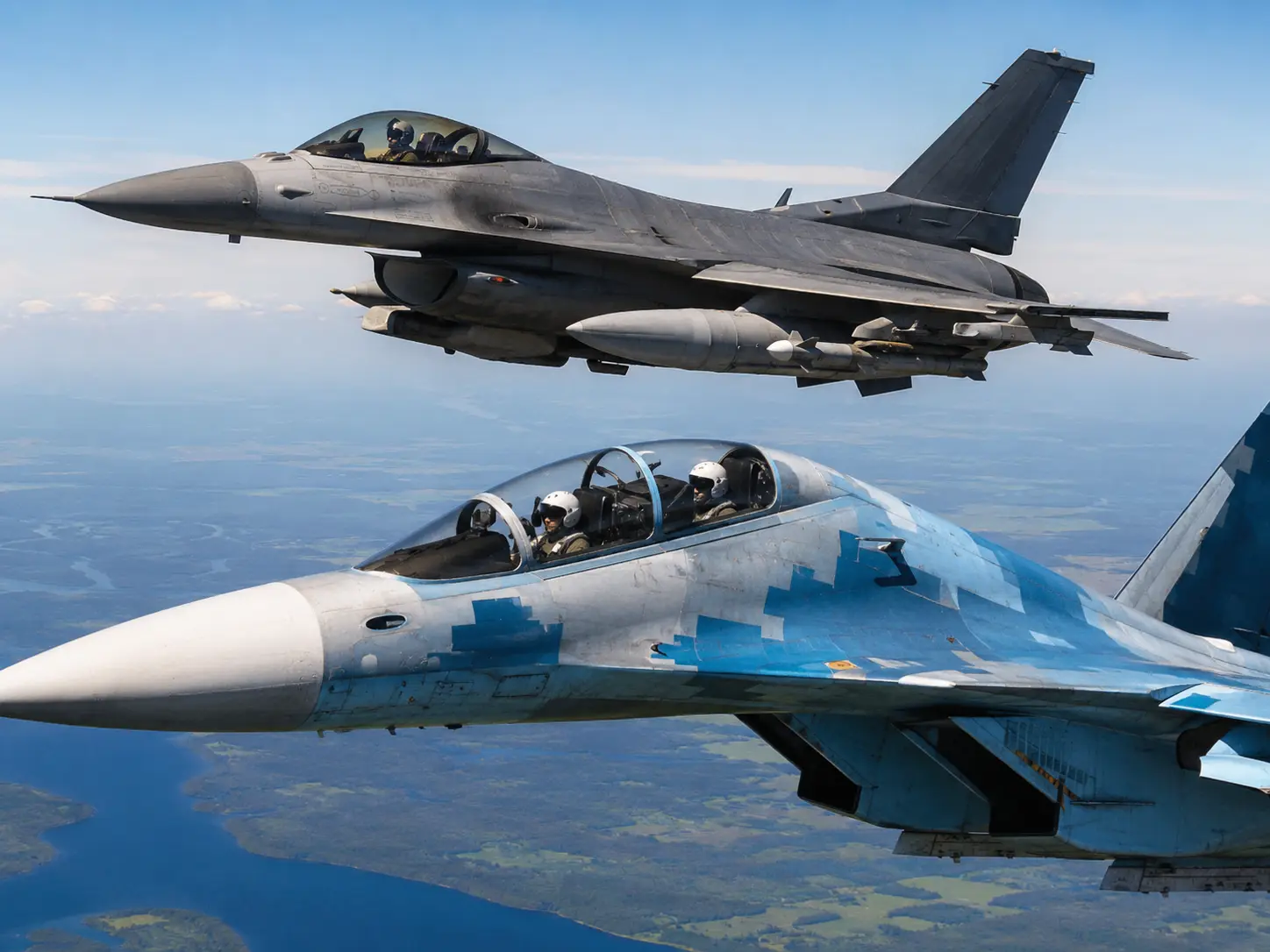
To safely extract a pilot during these supersonic emergencies, the K-36 seat incorporates specialised mechanical deflector shields. These shields automatically pop up during the ejection sequence. They actively divert the high-speed windblast away from the pilot's arms and legs to prevent fatal impacts.
1 Automated Restraint System
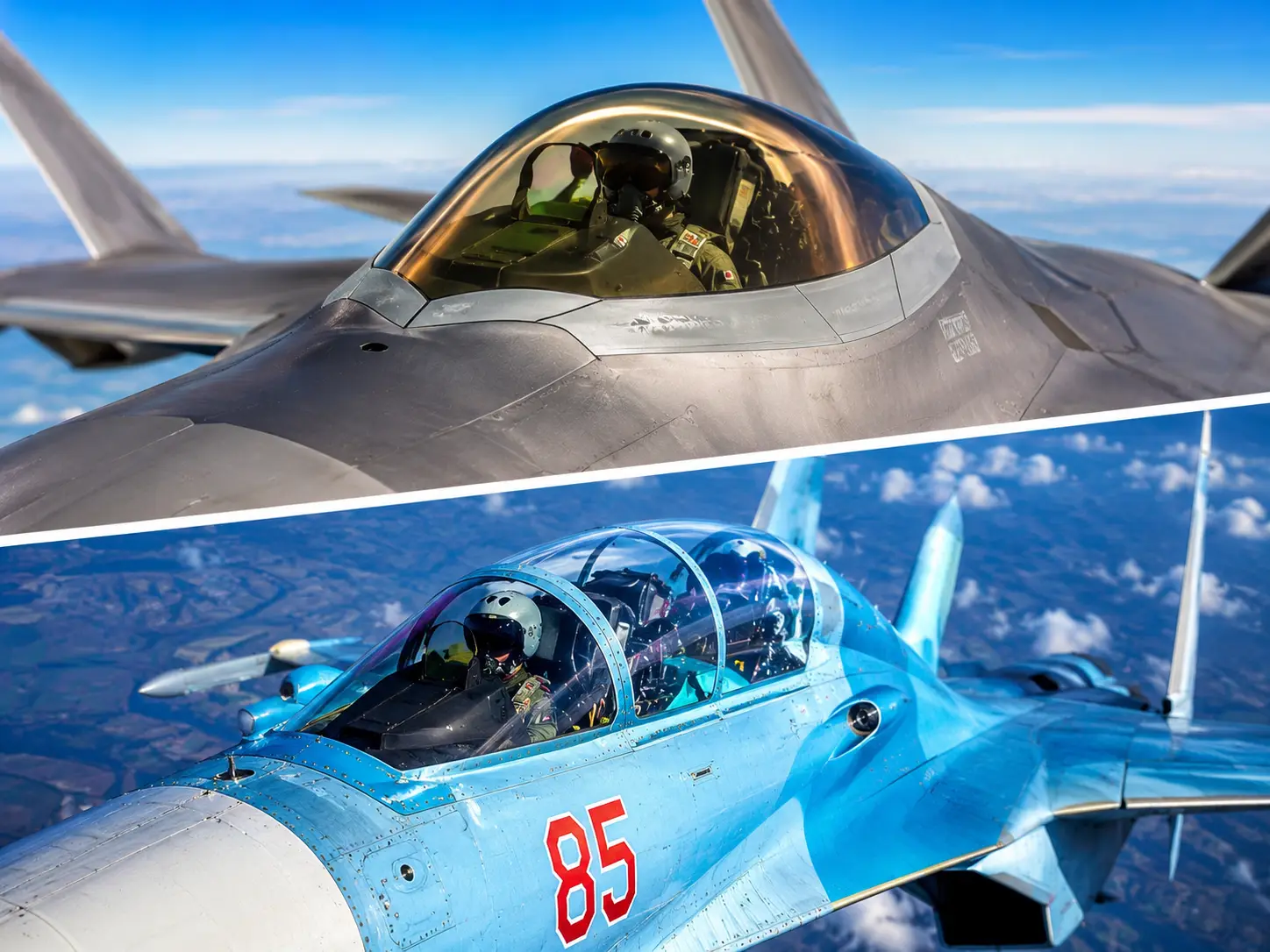
Working alongside the mechanical deflectors, the ejection seat uses an automated limb restraint system to completely prevent flailing injuries. These heavy-duty straps and mechanical catchers quickly pull the pilot's arms and legs inwards. They securely lock the limbs into a protected position before the seat clears the cockpit.
1993 US Joint Evaluation
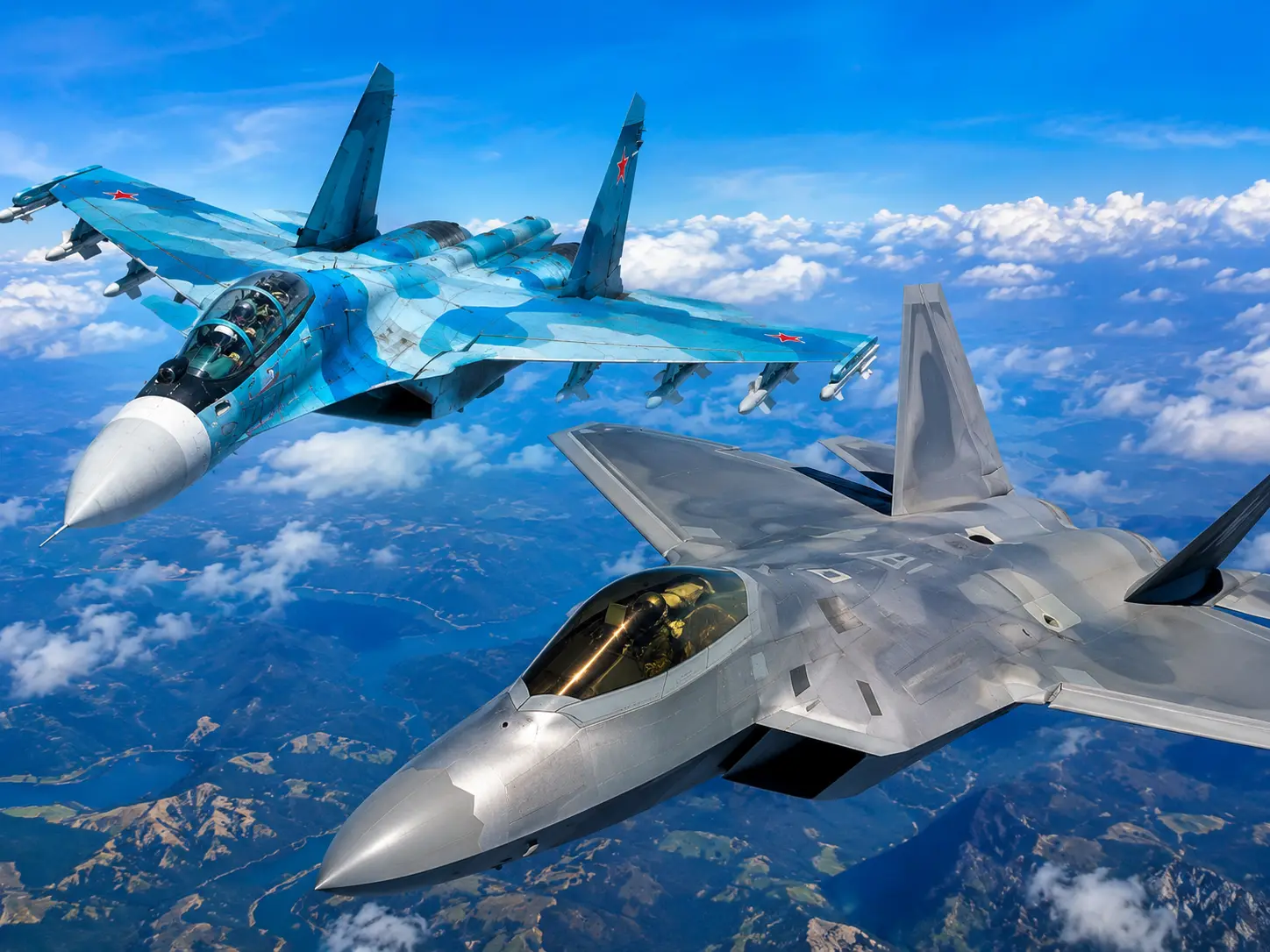
During a 1993 Foreign Comparative Testing programme, the United States military evaluated the K-36D ejection seat. The rigorous testing demonstrated the Russian design's clear superiority in handling high-speed and high-altitude ejections. Western seats were largely aerodynamically unstable and lacked comparable limb restraints.
)
)
)
)
)