Why Russian aircraft use flexible refuelling hoses compared to US refuelling booms

Russian jets use flexible hoses to refuel multiple aircraft simultaneously. US rigid booms pump fuel much faster for heavy bombers but require complex hardware. Probe-and-drogue systems also easily fit onto standard fighter jets.
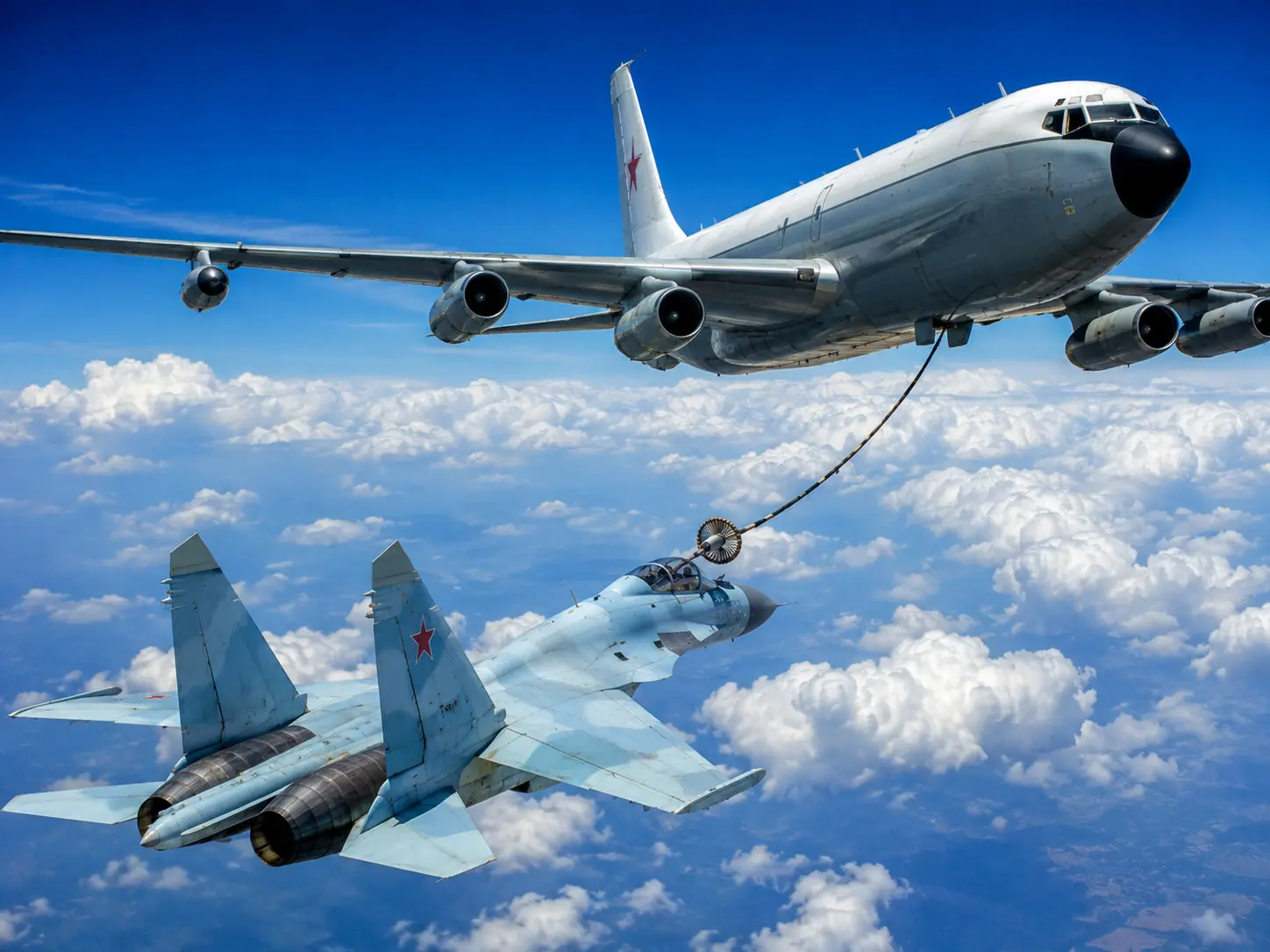
3 Simultaneous Hose Connections
The probe-and-drogue system allows a single tanker to deploy up to three flexible hoses with stabilising baskets at the same time. This practical design enables multiple fighter jets to receive fuel simultaneously during combat missions. The rigid flying boom preferred by the US can only refuel one aircraft at a time.
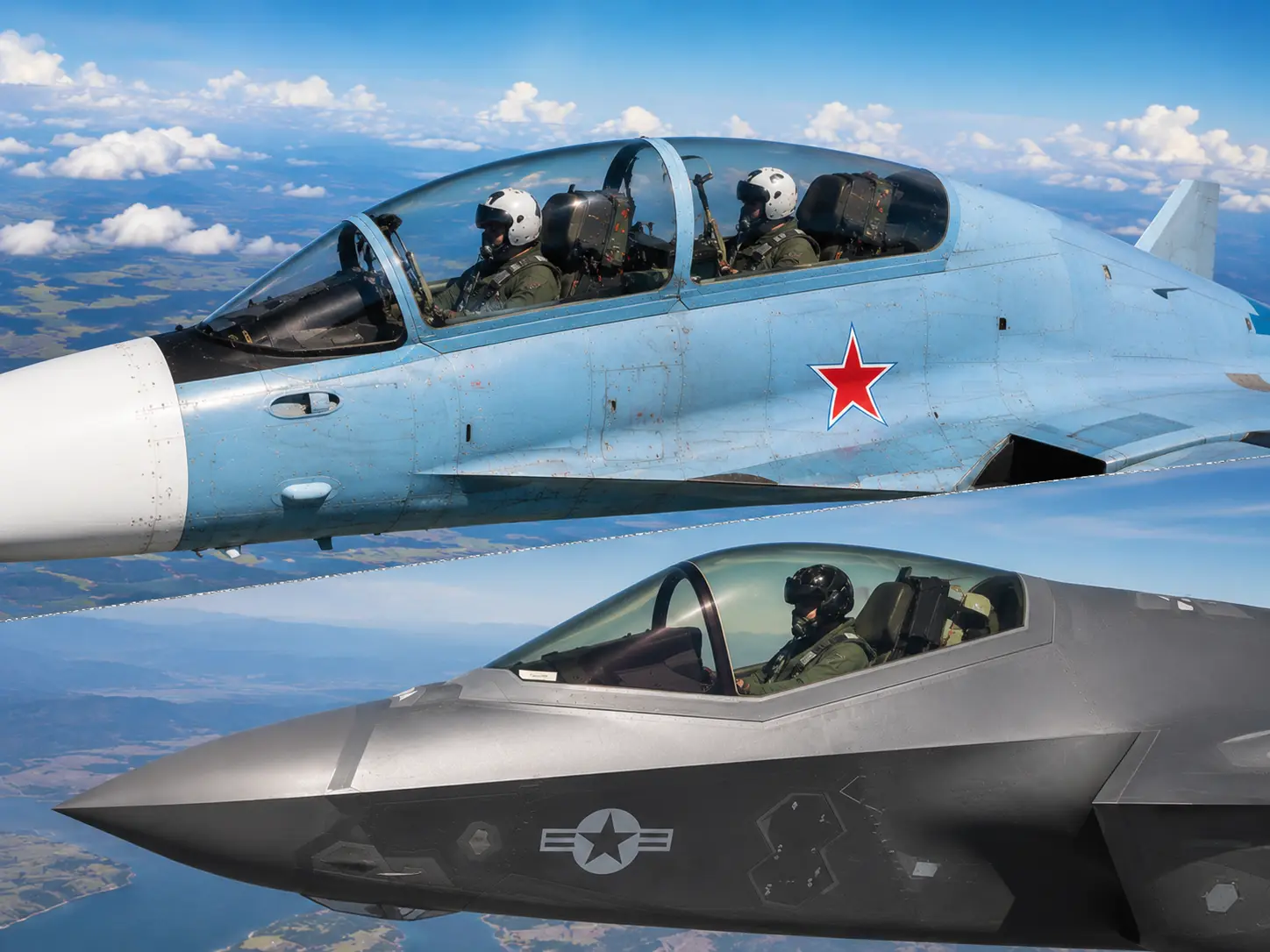
4,000 Litres Per Minute
The United States primarily uses rigid flying booms to transfer fuel at massive pressures of around 4,000 litres per minute. This fast transfer rate is essential for quickly filling large strategic bombers like the B-52. However, standard tactical fighters generally cannot accept fuel at these extreme high-pressure rates.
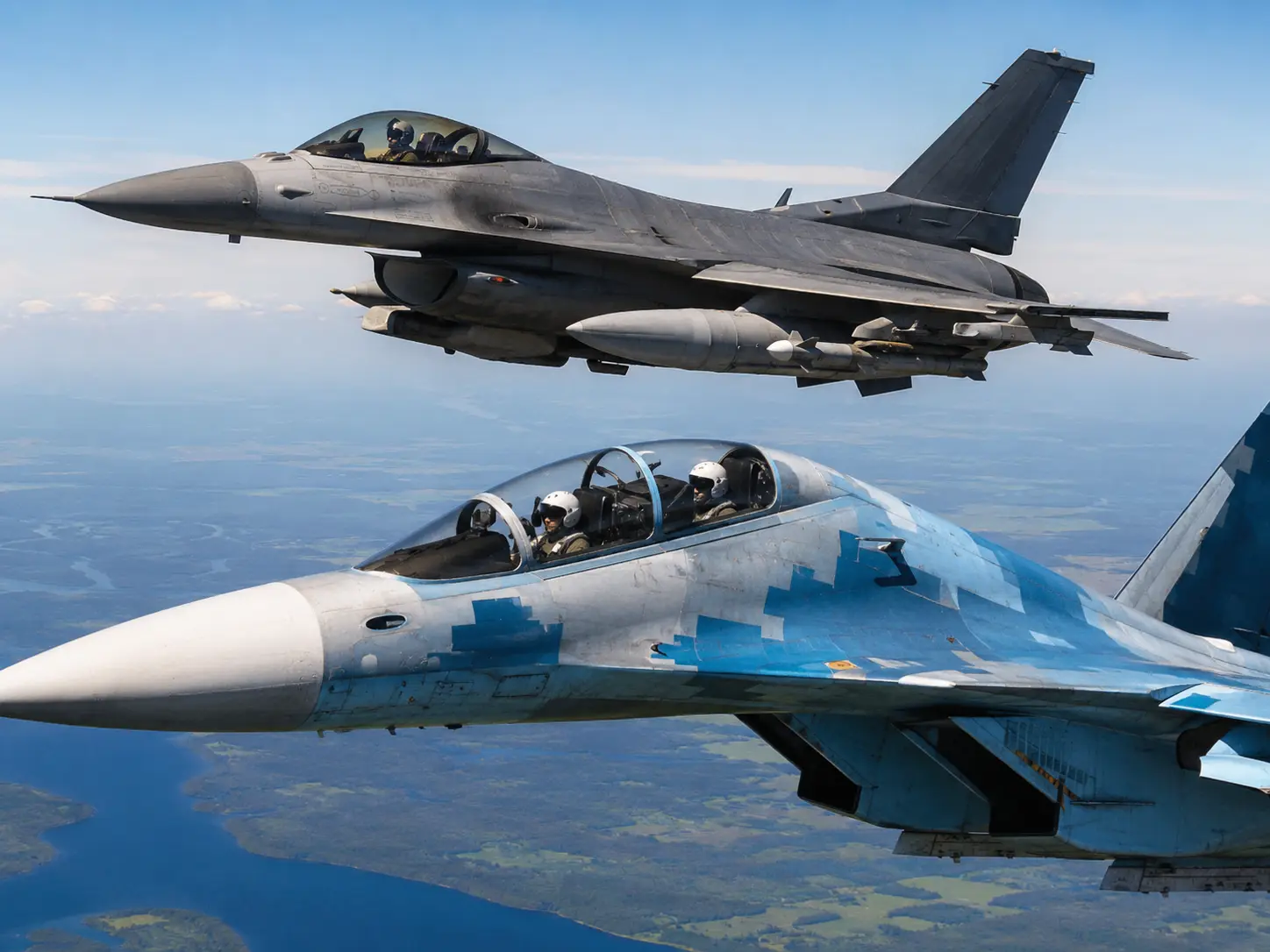
22-Metre Trailing Hoses
Russian refuelling systems trail a flexible hose that measures approximately 22 metres long behind the primary tanker aircraft. This generous length allows the receiving aircraft to maintain a safe physical distance during the transfer process. The extended gap significantly reduces the risk of mid-air collisions.
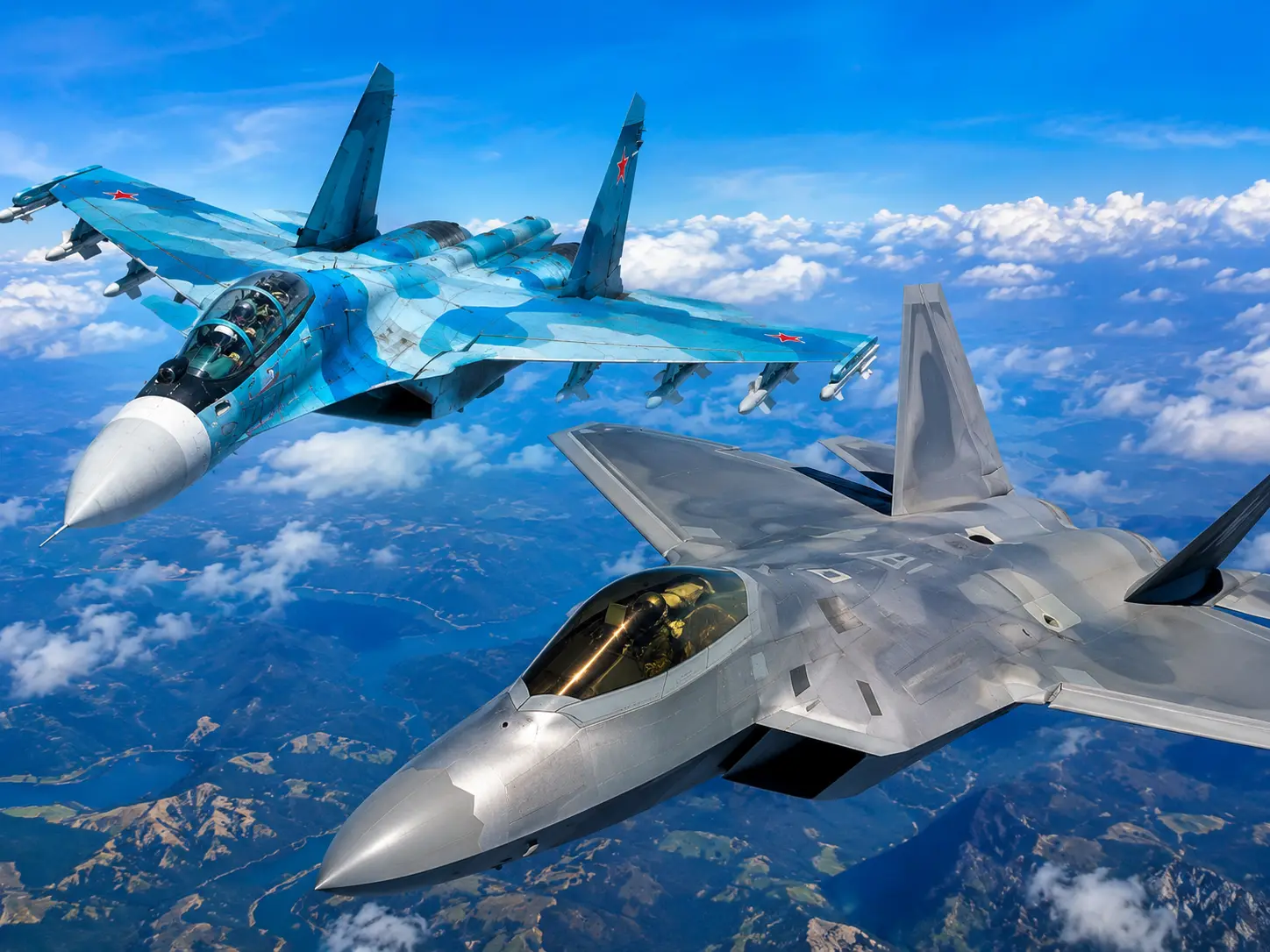
500 km/h Docking Speeds
During operations at speeds around 500 km/h, the pilot must manually guide their aircraft's fixed probe into the swaying drogue basket. This transfers the physical workload entirely to the receiving pilot rather than requiring a dedicated tanker crew operator. The system removes the need for complex internal boom control stations.
1,500 Litres Per Minute
The flexible hose transfers fuel at a slower rate of 1,100 to 1,500 litres per minute because it cannot handle extreme rigid boom pressures. Despite the slower speed, the system easily adapts to tactical fighters using removable buddy pods under the wings. This turns standard jets into impromptu mid-air tankers without permanent modifications.
)
)
)
)
)