Why Russia’s Su-57 fighter jet depends heavily on thermal stealth during dogfights

Modern dogfights depend heavily on thermal stealth. The Su-57 uses advanced heat control to reduce engine infrared signatures during close-range combat. Its IRST system detects enemy heat before enemies see it. Combined thermal management gives pilots decisive advantages.
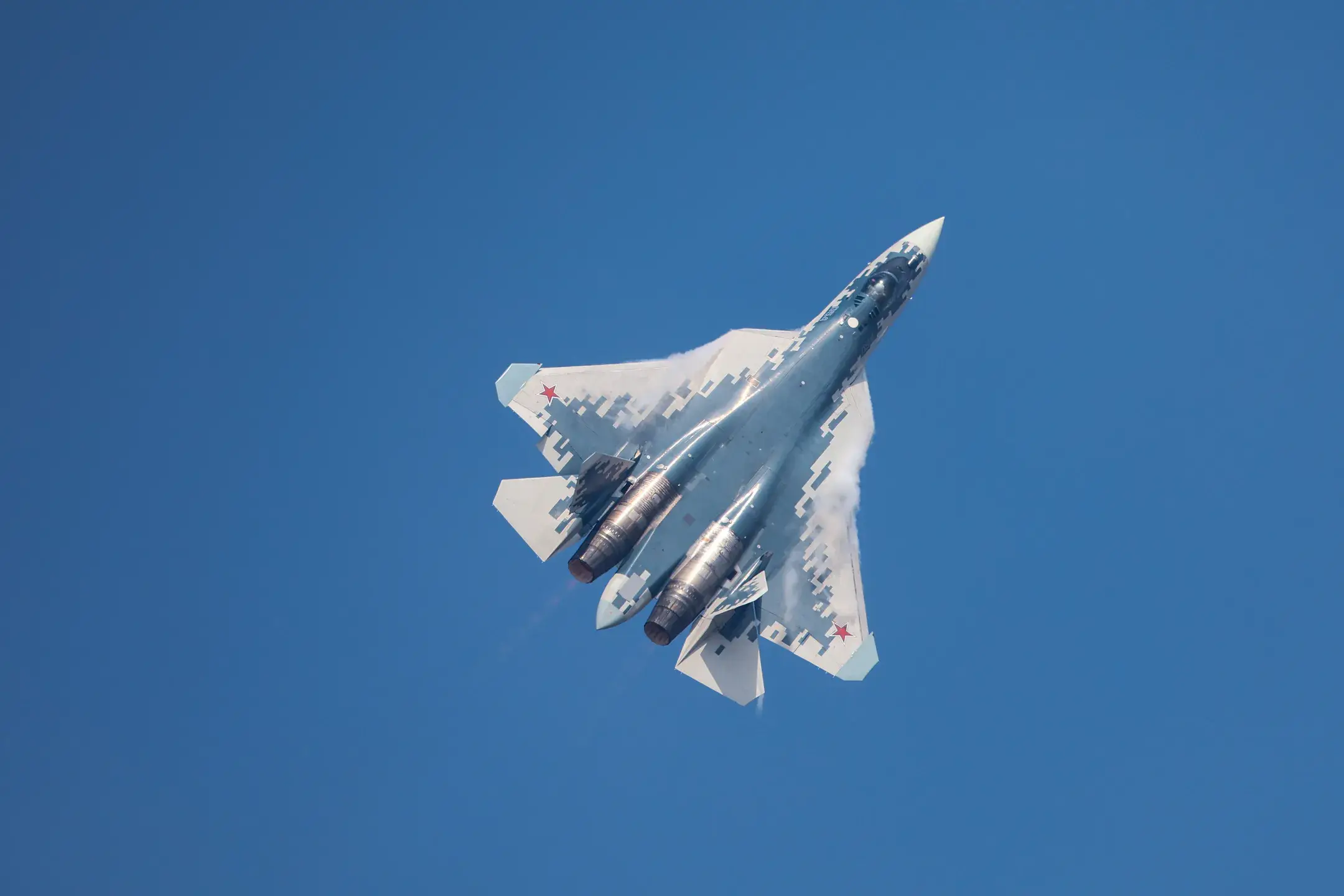
Heat-Seeking Missiles Define Modern Close-Range Air Combat
Dogfights today rely on heat-seeking missiles, not guns like older wars. These missiles lock onto engine heat from kilometres away. The Su-57 designed thermal stealth into every system. By reducing engine temperature, the aircraft becomes harder to detect during dogfights. Modern air combat favours pilots who stay invisible to thermal sensors longest.
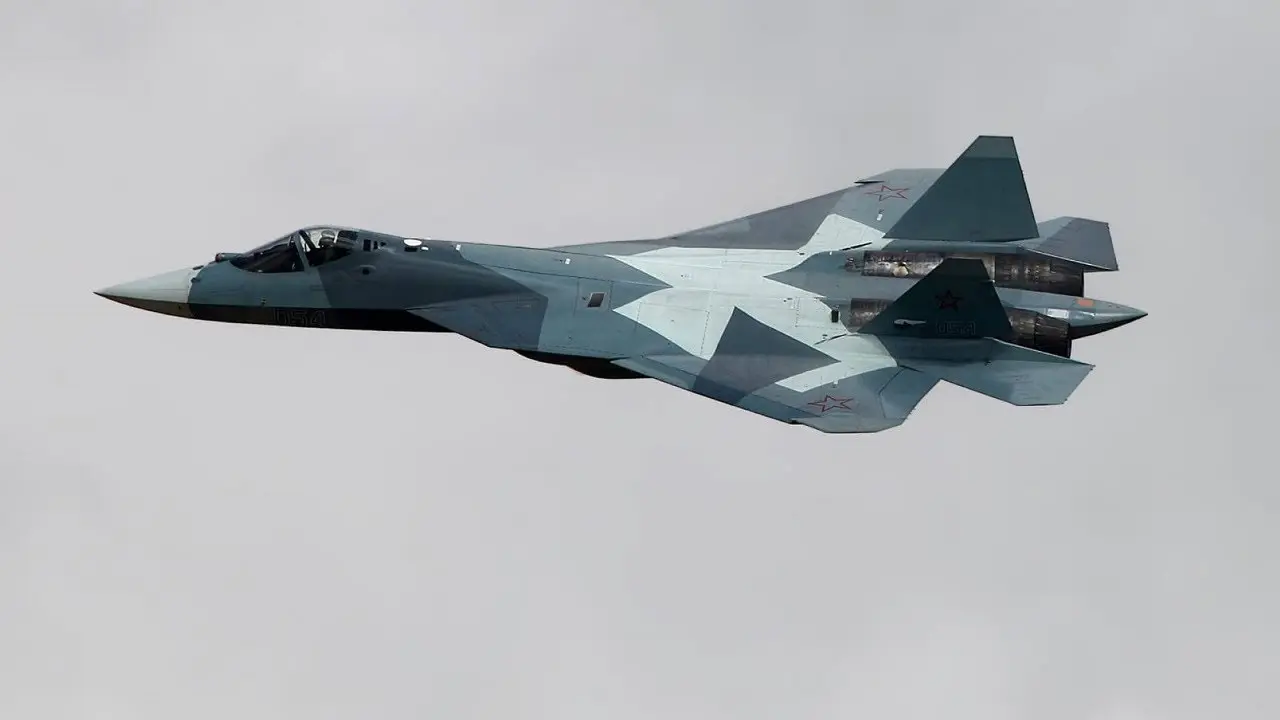
Su-57's IRST System Spots Enemy Heat Before Enemy Spots It
The Su-57 carries an infrared search and track system called OLS-50M. This passive sensor scans airspace detecting heat signatures from aircraft and missiles. It works silently without alerting enemies like radar does. Pilots detect incoming threats first. According to defence reports, IRST gives crucial early warning in dogfights by spotting enemy aircraft heat signatures at long distances.
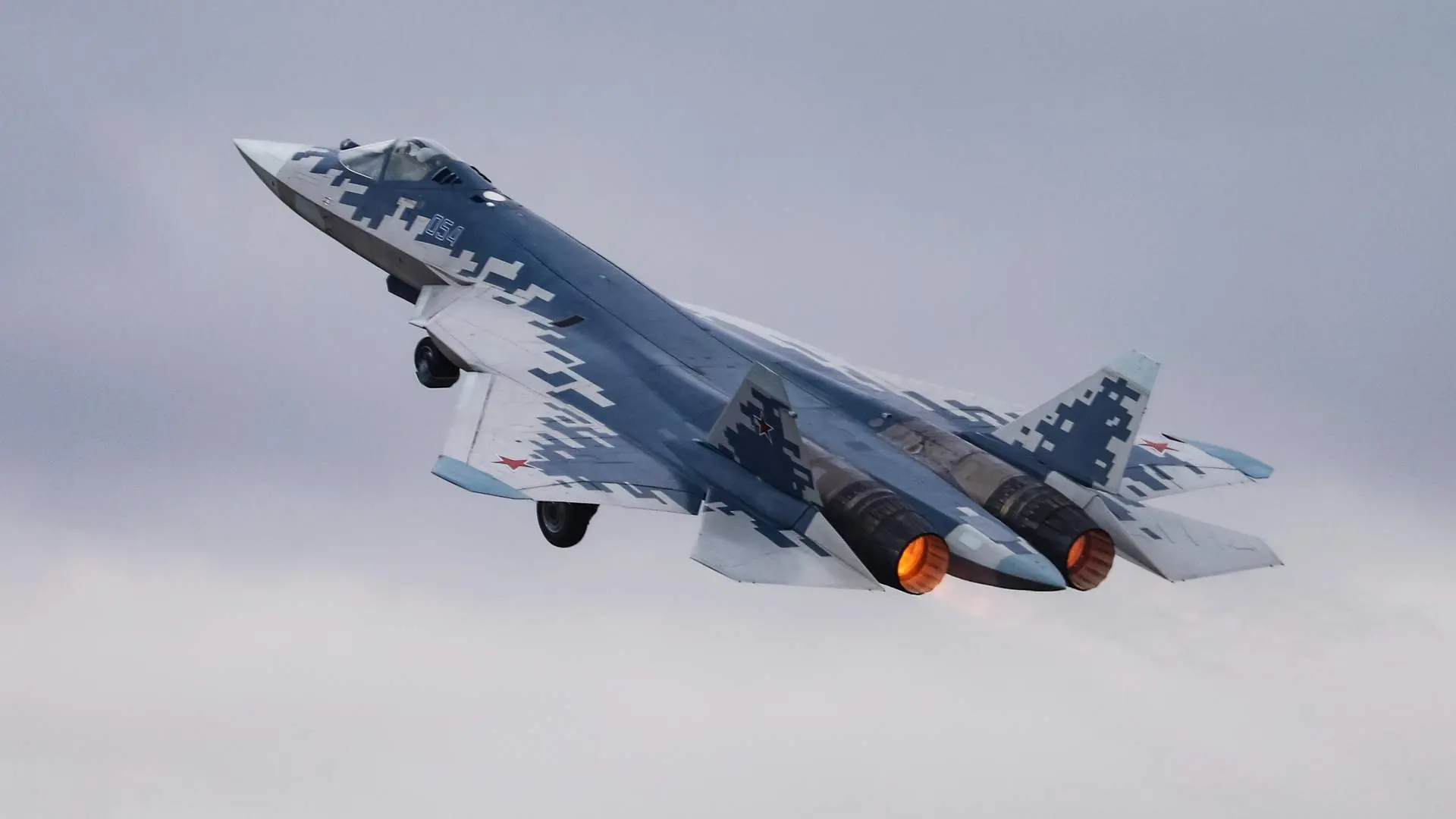
Warning System Detects Missile Launches Giving Pilots Reaction Time
The IRST system also detects incoming heat-seeking missiles by spotting their exhaust plumes. When a missile launches, the system alerts the pilot immediately. This early warning gives crucial seconds for evasive action. Defence reports confirm pilots need maximum warning time against modern missiles. The Su-57's IRST provides this advantage by detecting thermal threats before traditional radar systems can.
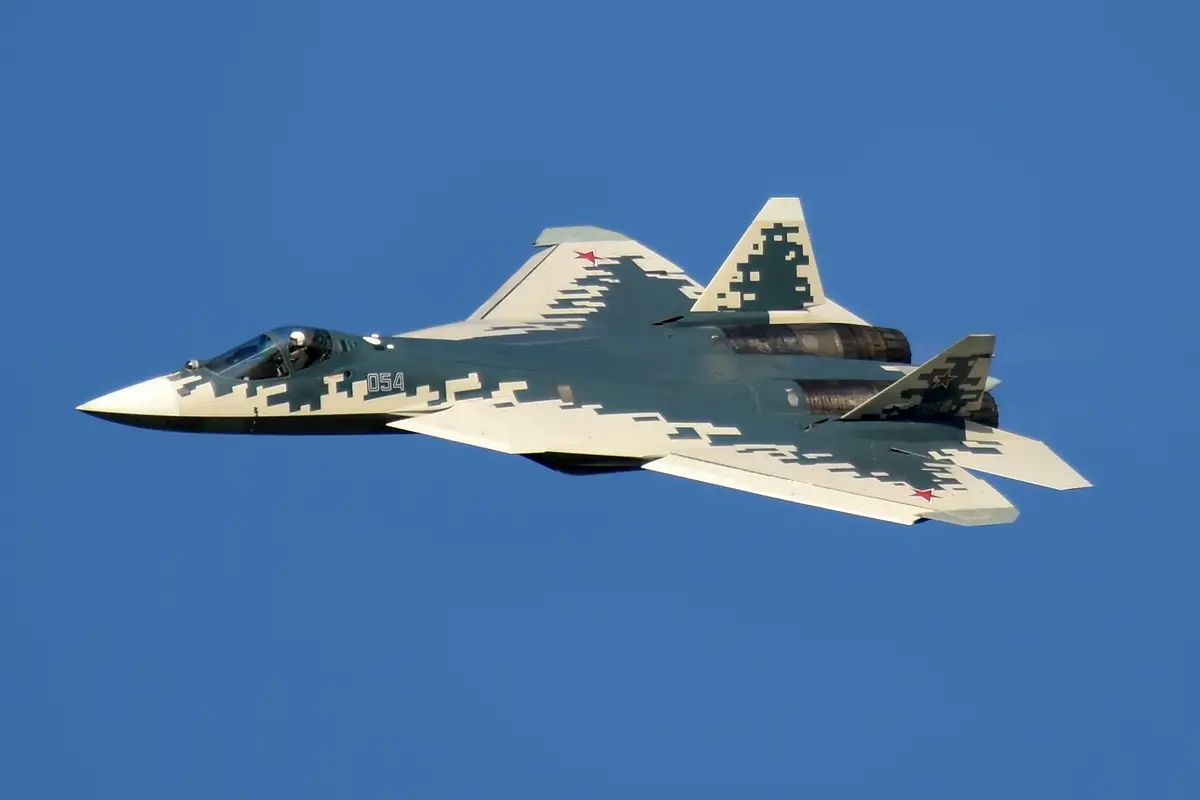
Cool Engines Make Aircraft Invisible to Thermal Seekers in Turns
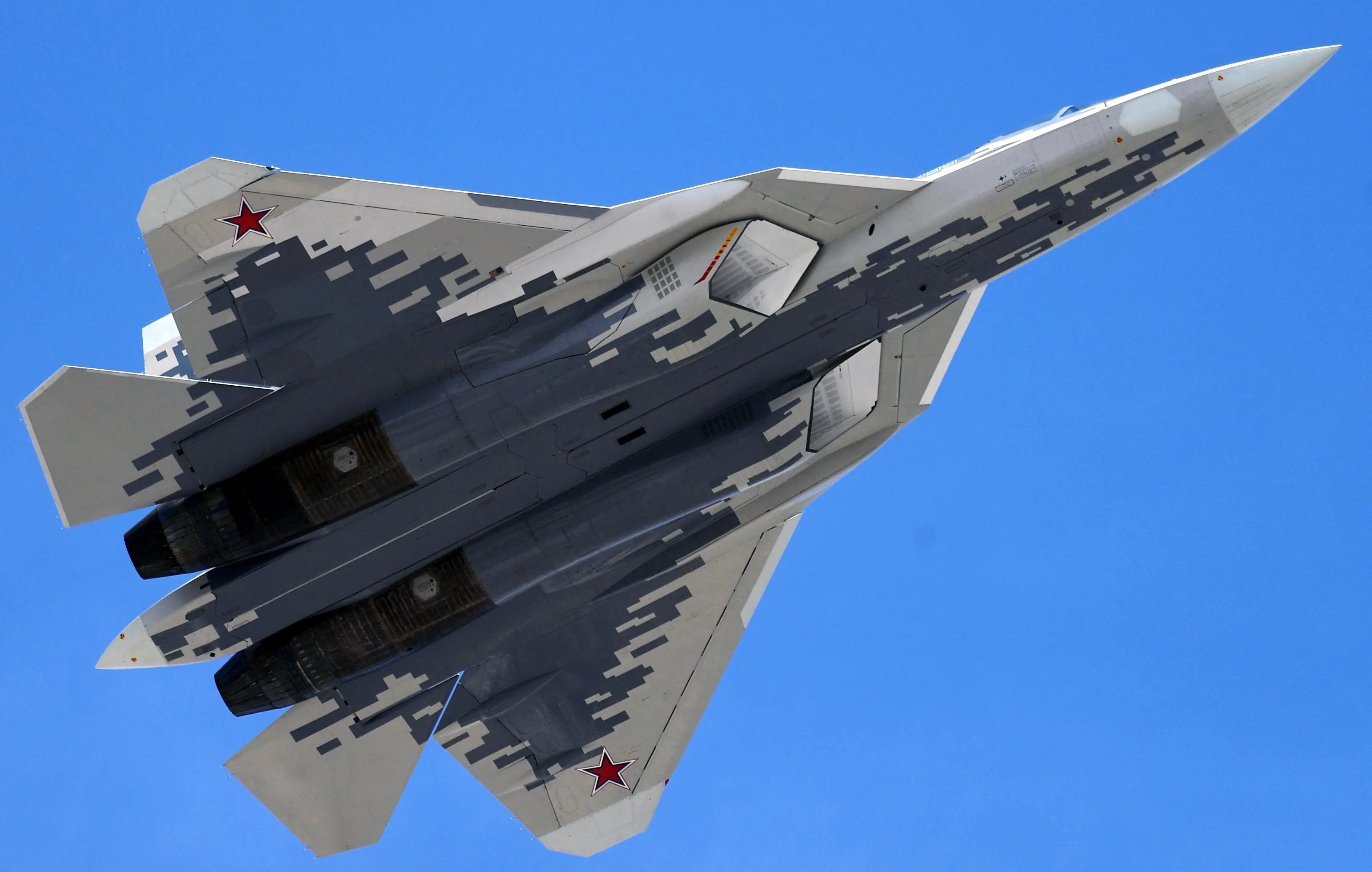
During dogfights, pilots cannot turn off engines. The Su-57 manages this by reducing engine heat output during combat. Bypass air mixes with hot exhaust, lowering temperatures significantly. Pilots control this mixing ratio through engine management systems. According to defence sources, lower engine temperature means weaker thermal signature during aggressive turning manoeuvres. This keeps aircraft less visible to heat-seeking missiles.
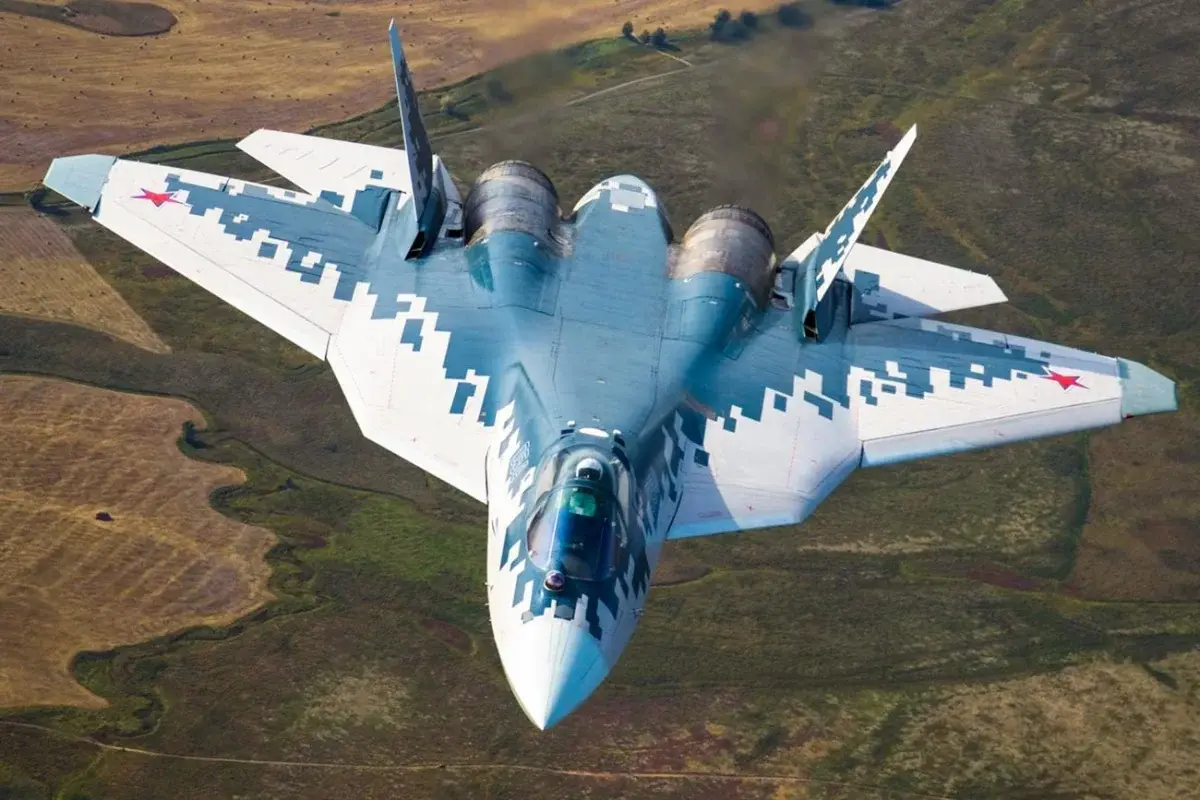
Flat Engine Nozzles Scatter Heat Reducing Detection Range Dramatically
The new Su-57E features flat, two-dimensional engine nozzles instead of round ones. These rectangular nozzles spread exhaust heat across much wider areas. When heat spreads over larger spaces, thermal sensors detect weaker signatures. Russian engineers confirmed flat nozzles reduce infrared visibility compared to traditional designs. This geometry change significantly improves thermal stealth during intense dogfight manoeuvres.
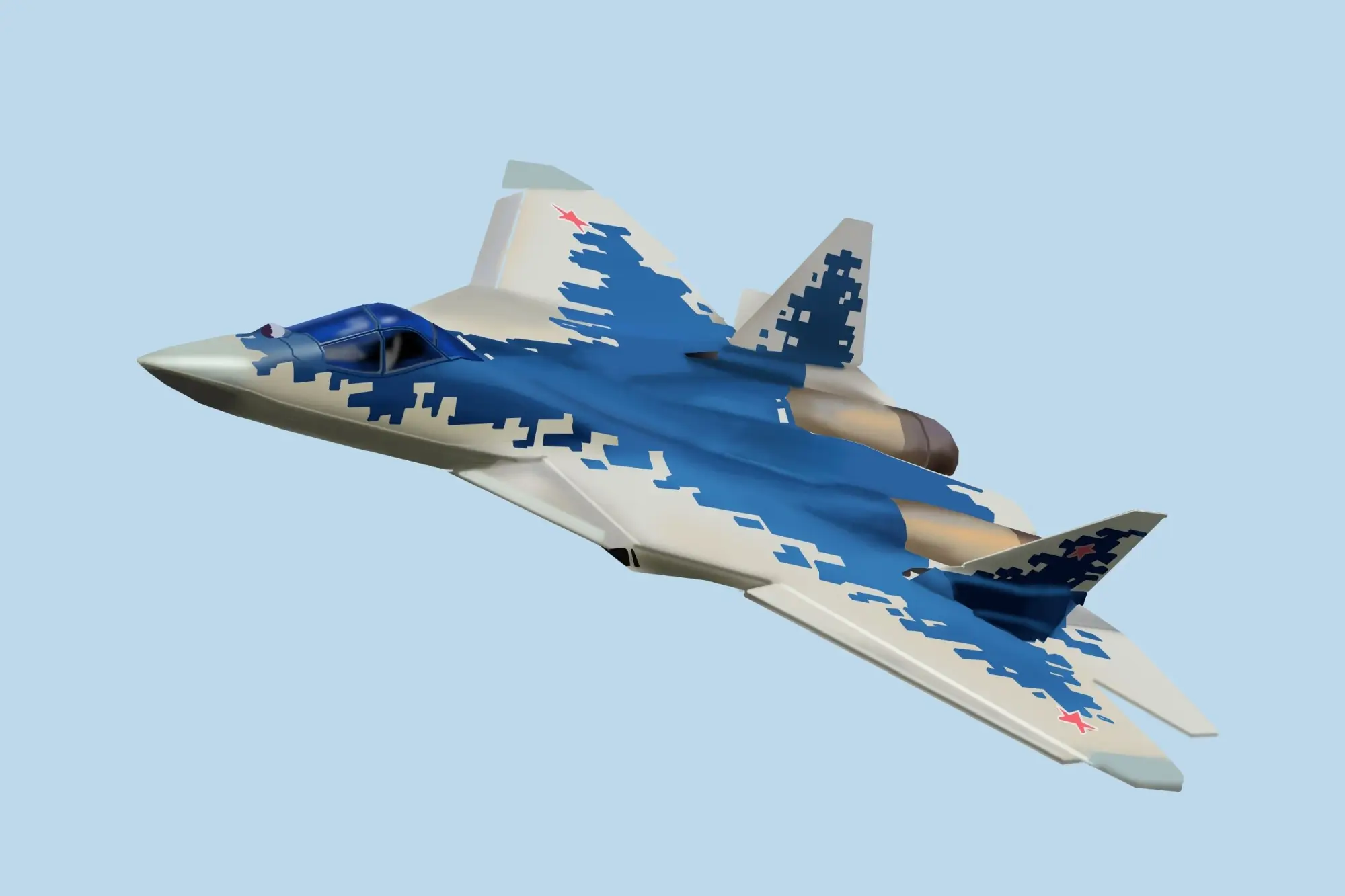
Angled Nozzles Direct Heat Away From Missile Seekers During Combat
Three-axis thrust vectoring lets pilots angle nozzles independently. They direct hot exhaust downward or sideways instead of directly backwards. This positional control prevents thermal sensors from detecting strongest heat signatures. According to defence analysis, thrust vectoring combined with heat management provides superior thermal stealth from multiple attack angles during close-range engagement.
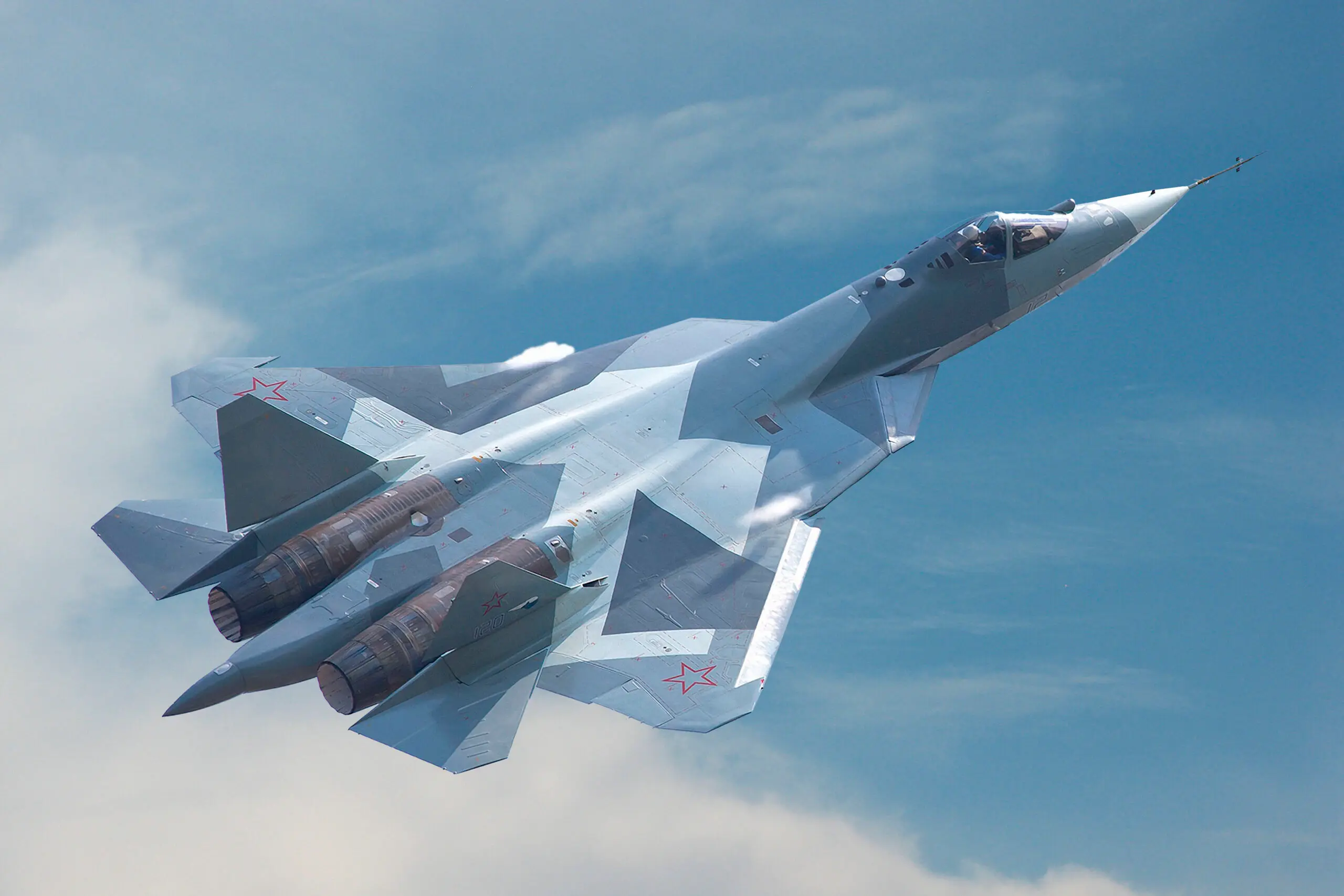
Special Composite Materials Contain Engine Heat Reducing Thermal Emissions
Russia tests advanced heat-shield composites around Su-57 engine bays. These materials absorb excess heat and prevent radiation outward. According to defence reports, these composites reduce infrared emissions by 40 to 50 per cent. Combined with engine cooling systems, overall thermal signature reduces by over 60 per cent. Internal containment means aircraft naturally produces weaker heat signatures during combat.
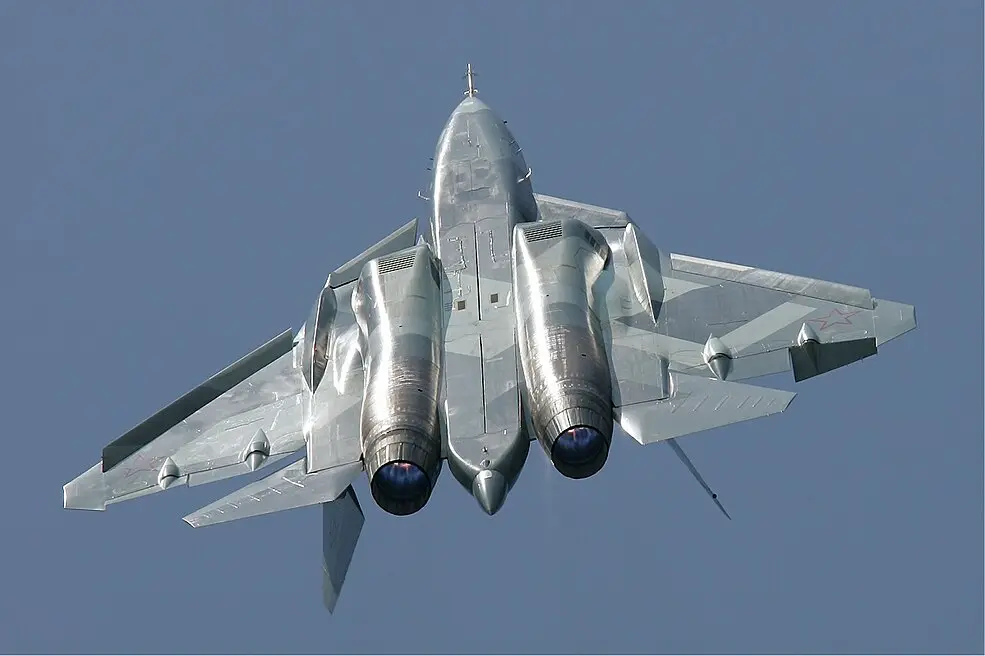
101KS-O Lasers Detect and Blind Heat-Seeking Missile Seekers Automatically
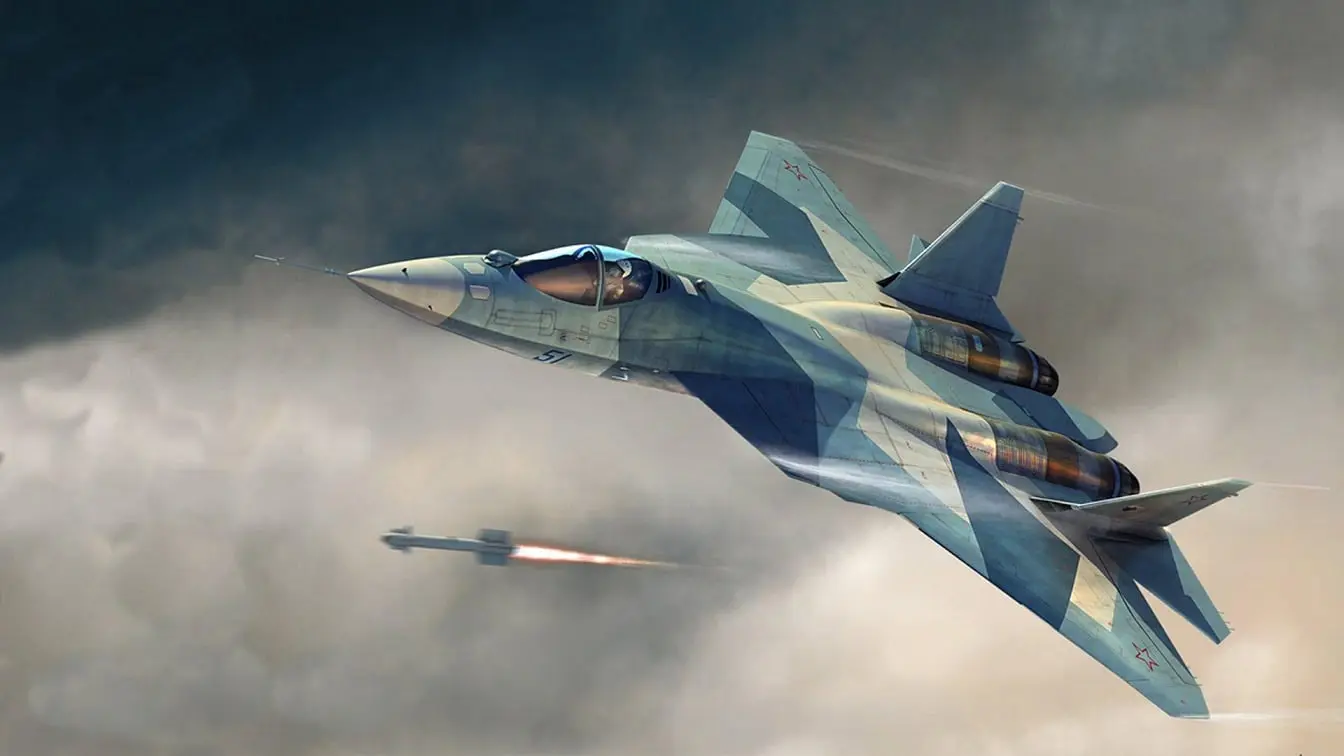
The Su-57 carries the 101KS-O directed infrared countermeasure system using infrared lasers. When missiles approach, the system automatically detects them and locks onto the seeker head. Lasers then flood the seeker with infrared light, blinding guidance systems. According to defence analysis, this active system provides unique protection against sophisticated heat-seeking missiles during intense dogfights.
Forty Flares Deploy Automatically When Heat-Seeking Missiles Launch
The Su-57 carries approximately forty infrared flare cartridges. When missiles launch, pilots deploy flares in specific patterns filling airspace with multiple heat sources. Missile seekers must decide which target is real and which is decoy. According to defence experts, experienced pilots programme flare sequences based on threat types. This passive defence layer increases missile miss probability significantly.
Seven Systems Give Su-57 Maximum Thermal Advantage in Dogfights
The Su-57 combines seven thermal defence layers. First, reduced engine heat makes initial detection harder. Second, thermal materials absorb additional heat. Third, IRST warns pilots of threats. Fourth, flares confuse seekers. Fifth, laser countermeasures actively defend. Sixth, thrust vectoring angles nozzles. Seventh, pilot manoeuvres execute evasion. According to defence analysts, this integrated approach provides exceptional dogfight survivability against multiple threats simultaneously.
)
)
)
)
)