Why Russia and the US design their fighter jet missiles so differently

US missiles prioritise stealth integration and network targeting, while Russian designs rely on massive range, heavy warheads, and mixed-seeker salvos.
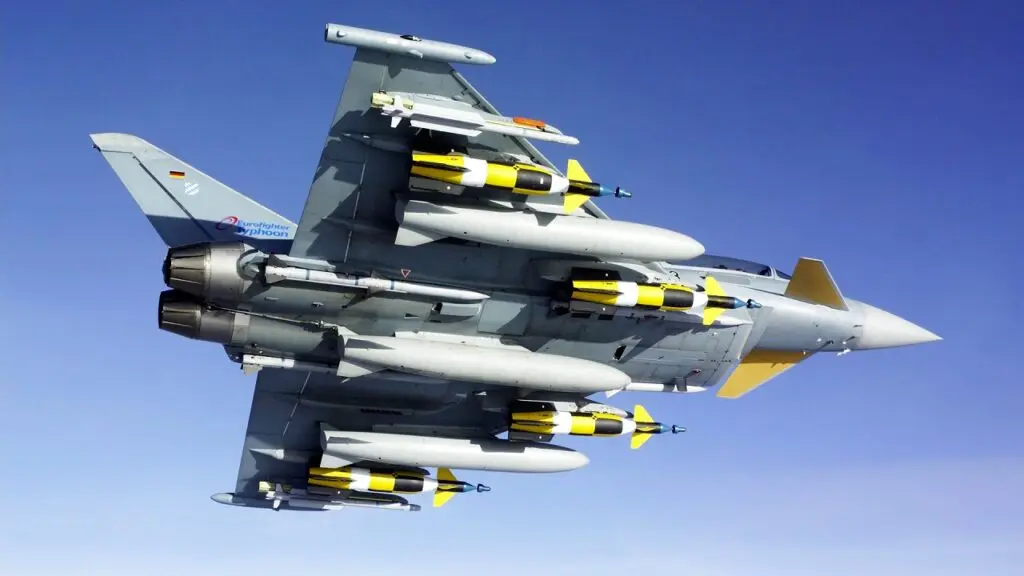
Mach 6 speed limits
Russian design philosophy focuses heavily on high speed and long-range capabilities to intercept targets quickly. Missiles like the R-37M can reach speeds of Mach 6 to neutralise high-value Western assets like tankers and early warning aircraft. These large weapons are built primarily for external carriage on heavy interceptors.
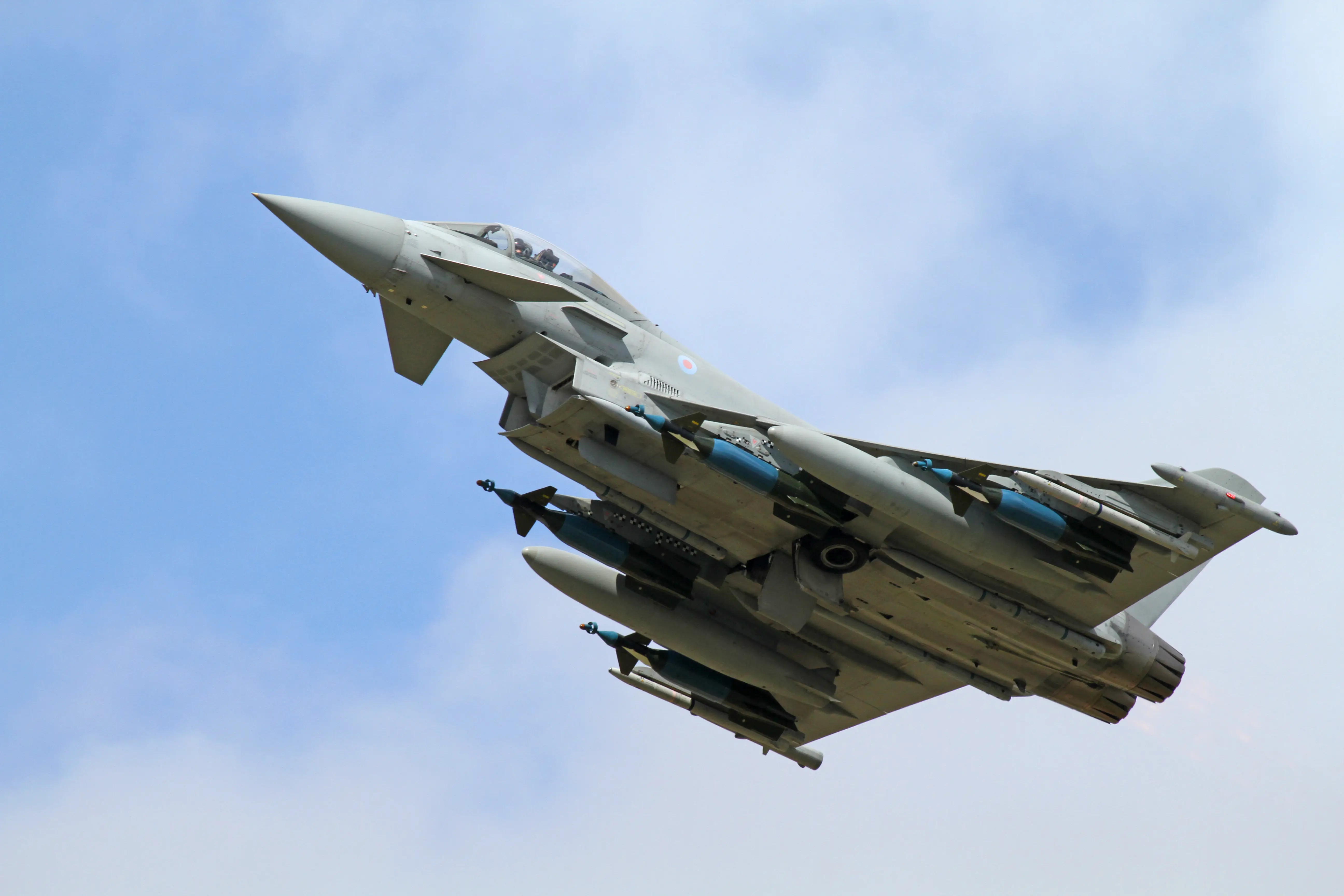
2 different guidance seekers
Russian combat doctrine often involves firing a pair of missiles with different guidance systems at a single target. By launching one radar-guided weapon and one infrared-guided weapon together, they increase the probability of a successful hit. This tactic directly exploits the technical limitations of Western electronic warfare systems.
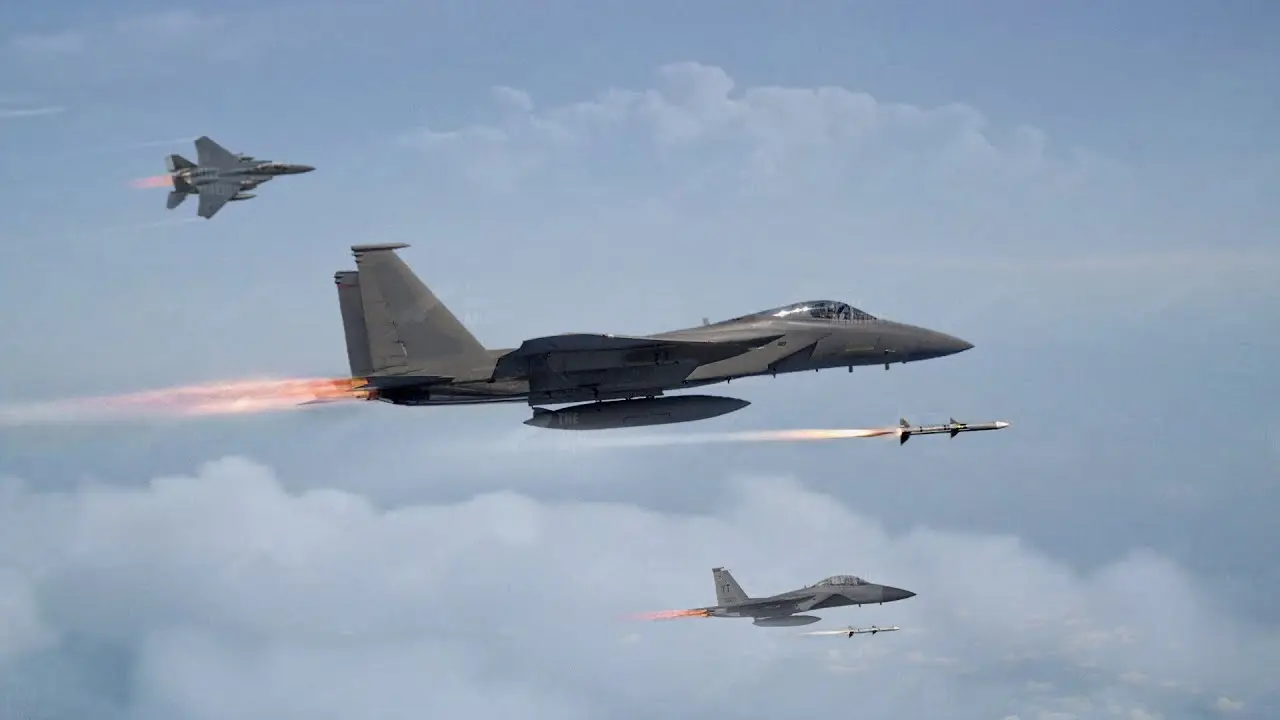
60-kilogramme heavy warheads
Russian air-to-air weapons carry significantly heavier explosive payloads than their American counterparts. This larger blast radius compensates for potential targeting inaccuracies caused by heavy enemy radar jamming. A larger explosion ensures the destruction of the target aircraft even without a direct physical impact.
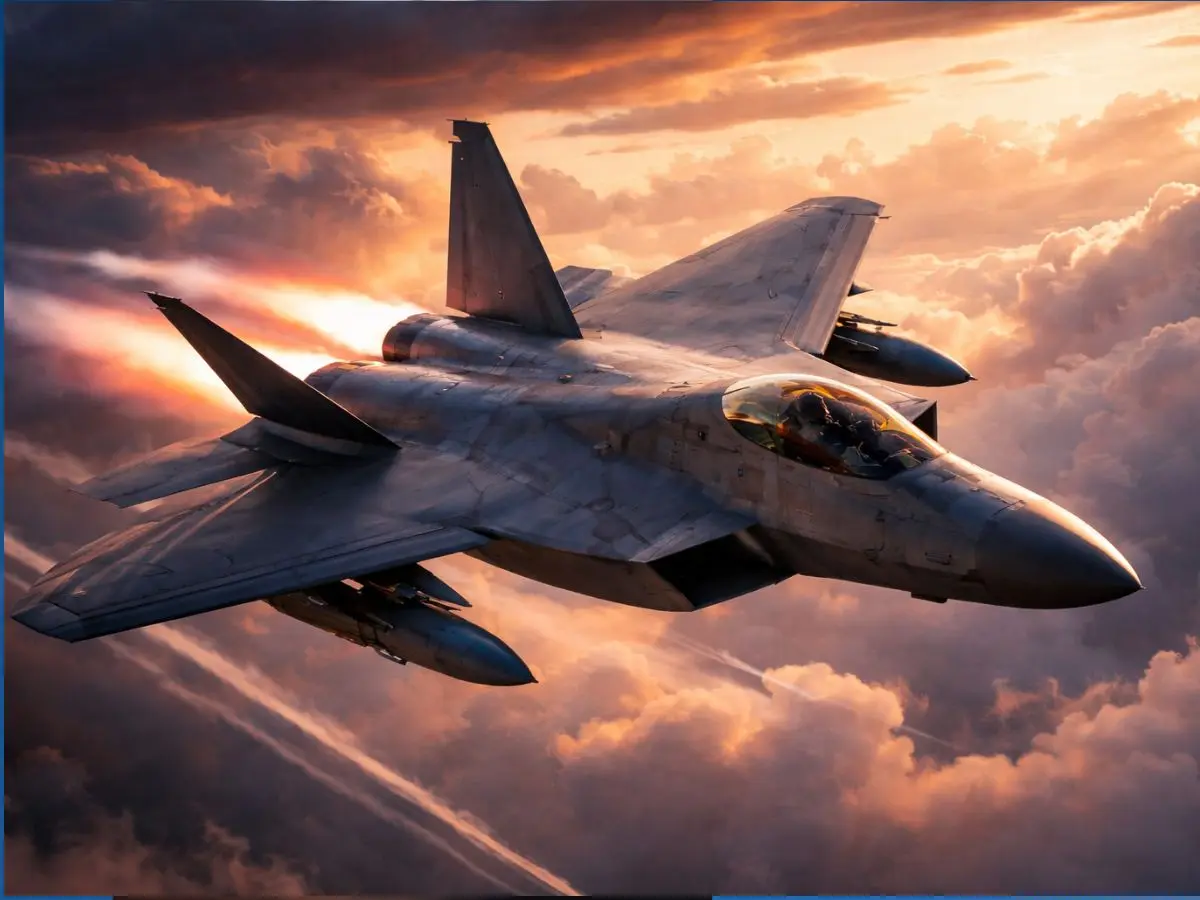
100 per cent network tracking
American missiles rely on advanced microelectronics and complex software networks rather than raw explosive size. Weapons link directly with airborne early warning platforms to receive constant mid-flight targeting updates. This network-centric approach allows the launch aircraft to remain completely silent while guiding a missile to its target.
4 internal weapons slots
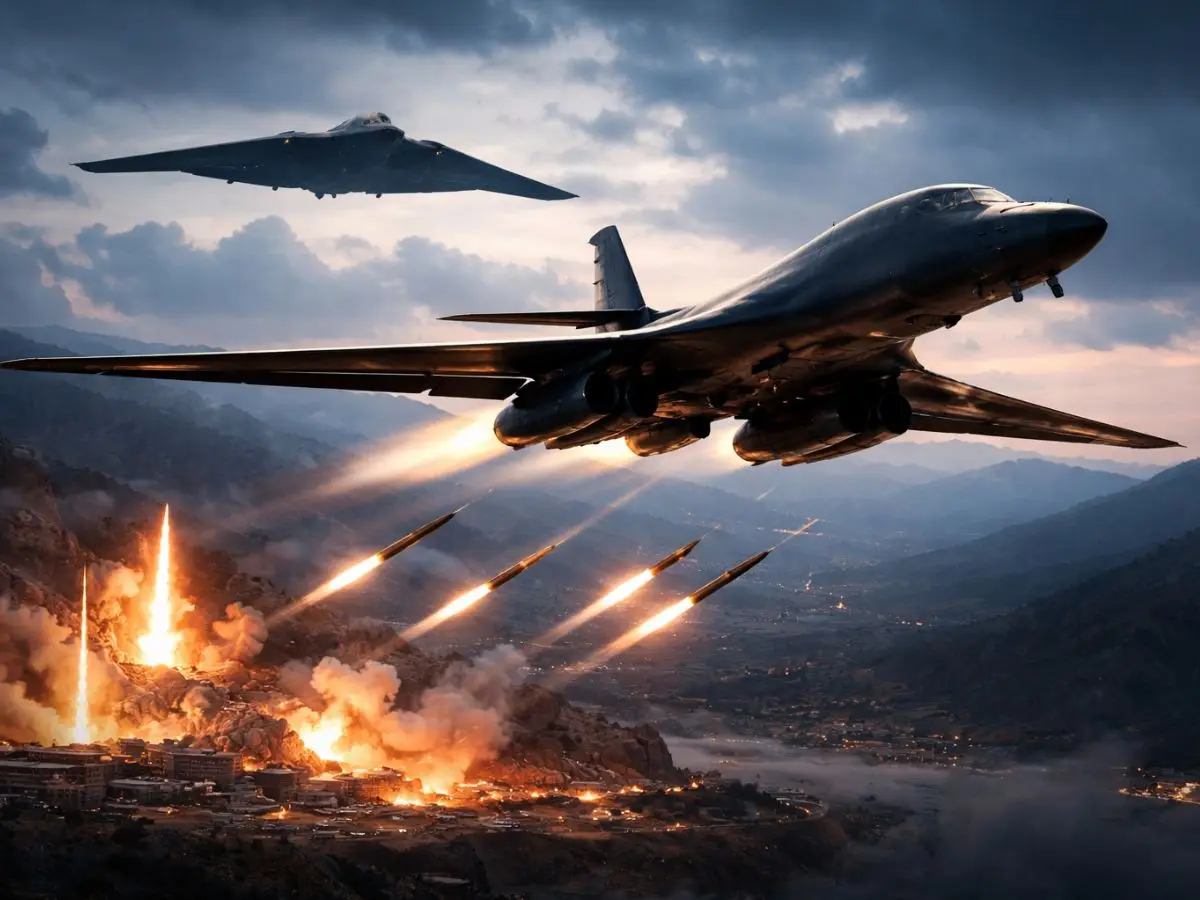
The United States designs air-to-air missiles like the AIM-120 AMRAAM with a slim, compact profile to maintain aircraft stealth. These weapons must fit cleanly inside the internal bays of fifth-generation fighters like the F-35, where space is at a premium. These rigid spatial constraints strictly limit the physical diameter of the missile body and its internal fuel capacity. While current configurations typically carry four AMRAAMs in the internal bays, upcoming upgrades are set to increase this capacity to six by using specialized adapters, further emphasizing the extreme focus on volume-efficient design.
)
)
)
)
)